

Passive House vs LEED Certification: Which Green Standard Should You Pursue?
Passive House focuses on strict energy performance and airtightness, while LEED scores buildings across water, materials, indoor quality, and site impact. This comparison breaks down certification requirements, costs, energy savings, and project examples to help architects and owners decide which green building standard fits their goals.
 Sinan Ozen24 May 20268 Mins read1
Table of Contents Show
Passive House vs LEED certification represents two distinct paths to green building. Passive House, developed by the Passive House Institute in Darmstadt, Germany, sets strict energy performance thresholds for heating, cooling, and airtightness. LEED, created by the U.S. Green Building Council (USGBC), uses a points-based rating system that scores buildings across energy, water, materials, indoor environment, and site sustainability. Choosing between them depends on your project goals, budget, and the level of energy performance you want to achieve.
What Is Passive House Certification?
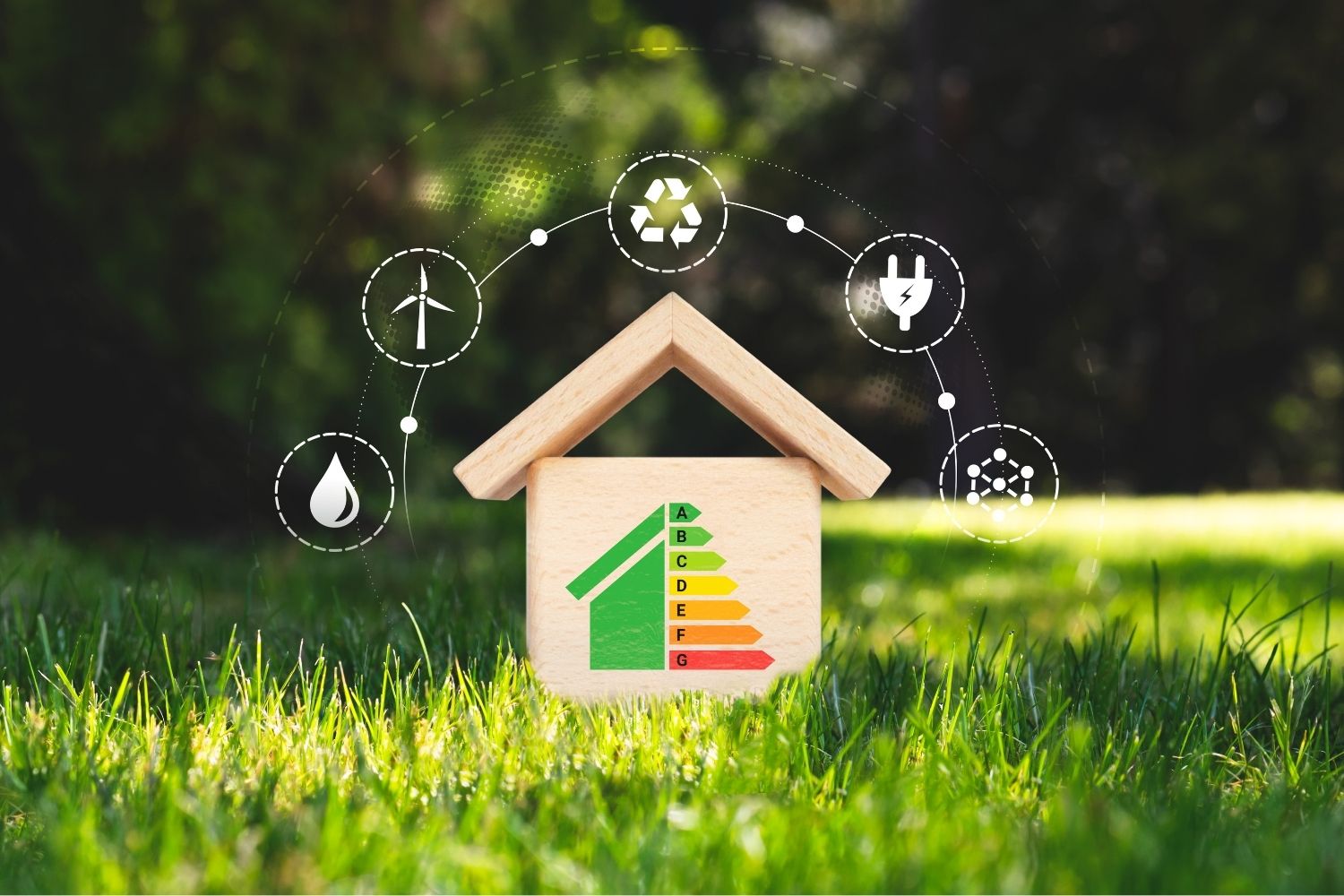
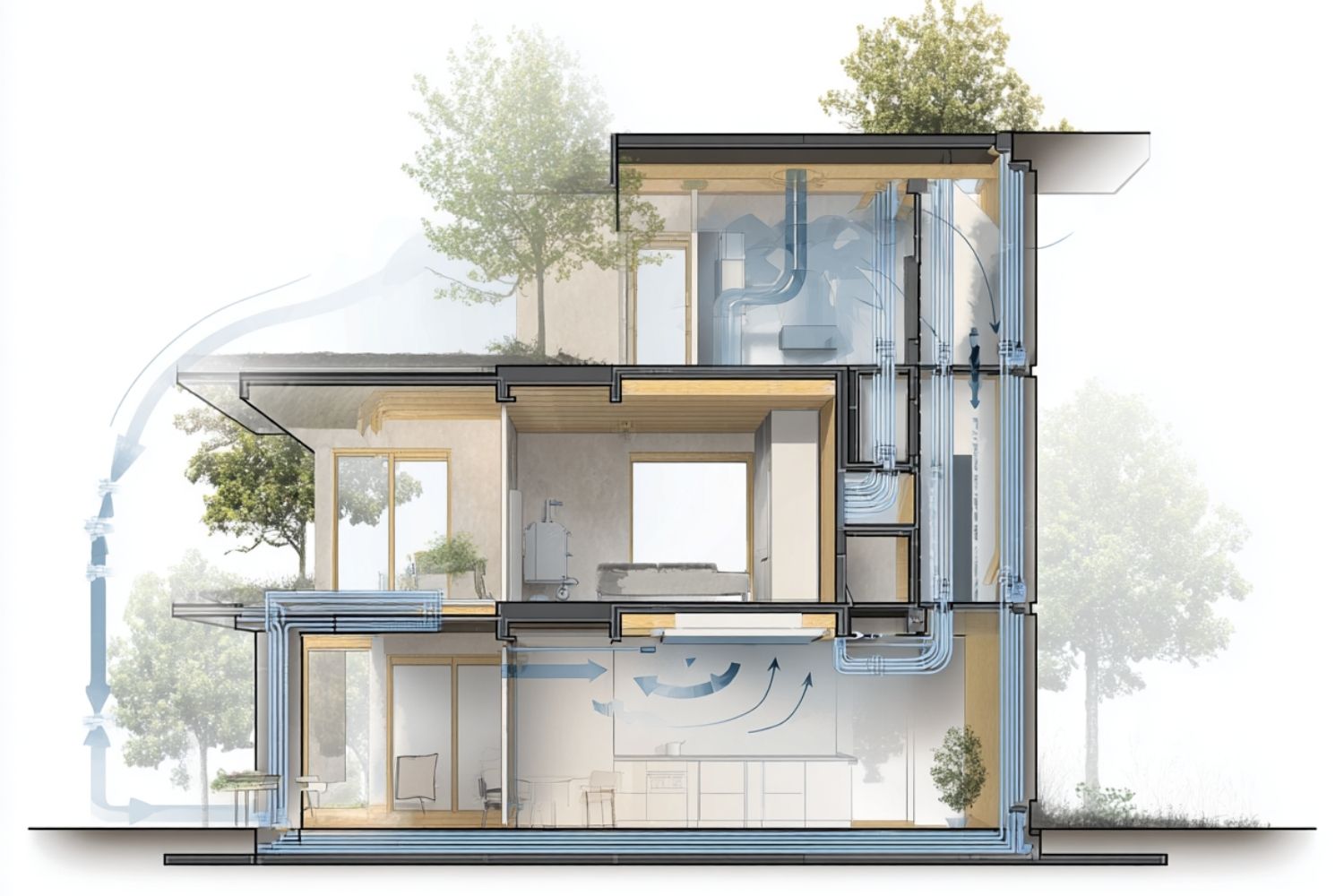
Passive House (Passivhaus) is a voluntary building standard that originated from a 1988 collaboration between Bo Adamson of Lund University and Wolfgang Feist, who later founded the Passive House Institute (PHI) in 1996. The standard demands that buildings use up to 90% less heating and cooling energy than conventional construction. It accomplishes this through five core design principles: superinsulation, airtight construction, high-performance glazing, thermal-bridge-free detailing, and mechanical ventilation with heat recovery.
Unlike broad sustainability ratings, Passive House architecture is laser-focused on measured energy performance. Certification is pass or fail: either your building meets the quantified thresholds, or it does not. There are no partial credits or tiered point categories. As of January 2025, the Passive House Institute reports over 47,400 certified units worldwide, covering approximately 4.32 million square meters of treated floor area (Passive House Institute, 2025).
📐 Technical Note
Passive House certification requires annual space heating demand of no more than 15 kWh/m² (or peak heat load of 10 W/m²), airtightness of 0.6 air changes per hour at 50 Pa (verified by blower-door testing), and total primary energy demand below 60 kWh/m² per year. These values are calculated using the Passive House Planning Package (PHPP) with local climate data, as defined by the PHI.
What Is LEED Certification?
LEED stands for Leadership in Energy and Environmental Design. Developed by the U.S. Green Building Council, it is the most widely recognized green building rating system in the world. As of 2024, there were over 195,000 LEED-certified buildings across 186 countries (USGBC, 2024). Projects earn points across credit categories and receive one of four certification levels: Certified, Silver, Gold, or Platinum.
LEED certification requirements span several categories: Sustainable Sites, Water Efficiency, Energy and Atmosphere, Materials and Resources, Indoor Environmental Quality, Innovation, and Regional Priority. The system applies to new construction, core and shell, commercial interiors, existing buildings, neighborhoods, and homes. LEED v5, officially released in April 2025, reorganizes credit categories around three global goals: climate action (50% of points), quality of life (25%), and conservation and ecological restoration (25%).
One important distinction is that LEED certification buildings earn points across a menu of options. A project can score high marks in water conservation and material sourcing while achieving only moderate energy performance. This flexibility makes LEED accessible to a broader range of projects, but it also means that two LEED Gold buildings can have very different energy profiles.
⚠️ Common Mistake to Avoid
Many people assume that a LEED Platinum building always outperforms a LEED Gold building on energy. That is not necessarily true. Because LEED awards points across multiple categories, a Platinum project could earn its highest scores in water efficiency, materials, or indoor air quality rather than energy performance. Always check the actual energy credits earned, not just the certification level.
How Do the Certification Requirements Compare?
The core difference between Passive House vs LEED certification lies in scope and methodology. Passive House is a performance-based standard with rigid numerical thresholds. LEED is a prescriptive-and-performance hybrid that allows teams to choose their path to a target score.
Comparison of Passive House vs LEED Certification
The following table breaks down the key differences between these two standards:
| Feature | Passive House (PHI) | LEED (USGBC) |
|---|---|---|
| Focus | Energy performance and thermal comfort | Whole-building sustainability across multiple categories |
| Certification type | Pass/fail based on measured performance | Points-based with four tiers (Certified, Silver, Gold, Platinum) |
| Energy target | Heating demand ≤15 kWh/m²/year | Varies by credit path (minimum 5% better than baseline) |
| Airtightness requirement | ≤0.6 ACH at 50 Pa (mandatory blower-door test) | No mandatory airtightness threshold |
| Water, materials, site | Not addressed in certification | Core credit categories with point values |
| Geographic presence | ~6,000 projects in PHI database worldwide | 195,000+ certified buildings in 186 countries |
| Typical cost premium | 5-10% over conventional construction | 2-5% over conventional construction |
| Certification tiers | Classic, Plus, Premium (based on renewable energy generation) | Certified (40-49 pts), Silver (50-59), Gold (60-79), Platinum (80+) |
💡 Pro Tip
Passive House and LEED are not mutually exclusive. Several projects pursue both certifications simultaneously. The LEED energy credits earned through Passive House-level performance can contribute 20 or more points toward a Gold or Platinum rating, giving you a strong head start on the LEED scorecard while also locking in the energy savings that Passive House guarantees.
Energy Savings: Which Standard Delivers More?
On raw energy reduction, Passive House is the clear leader. Buildings that meet the standard typically use 75-90% less heating and cooling energy than code-compliant construction (Passive House Institute, 2025). In the United States, the Waldsee BioHaus in Minnesota, built to the German Passive House standard, reported approximately 85% lower energy use than comparable homes that had achieved LEED certification.
LEED-certified buildings also deliver meaningful reductions. According to the USGBC, green buildings on average use 26% less energy, emit 33% less carbon dioxide, use 30% less indoor water, and divert 50-75% less solid waste to landfills. These are solid improvements, but they fall short of the Passive House targets because LEED allows project teams to earn energy credits through a range of strategies rather than requiring a single, strict threshold.
For architects and developers who prioritize energy-efficient buildings above all other sustainability metrics, Passive House provides a more rigorous guarantee. For teams that want a balanced approach to sustainability, including water, materials, indoor quality, and site ecology, LEED offers more flexibility.
🔢 Quick Numbers
- Passive House buildings use up to 90% less heating/cooling energy than conventional buildings (Passive House Institute, 2025)
- Over 195,000 LEED-certified buildings exist across 186 countries as of 2024 (USGBC, 2024)
- LEED-certified projects have saved an estimated 120 million metric tons of CO2 over three decades (USGBC, 2024)
- Passive House construction typically adds 5-10% to initial costs but reduces operating costs by 75-90% over the building lifecycle (PHI data)
Cost and ROI: What Should You Expect?
Passive House certification costs more upfront. The 5-10% premium primarily comes from high-performance triple-glazed windows, thicker insulation assemblies, airtight membranes, and mechanical ventilation systems with heat recovery. However, these costs are partially offset by smaller or eliminated conventional HVAC systems. In mature markets like Germany, delivery at cost parity with standard construction has been demonstrated in several multifamily projects, such as those in the Vauban district of Freiburg.
LEED certification premiums are generally lower, ranging from 2-5% over conventional construction. LEED also offers tiered cost options since teams can target Certified or Silver with minimal added expense. Gold and Platinum levels push costs higher, but tax incentives, utility rebates, and IRA (Inflation Reduction Act) credits for heat pumps, PV systems, and battery storage can offset a significant portion of the investment.
Over a 30-year building lifecycle, Passive House projects typically recover their premium 3-4 times over through energy savings alone. LEED-certified buildings also deliver strong returns, with documented reductions of 20% in maintenance costs and 10% in annual operating expenses (Dodge Construction Network, 2024). Both certifications tend to increase property values: green-certified buildings command approximately 16-20% higher market prices compared to non-certified equivalents.
Cost figures are approximate and vary by region, material supplier, project scope, and local labor market. Always verify estimates with your design team for your specific project.
When to Choose Passive House
Passive House is the right choice when your primary goal is minimal energy consumption and superior indoor thermal comfort. It suits residential projects, schools, healthcare facilities, and offices where occupant comfort and long-term operational savings are top priorities. It works especially well in cold and temperate climates, though projects in hot-humid regions are increasingly common.
If your client is committed to measurable performance targets rather than a flexible menu of sustainability features, Passive House delivers certainty. Every certified building has been verified through physical testing, including a blower-door test, which gives confidence that the as-built performance matches the design model.
🏗️ Real-World Example
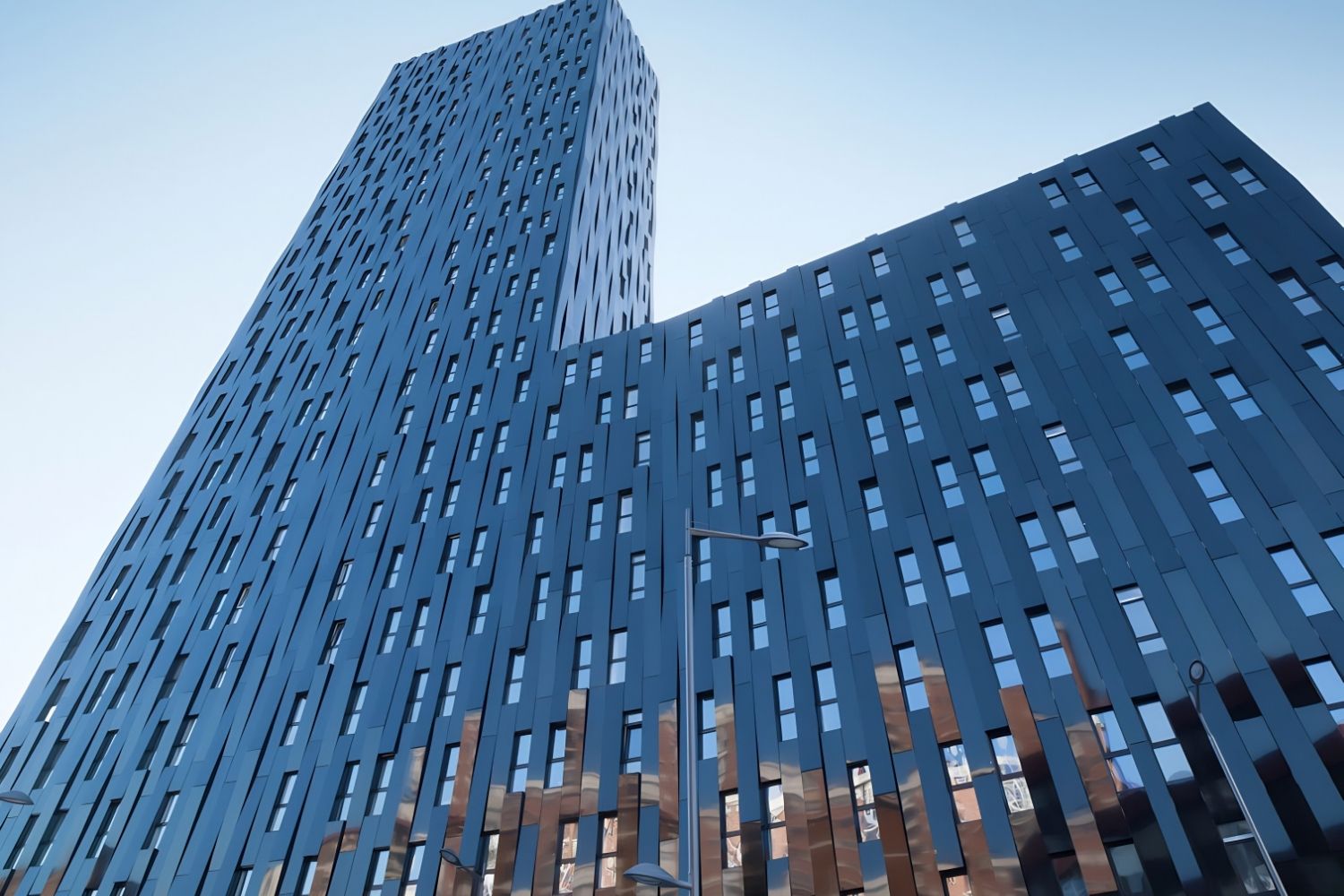
Bolueta Tower (Bilbao, Spain, 2018): Standing at 88 meters, this is the world’s tallest certified Passive House building. The 171-unit residential tower achieved the Passive House standard despite its height and mixed climate, proving that the standard can scale beyond low-rise construction. Energy modeling confirmed heating demand well below the 15 kWh/m² threshold.
When to Choose LEED
LEED is the stronger option when you need broad market recognition across multiple sustainability dimensions, especially for commercial real estate, corporate headquarters, and institutional projects. Its global name recognition makes it valuable for companies that want to signal environmental commitment to tenants, investors, and the public.
LEED also makes sense when your sustainable architecture goals extend beyond energy to include water conservation, responsible material sourcing, indoor air quality, and community connectivity. If your project is an existing building seeking operations and maintenance certification, LEED’s O+M pathway is specifically designed for that scenario, something Passive House does not offer in the same way (though the EnerPHit retrofit standard exists for major renovations).
For developers targeting the U.S. commercial office market, LEED Gold has become the de facto expectation for Class A office space. In 2025, Gold accounted for over 50% of all U.S. office LEED certifications by both count and gross area (USGBC data, 2025).
Can You Pursue Both Certifications?
Yes, and a growing number of projects do. Passive House performance locks in substantial energy credits under the LEED Energy and Atmosphere category, often enough to push a project from Gold to Platinum without significant additional effort. The overlap is not complete, since Passive House does not address LEED’s water, materials, or site credits, but the energy performance foundation makes the remaining credits easier to pursue.
Projects like the Bullitt Center in Seattle and Park Avenue Green in New York have shown that combining both standards produces buildings that excel in measured energy performance while also scoring well across the broader sustainability metrics that LEED evaluates. For project teams with the budget and expertise, pursuing both certifications represents the most thorough approach to verified green building performance.
💡 Pro Tip
If you are considering both certifications, engage a Certified Passive House Designer and a LEED AP early in the schematic design phase. The Passive House Planning Package (PHPP) energy model can feed directly into the LEED energy documentation, reducing duplication of effort and keeping consultancy costs manageable. Starting this coordination at concept stage can save 15-20% on combined certification fees.
How Much Does Each Certification Exam Cost?
For professionals seeking credentials, the LEED certification exam (LEED Green Associate or LEED AP) costs between $250 and $550 depending on membership status and specialty. The exam covers general green building knowledge and LEED-specific credit requirements. LEED AP credentials require ongoing continuing education hours for maintenance.
Passive House professional certification follows a different path. The Certified Passive House Designer/Consultant course typically runs $1,500-$3,000 including training and the exam. The net zero building expertise gained through this training is highly specialized, covering PHPP energy modeling, construction detailing, and quality assurance protocols. Both credentials signal genuine expertise, but they address very different skill sets.
⚖️ Pros & Cons at a Glance
✔️ Passive House Pros: Superior energy performance, verified by physical testing, lower operating costs, excellent indoor comfort
✖️ Passive House Cons: Higher upfront cost, narrower scope (energy only), fewer certified professionals, less market recognition outside Europe
✔️ LEED Pros: Global recognition, broad sustainability scope, flexible credit paths, multiple building types and lifecycle stages
✖️ LEED Cons: Variable energy performance, points can be earned in non-energy categories, no mandatory airtightness testing
Final Thoughts
The choice between Passive House vs LEED certification depends on what you want your building to prove. If the goal is the lowest possible energy consumption with verified, tested performance, Passive House is the more demanding and more rewarding path. If your project needs to demonstrate sustainability across energy, water, materials, indoor quality, and site ecology with global market credibility, LEED offers the broader framework.
The strongest approach, when budget and timeline allow, is to combine both. Passive House locks in the energy performance, and LEED validates everything else. That combination produces buildings that are not only certified on paper but genuinely perform at the highest levels of efficiency and occupant well-being.
For architects looking to deepen their understanding of green building principles, resources from the Passive House Institute, the U.S. Green Building Council, and the Passive House Accelerator are essential starting points.





9 Best Timber Frame Home Builders In PA For Sustainable Building And Design
Table of Contents Show Why timber frame construction makes sense in PennsylvaniaBudgeting...
 Bahattin Duran9 Mins read

How Upcycling Materials Is Redefining the Future of Architectural Construction
Upcycling materials is reshaping how architecture understands value, time, and responsibility. Rather...
Sinan Ozen4 Mins read

Architecture Trends 2024: Top 10 Design Ideas Shaping Spaces
Architecture trends 2024 are redefining how we design and experience spaces. From...
 Begum Gumusel7 Mins read
Nature-Inspired Innovation: Biomimicry in Architecture
Biomimicry in architecture: a practical guide to nature-inspired design delivering 30–60% energy...
Sinan Ozen4 Mins read


Leave a comment