

How to Choose the Right Roofing Material for Your Home
Choosing the right roofing material involves evaluating options like asphalt shingles, metal, clay tiles, and slate based on durability, climate, and budget.
 Bahattin Duran26 May 20245 Mins read340

Table of Contents Show
Choosing the right roofing material for your home means matching durability, climate resistance, weight, energy performance, and budget to where you live and how your house is built. Asphalt shingles, metal, clay or concrete tiles, slate, and wood each suit different conditions, so the best pick balances upfront cost against lifespan and local weather.
Your roof is one of the hardest-working parts of the house. It shields your family from sun, wind, snow, and rain, and it shapes both the look and the resale value of your property. With so many different roofing materials on the market, narrowing the field can feel overwhelming, so this guide breaks down the five most common options and how to weigh them.
Why the Right Roofing Material Matters
A roof faces constant exposure, from scorching summer heat to freezing winter storms. Pick a material that cannot handle your climate and you will be paying for an early replacement, which is one of the costliest repairs a homeowner can face. The material you choose also drives energy efficiency. Some products insulate or reflect heat far better than others, which lowers cooling and heating bills, and a few are far kinder to the environment if cutting your carbon footprint matters to you.
📌 Did You Know?
A reflective or “cool” roof can stay up to 50°F cooler in peak sun than a standard dark roof, according to the U.S. Department of Energy. That surface temperature drop eases the load on your air conditioning during hot months. You can read the agency’s breakdown of cool roof options for the details.

Asphalt Shingles
Asphalt shingles are the most common roofing material in the United States. They are affordable, quick to install, and sold in a wide range of colors and profiles. They are also fire-resistant and typically last 15 to 30 years depending on quality and ventilation. The trade-off is environmental impact, since most shingles end up in landfills, and they can lift or tear under high wind and hail. The Asphalt Roofing Manufacturers Association publishes installation and wind-rating guidance worth checking before you buy.
| Pros | Cons |
| Affordable | Not environmentally friendly |
| Easy to install | Can be damaged by severe weather |
| Variety of colors and styles | Shorter lifespan than other materials |
Pricing shifts with your region and the roofing company you hire, so collect several quotes and compare line by line before committing.
Metal Roofing
Metal roofing keeps gaining ground for good reason. It is very durable, fire-resistant, and often lasts 50 years or more. Many panels contain recycled content and are fully recyclable at end of life, and light-colored finishes reflect heat to cut cooling costs. The downsides are a higher upfront price and noise during heavy rain or hail, though proper underlayment dampens much of that. If your lot has large overhanging trees, falling branches can dent some softer panels. The Metal Roofing Alliance is a solid homeowner resource on styles and certified installers.
| Pros | Cons |
| Durable | Higher upfront cost |
| Long-lasting | Noisy during storms |
| Energy-efficient and recyclable | Some panels dent from falling branches |
A roofing contractor can assess your specific needs and estimate project costs so you compare materials on a fair basis.
Clay or Concrete Tiles
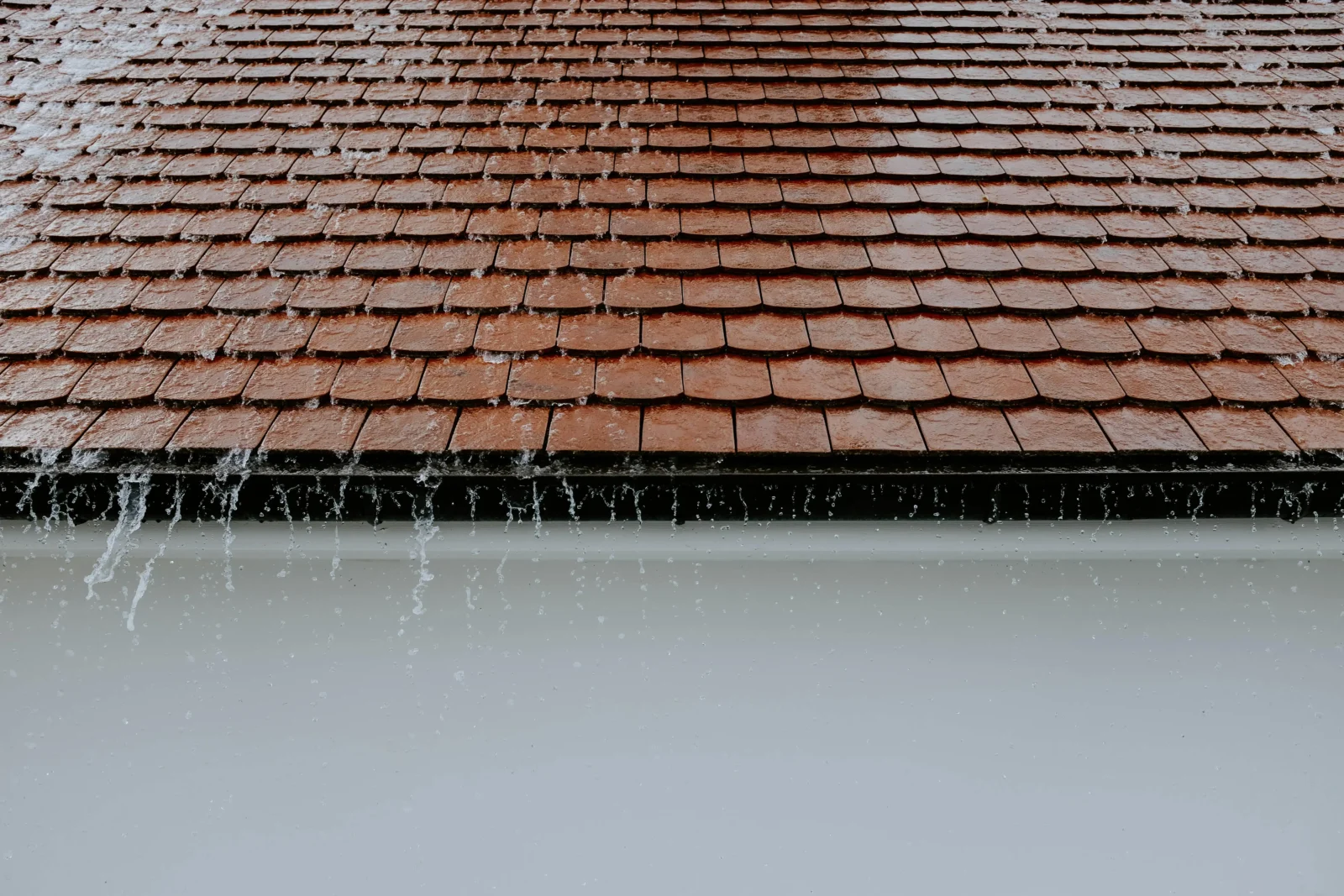
If you want a roof that is both striking and long-lived, clay or concrete tiles are worth a look. Some clay tiles last a century or more, and the air gaps under tile help insulate the home. They resist fire and hold up well in heat and high wind. The catch is cost and weight. Tiles are among the heaviest options, so your structure may need reinforcement to carry the load, and individual tiles can crack if walked on or installed poorly. The Tile Roofing Industry Alliance covers building-code and load requirements in depth.
| Pros | Cons |
| Long-lasting | Expensive |
| Energy-efficient | Heavy, may need structural reinforcement |
| Fire-resistant | Fragile, can crack if mishandled |
📐 Technical Note
Roof loads matter more than most homeowners expect. Asphalt shingles weigh roughly 2 to 4 pounds per square foot, while clay tile and slate can run 8 to 12 pounds or higher. Before switching to a heavy material, have a structural engineer confirm your framing and rafters can carry the added dead load under local building codes.
Slate
Slate is a natural stone that has covered roofs for centuries. It is extremely durable, often lasting 100 years or more with upkeep, and it shrugs off fire and harsh weather. As with tile, the barriers are price and weight, plus a smaller pool of installers. Slate is difficult to cut, install, and repair, so labor adds significantly to the total. For genuine stone you can lean on the National Slate Association for installation standards and contractor referrals.
| Pros | Cons |
| Extremely durable | Expensive |
| Long-lasting | Heavy, may need structural reinforcement |
| Fire-resistant | Difficult to install and repair |
When you are comparing roofing materials at this price tier, factor in the cost of a specialist crew, not just the slate itself, and lean on a professional roofing contractor for the install.
Wood Shingles or Shakes
Wood shingles and shakes give a home a warm, rustic character that manufactured products struggle to copy. They are moderately priced and last 20 to 50 years depending on the wood species and climate. The downside is maintenance. Untreated wood is not fire-resistant and can rot, grow mold, or attract insects, so it needs regular cleaning and protective treatments to reach its full lifespan.

| Pros | Cons |
| Rustic, natural look | Not fire-resistant without treatment |
| Moderately priced | Can rot, mold, or attract insects |
| Lasts 20 to 50 years | Requires regular maintenance |
How Do You Choose the Right Roofing Material?
Cost is only one piece of the decision. Start with your climate, then weigh the slope and size of your roof, the weight your structure can carry, and the architectural style you want to keep. Someone roofing a house in Portland, Maine has to plan for heavy snow loads, while a Huntsville roof needs to handle tornado-force wind and driving rain, since Alabama sees very different weather. Match the material to those local conditions first, and the shortlist usually narrows itself.
💡 Pro Tip
When you gather quotes, ask each contractor to spell out the underlayment, ventilation, and flashing they plan to use, not just the surface material. Two bids for the same shingle can differ by thousands once those hidden layers are accounted for, and skimping there is the fastest route to early leaks.
Roof pitch also limits your choices. Low-slope roofs shed water slowly, so they are a poor fit for materials that rely on steep angles to stay watertight. If your home sits in a wet or freeze-thaw region, study how the full assembly handles moisture, not just the top layer, as detailed in this look at wet-climate roof engineering. Energy goals matter too, and you can see how roofing ties into broader strategies for keeping a home cooler in hot summers.
⚠️ Common Mistake to Avoid
Many homeowners pick a material purely on the lowest install price and ignore lifespan. A cheaper roof replaced twice in 40 years often costs more than a single durable roof, and the second tear-off adds labor and disposal fees. Compare cost per year of expected service, not just the sticker price.
Frequently Asked Questions
What is the longest-lasting roofing material?
Slate and clay tile lead on longevity, with both capable of lasting 100 years or more when installed and maintained well. Metal follows at 50 years or more, while asphalt shingles usually run 15 to 30 years.
Which roofing material is the most energy-efficient?
Reflective metal and light-colored tile perform strongly because they bounce sunlight away from the home. A cool-rated surface in any of these materials lowers attic temperatures and cooling demand in hot climates.
How much does a new roof cost?
Cost depends on material, roof size, pitch, and your region, so the only reliable figure comes from local quotes. Asphalt sits at the low end, while slate and clay tile are the most expensive to buy and install.
Where to Go From Here
Your Next Step: Measure your roof’s square footage and slope, note your region’s worst weather, then request itemized quotes from two or three licensed contractors for the materials that fit those constraints. A professional can confirm whether your structure needs reinforcement and help you match the right roofing material to your home and budget.


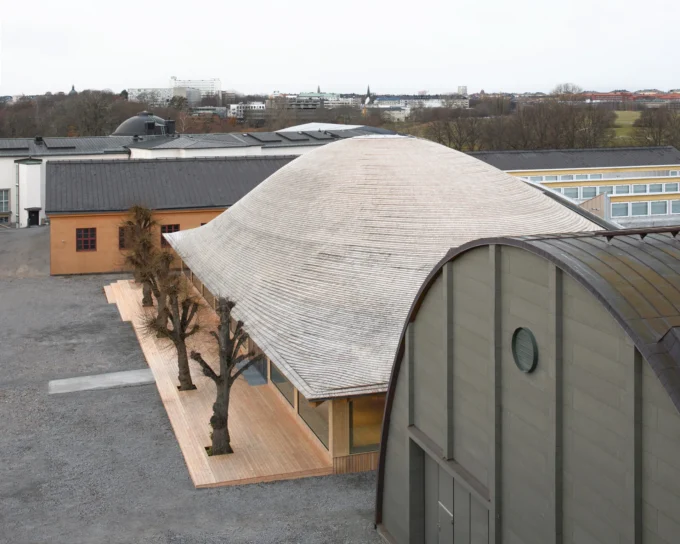



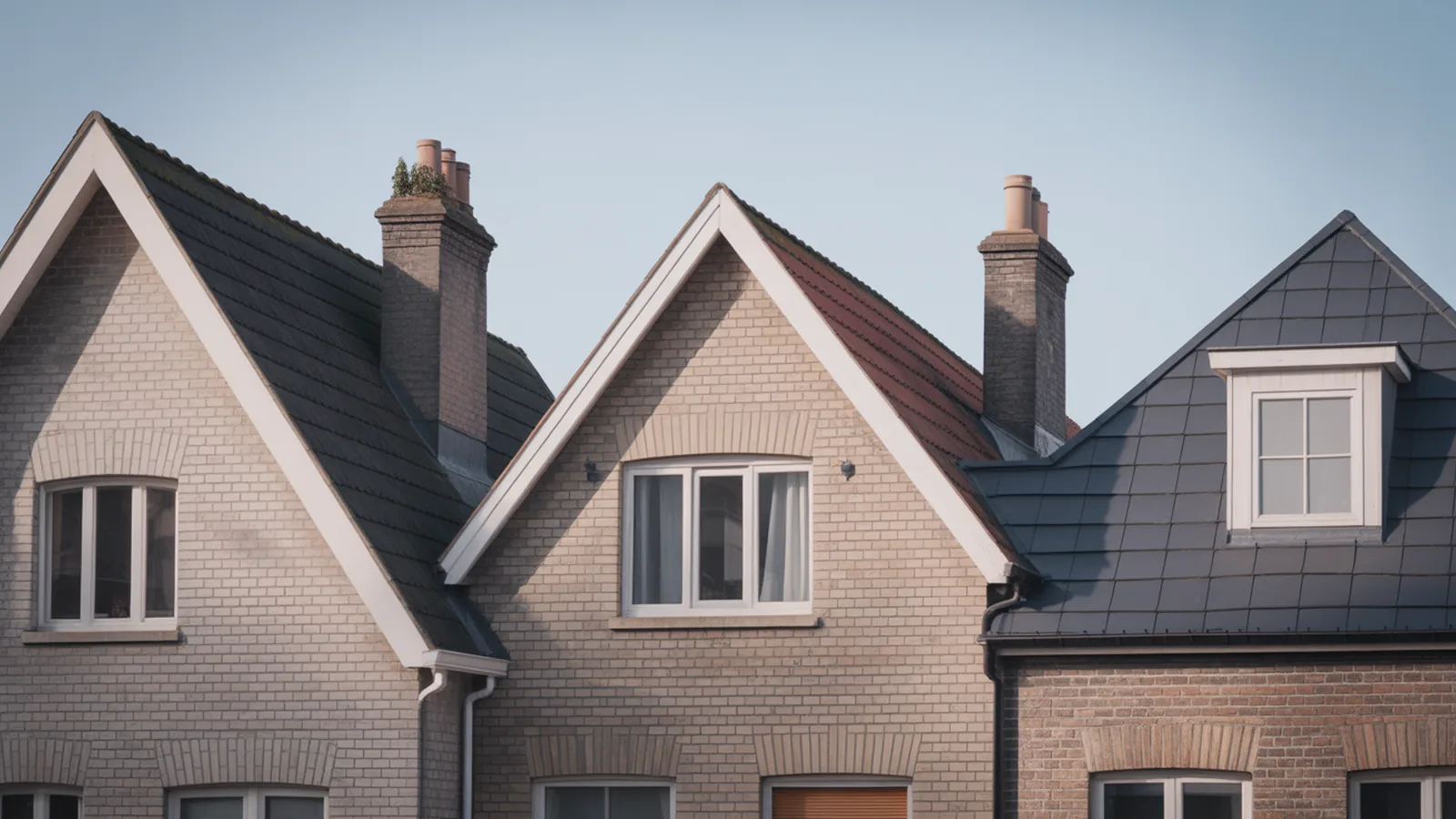
Types of Roofs: The Complete Guide to Shapes, Styles and Materials
An overview of the most common roof shapes (gable, hip, flat, mansard,...
 illustrarch Editoral Team12 Mins read
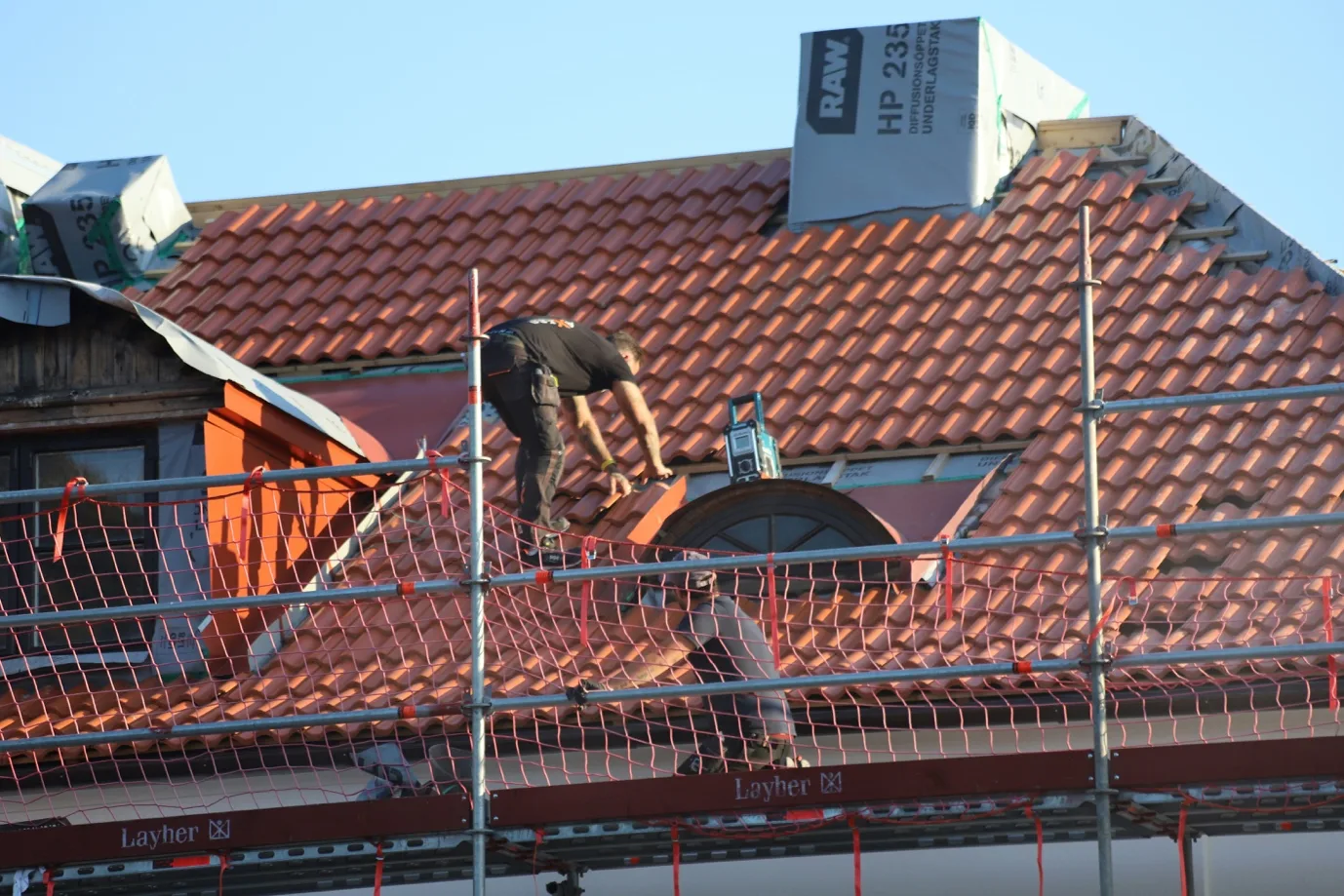
Anatomy of a Wet-Climate Roof: The Engineering Behind High-Performance Roofing
How high-performance roofing protects homes in wet climates: multi-layer systems, flashing, ventilation...
Bahattin Duran3 Mins read
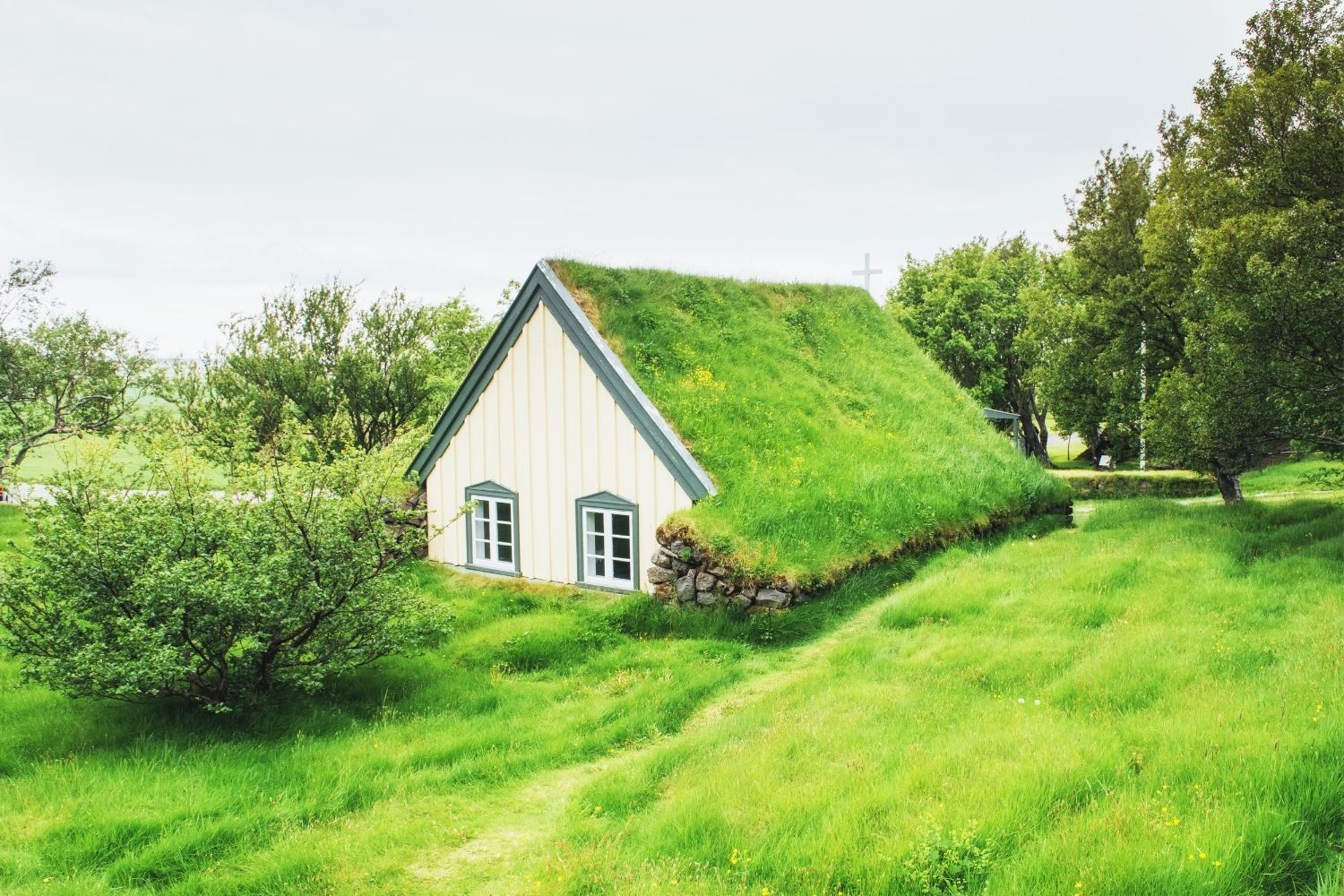
Benefits of Green Roofing vs Solar Roof: Which Performs Better in Urban Buildings?
Green roof or solar roof? In dense city buildings, the two systems...
 Furkan Sen8 Mins read
How to Select the Most Reliable Shelter Installation Team
Selecting a reliable shelter installation team involves defining project specifications, vetting credentials,...
Bahattin Duran3 Mins read


Leave a comment