

The Art of Wall Decor: Choosing Pieces that Reflect Your Style
Wall decor involves selecting art and objects that reflect personal style while enhancing the room's aesthetics and coherence with existing design elements.
 Furkan Sen20 December 20235 Mins read469
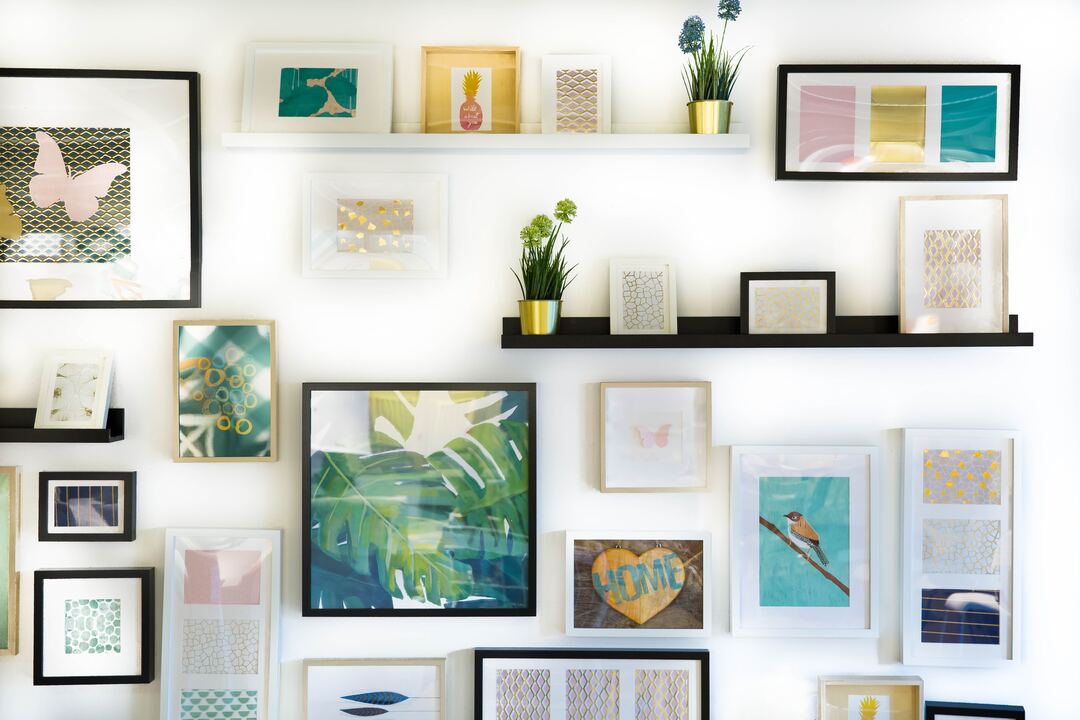
Table of Contents Show
Wall decor is the practice of choosing art, frames, and objects that turn bare walls into a reflection of your personal style. Good choices balance the look of a room with pieces that carry meaning, so the space feels considered rather than decorated by default. The right selection makes a house read as your own.
Walls are the largest uninterrupted surfaces in most homes, which is exactly why they shape how a room feels the moment you walk in. Treating them as an afterthought wastes that potential. The goal here is to help you pick wall decor that fits your taste, suits the architecture of the room, and still says something about who lives there.
Understanding Your Personal Style
Start by naming the look you keep coming back to. Are you drawn to modern minimalism, cozy country, vintage charm, or an eclectic mix of several periods? Your answer narrows the field fast. If you are unsure, scroll through your saved images and watch for patterns in color, scale, and subject matter, because those repeats usually point to a clear preference.
Read the room before you buy anything. Existing color schemes, the furniture you already own, and the amount of natural light all decide what will sit well on the wall. A pared-back palette pairs with Scandinavian and Japanese minimalism, while a layered, color-rich room can carry the warmth of a mid-century approach. Matching the decor to the design language already in the room keeps everything coherent.
💡 Pro Tip
Before buying, tape kraft paper or painter’s tape in the shape of the piece onto the wall and live with it for a day. Seeing the true footprint at full scale prevents the common error of ordering art that turns out too small once it is hanging.
Balancing Aesthetics and Personalization
Aesthetics get a room photographed, but personalization is what makes it a home. Pieces that carry a memory turn a wall into a record of your life rather than a showroom display. A grouping of family photographs in matched frames adds warmth and a little nostalgia, while a bold abstract painting signals a more adventurous, contemporary streak.
Custom frames are where look and meaning meet. With control over material, finish, and proportion, you can present cherished photos, prints, or small keepsakes in a way that matches the rest of the room instead of fighting it. A well-chosen frame protects the work and sets its tone, so it deserves as much thought as the art inside it.

Mixing and Matching Pieces
A mix-and-match wall lets you blend art forms that would feel flat on their own. Contemporary prints can sit beside classic pieces, and a large canvas can anchor a cluster of smaller frames or wall-mounted objects. The trick that keeps it from looking random is a shared thread: a repeated color, a consistent frame finish, or a single subject that ties the group together.
Gallery walls reward planning. Lay the arrangement on the floor first, shift pieces until the spacing feels even, and keep the gaps between frames consistent, usually around two inches. This loose, layered method is closer to how art has been hung in salons for centuries than the single-painting-per-wall habit many of us default to.
Getting Size and Placement Right
Scale and position decide whether wall decor reads as deliberate or accidental. A large piece can hold a room on its own as a focal point, while smaller works are better grouped into a gallery wall. Measure the open wall and the furniture below it before committing, since a sprawling canvas that sings above a sofa can swallow a narrow hallway.
Hang art so its center sits at standing eye level, then let nearby furniture guide the rest. Over a sofa or console, the bottom edge usually looks best six to ten inches above the furniture, which keeps the art visually connected to the piece below it instead of floating off on its own.
⚠️ Common Mistake to Avoid
The most frequent error is hanging art too high. Centering a piece on the wall rather than at eye level leaves it stranded near the ceiling and disconnected from the furniture. Aim the center of the work at roughly 57 to 60 inches from the floor instead.
📌 Did You Know?
Many galleries and museums hang work so the center sits about 57 inches off the floor, a height chosen to match average standing eye level. Borrowing that single convention at home is the quickest way to make a wall look professionally arranged.
Personalized and Custom Options
For a wall that no one else can copy, look at fully personalized decor. Custom pieces put a literal part of your story on display, from a custom pet portrait for an animal lover to a printed map of a place that matters to you. These tend to become conversation starters precisely because they cannot be bought off a shelf, and they add a warmth that mass-produced prints rarely reach.

Color is part of personalization too. Choosing a color scheme for your art that echoes a few tones already in the room, even loosely, helps a custom piece feel built for the space rather than dropped into it.
💡 Pro Tip
When commissioning custom work, send the maker a photo of the wall with its surrounding furniture and lighting, not just the dimensions. Seeing the real context helps them set tones and contrast that will hold up in your actual room rather than on a white studio backdrop.
Lighting Your Wall Decor
Even the best piece falls flat in poor light. Natural light flatters most art, but it shifts through the day and can fade works over time, so keep delicate prints and photographs off walls that take harsh afternoon sun. For evenings, a small picture light or an adjustable track fixture aimed at the work lifts it off the wall and gives the room a focal glow after dark. Warm bulbs in the 2700K to 3000K range tend to suit framed photos and paintings, while cooler light can wash out softer tones. Treat lighting as part of the piece, not an afterthought, and ordinary decor starts to look gallery-grade.
Treating Art as an Investment
Some wall decor can hold or grow in value, which adds another reason to choose carefully. Original works, limited edition prints, and pieces from emerging artists sometimes appreciate over time. If that appeals to you, buy from artists whose careers you can follow and keep documentation of authenticity. Even so, the steadiest test is whether you would happily keep the work whether or not it ever gains value, because genuine attachment is what makes the piece worth living with.
Sustainable and Eco-Friendly Choices
Sustainability now shapes how many people decorate. Look for artists and makers who use recycled or responsibly sourced materials, water-based inks, and low-impact framing. Reclaimed-wood frames, vintage finds, and prints on recycled stock all cut waste while adding character. Choosing decor this way connects your walls to the same thinking that drives wider interior design practice, where material choices increasingly carry as much weight as appearance.
Where to Go From Here
Your Next Step: Pick one wall you walk past every day, measure it, and tape out the footprint of a piece you already love. Living with that outline for a few days tells you more about scale and placement than any rule, and it turns the abstract idea of better wall decor into a concrete plan you can act on this week.





Interior Design for Commercial Spaces: Enhancing Functionality and Brand Identity
Commercial interior design has to serve brand, function and regulation at once....
 Begum Gumusel4 Mins read

Futuro House Production Revived in Finland After Decades-Long Hiatus
A Facebook listing for abandoned moulds led to the first new Futuro...
 illustrarch Editoral Team3 Mins read

Building Your Dream Home in NSW: What You Should Know About Montgomery Homes
Montgomery Homes has been building across Sydney, Newcastle, the Hunter, Wollongong and...
illustrarch Editoral Team4 Mins read
Designing a Home Theater: Where Drapery Fits Into the Plan
In a media room the curtains are a performance layer, not decoration....
illustrarch Editoral Team3 Mins read


Leave a comment