

8 Productive Habits for Architecture Students
What are your habits? How do you continue your architectural development in daily life? We will talk about the habits that architecture students should maintain throughout their lives.
 Elif Ayse Sen26 November 20226 Mins read527
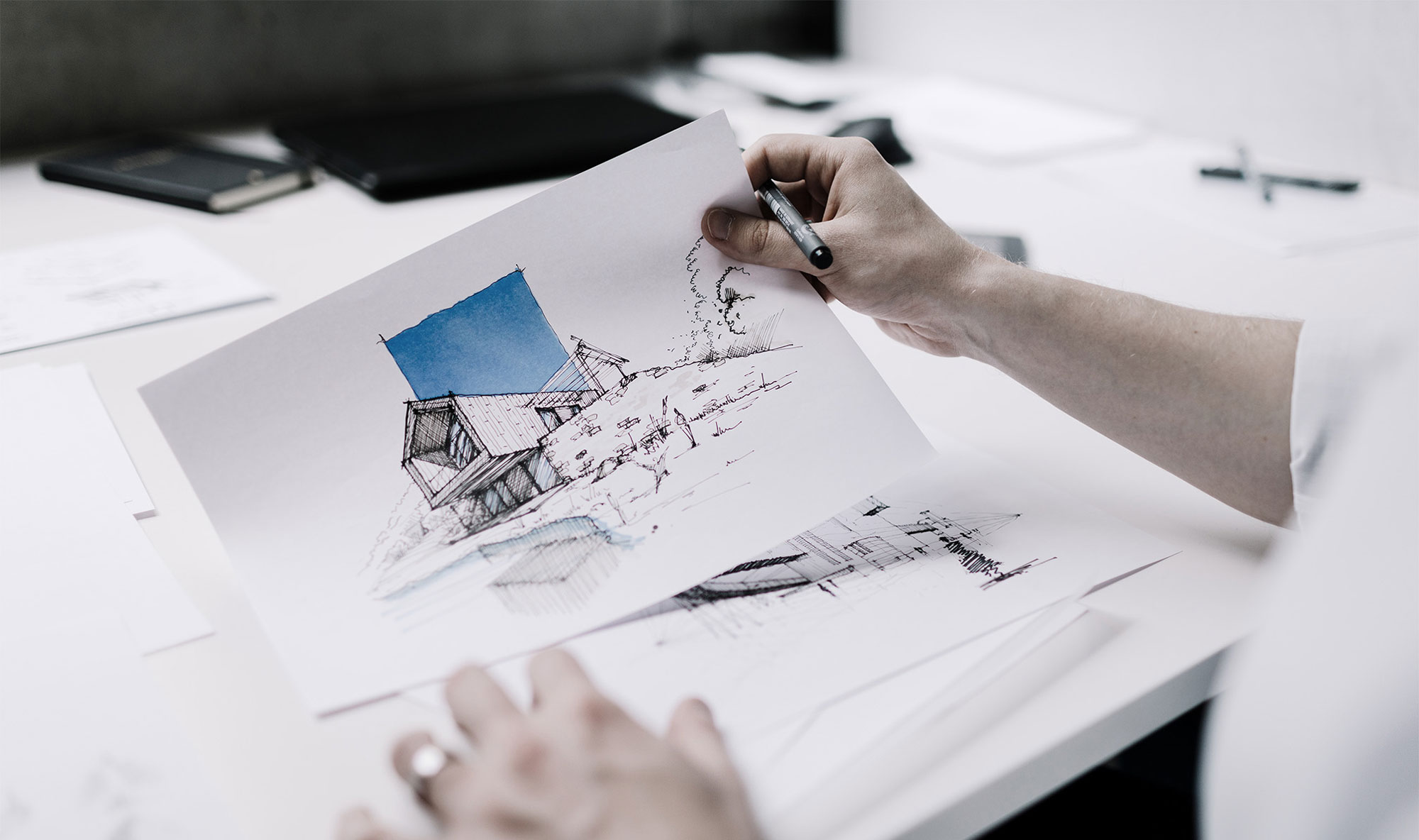
Table of Contents Show
What are your habits? How do you keep up your architectural development in daily life? Productive habits come in two kinds. Some feed your eye and your ideas: galleries, buildings, sketching and reading. Others protect the hours in which you turn those ideas into drawings: a fixed start time, a daily drawing quota and a weekly review of what is still missing. Studio work needs both, and the first five habits below cover the input side while habits six to eight cover the output side.




None of this needs a new app or a perfect schedule. Each habit is small enough to start this week, and the sample week at the end shows how they fit around a normal studio timetable.
-
Galleries and Museums

Architecture sits between art and science, and its results affect the whole of society. Every architect is a designer who draws on art, so it makes little sense for an architecture student to stay away from it. When we talk about habits that will be productive for architecture students and will lead them to success, we should definitely mention visiting art galleries and museums.
Visiting museums, temporary exhibitions and galleries regularly feeds your artistic side. Go with a question rather than a plan to see everything: how does this painter handle light, how does this sculptor join two materials, how is the exhibition itself laid out as a route? One page of notes and a quick sketch per visit is enough to make the habit pay off in studio.

-
Visiting Important Buildings

Whichever country you live in, there are important buildings within reach. Make it a habit to visit them and to read the buildings you pass in everyday city life: how the entrance is marked, how the facade meets the street, where people choose to sit. Reading buildings this way becomes a powerful tool for your own designs.
If you have the opportunity, plan your holidays in different countries and cities, visit the buildings we mentioned in the article 5 Architectural Buildings To Visit. Reading important buildings like these, understanding their periods, making sketches and thinking about them are habits that will increase your architectural skills.

-
Sketch, Sketch, Sketch!

Every trip suggested so far needs one more habit to be useful: a way to catch the ideas that come to you during the day. That habit is sketching, and it is the most important one on this list.
If you do not sketch a lot, make it a habit to think through sketches and write your ideas in the sketchbook. Get lovely markers, pens and notebooks to get motivated to sketch. In the initial stages, you can imitate the sketches of others and experiment with sketches until you find your own lines. What did they say? Fake it till make it.
Your early sketches will improve day by day and slowly develop a character of their own, so do not worry about how they look at first. Liz Steel’s notes on her approach to sketching architecture are a useful read once you want to move past copying.

-
Read A Lot

Architectural reading supports your conceptual work in particular. The titles in our Best books for architecture students article are a good starting list if you want to build a reading habit. Reading can also mean more than books: buildings, essays and even films can be read. Watching a film from an architectural point of view and analysing its spaces is a habit worth keeping, as is reading architecture magazines in print and following good accounts online.
-
Keep Themselves Up to Date

Architecture changes quickly. Every architect needs to follow not only architectural news but also developments in art, technology and politics. A good architect aims to improve their surroundings and their community, and that is hard to do without knowing what is happening around them.
The first four habits already do much of this work. On top of them, stay active both online and in your social life, and follow a small number of digital and printed architecture publications. Keeping up with current projects and debates helps you during your school years and later in practice.
-
Start Studio Work at a Fixed Time
The habits above fill your head with ideas. The next three make sure those ideas reach paper before the deadline. The first is the simplest: pick a start time for studio work and keep it every weekday, for example 9:30 in the studio or at your desk. A fixed start removes the daily decision about when to begin, which is often where the first hour of the day disappears.
The same logic applies to the other end of the day. The NHS advice on sleeping better puts a regular sleep routine first and suggests keeping it the same even on days when you are not working. A fixed start time is much easier to hold when your bedtime does not swing by three hours after every pin-up.
- Write the start time on the first page of your sketchbook or on the wall above your desk.
- Begin with the same small task each day, such as redrawing yesterday’s last sketch, so there is no blank page at the start.
- Protect the first 90 minutes from email, messages and errands.
If deadlines keep catching you out anyway, our article on why architecture students struggle with time management looks at the usual causes.
-
Set a Daily Drawing Quota
Hours spent in the studio are not the same as drawings produced. A daily drawing quota fixes the output instead of the time: for example, two finished sketches, one revised plan or one section, depending on the stage of the project. Keep the quota small enough that you meet it on a bad day. Meeting a modest target every day beats a large one that you hit only before reviews.
A timer helps. The Pomodoro Technique, created by Francesco Cirillo while he was preparing for a university exam, is often reduced to 25-minute sessions, but its official description gives planning, recording and regular breaks as much weight as the timer. For drawing, two or three focused sessions are usually enough to cover one item of your quota.
- Set the quota on Sunday evening for the whole week, based on what the next review needs.
- Tick each item off on paper at the end of the day. Missed items move to tomorrow, not to “later”.
- Count only drawings that someone else could read: labelled, at a stated scale or clearly marked as a sketch.
-
Review Your Drawing List Every Week
Every studio project ends with a list of required drawings and models: plans, sections, elevations, diagrams, renders, a physical model. Write that list down in the first week of the brief and review it at the same time every week, for example Friday afternoon.
The weekly review takes about 30 minutes:
- Mark each drawing as not started, in progress or finished.
- Compare the list with the tutor’s comments from the last crit and add anything new.
- Pick the drawings for next week’s daily quota, starting with the ones that other drawings depend on (the plan before the render that uses it).
- Note anything you need from outside: a print slot, laser cutting time, a site photo.
This short check is what stops the final week from turning into a list of drawings nobody started. It also gives you a clear answer when a tutor asks where the project stands.
A Sample Week
| Day | Output habit | Input habit |
|---|---|---|
| Monday to Thursday | Fixed start, daily drawing quota | 15 minutes of sketching on the way home, 20 minutes of reading |
| Friday | Fixed start, quota, 30-minute drawing list review | Catch up on one architecture publication |
| Saturday | Rest or a light drawing session | One building visit or exhibition with a sketchbook |
| Sunday | Set next week’s quota | Film or book, read with an architect’s eye |
Adjust the days to your own timetable, but keep the rhythm: steady output on weekdays, input and planning at the edges of the week. For more ideas on the thinking side, see our daily habits to boost your design thinking, and for staying healthy through long sessions, our healthy habits for surviving long studio hours.
Architecture Students Hub
This guide is part of School Life and Learning, stage 6 of our student roadmap from the first diagram to the first internship. Next stage: Concept and Diagrams, or browse every free tool and guide in the Architecture Students Hub.
- Architecture Student Habits
- Architecture Student Productivity
- architecture study tips
- building good habits in architecture school
- effective study habits for architecture
- organization tips for architecture students
- Productive Habits
- productive habits for architecture students
- study routines for architecture students
- Time Management for Architecture Students







Interior Design for Commercial Spaces: Enhancing Functionality and Brand Identity
Commercial interior design has to serve brand, function and regulation at once....
 Begum Gumusel4 Mins read

What Architecture Students Should Know About Structural Glass and Guardrail Code
Glass guards look minimal, but structural behavior, safety glazing, connections and guardrail...
 illustrarch Editorial Team6 Mins read

Futuro House Production Revived in Finland After Decades-Long Hiatus
A Facebook listing for abandoned moulds led to the first new Futuro...
illustrarch Editorial Team3 Mins read

Building Your Dream Home in NSW: What You Should Know About Montgomery Homes
Montgomery Homes has been building across Sydney, Newcastle, the Hunter, Wollongong and...
illustrarch Editorial Team4 Mins read






Leave a comment