

Masterpieces of Architecture: Iconic Buildings That Inspire
The world's most iconic buildings, from the Great Pyramid of Giza to the Burj Khalifa, and what makes each one a lasting masterpiece of architecture.
 Elif Ayse Sen12 December 20256 Mins read1.2k
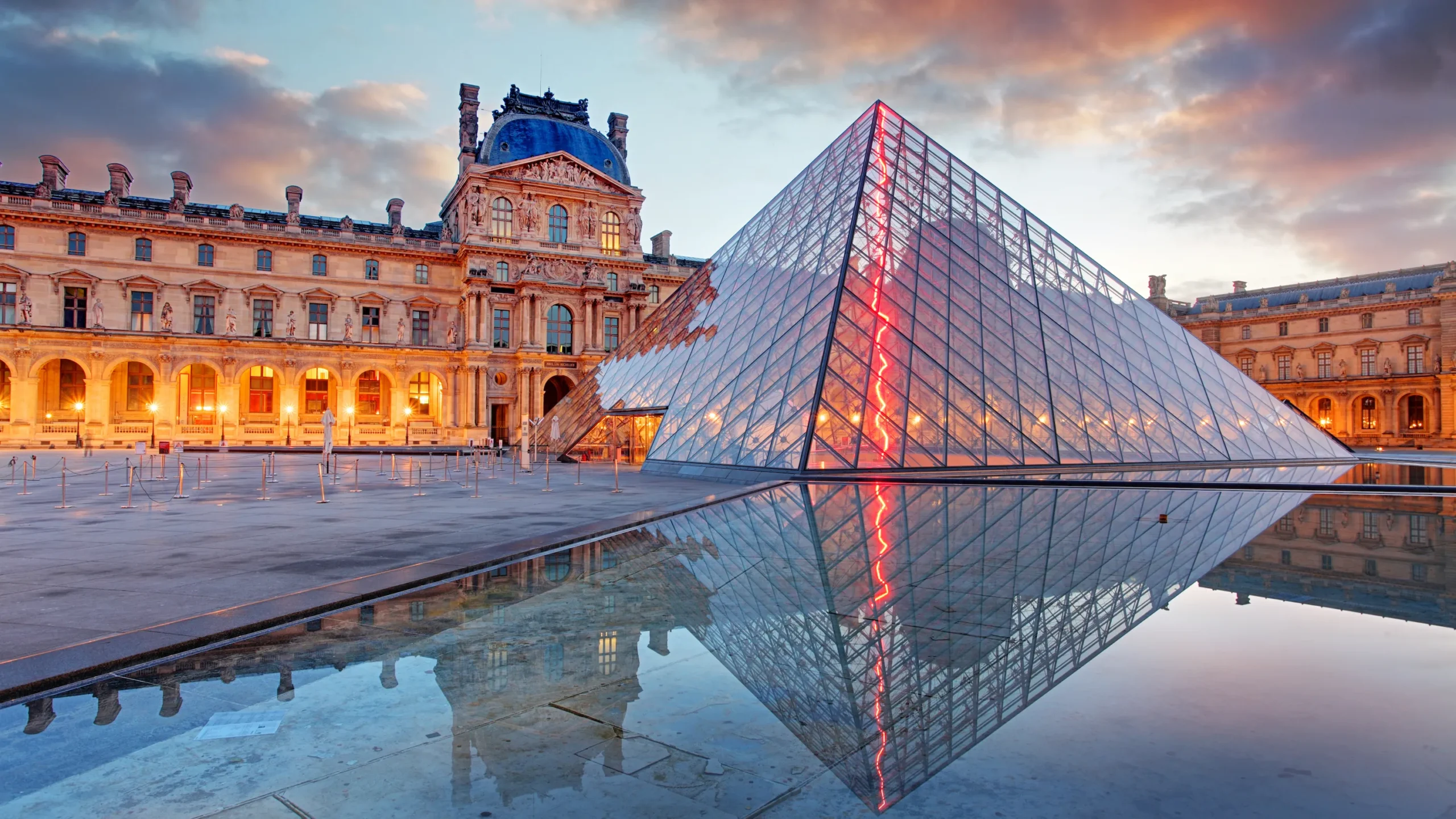
Table of Contents Show
Iconic buildings are structures whose design, engineering, and cultural weight lift them into the category of architectural masterpieces. From the Great Pyramid of Giza to the Burj Khalifa, these landmarks influence how architects think about form, material, and meaning, and they remain reference points for design across every era.
Architecture has been celebrated across human history, from ancient pyramids and cathedrals to modern skyscrapers and museums. The most iconic buildings, the ones we call masterpieces of architecture, have captured the imagination and outlasted the societies that built them. These great architectural buildings represent a high point of human creativity, engineering, and cultural expression. The examples below have inspired generations of designers, filled countless books about architecture, and continue to shape how we understand masterpiece architecture.
What Makes a Building a Masterpiece of Architecture?
A few qualities separate an ordinary structure from a true masterpiece. Masterpiece architects across history have shared a bold vision, an inventive use of materials and engineering, and the ability to create buildings that speak to people across cultures and centuries. According to the American Institute of Architects (AIA), great architectural buildings are defined not only by beauty but also by cultural significance, structural innovation, and lasting influence on the built environment. Classic architecture books, from Vitruvius’s De Architectura to modern titles like A Global History of Architecture, examine these qualities in depth and help readers see why certain structures endure as symbols of human achievement.
🎓 Expert Insight
“Architecture is the masterly, correct and magnificent play of masses brought together in light.” Le Corbusier, Towards a New Architecture (1923)
Le Corbusier’s definition captures why the buildings below still resonate. Each one treats mass, geometry, and light as the real subject of the design, not decoration added after the fact.
The Great Pyramid of Giza
The Great Pyramid of Giza is one of the most famous structures in the world and a defining masterpiece of architecture. Built roughly 4,500 years ago, it reflects the extraordinary skill of ancient Egyptian builders. The pyramid stands over 480 feet tall and contains more than 2 million stone blocks, each weighing about 2.5 tons on average. Its scale, precise geometry, and the construction methods behind it are what make it one of the most enduring iconic buildings ever raised. As the only surviving wonder of the ancient world, it remains one of the most studied great architectural buildings in any book of architecture or history. The nearby pyramid fields are protected today as part of a UNESCO World Heritage Site.
📌 Did You Know?
The Great Pyramid of Giza held the record as the tallest human-made structure on Earth for more than 3,800 years, until the central spire of Lincoln Cathedral in England finally surpassed it around 1311. No other building has held that title for anywhere near as long.

The Louvre Museum: A Masterpiece of Architecture Across Centuries
The Louvre Museum in Paris is one of the most iconic buildings in the world and home to some of history’s most famous artworks. Its architecture reflects a long history, having been built and rebuilt over the centuries by a series of monarchs and masterpiece architects. The most recognizable feature is the glass pyramid designed by Chinese-American architect I. M. Pei, which serves as the main entrance. That pyramid is made of 603 diamond-shaped glass panes and is flanked by three smaller pyramids, creating a sense of lightness and transparency that acts as a modern counterpoint to the historic palace around it. This meeting of old and new is analyzed in many classic architecture books as a landmark example of how contemporary design can respect and strengthen heritage structures. The Louvre shows that architectural masterpieces are not frozen in time; they evolve.

The Sagrada Familia: Gaudí’s Unfinished Masterpiece
The Sagrada Familia is a basilica in Barcelona, Spain, designed by the celebrated architect Antoni Gaudí. Construction began in 1882, and in 2026, the centenary of Gaudí’s death, the Tower of Jesus Christ is expected to be finished, making it the tallest church in the world at 172.5 meters. Decorative work on the façades and interior is expected to continue into the 2030s. The building is known for its towering spires, stained-glass windows, and natural forms, including tree-like columns and stone carvings that echo trunks and leaves. Gaudí’s approach to architecture and science, using catenary arches, ruled surfaces, and gravity-based structural models, has made the Sagrada Familia a case study in every serious book of architecture. It has become a symbol of Catalan identity and continues to inspire architects and designers worldwide.

💡 Pro Tip
When you study an iconic building, look past the famous exterior and trace how it handles daylight, circulation, and structure. Visiting at different hours, or reading the architect’s own drawings, often reveals design decisions that photographs flatten out completely.

The Sydney Opera House: Sculptural Masterpiece Architecture
The Sydney Opera House is a performing arts center in Sydney, Australia, designed by Danish architect Jørn Utzon. Its sail-like shells of concrete and steel sit against the backdrop of Sydney Harbour, and the building is widely regarded as one of the 20th century’s greatest achievements in architectural design. The white shells are built from a series of geometric forms derived from a single sphere, which gives the roofline its sense of fluidity and movement. Innovative methods and materials, including precast concrete and glazed ceramic tiles, add to the building’s distinct character. Utzon’s vision, and the difficult story of his resignation and later reconciliation with the project, appears in many classic architecture books as a lasting lesson about the tension between artistic ambition and practical constraints in architecture and art. The building was inscribed as a UNESCO World Heritage Site in 2007.

The Burj Khalifa: A Modern Masterpiece of Architecture
The Burj Khalifa is a skyscraper in Dubai, UAE, that rises to more than 828 meters, making it the tallest building in the world. Designed by the Chicago-based firm Skidmore, Owings & Merrill, it has a sleek, tapering profile and a Y-shaped floor plan inspired by the Hymenocallis flower. That plan is both elegant and practical, distributing wind loads efficiently across the tower’s enormous height. As one of the defining great architectural buildings of the 21st century, the Burj Khalifa pushed the limits of structural engineering and vertical construction. Its buttressed core structural system, developed by the engineer Fazlur Rahman Khan and refined by SOM, set the pattern for the supertall towers that followed.
Iconic Buildings and Their Architects at a Glance
The table below summarizes the buildings covered above, along with the architects behind them and the reason each one is considered iconic.
| Iconic Building | Architect | Year | Why It Is Iconic |
|---|---|---|---|
| Great Pyramid of Giza | Ancient Egyptian builders | c. 2560 BCE | Only surviving ancient wonder; precise stone engineering at vast scale |
| The Louvre glass pyramid | I. M. Pei | 1989 | Modern glass form in dialogue with a historic royal palace |
| Sagrada Familia | Antoni Gaudí | 1882 to ongoing | Nature-based forms and inventive structural geometry |
| Sydney Opera House | Jørn Utzon | 1973 | Sculptural shell roofs derived from a single sphere |
| Burj Khalifa | Skidmore, Owings & Merrill | 2010 | World’s tallest building; buttressed core structural system |
Beyond the Icons: Emerging Architectural Masterpieces
These are only a few of the many iconic buildings that have captured attention around the world. From ancient monuments to modern architectural skyscrapers, they reflect the creativity of architects across history. Predicting which recent buildings will be seen as masterpieces is hard, since that judgment usually needs the perspective of time and clear cultural or historical significance. Even so, several recent projects have earned strong critical acclaim. Structures such as the Dezeen-featured Museum of the Future in Dubai, the LUMA Arles tower by Frank Gehry, and Zaha Hadid’s Heydar Aliyev Center in Baku are strong candidates. Studying these alongside the classics, whether in a book of architecture or through site visits, deepens our understanding of what masterpiece architecture means and how it keeps changing in response to new materials, technologies, and cultural needs.
🏗️ Real-World Example
Heydar Aliyev Center (Baku, 2012): Zaha Hadid’s flowing, column-free shell dissolves the line between wall, roof, and ground into one continuous surface. It won the Design Museum’s Design of the Year in 2014, the first time a woman had received that award, which shows how quickly a contemporary building can enter the conversation about iconic architecture.
Recommended Architecture Books on Masterpiece Buildings
For readers who want to go further, several top architecture books offer in-depth analysis of the structures above and many more. Kenneth Frampton’s Modern Architecture: A Critical History, Nikolaus Pevsner’s An Outline of European Architecture, and Witold Rybczynski’s The Look of Architecture are essential reading for anyone studying architectural masterpieces. These texts show how masterpiece architects balance aesthetics, structure, and cultural meaning to create buildings that outlast their era. Looking at the future of architecture also hints at how new tools may produce the masterpieces of tomorrow.
The buildings on this list span more than four thousand years, yet they share a stubborn refusal to be ordinary. What turns a structure into one of the world’s iconic buildings is rarely size or budget alone, it is the clarity of a single idea carried through every detail. The next masterpiece may already be under construction, waiting for time to confirm what its architect suspected all along.


1 Comment




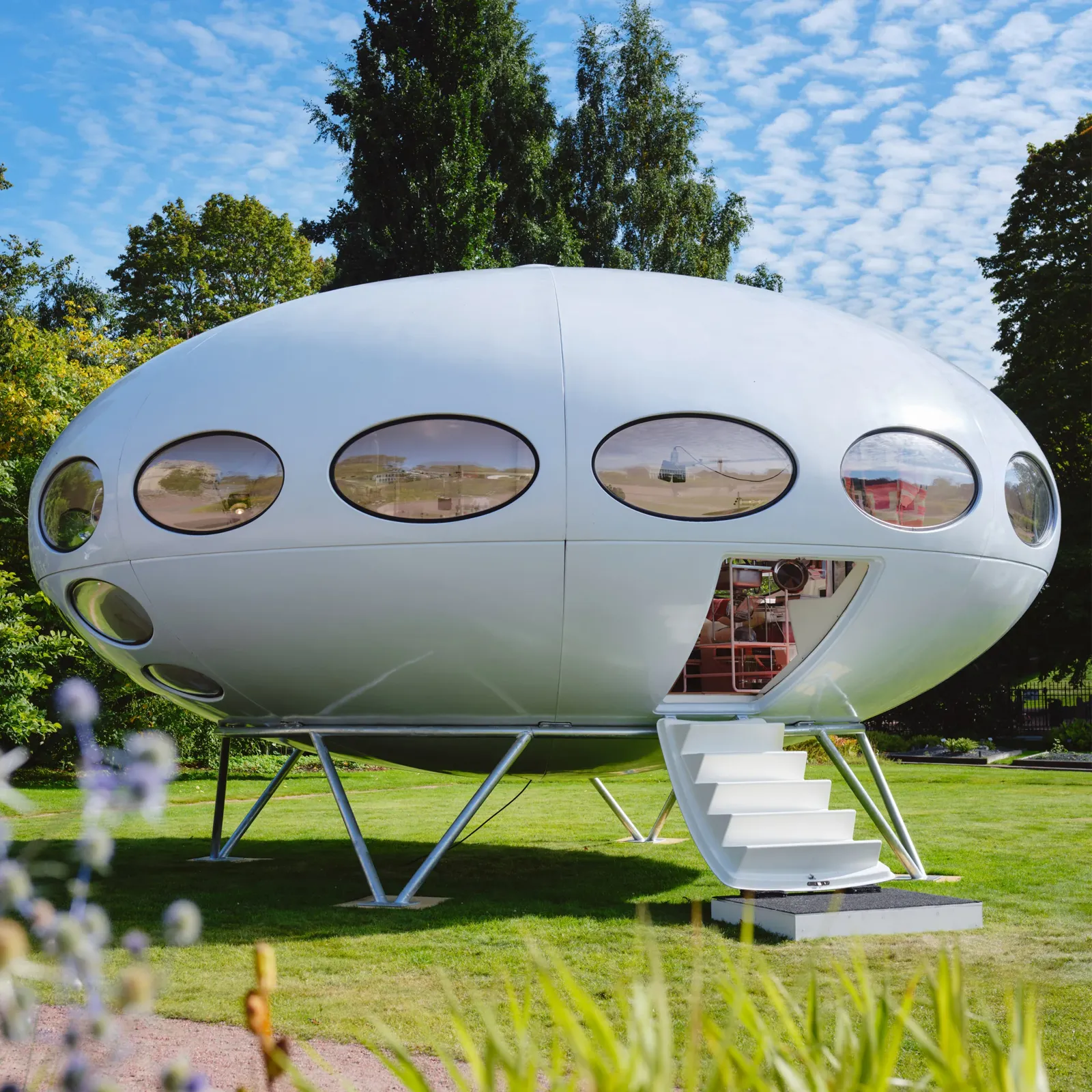
Futuro House Production Revived in Finland After Decades-Long Hiatus
A Facebook listing for abandoned moulds led to the first new Futuro...
 illustrarch Editoral Team3 Mins read

Building Your Dream Home in NSW: What You Should Know About Montgomery Homes
Montgomery Homes has been building across Sydney, Newcastle, the Hunter, Wollongong and...
illustrarch Editoral Team4 Mins read

Designing a Home Theater: Where Drapery Fits Into the Plan
In a media room the curtains are a performance layer, not decoration....
illustrarch Editoral Team3 Mins read
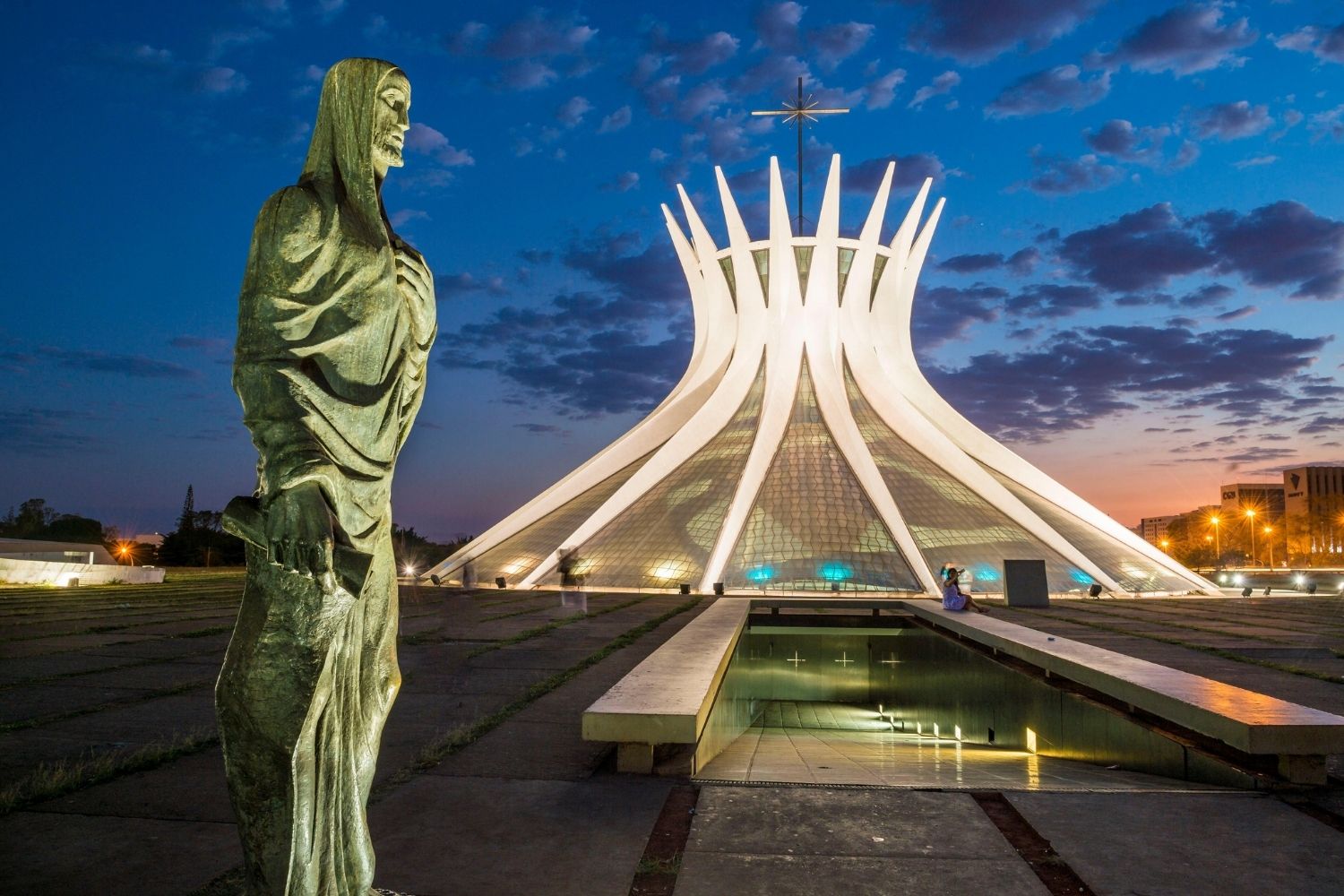
Oscar Niemeyer’s Cathedral of Brasília: The Hyperboloid Concrete Hymn
The Cathedral of Brasília reads as a single gesture, yet it stood...
 Furkan Sen7 Mins read


Project has achieved high quality facade works and highest level of Green ratings for energy efficiency. BES team has developed bespoke facades with reveal details integrated with LED lighted features.