

Concept Ideas for Interior Design – 10+ Unique Examples
Interior design concepts are the foundation of meaningful and memorable spaces. This article explores original interior design ideas, from cultural fusion to sensory-focused environments, that push beyond conventional trends and inspire designers to think creatively. These concepts encourage emotional connection, functional innovation, and strong spatial identity in interior projects.
 Elif Ayse Sen23 November 202515 Mins read2k
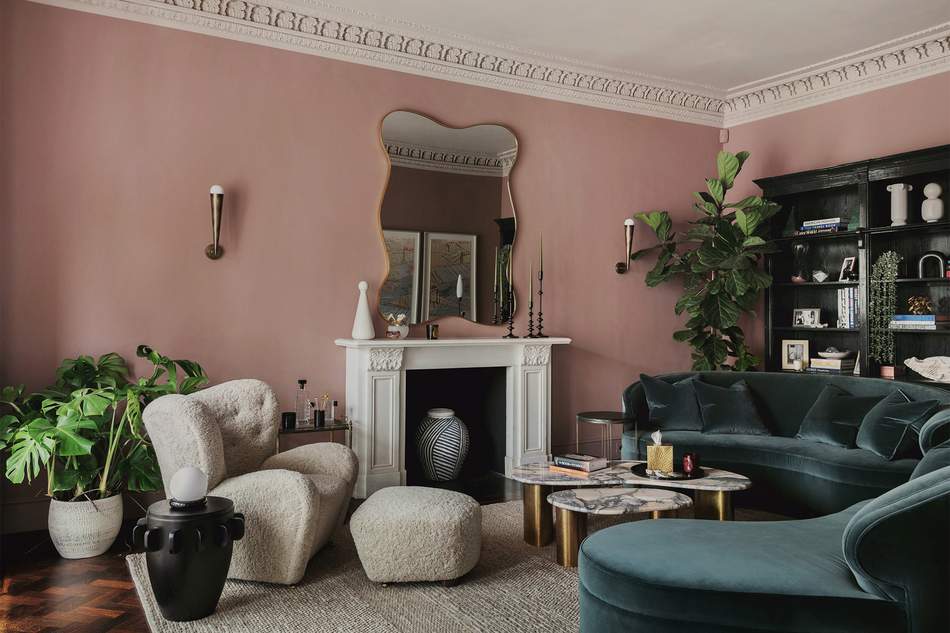
Table of Contents Show
Quick Answer: An interior design concept is the guiding idea that unifies a space’s mood, materials, colours and layout. Strong concepts, such as minimalism, biophilic, industrial, Japandi or mid-century, give a room a clear identity and direction. A good concept connects the client’s needs and the space’s function with a consistent visual story.
Concept ideas for interior design are the thematic foundations that guide every decision in a space, from material selection and color palettes to furniture placement and spatial flow. Whether you are developing a fresh concept or refining an existing one, strong design concepts produce rooms that feel cohesive, emotionally engaging, and uniquely personal. This guide covers 12+ original concepts with practical examples for 2025 and 2026.
Interior design goes well beyond choosing furniture and paint colors. At its core, the discipline is about building a clear vision, a concept, that ties every element together. Whether you are exploring a fresh concept for interior design or refining an existing interior design concept, understanding the principles behind great interior concepts is essential. While approaches like biophilic architecture have gained popularity, exploring fresh and original concept ideas pushes the boundaries of creativity and creates spaces that truly inspire.
In this updated guide for 2025 and 2026, we explore concept ideas for interior design that go beyond conventional approaches. These conceptual ideas spark innovation and ignite designer imagination. By embracing original interior design concepts, designers create environments that evoke emotions, stimulate the senses, and leave lasting impressions. If you are looking for ideas for interior design that combine creativity with practicality, these concepts serve as excellent starting points.
From cultural fusion to futuristic minimalism, each concept explores a distinct theme. We will uncover the essence of these concepts in interior design, highlighting key elements and showing how they create captivating interior spaces. By embracing these innovative ideas and concepts, designers create remarkable environments that reflect individuality and establish strong connections between occupants and their surroundings.

What Is an Interior Design Concept? Understanding the Foundation
An interior design concept is the overarching theme guiding every decision, from materials and color palettes to furniture and spatial layout. A strong design concept in interior design ensures cohesion across all choices. Think of it as the DNA of a room: every surface, object, and color should trace back to a single, clearly defined idea.
For those seeking interior design concept statement examples, articulate what mood and aesthetic the space should communicate. For instance: “This living room uses natural stone and linen textiles to create a Mediterranean-inspired retreat.” Understanding interior decoration concepts means recognizing how ideas and concepts become tangible through research, mood boards, and a clear design concept sample aligned with the design process. According to the Britannica entry on interior design, a successful interior must be cohesive within each area and as a totality, always relating back to the underlying architectural concept.
💡 Pro Tip
Before choosing any finishes or furniture, write a single sentence that captures your concept. Experienced designers call this a “concept anchor.” If a new material or piece of furniture does not connect back to that sentence, it probably does not belong in the space. This simple test prevents scope creep and keeps your project focused.
Cultural Fusion: A Creative Interior Design Idea Celebrating Diversity
Cultural Fusion is a design concept example that blends elements from different cultures to celebrate diversity and create a unique interior design space. Incorporate traditional patterns, textiles, and artifacts from various regions around the world to tell a story and foster cross-cultural connections. This concept idea is among the most popular approaches trending in 2025 and 2026, as homeowners increasingly seek spaces that reflect global influences.
In practice, cultural fusion might combine Moroccan tile patterns with Japanese minimalist furniture, or pair African mud cloth textiles with Scandinavian wood tones. This approach shows how creative interior design ideas can produce spaces with genuine character and emotional depth. When sourcing cultural elements, prioritize artisan-made pieces from fair-trade cooperatives, which support local craft traditions while adding authenticity to your interior.
Urban Oasis: Bringing Nature into Modern Interior Concepts
The Urban Oasis interior concept brings elements of nature and tranquility into bustling city environments. Incorporate indoor gardens, cascading water features, and natural materials to create a calming retreat from the urban hustle and bustle. This design concept for interior design draws from biophilic design principles, which emphasize the human need for connection with nature. By integrating living walls, potted trees, and water elements, designers create interior architecture design ideas that reduce stress and improve air quality, one of the most impactful house interior design ideas for apartment dwellers.
Research from the biophilic design in architecture field shows that exposure to natural elements can lower blood pressure and reduce cortisol levels. For city apartments where outdoor space is limited, vertical gardens and tabletop water features deliver measurable benefits without requiring a large footprint. Materials like reclaimed wood, natural stone, and handwoven jute add to the organic character of an urban oasis space.
📌 Did You Know?
A 2020 study published in the journal Environment International found that indoor plants can reduce perceived stress by up to 37% in office environments. In residential settings, even a single living wall panel has been shown to lower background noise levels by 8 to 10 decibels while filtering volatile organic compounds from the air.
Timeless Elegance: Elegant Unique Design Concepts for Lasting Impact
Embrace the Timeless Elegance concept, one of the most sought-after elegant unique design concepts, that combines classic and contemporary elements. Incorporate luxurious materials such as marble, velvet, and brass accents with clean lines and modern furnishings to create a sophisticated and enduring design. Additionally, integrating wainscoting can add depth and architectural interest, bridging traditional charm with modern aesthetics.
This interior design concept sample demonstrates how blending heritage elements with modern sensibilities produces spaces that never go out of style. According to ArchDaily, the trend toward “quiet luxury” in 2025 and 2026 reflects a renewed interest in timeless design. Whether applied to a living room or entire residence, timeless elegance remains one of the most powerful examples of interior design concepts. To achieve this look, focus on a restrained color palette of cream, charcoal, and gold, then layer in richly textured fabrics for warmth.
Artistic Expression: Creative Interior Ideas That Celebrate Art
Artistic Expression is a conceptual idea that celebrates art in all its forms. Curate a space where artwork takes center stage, whether it’s paintings, sculptures, or installations. Design the space to be a dynamic gallery, showing various artists and encouraging creative expression. This is among the most exciting creative interior ideas for those who want their home to double as a personal gallery.
When developing this design concept example for interior design, consider how lighting, wall treatments, and furniture placement can support the art rather than compete with it. Interior design concept art can extend beyond traditional paintings to include digital projections, sculptural furniture, and architectural installations that blur the line between art and functional design. For proper art display, use gallery-grade LED lights with a color rendering index (CRI) above 90 and keep walls in neutral tones so artwork remains the visual anchor.

Industrial Chic: A Bold Concepts Design Approach
Industrial Chic embraces the raw and edgy aesthetic of industrial design by exposing architectural elements such as brick walls, concrete floors, and metal structures. Combine it with vintage furniture, soft textiles, and warm lighting for a harmonious blend of industrial and cozy elements. This concepts design approach has endured as one of the most recognizable interior design concepts examples in both residential and commercial settings.
As a design concepts example, industrial chic works particularly well in loft apartments and open-plan spaces where exposed infrastructure becomes a feature. The key lies in balancing rawness with comfort: a steel beam ceiling paired with a plush velvet sofa creates a unique design interior that feels both authentic and inviting. To avoid a space that feels too cold, introduce warm metals like copper and brass alongside soft throws and area rugs in earthy tones.
⚠️ Common Mistake to Avoid
Many homeowners go overboard with the industrial look by leaving too many raw surfaces exposed at once. Bare concrete, exposed ductwork, and unfinished brick on every wall can make a room feel like an unfinished construction site. Limit raw surfaces to one or two focal features and balance them with warm textiles, layered lighting, and organic materials like wood and leather.
Futuristic Minimalism: A Modern Design Concept for Tomorrow’s Spaces
Futuristic Minimalism is a modern design concept that explores sleek lines, minimalist aesthetics, and innovative technology. Incorporate smart home features, hidden storage solutions, and clean, uncluttered spaces to achieve a futuristic and functional design. This concept for interior design represents the intersection of technology and aesthetics.
In 2025 and 2026, futuristic minimalism has evolved to include wellness-focused technology such as circadian lighting systems and smart glass that adjusts transparency. When exploring interior design and ideas with a futuristic edge, consider how key elements of modern interior design can be pushed further through automation. This is one of the most compelling interior design concepts for tech-savvy homeowners. Smart thermostats, voice-activated lighting, and motorized window shading are practical starting points that deliver both comfort and energy savings.
Whimsical Wonderland: Unique Interior Design Ideas Full of Imagination
The Whimsical Wonderland concept delivers some of the most unique interior design ideas by designing a space inspired by fairy tales and magical realms. Play with vibrant colors, whimsical patterns, and unconventional furniture shapes. Incorporate hanging chairs, hidden nooks, and imaginative lighting for an enchanting, playful atmosphere.
This concept idea works beautifully for children’s rooms, creative studios, and hospitality spaces. Unique interior ideas like curved doorways, tree-shaped bookshelves, and color-changing LED ceilings transform ordinary rooms into extraordinary environments. For designers seeking cool interior ideas that break from convention, the whimsical wonderland provides endless inspiration. When designing for adults, scale back the saturated colors slightly and opt for jewel tones like emerald, sapphire, and amethyst to keep the playfulness sophisticated.
Coastal Retreat: Serene Interior Suggestions for Relaxation
The Coastal Retreat concept embraces the coastal theme by creating a relaxing and serene retreat. Incorporate natural textures, light and airy color palettes, and nautical-inspired accents to evoke tranquility and beachside bliss. This remains one of the top interior suggestions for homeowners seeking a calming environment.
In 2026, the coastal concept is evolving beyond the traditional “beach house” look. Designers incorporate weathered teak, handwoven seagrass, and soft blue-green tones alongside contemporary furniture to create sophisticated ideas for interior spaces that align with the broader movement toward sustainable, tactile interiors. Natural fiber rugs, driftwood accents, and linen slipcovers add authenticity. For a modern take, pair whitewashed wood with polished concrete and matte black hardware.
Retro Revival: Conceptual Ideas Examples from Decades Past
Retro Revival transports your design concept back in time with a retro-inspired theme. Incorporate vintage furniture, bold patterns, and vibrant colors from different eras to create a nostalgic and funky ambiance. As one of the most popular conceptual ideas examples, retro revival shows how the past can inform fresh, contemporary design.

Recently, mauve and other ’80s-inspired hues are making a sophisticated comeback. By blending retro color palettes with modern silhouettes and sustainable materials, designers create concept ideas examples that feel both nostalgic and forward-thinking. Great ideas for interior design can come from looking backward as much as ahead. In 2026, expect to see terrazzo surfaces, arched mirrors, and rounded furniture shapes inspired by the 1970s paired with contemporary fabrics and finishes.
Sensory Sanctuary: An Immersive Interior Design Concept
The Sensory Sanctuary is an interior design concept that stimulates the senses and focuses on creating an immersive experience. Incorporate elements such as soft lighting, soothing sounds, aromatic scents, and tactile materials to engage all senses and promote relaxation and well-being. This approach to interior concepts design is especially relevant as wellness-driven design continues to shape interior design and ideas in 2026.
Sensory design goes beyond visual aesthetics to create holistic experiences: acoustic panels for sound management, diffused essential oils, and fabrics with varied textures. This is one of the most impactful concepts in interior design for spaces that actively support well-being. For further exploration, see the American Institute of Architects (AIA) resources on wellness architecture. The WELL Building Standard offers a science-backed framework for designing spaces that improve air quality, thermal comfort, and acoustic performance.
🎓 Expert Insight
“Good design is not about how a space looks. It is about how it makes you feel.”
Ilse Crawford, Interior Designer and Founder of Studioilse
Crawford’s philosophy aligns closely with the sensory sanctuary concept. By prioritizing tactile materials, warm lighting, and human-scale proportions, designers can create rooms that support emotional balance and physical comfort, not just visual appeal.
Japandi: Where Japanese Minimalism Meets Scandinavian Warmth
Japandi has emerged as one of the most influential concept ideas for interior design in recent years. This style fuses the clean simplicity of Japanese aesthetics with the cozy warmth of Scandinavian design, producing spaces that feel calm, purposeful, and deeply inviting. The result is a balanced interior that avoids both the starkness of pure minimalism and the heaviness of overly decorated rooms.
Key elements of Japandi interiors include natural wood in light to medium tones (particularly oak and ash), handmade ceramics, low-profile furniture, and a muted palette of beige, soft gray, sage green, and charcoal. Plants are used sparingly, following the Japanese concept of “ma” (negative space) rather than filling every corner. Functionality drives every choice, and objects that do not serve a clear purpose are removed. For those interested in this intersection of cultures, see how modern interior architecture has evolved to embrace cross-cultural design philosophies.
Grandmillennial Style: Traditional Charm with a Modern Twist
Grandmillennial style, sometimes called “granny chic,” is a concept that embraces traditional design elements typically associated with older generations: chintz fabrics, ruffled lampshades, scalloped edges, floral wallpapers, and antique furniture. What makes it fresh for 2026 is the way younger designers mix these classic pieces with contemporary layouts, modern art, and updated color palettes.
This concept works well in living rooms, bedrooms, and dining spaces where comfort and personality matter most. Pair a vintage floral armchair with a modern glass coffee table, or hang patterned wallpaper on a single accent wall while keeping the rest of the room minimal. The contrast between traditional details and clean lines creates a space that feels collected, warm, and full of character. According to style forecasters, this movement reflects a broader desire for homes that feel personal rather than performative, with 2026 furniture trends supporting the blend of old and new.
💡 Pro Tip
When mixing vintage and modern pieces, use a consistent color thread to tie the room together. Pick two or three colors from your most prominent vintage piece (a rug, a chair, or wallpaper) and repeat those tones in modern accessories like cushions, vases, or art prints. This creates visual unity without making everything match perfectly.
How to Write an Interior Design Concept Statement
A concept statement is a brief written description that captures the vision, mood, and direction of your interior design project. Writing one before you start selecting materials or furniture keeps your decisions aligned and prevents the project from losing focus halfway through.
Follow these steps to build a strong concept statement:
Step 1: Define the purpose. Ask who will use the space and how. A family living room has different requirements than a home office or a hospitality lounge.
Step 2: Choose an emotional anchor. Identify how the space should feel when someone walks in. Words like “calm,” “energizing,” “intimate,” or “dramatic” help narrow your direction.
Step 3: Select a material and color direction. Reference specific materials (natural oak, polished marble, raw concrete) and colors (warm sand tones, deep navy, muted olive) that support the emotion you described.
Step 4: Write one to three sentences. Combine the purpose, emotion, and material direction into a concise statement. For example: “This home library will use dark walnut paneling, leather seating, and warm brass lighting to create an intimate, scholarly atmosphere that encourages reading and quiet conversation.”
Step 5: Test every decision against it. As you progress through the project, ask whether each new element supports the concept statement. If it does not, reconsider the choice. For more guidance on the design process, read our article on the journey of an interior design project.
How to Develop Your Own Interior Design Concept
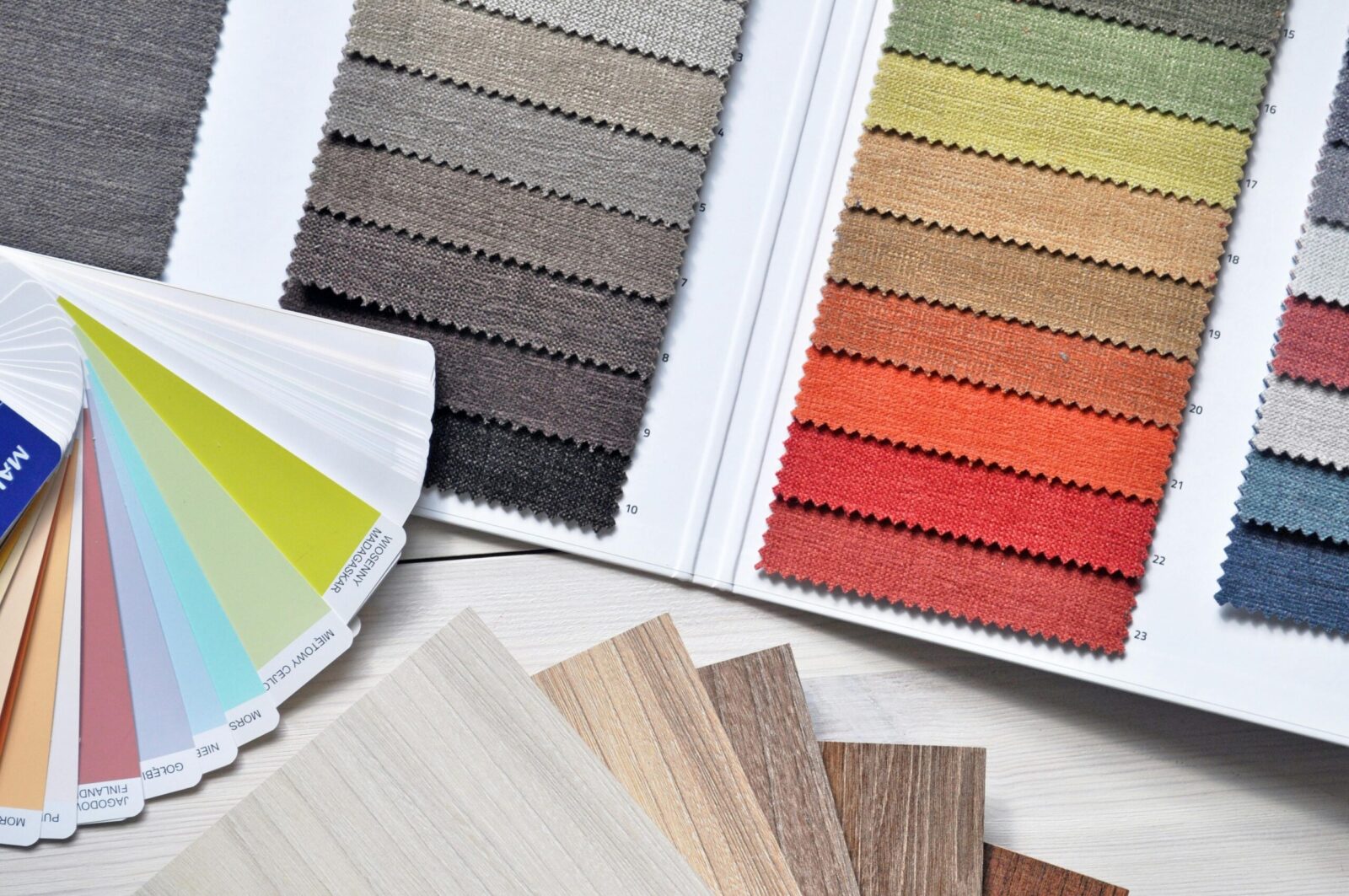
Developing an example design concept begins with research and inspiration gathering. Create mood boards combining material samples, color swatches, and reference images, then distill into a clear concept statement, the foundation of any design concept sample. Examine design concept interior design examples from established firms, study how different design styles work, and adapt principles to your context. For guidance, explore our guide on finding your personal interior design concept.
Start by collecting 20 to 30 images that resonate with you, then look for recurring themes: are you drawn to warm wood tones? Clean white surfaces? Bold color contrasts? These patterns reveal your natural aesthetic preferences. From there, create a physical or digital mood board, grouping images by color, texture, and spatial feel. Tools like Pinterest boards or physical collage boards both work well for this exercise.
These concept interiors can serve as a starting point for your design process, adaptable to the specific requirements and preferences of your clients. Through this exploration of original concept ideas for interior design, we aim to inspire designers to think outside the box and embark on a creative journey. By embracing these interior design concepts, designers transform spaces into immersive, functional, and visually stunning experiences.

Interior Design Concept Ideas for 2025-2026: What’s New
The latest interior design trends continue to shape how we approach concepts design and spatial planning. In 2025 and 2026, layered textures and moody color palettes, particularly deep earth tones like terracotta, olive, and chocolate brown, are replacing all-white minimalism. Curved furniture, modular lighting, and handcrafted materials reflect a desire for spaces that feel collected rather than curated, offering fresh interior design unique approaches.
Several additional shifts are defining the 2026 landscape. Warm minimalism, which softens clean lines with organic textures and earthy neutrals, has become a dominant style in both American and European homes. Natural materials like plaster, stone, and unlacquered brass are replacing synthetic alternatives. Mixed wood tones, where lighter oak pairs with deeper walnut, add visual interest without requiring bold color. Meanwhile, color theory principles are being applied more intentionally, with designers using tonal layering to create depth within a single color family.
For designers looking for interior design and ideas that resonate with current sensibilities, consider integrating these trends into existing frameworks. The cultural fusion concept gains new depth with 2026’s emphasis on artisanal textiles, while futuristic minimalism evolves with algorithmic ergonomics and smart wellness technology championed by forward-thinking design firms. The International Interior Design Association (IIDA) highlights that 2026 marks a shift toward interiors that prioritize human experience over visual trends alone.
✅ Key Takeaways
- A strong interior design concept acts as a guiding theme that unifies every choice in a space, from materials and colors to furniture and layout.
- Concepts like cultural fusion, urban oasis, Japandi, and sensory sanctuary go beyond aesthetics to create emotionally engaging environments.
- Writing a clear concept statement before selecting materials keeps your project focused and prevents inconsistent decisions.
- The 2025-2026 design landscape favors warm minimalism, layered textures, earthy color palettes, and handcrafted materials over sterile, trend-driven interiors.
- Mood boards, material samples, and iterative testing are practical tools for developing a concept that fits your personal or client preferences.
Frequently Asked Questions
What are the 7 concepts of interior design?
The seven foundational concepts (often called principles) of interior design are balance, rhythm, emphasis, proportion and scale, contrast, unity, and details. These principles guide how designers arrange elements within a space to achieve visual harmony and functional comfort. Each concept works together: balance ensures no single element dominates, rhythm creates visual flow through repetition or progression, and emphasis directs attention to a focal point.
How do I choose the right interior design concept for my home?
Start by identifying how you want your space to feel and how you use it daily. Collect images that attract you and look for patterns in color, texture, and spatial arrangement. Write a short concept statement and test potential design choices against it. Consider your home’s architectural style, natural lighting, and your lifestyle needs. A concept that aligns with all three will produce the most cohesive and satisfying result.
What is the difference between an interior design concept and a style?
A concept is the underlying idea or theme that drives design decisions for a specific project, such as “urban retreat inspired by Japanese gardens.” A style, like mid-century modern or Scandinavian, refers to a recognized set of aesthetic conventions with consistent characteristics. You can apply multiple styles within one concept, or use a single style as the basis for your concept. The concept is project-specific, while the style is a broader category.
What is the most popular interior design concept for 2026?
Warm minimalism is widely considered the dominant interior design concept in 2026. It balances clean, simple forms with natural textures, earthy tones, and organic materials like wood, linen, and stone. Unlike the stark minimalism of previous years, warm minimalism invites comfort and emotional connection while maintaining an uncluttered aesthetic. For a detailed look at current directions, see our guide to interior design trends 2026.
Can I combine multiple interior design concepts in one space?
Yes, combining concepts is common and often produces the most interesting results. The key is choosing concepts that share at least one connecting element, whether that is a material, a color range, or an underlying philosophy. For example, Japandi and sensory sanctuary both prioritize natural materials and calm atmospheres, making them easy to blend. Avoid mixing concepts with directly opposing aesthetics (such as industrial chic and whimsical wonderland) in the same room unless you have a strong unifying strategy.
Related Guides
- Color Forecast 2026: Tile Palettes Influencing International Design
- Porcelain vs Ceramic Tiles: Which One Should Architects Specify?
- The Impact of Japanese Minimalism on Global Tile Aesthetics
- Mediterranean Tile Patterns: Why They Are Returning Worldwide
More Related Guides
- What Do Architects Wear
- 7 Small Kitchen Window Treatment Ideas
- What Are Steel Homes Exploring Modern Architectural Trends
- Discover Exotic Home Decor Trends In The Usa
- Bathroom Wallpaper Ideas
- Upcycled Materials In Furniture Innovation
- Interior Design Guide For Pet Lovers
- How To Blend Aesthetics With Practicality Home Design
- The Role Of Flexible Interiors In Modern Living
- Guide To Innovative Sauna Architecture
Frequently Asked Questions
It is the guiding idea that unifies a space’s mood, materials, colours and layout into a clear direction.
Minimalist, biophilic, industrial, Japandi and mid-century are popular concepts, each with a distinct look and feel.
Start from the client’s needs and the space’s function, then pick a concept whose mood and materials support both.
Last updated:


1 Comment



Interior Design for Commercial Spaces: Enhancing Functionality and Brand Identity
Commercial interior design has to serve brand, function and regulation at once....
 Begum Gumusel4 Mins read
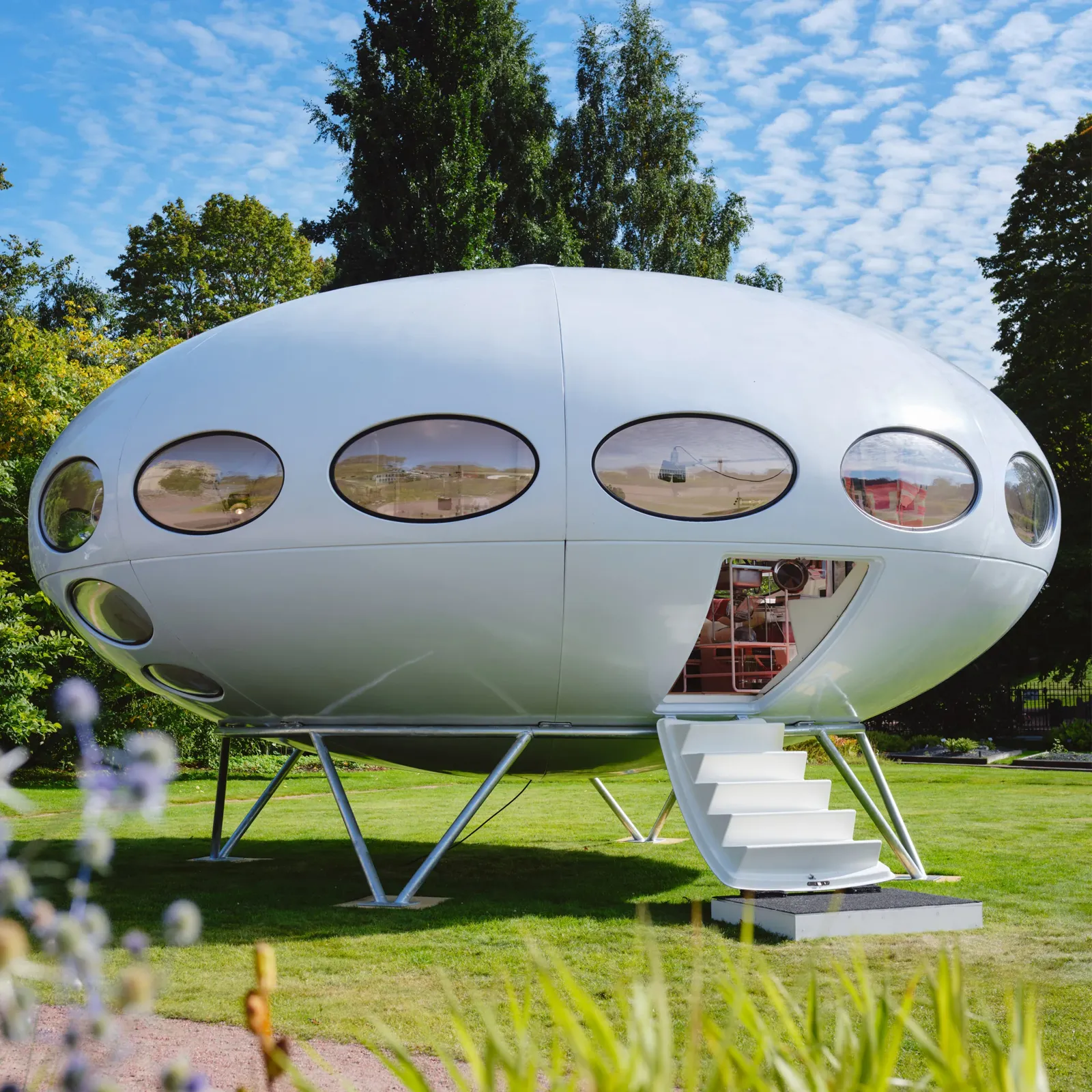
Futuro House Production Revived in Finland After Decades-Long Hiatus
A Facebook listing for abandoned moulds led to the first new Futuro...
 illustrarch Editoral Team3 Mins read
Electrical planning as part of better home design
Table of Contents Show Good rooms need electrical thinking from the sketch...
illustrarch Editoral Team4 Mins read

Why Open Floor Plans Still Have Hot and Cold Spots
You knock down the partition walls, open up sightlines from the kitchen...
illustrarch Editoral Team4 Mins read


This article just feels like a bunch of buzzwords thrown together. Concepts like ‘Cultural Fusion’ sound nice, but how practical are they really? Mixing Moroccan tiles with Japanese furniture doesn’t seem like it would work well in the real world. Plus, who has the time or money to curate all those different styles? It’s unrealistic for most people.