

Multifunctional Furniture for Small Spaces: 8 Space-Saving Picks
Small homes need furniture that does more than one job. See the best multifunctional furniture for small spaces, from sofa beds and Murphy beds to lift-top tables, with a comparison table and practical buying tips.
 Elif Ayse Sen20 October 20236 Mins read506
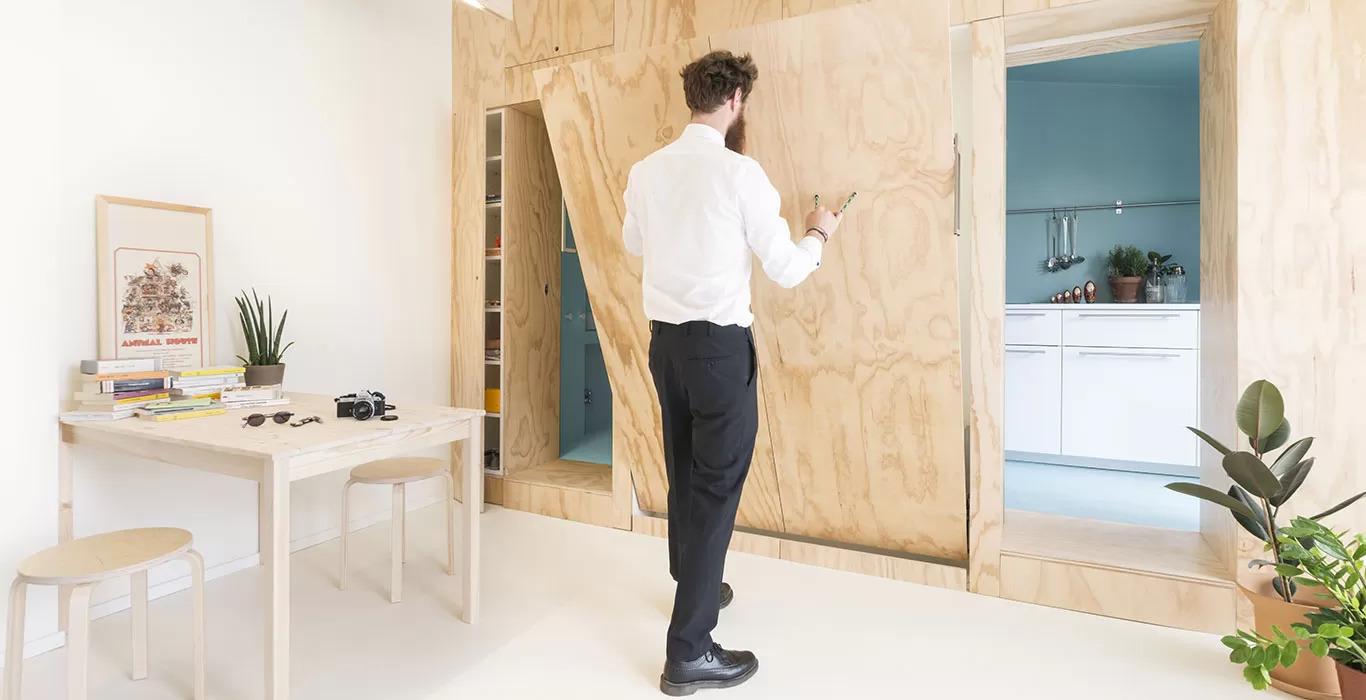
Table of Contents Show
Multifunctional furniture for small spaces solves one problem better than anything else: it lets a single square foot do two or three jobs at once. A sofa becomes a bed, a coffee table lifts into a desk, an ottoman hides winter blankets. In a compact home, that flexibility is what keeps rooms livable, tidy, and genuinely comfortable.
Compact living rewards planning. Light color palettes such as whites and pastels visually expand a room, and vertical storage with floating shelves or tall bookcases adds height and function. Open floor plans let rooms flow into one another, and a quiet corner can double as a mini-office. The real work, though, happens at the furniture level, where the right pieces decide whether a small house feels cramped or calm.
Why Multifunctional Furniture Works in Small Spaces
Multifunctional furniture is a direct response to shrinking homes and rising housing costs, not a passing trend. As apartments and houses get smaller, buyers want pieces that serve more than one purpose, cut clutter, and make every room work harder. A studio dweller who hosts guests, a remote worker without a spare room, and a young family in a two-bedroom flat all face the same math: too many needs, not enough floor.
Space-saving furniture answers that math by folding storage, sleeping, dining, and working functions into single objects. The payoff is not only tidier rooms. Fewer, smarter pieces also read as calmer to the eye, since visual clutter shrinks when a wall bed disappears by day or a table collapses to half its size between meals.
📌 Did You Know?
The fold-away wall bed was patented by William Lawrence Murphy in San Francisco in the early 1900s. He reportedly invented it to reclaim floor space in his one-room apartment, and the “Murphy bed” name stuck for the entire category of tilt-away beds that followed.
🔢 Quick Numbers
- The median size of a new single-family home in the United States fell to about 2,233 square feet in 2023, down from a 2015 peak near 2,467 square feet (US Census Bureau, Characteristics of New Housing).
- The average newly built US apartment measured roughly 916 square feet in 2023 (RentCafe analysis of Yardi Matrix data).
- A rising share of prospective buyers say they would accept a smaller home to keep costs manageable (National Association of Home Builders buyer surveys).
The Best Multifunctional Furniture for Small Spaces
Some pieces earn their place in a small house more reliably than others. The list below covers the categories that give back the most floor area for the money, followed by a quick reference table you can scan before you shop.
- Sofa beds: The modern sofa bed has improved sharply in comfort and looks, with slim gel foam mattresses and clean-lined frames. It suits anyone who hosts overnight guests but has no separate guest room.
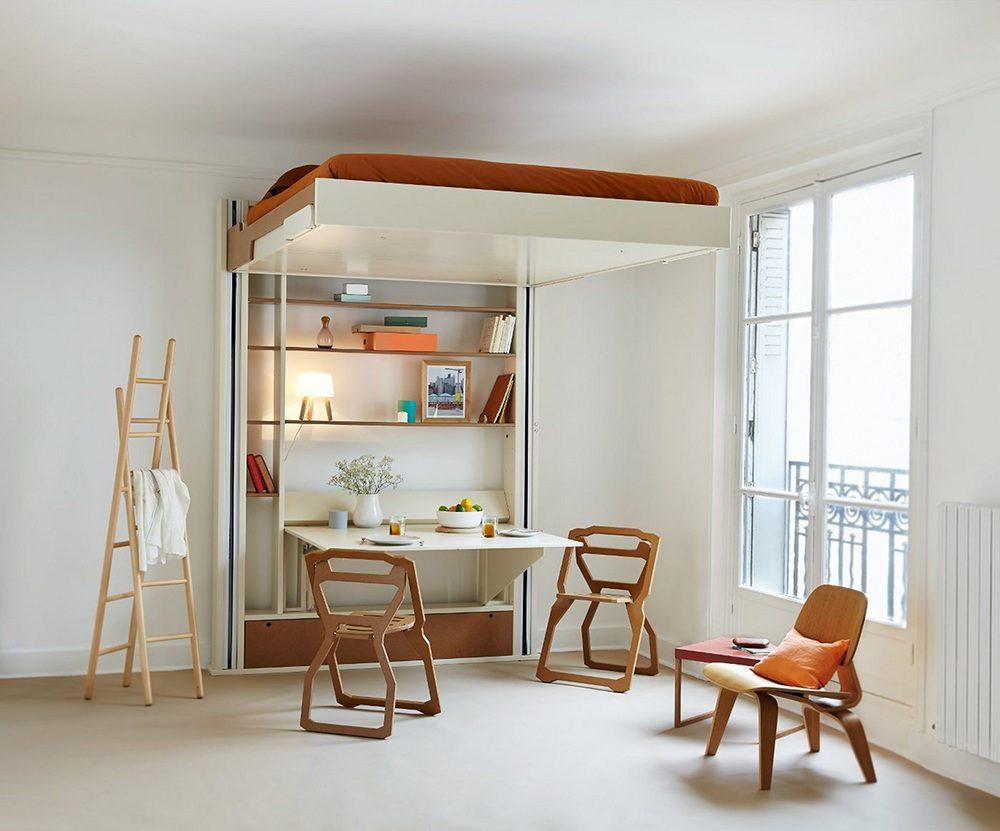
- Murphy and wall beds: A tilt-away bed frees the entire footprint of a mattress during the day, turning a bedroom into a home gym, studio, or office. Many now integrate a desk or shelving that stays level as the bed folds up.
- Lift-top coffee tables: These raise a panel to laptop height, giving you a work surface and a place to eat, plus hidden storage underneath for remotes, chargers, and magazines.
- Expandable dining tables: Built for people who love hosting but are short on space, these shift from a table for two to a full dinner setting with a fold-out or drop-in leaf.
- Nesting tables: A set of two or three tables slides together into one footprint, then spreads out when friends arrive and everyone needs somewhere to set a glass.
- Storage ottomans: Footrests at a glance, but the lids lift to reveal room for blankets, books, or board games, keeping essentials out of sight.
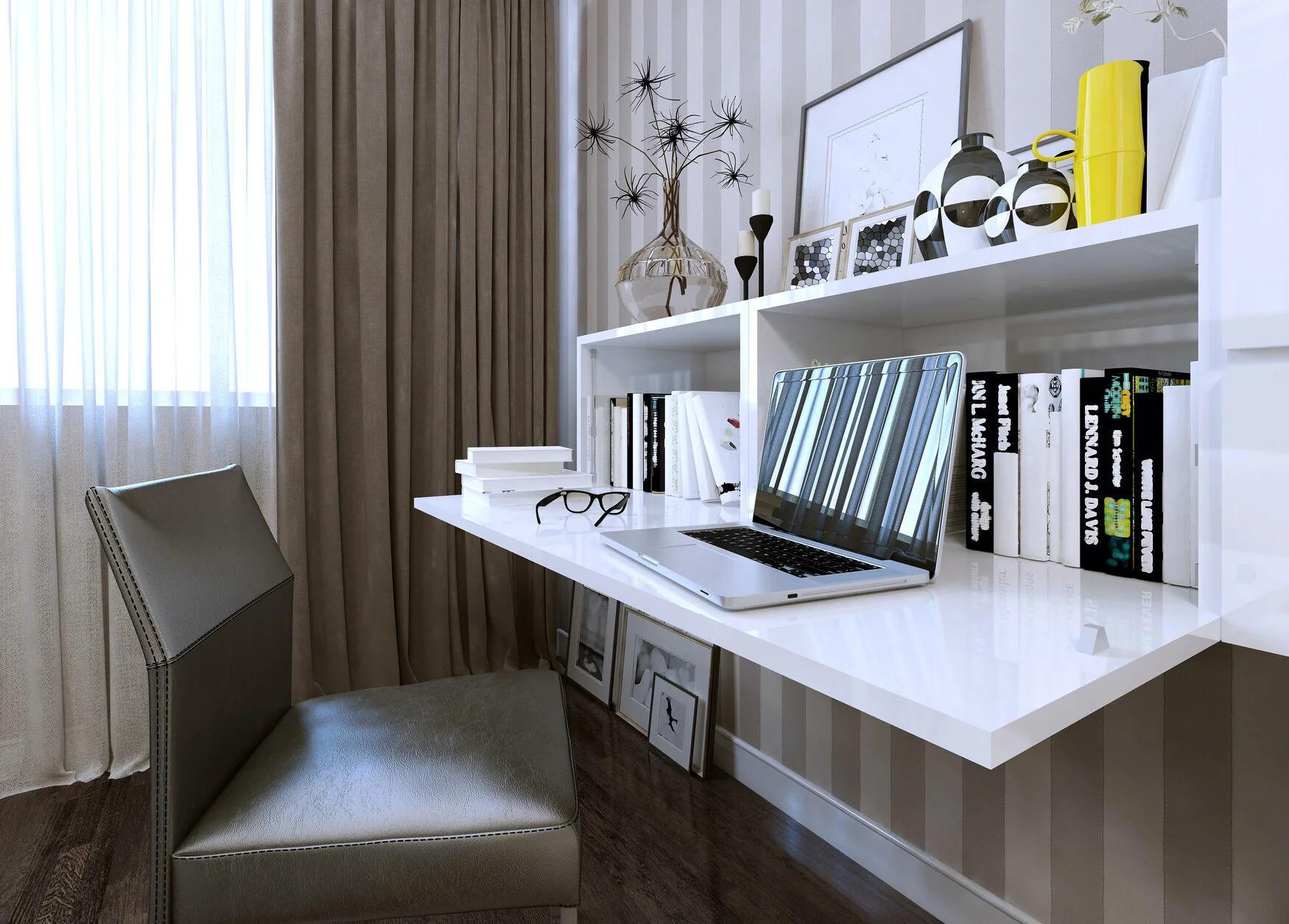
- Wall-mounted and fold-down desks: A shallow desk that folds flat against the wall gives remote workers a dedicated station that vanishes at the end of the day.
- Convertible chairs: Chairs that unfold into a single bed or lounger handle the surprise guest without a second piece of furniture.
Quick Comparison of Popular Space-Saving Pieces
The table below matches each furniture type to its core function and the situation it fits best.
| Furniture Type | Function | Best For |
|---|---|---|
| Sofa bed | Seating by day, sleeping by night | Studios and living rooms that host guests |
| Murphy bed | Full-size bed that folds into the wall | Rooms that double as office or gym |
| Nesting tables | Stack into one footprint, spread when needed | Flexible seating and entertaining |
| Expandable dining table | Grows from small to full size with a leaf | Frequent hosts short on floor area |
| Storage ottoman | Footrest, extra seat, and hidden storage | Living rooms needing quick clutter control |
Specialist makers show how far the category has come. Companies such as Resource Furniture build wall beds that fold down over an intact sofa, while large retailers like IKEA keep entry-level sofa beds and storage pieces within reach of a tight budget. For broader layout inspiration, design publications such as ArchDaily and Dezeen document small-footprint apartments where transforming furniture does most of the heavy lifting.
⚖️ Pros & Cons at a Glance
✔️ Pros: Reclaims floor space, cuts visual clutter, removes the need for duplicate pieces, adds resale appeal in small units.
✖️ Cons: Higher upfront cost, more moving parts to maintain, and daily transforming can feel like a chore if the mechanism is stiff.
How to Choose Pieces That Earn Their Space
Buying multifunctional furniture is different from buying a single-use item, because these pieces move, fold, and carry weight far more often. A few habits keep the decision sound.
- Quality over quantity: Hinges, lift mechanisms, and slats take real wear, so prioritize build quality. A durable transforming piece is an investment that outlasts three cheap ones.
- Match your aesthetic: Function no longer means dull. Styles run from minimalist to traditional, so you rarely have to trade looks for utility.
- Measure twice: Check the footprint both closed and fully open, and note the clearance a bed or table needs to swing or extend without hitting a wall.
- Test the mechanism: Open and close it several times in the showroom. Anything that sticks now will only get worse with daily use.
💡 Pro Tip
Before you buy a transforming piece, tape out its open footprint on the floor with painter’s tape, including the clearance the mechanism needs. A sofa bed that fits when folded can still block a doorway once it is pulled out, and the tape test catches that in five minutes.
Room-by-Room Ideas for a Compact Home
The same principles change shape from room to room. In a living room, a lift-top coffee table and a pair of nesting tables cover work, dining, and entertaining without a dedicated desk or dining set. Reflective surfaces such as mirrors or glossy fronts bounce light and make the area read larger, an idea explored further in these small space design ideas.
In a bedroom that also serves as an office, a wall bed paired with a fold-down desk lets the space switch roles in seconds. Kitchens and dining zones benefit from an expandable table and stools that tuck fully underneath. To divide an open plan without walls, use rugs to mark zones, swap swinging doors for pocket doors, and choose furniture raised on legs so the floor stays visible and the room feels open. For more layout tactics, these tips for designing multi-functional rooms pair well with the pieces above, and this guide to functional furniture for small spaces covers specific product types in depth.
The Future of Furniture Design
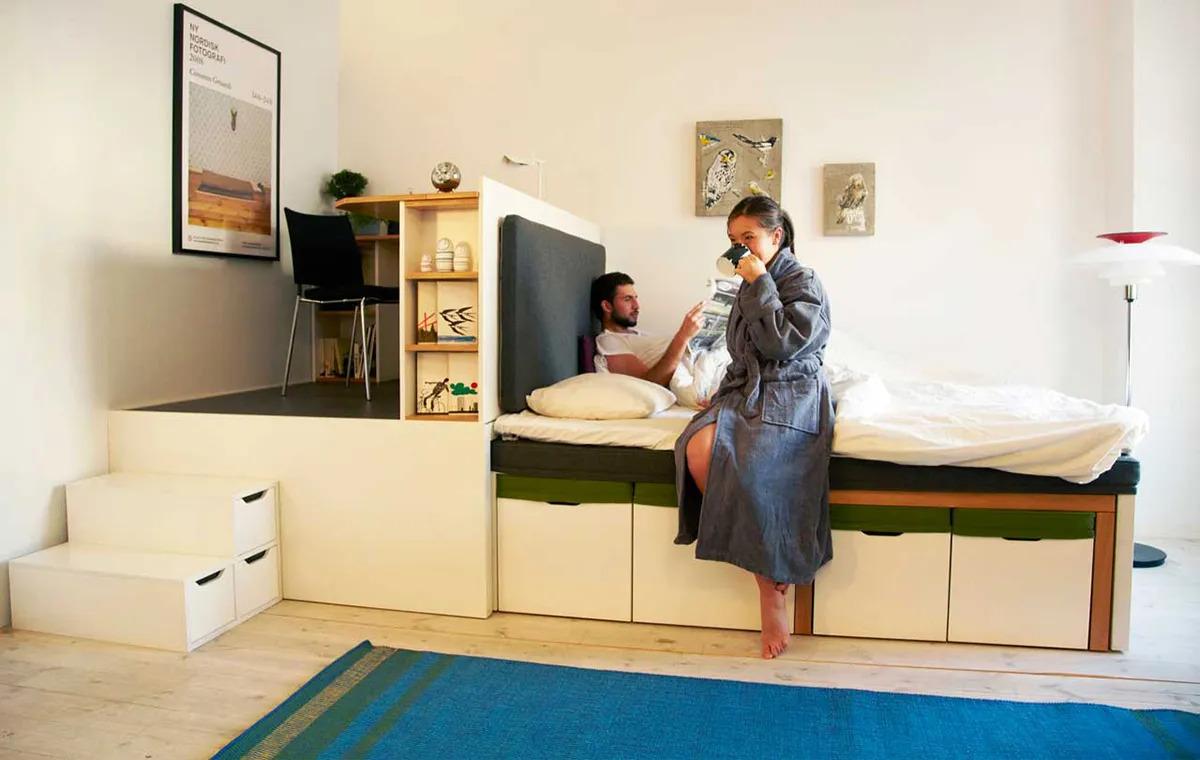
As urban living grows and technology moves into the home, the line between furniture and device keeps thinning. Beds with built-in charging docks, tables with touch-screen surfaces, and desks with integrated smart-home controls are already reaching the market. Modular systems that reconfigure on a track, like those pioneered by Matroshka Furniture, point toward whole rooms packed into a single wall unit.
Multifunctional furniture is a thoughtful answer to contemporary living, not a fleeting fad. As homes and apartments keep shrinking, demand for pieces that wear many hats will only rise. Smart, well-built, and space-conscious, they represent a practical direction for interior design for small spaces, whether you live in a studio apartment or simply want to declutter a smaller room.

Where to Go From Here
Your Next Step: Pick the one function your home lacks most, whether that is a guest bed, a workspace, or hidden storage, and shop for a single piece that solves it before adding anything else. Solving your biggest daily friction first delivers the most noticeable gain in a small house.






Interior Design for Commercial Spaces: Enhancing Functionality and Brand Identity
Commercial interior design has to serve brand, function and regulation at once....
 Begum Gumusel4 Mins read
Futuro House Production Revived in Finland After Decades-Long Hiatus
A Facebook listing for abandoned moulds led to the first new Futuro...
 illustrarch Editoral Team3 Mins read

Building Your Dream Home in NSW: What You Should Know About Montgomery Homes
Montgomery Homes has been building across Sydney, Newcastle, the Hunter, Wollongong and...
illustrarch Editoral Team4 Mins read
Designing a Home Theater: Where Drapery Fits Into the Plan
In a media room the curtains are a performance layer, not decoration....
illustrarch Editoral Team3 Mins read


Leave a comment