

EVERY SPACE IS A PLACE
Space is defined as a measurable three-dimensional extent used by architects to create places, which gain meaning through human interaction and memory.
 Begüm Şardan19 January 20192 Mins read371

Table of Contents Show
What is a place ? Somewhere that has some walls, objects, also people can live in ? Then what is a space ? Nothing ? No. Not exactly like this.
As an architect or designer, maybe you may have heard that contrast many times. As far as I am concerned these two things are almost the same. Let me explain like that; to an architect, space is anything that hosts ‘Design‘. Also place is something that already designed. But still you can keep designing the place and the space.

They are interwoven. Because every place has a space in it. Easy to think that, what about opposite side? Answer is much easier. To illustrate, imagine ‘that’ space, then put a human in it, then put a chair, maybe the human is waiting for someone or not. The thing that I am trying to say is, if someone is standing at space, that space becomes a place. That is why, space is the raw material an architect uses to create places, still it doesn’t make them different from each other, it makes them unique.

That contrast mentioned above, remind me the ‘Red Ball Project’.
I think images clarify the idea. Also if you are interested in it, you can also visit to learn much more about the project.
What is your opinion about connection between space and place ?
How Architects Define Space and Place
The distinction between space and place is one of the oldest discussions in architectural theory, and it carries practical weight in everyday design. Space is often described as a measurable, three-dimensional extent: width, depth, height, and the air contained between surfaces. Place, by contrast, is space that has gained meaning through human use, memory, and association. A bare room is a volume; the same room becomes a place once it hosts conversations, routines, and personal belongings. Architects work in both registers at once, shaping the physical extent while anticipating how people will eventually fill it with significance.
Theorists Who Shaped the Conversation
Several writers have helped clarify why this topic matters. The geographer Yi-Fu Tuan argued that space becomes place as we get to know it better and give it value, turning the abstract into the familiar. The philosopher Martin Heidegger explored how dwelling and building are linked, suggesting that a structure only becomes meaningful when people inhabit it. Christian Norberg-Schulz introduced the idea of genius loci, the spirit of a location, to explain why some settings feel distinct and memorable. These perspectives reinforce the article’s central point: the transformation from space to place happens through presence and use rather than through construction alone.
Turning Space Into Place in Practice
Designers have several reliable tools for encouraging this shift. Human scale matters, since ceiling height, doorway proportions, and furniture spacing all signal whether a setting invites people to stay. Sensory cues such as natural light, texture, sound, and even scent help a space register as inviting rather than generic. Clear thresholds, like a porch, an entry niche, or a change in flooring, mark the move from one zone to another and give occupants a sense of arrival. Flexibility also helps, because spaces that allow people to rearrange, decorate, or personalize them tend to become places more quickly.
Why the Difference Matters for Design
Understanding this relationship changes how a project is approached. When architects design only for space, they risk creating efficient but forgettable environments. When they design for place, they consider behavior, culture, and emotion alongside dimensions and materials. The most resilient public squares, libraries, and homes succeed because they were imagined as future places, not just empty volumes waiting to be filled. As the article suggests, space and place are not opposites but two readings of the same environment, and skilled design keeps both in mind at every stage.




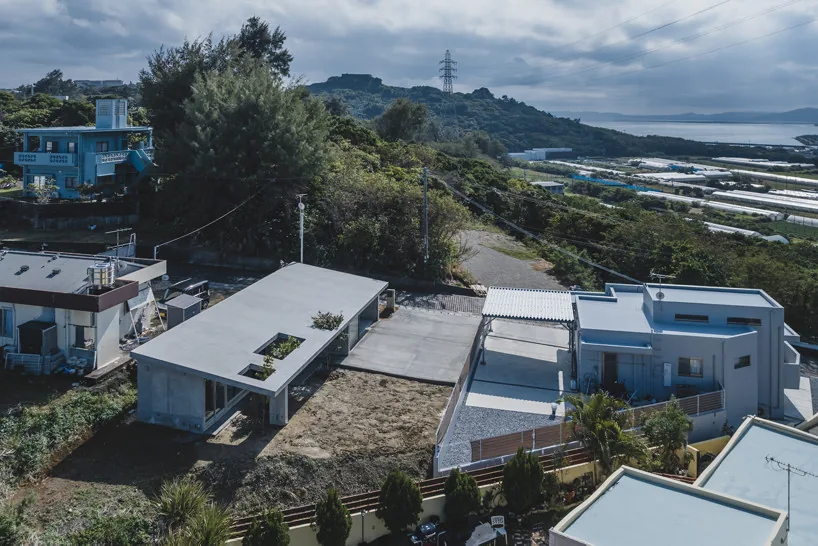
Overlapping Concrete Walls and One Roof Shape a House in Okinawa
IGArchitects built Overlapping Spaces in Okinawa from reinforced concrete walls, columns and...
 illustrarch Editoral Team1 Mins read
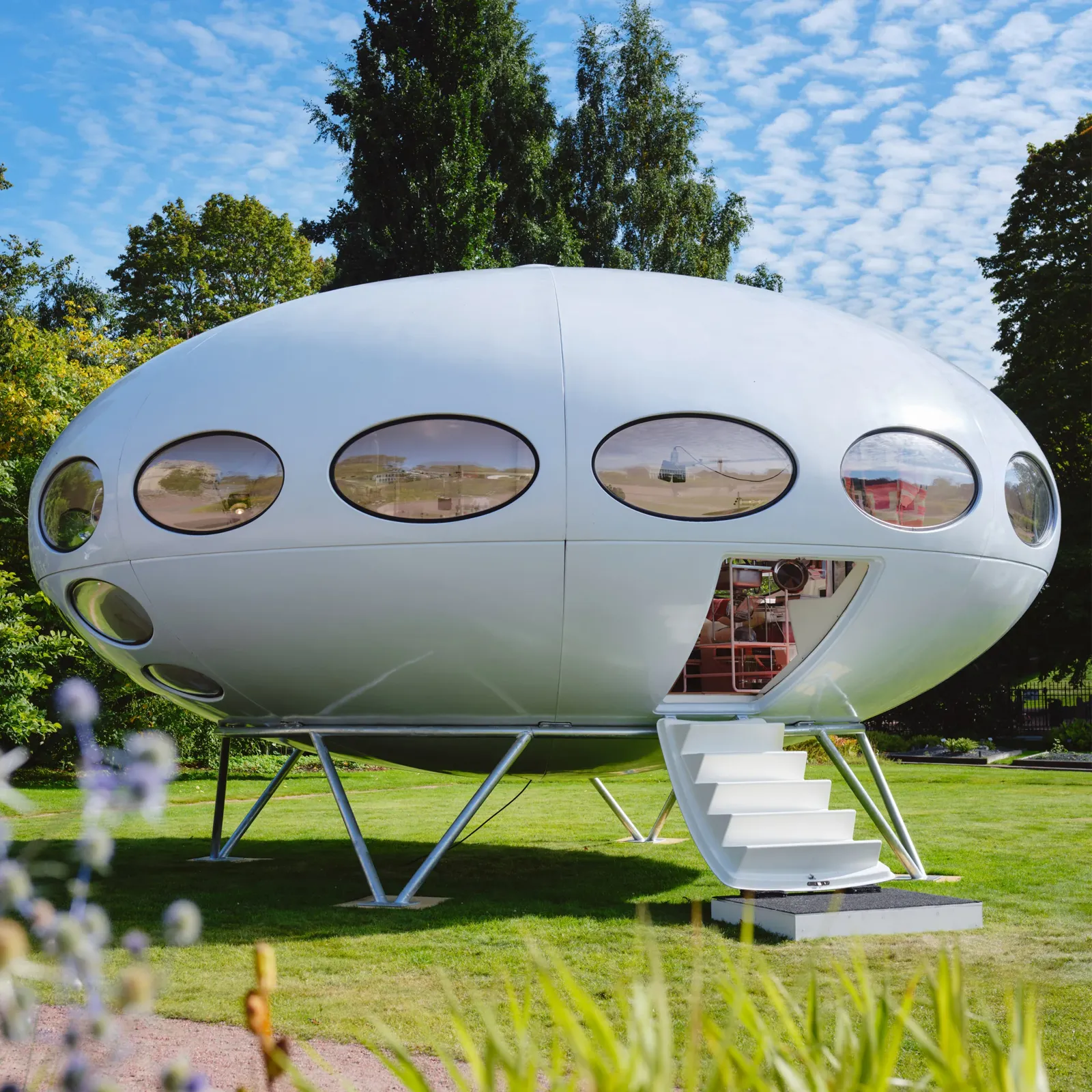
Futuro House Production Revived in Finland After Decades-Long Hiatus
A Facebook listing for abandoned moulds led to the first new Futuro...
illustrarch Editoral Team3 Mins read
Building Your Dream Home in NSW: What You Should Know About Montgomery Homes
Montgomery Homes has been building across Sydney, Newcastle, the Hunter, Wollongong and...
illustrarch Editoral Team4 Mins read
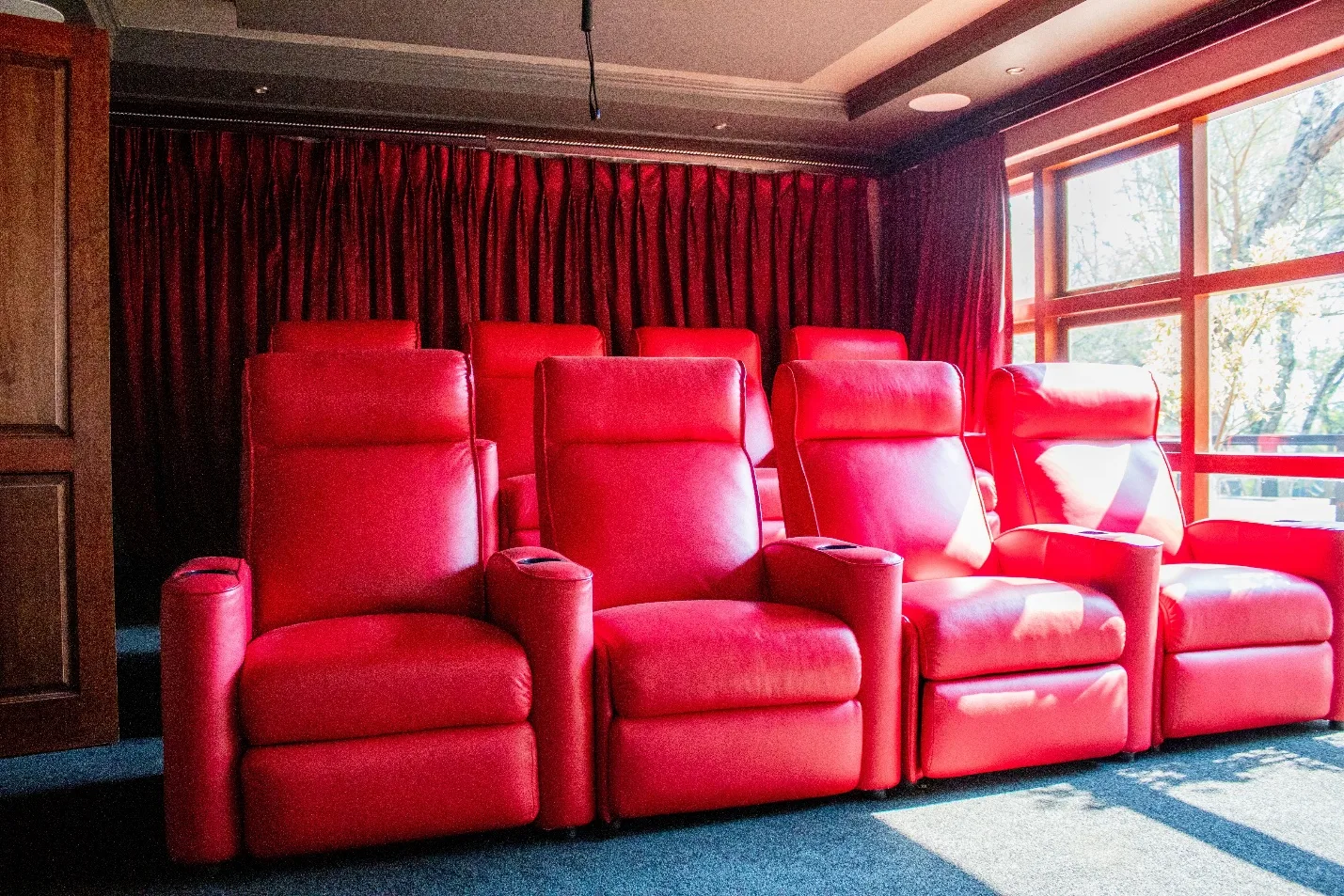
Designing a Home Theater: Where Drapery Fits Into the Plan
In a media room the curtains are a performance layer, not decoration....
illustrarch Editoral Team3 Mins read


Leave a comment