

Marsamxett Lift
The Marsamxett Lift is a design project aimed at improving accessibility in Valletta by integrating a lift and staircase into the city's historic fortifications.
 illustrarch Editoral Team20 January 20191 Mins read397


The Marsamxett Lift is a university design project by Luke Scicluna that tackles a problem written into the very stones of Valletta: how to move people across the steep edge of a fortified city built to keep outsiders out. Malta’s capital was conceived as a war machine, its bastions and ramparts shaped for defence rather than easy passage. The brief here was to improve the connection at Marsamxetto into the city, proposing a small lift and staircase on the corner of the bastion to ease the journey up into Valletta.
Today Valletta stands on par with any cosmopolitan European capital, home to the country’s most important governmental institutions, high street shops, entertainment, bars, restaurants and museums, drawing hundreds of tourists within its walls each day. Yet the same defensive geometry that gives the city its character also makes it hard to reach on foot. Over the years a series of interventions has worked to improve this connectivity, and Scicluna’s scheme is offered in that same spirit of small, well placed moves rather than sweeping change.
Designing for a fortified threshold
Vertical circulation in a historic walled setting carries demands that go beyond a simple change of level. A lift and staircase grafted onto a bastion must respect the scale, materiality and silhouette of the existing fortifications while quietly adding a modern, accessible route. The corner placement matters too, since it lets the new element read as a discreet addition at the meeting of two walls rather than an interruption along a long defensive face. Questions of accessibility, weathering, sightlines and the experience of arrival all shape how such a threshold is resolved.
The project was developed through a thorough working method: site analysis backed by photographic evidence, case studies drawn from comparable schemes around the world, concept sketches that grew into detailed studies, physical model building, and three dimensional modelling in Autocad and Sketchup. This layered approach reflects how questions of accessibility and urban movement are tested in academic practice before any line is committed. As a study rooted in the particular history of Valletta, the Marsamxett Lift shows how a modest piece of architecture can reopen a city that was first built to stay closed.


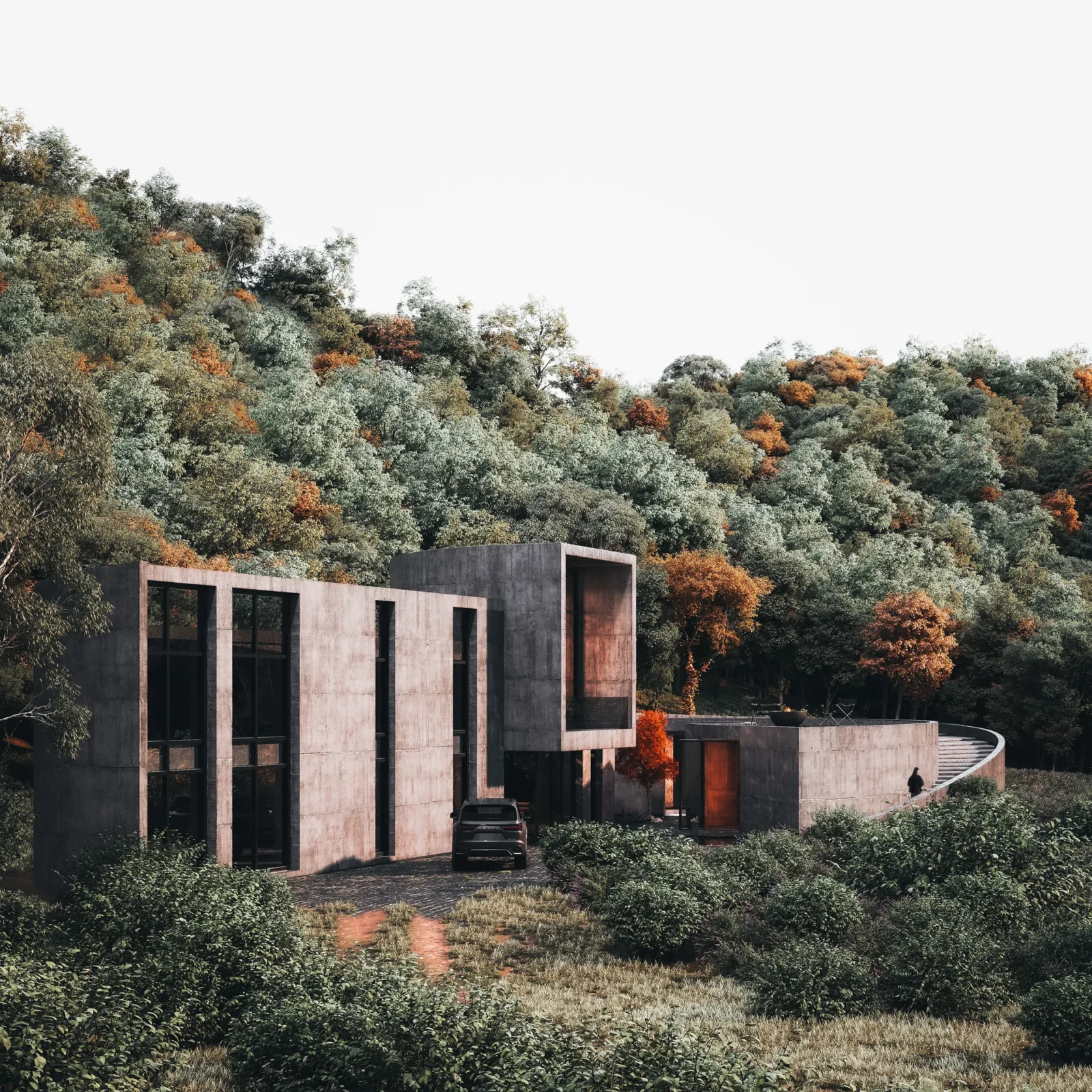
Savan House by Nobico Studio
Savan House is Nobico Studio's unbuilt concept for a forested hillside in...
illustrarch Editoral Team3 Mins read

Renaatus Irumathi
Renaatus Irumathi Residence features 69 spacious apartments designed with contemporary aesthetics, maximizing...
illustrarch Editoral Team2 Mins read
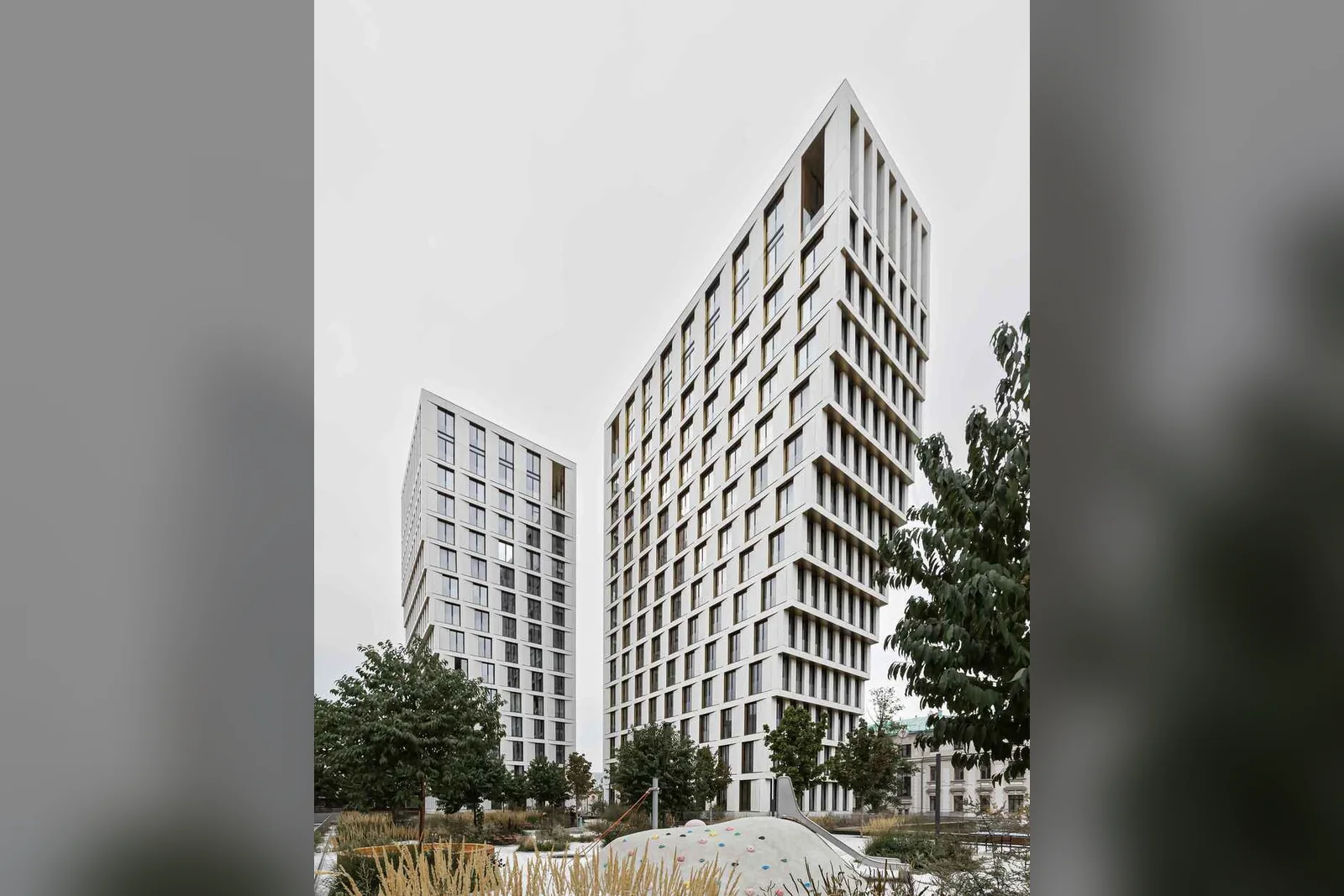
White Khamovniki
White Khamovniki is a residential tower project in Moscow that combines urban...
illustrarch Editoral Team1 Mins read
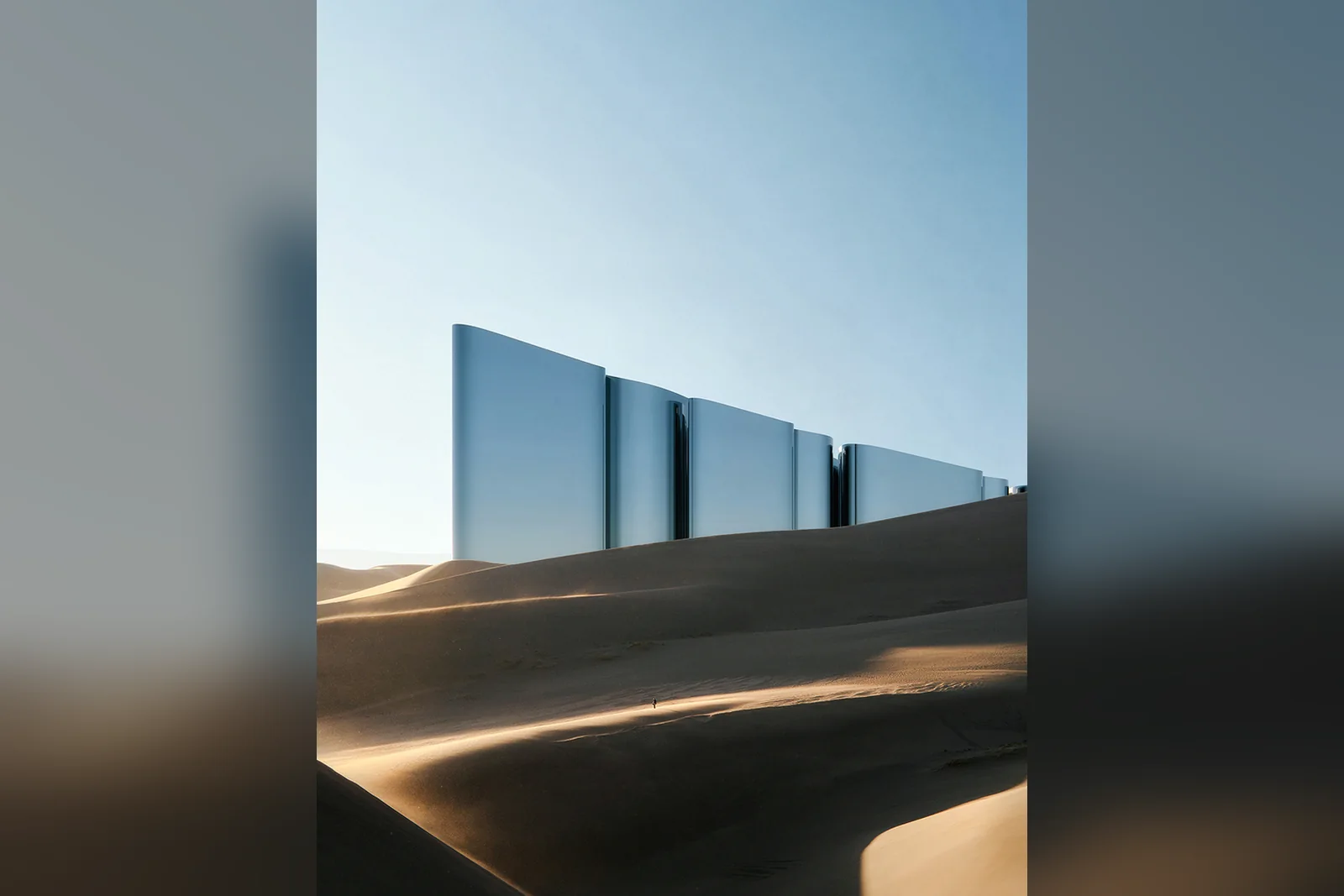
Millennium Horizon
Millennium Horizon is an innovative architectural project in the UAE that uses...
illustrarch Editoral Team2 Mins read


Leave a comment