

An Innovative Platform Empowering Architects and CG Artists
ArchAdemia is an online learning platform offering 25 courses in architecture and design, taught by industry professionals to enhance practical skills and knowledge.
 Muhammad Abdullatef - Tifa Studio3 July 20235 Mins read445
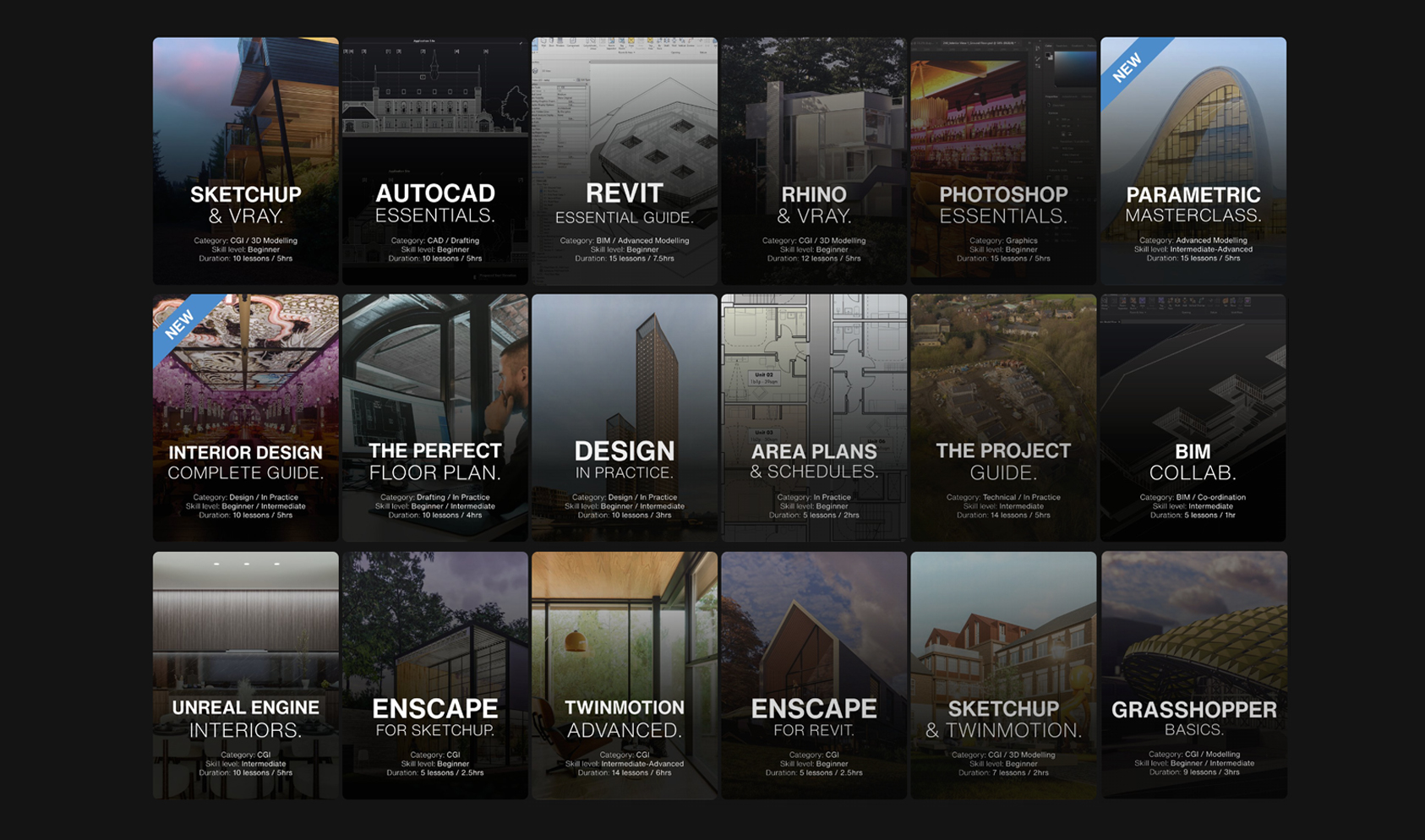
Table of Contents Show
ArchAdemia is an online learning platform built for architects, interior designers, and archviz artists, with 25 courses spanning design, software, rendering, drafting, and BIM. Members get mentorship from RIBA chartered architects, an active Discord community, an industry podcast, and certificates on completion, which makes it a structured alternative to scattered free tutorials.
The platform has grown into a single destination for architects, interior designers, and visualization artists who want to sharpen practical skills, build industry knowledge, and gain the confidence that supports long-term career progress. Rather than treating education as a one-off purchase, ArchAdemia frames learning as an ongoing habit supported by mentors and peers.
What ArchAdemia Offers Architects and CG Artists
The library covers 25 courses across architecture, design, software, rendering, drafting, and building information modelling. Each course is taught by working industry professionals, so the material reflects how studios actually produce drawings and images rather than purely academic theory. Beginners can start with fundamentals while experienced users jump straight to specific tools, which keeps the same library useful across very different skill levels.
Beyond the core courses, the platform adds weekly bonus lessons and fresh downloads, so the content keeps moving rather than going stale. That steady drip of new material is a deliberate choice: architectural software and visualization techniques change quickly, and a static course set ages fast.

Who the Platform Is Built For
An online learning platform like this tends to serve several distinct audiences at once. Architecture students often use it to fill gaps that university courses leave open, particularly around industry software and real project workflows. Early-career professionals turn to it to build portfolios and learn rendering or BIM skills that employers expect. Established practitioners and visualization artists use it to stay current with new tools and techniques. Because the same library serves beginners and experienced users, the value depends on choosing a learning path that matches your current level rather than working through every course in order.
Core Skills These Courses Typically Cover
The course range spans architectural design fundamentals, technical drafting, BIM coordination, and architectural visualization. In practice that means concept development and design thinking, 2D drafting and documentation standards, 3D modelling, photorealistic rendering, post-production in image editing software, and building information modelling for collaboration. If you are weighing which render engine to learn first, a side-by-side read of the options in Lumion vs Enscape vs Twinmotion helps you pick a tool before you commit study time to it.
These skills map closely to the real stages of an architectural project, from early sketches to construction documents to client-facing imagery. Learners who understand how the stages connect usually progress faster than those who study each tool in isolation. Pairing a rendering course with a guide to building a strong architecture design brief is one way to keep technical practice tied to design intent.
📐 Technical Note
Course topics on most architecture platforms loosely track the RIBA Plan of Work stages, from strategic definition and concept design through technical design and handover. Mapping a course to the stage it supports, concept modelling for early design or BIM coordination for technical design, helps you study in the order a real project unfolds.
Mentorship and Community as a Differentiator
Many learning libraries offer video content, but direct access to RIBA chartered architects and practice owners is less common. Mentorship matters because architecture is a field of judgement as much as technical skill, and experienced practitioners can explain why decisions are made, not just how to execute them. Active communities on platforms such as Discord add peer accountability and quick answers to small questions that would otherwise stall a project. For self-taught learners especially, this human element can be the difference between giving up and finishing a course.

🎓 Expert Insight
“The fastest learners are rarely the ones who watch the most tutorials. They are the ones who show their work, ask for feedback, and fix it.”, notes a RIBA chartered architect and studio mentor
This is why mentorship and a live community often matter more than the raw size of a course catalogue. Feedback loops turn passive viewing into measurable progress.
The Podcast and Industry Conversations
ArchAdemia also runs a podcast that looks at the real challenges architects face day to day, from running a practice to winning the right kind of work. The format gives members exposure to candid career insight that rarely appears inside a software tutorial, which rounds out the technical side of the platform with the business and design realities of the profession.
🏗️ Real-World Example
Strom Architects podcast feature: A notable guest has been Magnus Strom, founder of Strom Architects, an international practice with Scandinavian roots known for refined modern homes. Conversations like this give learners a direct line to how established studios think about design and practice.

Membership, Perks, and Certificates
Memberships are priced for both students and professionals, and they are set up to give full access to the platform’s resources. Annual members pick up extra perks, including free download packs and a monthly webinar that tackles current industry trends and concerns. The platform has also signalled plans to add member discounts on relevant resources such as software, books, and plugins, which would extend the value past the courses themselves.
Learning milestones get recognised too. Finishing a course earns a certificate, which adds a concrete marker of achievement and something to point to in a portfolio or job application. Combined with the weekly bonus lessons, the membership behaves more like an evolving subscription than a fixed set of videos.

How to Get the Most From an Online Architecture Membership
Subscription learning rewards consistency. A practical approach is to commit to a regular weekly schedule rather than binge-watching lessons, since architectural skills are built through repeated practice. Recreating the projects shown in tutorials, then adapting them to your own briefs, helps the knowledge stick. Taking part in the community forums and mentorship turns passive viewing into active feedback, which is often where the biggest improvements come from. Saving downloadable resources, asset packs, and reference files also builds a personal toolkit you can reuse on real work long after a course ends. When you reach the rendering stage, keeping a shortlist of tools like the ones in this roundup of rendering tools for architects saves time chasing the right software.
Is This Type of Platform Worth It?
Whether a structured architecture and visualization platform pays off depends largely on your goals. For learners who want a clear curriculum, certificates of completion, and ongoing mentorship, an annual membership can be far cheaper than equivalent in-person training. Those who only need one specific skill might prefer a single course or free resources instead. The strongest case for membership is continuity: regular new lessons, downloadable assets, mentor access, and planned discounts on tools mean the platform keeps adding value over time rather than offering a one-off purchase. To sanity-check the offering against the wider market, browse current work and tooling discussions on ArchDaily and Dezeen before you commit.
You can review current course details, pricing, and membership tiers directly at archademia.com.
Looking Ahead
The real value of a platform like ArchAdemia is not the 25 courses on day one, it is what the membership becomes over a year of steady use. For an architect or visualization artist who treats it as a long-term practice rather than a quick fix, the mix of mentorship, community, and fresh lessons is where the return quietly compounds.







Top 10 Free Online Architecture Courses for 2026
A Top 10 guide to free online architecture courses from Harvard, MIT,...
 Elif Ayse Sen5 Mins read
Unlock the Benefits of Learning from Online Architecture Courses Today
Explore the transformative potential of online architecture courses, offering unmatched flexibility and...
Muhammad Abdullatef - Tifa Studio4 Mins read

Best Courses for Learning AutoCAD
AutoCAD is one of the most essential tools for every architect and...
Elif Ayse Sen7 Mins read

Online Tutorials for 3Ds Max
3Ds max that is Autodesk's professinal modeling software, which stands out in...
 illustrarch Editoral Team3 Mins read


Leave a comment