

5 Must-Listen TED Talks for Architects
Five TED talks highlight influential ideas in architecture, featuring insights from renowned architects on topics like sustainability, emotional impact, and urban walkability.
 Elif Ayse Sen23 November 20214 Mins read441

Table of Contents Show
TED talks with speakers from all over the world have been motivating and inspiring us on many issues for years. Let’s take a look at TED talks that can inspire architects and give new perspectives!

Daniel Libeskind: 17 Words architectural inspiration
Daniel Libeskind, one of the successful and frequently mentioned Polish architect, focuses on 17 words of inspiration for architects in this TED talk. You should listen it from the creator of big ideas, Libeskind, which forms the basis of his own architectural vision and can inspire creative pursuits for every architect.
Norman Foster: My Ggreen agenda
Norman Foster, winner of the 1999 Pritzker Prize architect, demonstrates how computers can help architects design green and pollution-free buildings in this TED talk from 2007. You should watch this talk with its interesting subject, which Foster discusses through his own work.
“The Emotional Impact of Architecture” Talks
This is a playlist that describes the emotional impact of architecture with 8 TED Talks. There are inspiring talks on the impact of architecture on people and the environment in the playlist, which you can access on TED’s website. While listening to the valuable architects and city planners, you will see examples from the world and think about architecture and the emotions it creates.
Neri Oxman: Designing at the intersection of technology and biology
Next up is a TED talk by Neri Oxman, with her nature-inspired designs from building scale to microscale. She seeks ways in which digital fabrication technologies can interact with the biological world and leads many designers and researchers in this regard. With a lab at the intersection of materials engineering and synthetic biology, Oxman also works on both microorganisms and additive designs. She and her team are leading a new era of symbiosis between the human body, its productions and buildings.
Jeff Speck- 4 Ways to make a city more walkable
City planner and author of the book “Walkable City” Jeff Speck shares the theory of walkability in this TED Talk. He talks about getting rid of cars, getting rid of clutter, freedom to walk in your city. He explains 4 city planning principles for transforming large cities, which include highways in today’s cities, into safe, walkable spaces filled with bike lanes and tree-lined streets.
Why TED Talks Resonate with Architects
Architecture sits at the meeting point of art, engineering, sociology, and the environment, which is exactly the kind of cross disciplinary territory TED talks tend to explore. A short, focused talk can compress decades of practice into an idea you can carry into your own studio work. For students and working professionals alike, these talks offer a way to step back from drawings and deadlines to reconnect with the larger purpose behind a building. They also expose listeners to voices and contexts well outside their immediate culture, which often sparks fresh thinking about familiar problems.
Recurring Themes Across the Talks
Read together, these five talks circle around a few shared concerns. Several speakers emphasize that buildings carry emotional and social weight far beyond their physical function. Others focus on sustainability and the responsibility designers hold toward the planet. A third thread runs through the discussion of technology, whether that is computation, fabrication, or biology, as a tool to expand what design can achieve. Finally, the urban scale appears repeatedly, reminding architects that individual buildings exist within streets, neighborhoods, and cities that shape daily human experience.
How to Get the Most from Each Talk
Watching passively is easy, but a few habits turn these talks into lasting influences. Keep a notebook nearby and jot down the single idea that surprised you most. Pause when a speaker references a project and look it up afterward to see the work in detail. Try pairing a talk with a related book or essay by the same person to go deeper than the time limited format allows. Sharing a talk with classmates or colleagues and debating it can surface readings you would never reach alone, turning a solo viewing into a richer conversation.
Building Your Own Watch List
These five are a starting point rather than a complete syllabus. TED hosts dozens of architecture and design talks, and the platform’s playlists make it easy to follow a theme such as sustainable cities, adaptive reuse, or computational design. Consider rotating your watching between established figures and emerging voices so your influences stay current. Saving talks to a personal list lets you revisit them at different stages of a project, since a talk about urban walkability may land very differently when you are actually designing a public space.
Key Takeaways for Practice
The lasting value of these talks lies in how they reframe everyday decisions. They encourage designers to ask not only whether a building stands and functions, but whether it heals, includes, and endures. They make the case that technology should serve human and ecological goals rather than the reverse. Most of all, they remind architects that inspiration is a discipline of its own, worth scheduling alongside drafting and modeling. Returning to a favorite talk before starting a new project can reset your perspective and keep ambition at the center of the work.





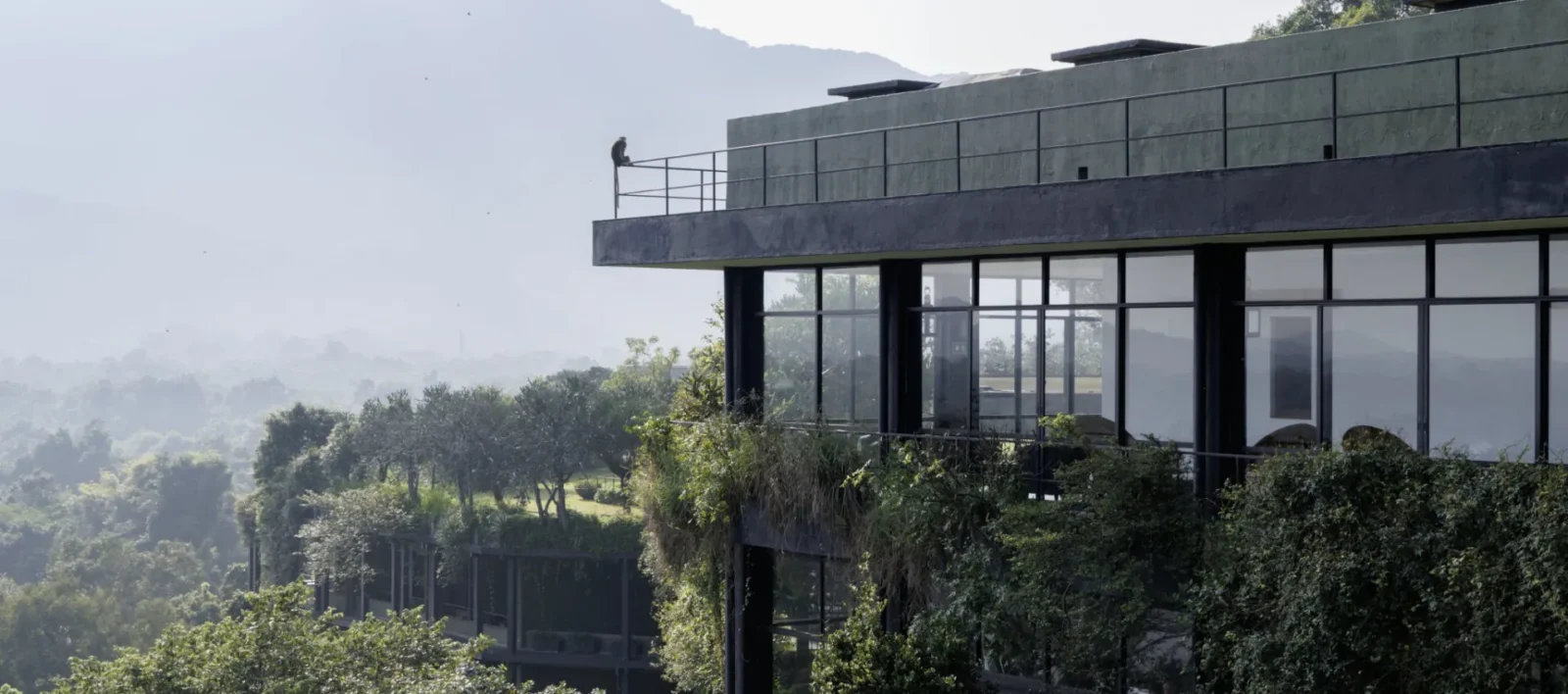
Vitra Museum Stages First Major Geoffrey Bawa Retrospective in Decades
Vitra Design Museum opens the first major Geoffrey Bawa retrospective in 20...
 illustrarch Editoral Team2 Mins read
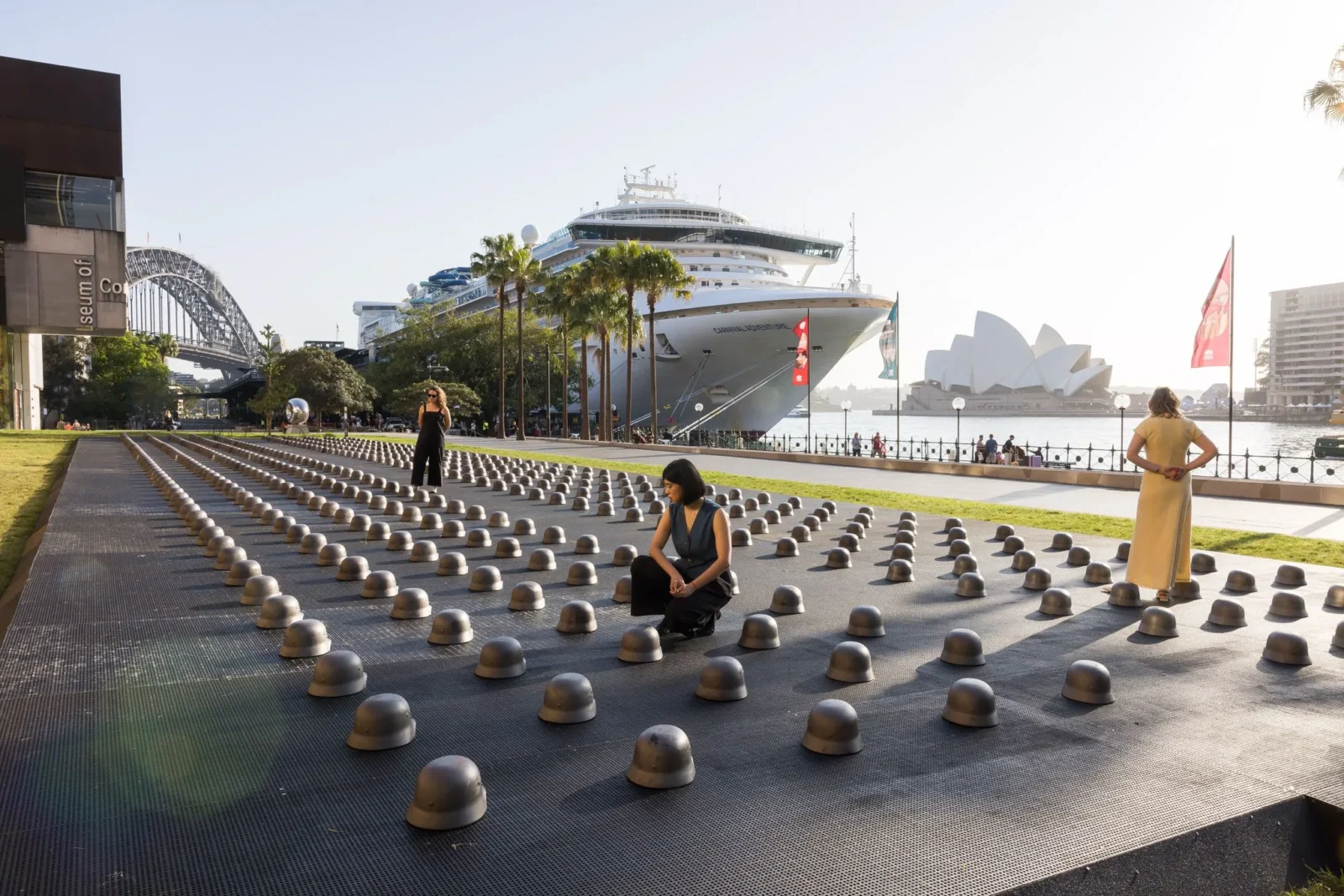
Ai Weiwei Installs 500 Cast-Iron Helmets Outside Sydney Museum
Ai Weiwei's 500 cast-iron helmets opened outside Sydney's MCA on 25 September,...
illustrarch Editoral Team2 Mins read

Isamu Noguchi at Lever House Traces Sculptor’s Decades-Long Collaboration with Bunshaft
Lever House's new exhibition pairs Noguchi sculptures with unbuilt garden designs made...
illustrarch Editoral Team2 Mins read
Futuro House Production Revived in Finland After Decades-Long Hiatus
A Facebook listing for abandoned moulds led to the first new Futuro...
illustrarch Editoral Team3 Mins read


Leave a comment