

2026 Bamboo U × Base Bahay Affordable Housing Contest
 illustrarch Editoral Team2 March 20262 Mins read44

Table of Contents Show
The Bamboo Housing Challenge — Designing & Building the Future of Sustainable Homes
What is the Contest?
The Bamboo Housing Challenge is a global design competition inviting architects, designers, engineers, students, and creative thinkers worldwide to imagine a bamboo-based affordable home prototype that can be built for under USD 10,000. Its curatorial intent is to merge innovation, human-centered design, and climate-resilient architecture, culminating in a real built prototype in Bali, Indonesia — not just a conceptual competition.
Organizers & Partners
Organized by Bamboo U in collaboration with Base Bahay Foundation, with support from the Hilti Foundation.
Strategic Challenge
Design a dignified, functional, and resilient bamboo home (≤80 sqm) that is buildable for under USD 10,000, rooted in tropical contexts, structurally sound, environmentally responsive, and socially relevant.
Competition Structure & Timeline
Target Audience
Open to professionals and students globally — architects, engineers, designers, planners, artists, sociologists — as individuals or teams (max 3 people).
Registration Fees
- Early Bird: USD 240 (until 8 Feb 2026)
- Main: USD 280 (to 15 Mar 2026)
- Student Discount Option available with ID verification
Key Dates
| Registration | Jan – 15 Mar 2026 |
| Submission Deadline | 17 Apr 2026 |
| Winner Announced | 15 May 2026 |
| Proposal Development | Jun – Aug 2026 |
| Full-Scale Build & Course | 23 Oct – 3 Nov 2026, Bali |
Prize & Recognition Framework
Main Prize
Winner will see their design built at full scale during Bamboo U’s 11-Day Bamboo Build & Design Course in Bali, including:
- Flight and accommodation for one representative
- Full course participation valued at USD 2,775
- Up to two additional team members join the course (travel not included)
Honorary Recognition
The jury may award honorary mentions for outstanding entries.
Post-Contest Publication
All selected designs, especially the winning entry, will be showcased in a printed & digital book curated by Bamboo U and Base Bahay, featuring visuals, descriptive texts, insights from the jury, and credits for contributors. This amplifies long-term visibility within global sustainable design communities.
Judging & Evaluation Criteria
Entries are assessed against a strategic mix of design excellence and real-world impact principles:
- Bamboo as Main Material — sustainability and structural feasibility
- Affordability & Functional Programming
- Durability & Climate Resilience
- Scalability & Modularity
- Cultural Relevance & Community Engagement
Strategic Narrative
Why This Matters
The Bamboo Housing Challenge confronts one of the defining architectural problems of the 21st century — affordable, climate-responsive housing for a rapidly urbanizing world. By emphasizing bamboo’s strength, beauty, and renewability, the competition aligns grassroots innovation with sustainable development goals and rethinks conventional housing paradigms.
From Paper to Reality
Unlike many design contests, this challenge bridges ideation with tangible construction — transforming winning vision into a lived structure with community impact.
Global Reach, Local Impact
The competition invites global ingenuity while anchoring solutions in a real community context in Bali — creating both global dialogue and localized legacy.
Key Value Drivers
User Value
Design professionals gain portfolio-defining exposure and real-world impact.
Emerging talent earns access to a hands-on build experience with leading bamboo experts.
Brand Value
Bamboo U and Base Bahay strengthen their thought leadership in sustainable design.
The post-contest book extends brand visibility into global architecture and development ecosystems.
Societal Value
Promotes solutions that are affordable, scalable, climate-responsive, and culturally grounded.
Contributes to global dialogues on sustainable material innovation.
Media Narrative Themes
- Innovation Meets Reality: Design ideas not just judged, built.
- Sustainability at Scale: Bamboo home under USD 10,000 as a replicable model.
- Human-Centered Design: Architecture with dignity and local belonging at its core.
- Global Collaboration: Cross-disciplinary global participants shaping future housing.




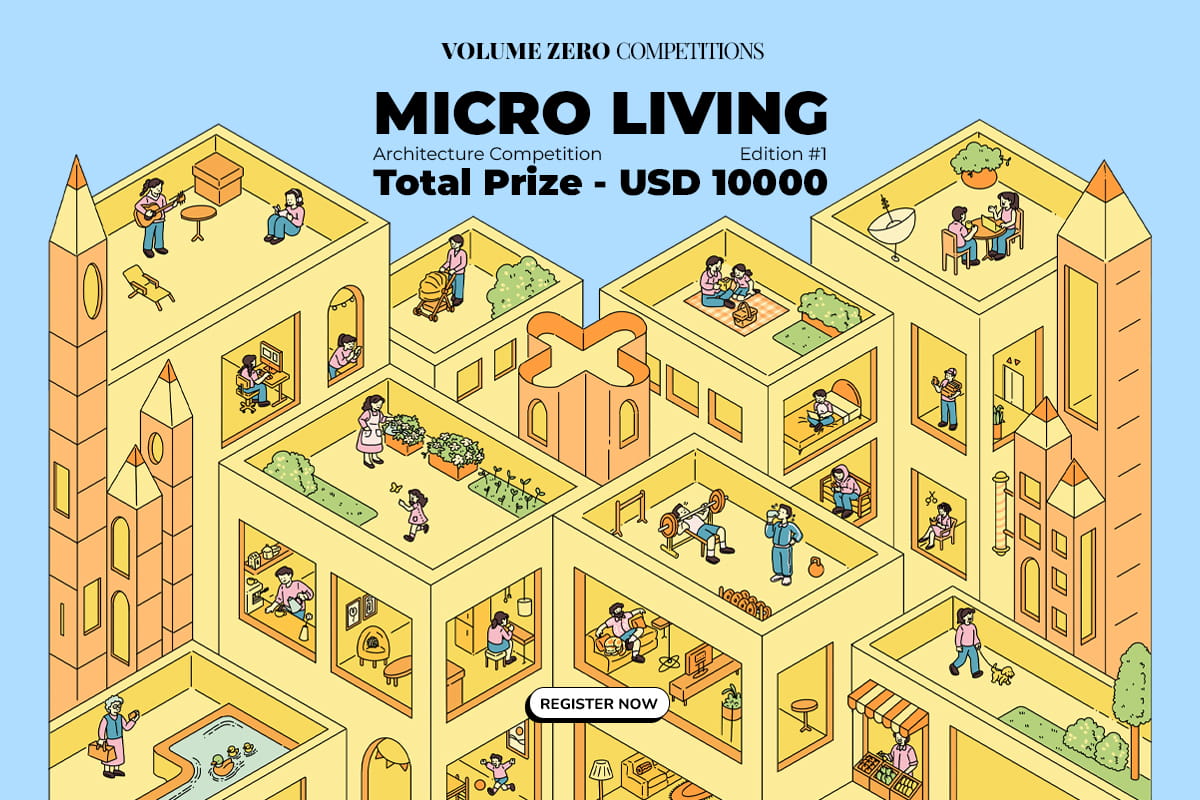
Call For Ideas: Micro Living 2026 Architecture Competition
Table of Contents Show OPPORTUNITYCHALLENGESITE SELECTIONAWARDSSCHEDULEELIGIBILITYREGISTRATION FEES Marking a decade of pioneering...
illustrarch Editoral Team3 Mins read
Top Architecture Competitions to Join in 2026: A Practical Guide for Students and Professionals
A practical breakdown of the top architecture competitions to join in 2026,...
 Sinan Ozen7 Mins read

Design Skill Awards 2026: Beyond Portfolio. Into Legacy.
Table of Contents Show Why Your Work Deserves This StageUnrivaled Global VisibilityA...
illustrarch Editoral Team2 Mins read

International Excellence Awards 2026
Table of Contents Show Where Innovation Earns its PlaceA Smarter Way to...
illustrarch Editoral Team2 Mins read


Leave a comment