

Become One with Nature, Under Favour of Mirror Façades
Mirror facades utilize highly reflective materials to seamlessly integrate buildings into natural landscapes, creating a visual harmony between architecture.
 Begüm Şardan17 March 20195 Mins read491
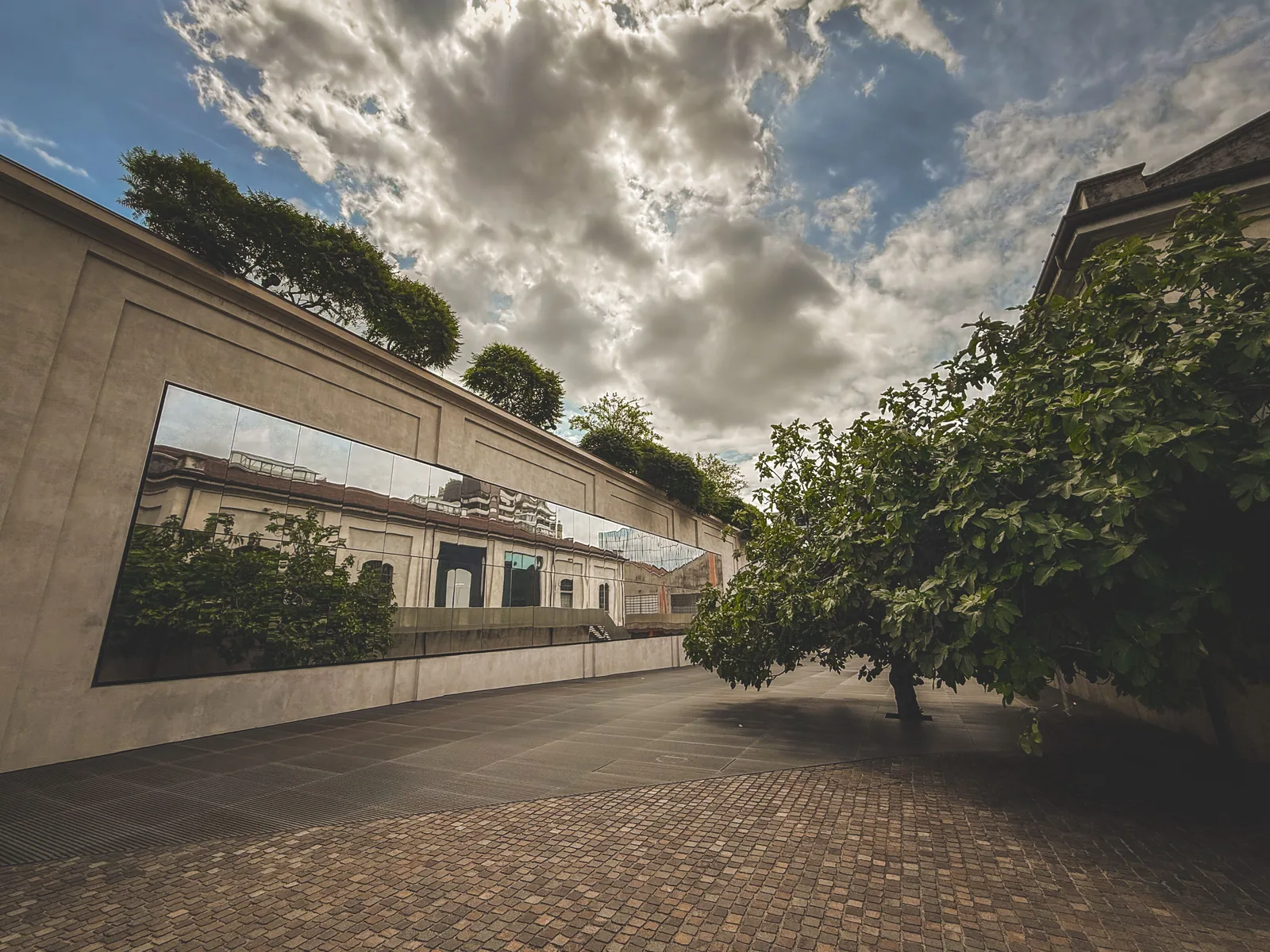
Table of Contents Show
Mirror facades are reflective building exteriors, usually coated glass or polished metal panels, that bounce the surrounding scene back at the viewer so a structure seems to dissolve into its setting. Placed in a forest or beside water, a mirror facade repeats the trees, sky, and terrain around it, letting a building sit quietly in nature instead of standing against it.
Most people, those of us without titles or planning powers, want fewer glass skyscrapers, and one reason is easy to see. Tall glazed towers reflect harsh sunlight, push up the temperature of the air near them, and add to the heat load on their surroundings. Reflective architecture does not have to work that way. A growing group of houses and small public buildings use mirror surfaces for the opposite reason, to step back and hand the leading role to the landscape.

What Are Mirror Facades?
A mirror facade is an exterior skin built from a highly reflective material, most often a mirror-coated or low-iron glass, though some projects use polished stainless steel. It differs from ordinary glazing because the aim is reflection rather than a view out. A standard glass curtain wall tries to pull daylight and sightlines indoors, while a reflective facade turns the wall into a moving picture of whatever stands in front of it. Designers reach for this approach when a site is striking enough that copying it onto the building becomes the whole idea. For a wider look at how outer skins are engineered to respond to their surroundings, these case studies on dynamic facades show how far the discipline has moved beyond flat glass.
How Mirror Facades Blend Buildings Into Nature
Buildings that use this idea well are almost always set in nature rather than on a busy street, and that placement is the point. With trees, rock, and sky pressing in on every side, the reflective wall has something worth repeating. The structure copies its setting back onto itself, the edges between built and grown start to blur, and from certain angles the building reads as a patch of doubled forest. The same instinct drives biophilic interior design, where the goal is to thread the natural world through the building rather than wall it out.
The Floating-Floor Illusion
One move designers return to is placing an uninterrupted mirror band at ground level and stacking a solid or opaque volume above it. The mirror at the base reflects the earth, grass, and lower tree trunks, so the ground floor visually drops away. The upper floor then seems to hover, a quiet box suspended in the canopy. The effect is strongest when the reflective plane is unbroken and sits in shade, which cuts glare and lets the mirrored image read cleanly.
Standout Mirror Facade Projects in Nature
Several built examples show how flexible this idea can be. In Poland, the Izabelin House by REFORM Architekt wraps its lower storey in mirror panels that copy the forest floor, while the dark upper block appears to float above the trees. In Mexico, Tatiana Bilbao’s Los Terrenos uses tinted reflective glass on its pavilions so the volumes catch the dry oak woodland of Monterrey and partly vanish into it. You can study Los Terrenos directly on the architect’s own project page, and the Izabelin House is documented in full on ArchDaily.

🏗️ Real-World Example
Izabelin House (Izabelin, Poland, 2014): REFORM Architekt clad the roughly 400 square metre home’s lower level in mirror panels and set a dark, opaque upper block on top. The reflective base copies the surrounding pine forest, so the ground floor reads as woodland and the second storey looks like a box hovering among the trees. Work by the studio can be seen on the REFORM Architekt site.
Other projects use the mirror only where it counts. A reflective panel set into the base of a small public building, such as the rest stops along the Norwegian Scenic Routes, can hide a service level entirely while the visible upper structure stays grounded and legible. The lesson across these schemes is consistent, a mirror surface gives back exactly what sits in front of it, so the planting and terrain matter as much as the glass.

Partial Mirror Cladding vs Full Reflective Walls
You do not have to wrap an entire volume in mirror to get the effect. Partial cladding, a mirrored band or a single reflective wall, often works better than a fully mirrored box. It keeps the building readable as a piece of architecture while still hiding the parts you want to drop out of view. Partial mirror also gives you control over orientation, so you can place the reflective plane where it faces dense planting rather than open sky. If you are weighing different facade strategies for a project, this guide on ways to design an impressive facade is a useful companion read, and the play of light recalls the contrasts covered in Scandinavian and Japanese design.
Designing Reflective Facades Responsibly
A mirror facade rewards careful study of the site before anything is specified. Reflective surfaces facing open sky can read as blinding sheets at noon and almost vanish at dusk, so the building changes character hour by hour. Orientation, shading, and the colour of the foreground planting all shape how the wall behaves. Maintenance deserves early attention too, since mirror panels show dust, water spots, and handprints far more than matte cladding, especially at ground level where people pass close by. Testing a sample panel on site across a full day, from sunrise to evening, tells you far more than any render, because the reflection shifts with every change in weather and light.
📐 Technical Note
High reflectivity usually comes from a metallic or dielectric coating applied to the glass surface, and the same coatings can carry a low-emissivity layer that limits solar heat gain. Specifying the reflective plane to face away from harsh direct sun, or placing it in shade, reduces both glare for neighbours and the heat bounced back into the surrounding air.
Mirror Facades and Bird Safety
Reflective facades raise one genuine concern that should be planned for from the first sketch, which is bird collisions. Birds cannot tell a reflected sky or treeline from real open space, and large unbroken mirror surfaces sit exactly where this risk is highest, in green and wooded settings. According to the American Bird Conservancy, more than one billion birds die from collisions with glass each year in the United States alone. Designers can cut that risk with fritted patterns, ultraviolet-reflective coatings, closely spaced visual markers, or by limiting mirror glass to lower levels next to dense planting. The conservancy’s guidance on preventing glass collisions is a practical starting point for specifying bird-safe glazing.
Environmental impact and wildlife data are based on available research and may vary by site conditions.
A mirror facade is more than a visual trick. Handled with care for glare, maintenance, and the creatures that share the site, it lets architecture step aside and turn the landscape itself into the most prominent feature of the design. That quiet ambition, building something that gives the view back rather than blocking it, may be the most honest answer to the question of how to build in beautiful places at all.



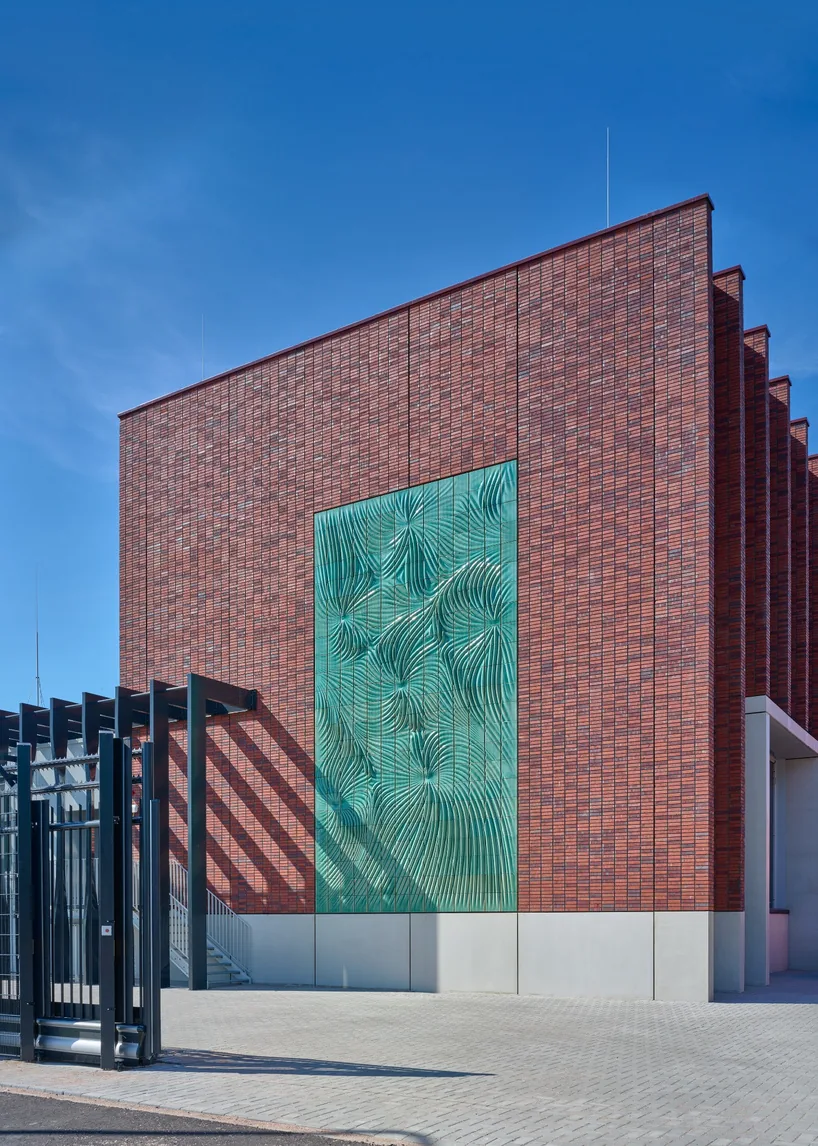
Studio RAP Clads Beverwijk Substation with 3D Printed Ceramic Facade
Studio RAP and Powerhouse Company clad a Dutch 150 kV switchstation with...
 illustrarch Editoral Team2 Mins read

Facade Design: 10 Ways to Design an Impressive Building Facade
Building facade design is a critical aspect of architecture that goes beyond...
 Elif Ayse Sen9 Mins read

Step-by-Step Process for Crafting Dynamic Facade Designs
This practical guide breaks down the full process of crafting dynamic facade...
Elif Ayse Sen16 Mins read

How Facades Tell Cultural Stories
How facades tell cultural stories: decode symbols, materials, and climate cues with...
 Sinan Ozen4 Mins read


Leave a comment