

Top 8 Trending Garden Decor Themes for a Stylish Landscape
Eight trending garden decor themes, including Bohemian, Cottage, and Minimalist Zen, offer diverse styles to enhance outdoor spaces with cohesive design elements.
 Elif Ayse Sen27 December 20235 Mins read490

Table of Contents Show
Garden decor themes give your outdoor space a clear visual direction, from minimalist Zen calm to lush tropical color. The eight trending styles below, including Bohemian, Cottage, Industrial, Eco, Victorian, and Rustic Farmhouse looks, help you match plants, furniture, and accessories into one cohesive design for any size yard or balcony.
A well-planned garden works like an outdoor room, and the garden decor theme you choose sets its mood, palette, and personality. Over the past few years, outdoor styling has shifted toward looks that balance beauty with comfort and sustainability. Whether you have a sprawling backyard or a small balcony, there is a theme that fits your space and budget, and a little planning with landscape design apps makes the choice easier.
Minimalist Zen Retreat
A Zen-inspired garden trades clutter for calm. Clean lines, simple rock arrangements, and a few well-placed plants define the look, while neutral whites and grays keep the eye relaxed. A small fountain or shallow reflecting pool adds the gentle sound that makes the space feel like a true retreat.
Bamboo accents and a handful of carefully placed stones bring in nature without crowding the design. Restraint is the whole point here, so resist the urge to keep adding. If you want to shop for garden decor that suits this style, look for matte finishes and natural materials rather than glossy ornaments. For deeper background on the philosophy behind raked gravel and borrowed scenery, the history of the Japanese garden is a useful starting point.
💡 Pro Tip
In a minimalist scheme, work with odd-numbered groupings of stones or pots and leave generous empty space around each one. Crowding the bed is the fastest way to lose the calm a Zen garden is built on, so place fewer pieces and give each room to breathe.
Bohemian Oasis
For a free-spirited, eclectic vibe, the Bohemian Oasis leans into layered color and pattern. Hang textiles, scatter floor cushions, and mix quirky planters to build a relaxed, lived-in feel. Mismatched furniture is a feature here, not a flaw.
Group potted plants at different heights and combine textures like rattan, macrame, and terracotta. The goal is a space that feels personal and a little unplanned, so let the collection grow over time rather than buying a matching set all at once.
Modern Industrial Elegance
Fans of sleek, contemporary design can turn a yard into an urban courtyard. Concrete planters, powder-coated metal furniture, and clean geometric shapes carry this theme, with a bold sculpture or two for a sharper edge.
Stick to a tight, mostly monochrome palette and add interest through metallic accents and texture rather than bright color. This look pairs well with modern architectural styles and reads as a calm extension of the house. Crisp signage from makers such as Maker Table can label planting zones while reinforcing the clean detailing this style depends on.
Cottage Garden Romance
The Cottage Garden Romance theme is all about soft abundance. Dense, informal planting, pastel blooms, and vintage touches like wrought iron furniture, birdhouses, and lanterns create a space that feels timeless and a little wild.
This is one of the oldest styles on the list, built around a mix of ornamental and edible plants packed closely together. The classic cottage garden tradition shows how that dense, layered look came to be. A well-placed water feature suits this style too, and specialists like Outdoor Fountain Pros note that a small fountain adds quiet movement to an otherwise busy planting scheme.
📌 Did You Know?
The cottage garden style traces back to working English households, where small plots had to mix flowers, herbs, and vegetables for both beauty and food. According to the Royal Horticultural Society, that practical roots-and-blooms mix is exactly why the look still feels so relaxed and unfussy today.
Sustainable Eco Haven
With more gardeners thinking about water and wildlife, the eco-friendly theme is both on trend and responsible. Choose recycled or reclaimed materials for furniture, collect rainwater for irrigation, and plant native species that suit your local climate.
Solar lighting and a simple compost setup round out a genuinely low-impact eco-friendly outdoor space. Native planting does most of the heavy lifting, since it needs less water and feeds local pollinators, as the National Audubon Society explains in its guide to native plants. You can cut outdoor water use further with the water-efficient ideas in the EPA WaterSense landscaping tips. To support that ecosystem, some gardeners go a step further by welcoming honey bees, which boost pollination across native beds.
⚖️ Pros & Cons at a Glance
Pros: Lower water bills, less maintenance once native plants establish, strong support for local pollinators and birds.
Cons: Slower visual payoff in the first season, native palettes can look sparse at first, and some reclaimed materials need extra sealing.
Tropical Paradise
Bring resort energy home with the Tropical Paradise theme. Bold turquoise, coral, and deep green set the mood, while large leafy plants like palms and ferns build that lush, layered backdrop.
Add bamboo furniture, bright cushions, and a hammock for the full holiday feel. In cooler climates, grow tender tropicals in containers so you can move them under cover when temperatures drop, which keeps the look alive year after year.
Victorian Garden Grandeur
Channel formal elegance with Victorian Garden Grandeur. Ornate iron furniture, classic rose beds, symmetrical layouts, and trimmed hedges create a refined, structured space with clear focal points.
This theme rewards planning, since symmetry and sightlines do most of the work. If you want to get the proportions and planting right, the Royal Horticultural Society offers practical garden design guidance on structure, color, and seasonal interest that suits a formal scheme.
Rustic Farmhouse Retreat
The Rustic Farmhouse Retreat captures relaxed country charm. Weathered wood, antique accents, and distressed finishes set the tone, while raised beds of wildflowers, herbs, and vegetables add a practical, productive layer.
A fire pit or a wooden swing makes the space usable into the evening. This theme blends simplicity with comfort, and it forgives a bit of wear, which makes it one of the easier looks to maintain over time.

Quick Reference: 8 Garden Decor Themes at a Glance
Use this table to match a theme to your palette, signature pieces, and the kind of space it suits best.
| Theme | Palette | Signature Elements | Best For |
|---|---|---|---|
| Minimalist Zen | Whites, grays, green | Rocks, bamboo, water feature | Small, low-fuss spaces |
| Bohemian Oasis | Warm, mixed brights | Textiles, cushions, mixed pots | Patios and balconies |
| Modern Industrial | Monochrome, metallics | Concrete, metal, sculpture | Urban courtyards |
| Cottage Romance | Soft pastels | Dense blooms, iron, vintage | Informal flower beds |
| Sustainable Eco | Natural earth tones | Native plants, rainwater, solar | Low-water, wildlife gardens |
| Tropical Paradise | Turquoise, coral, green | Palms, ferns, bamboo | Warm climates, containers |
| Victorian Grandeur | Deep, classic tones | Roses, iron, symmetry | Larger formal gardens |
| Rustic Farmhouse | Warm woods, neutrals | Weathered wood, raised beds | Productive, casual yards |
Where to Go From Here
The strongest gardens usually commit to one theme and carry it through plants, furniture, and the smaller accessories that tie a space together. Mixing two or three styles at once is the most common reason a yard ends up feeling busy rather than designed. Pick the look that matches how you actually use the space, then build it out in stages.
Your Next Step: Walk your garden, take a few photos, and choose a single theme from the table above. Buy or repurpose three anchor pieces in that style first, such as a planter, a seat, and one feature, before adding any smaller decor.

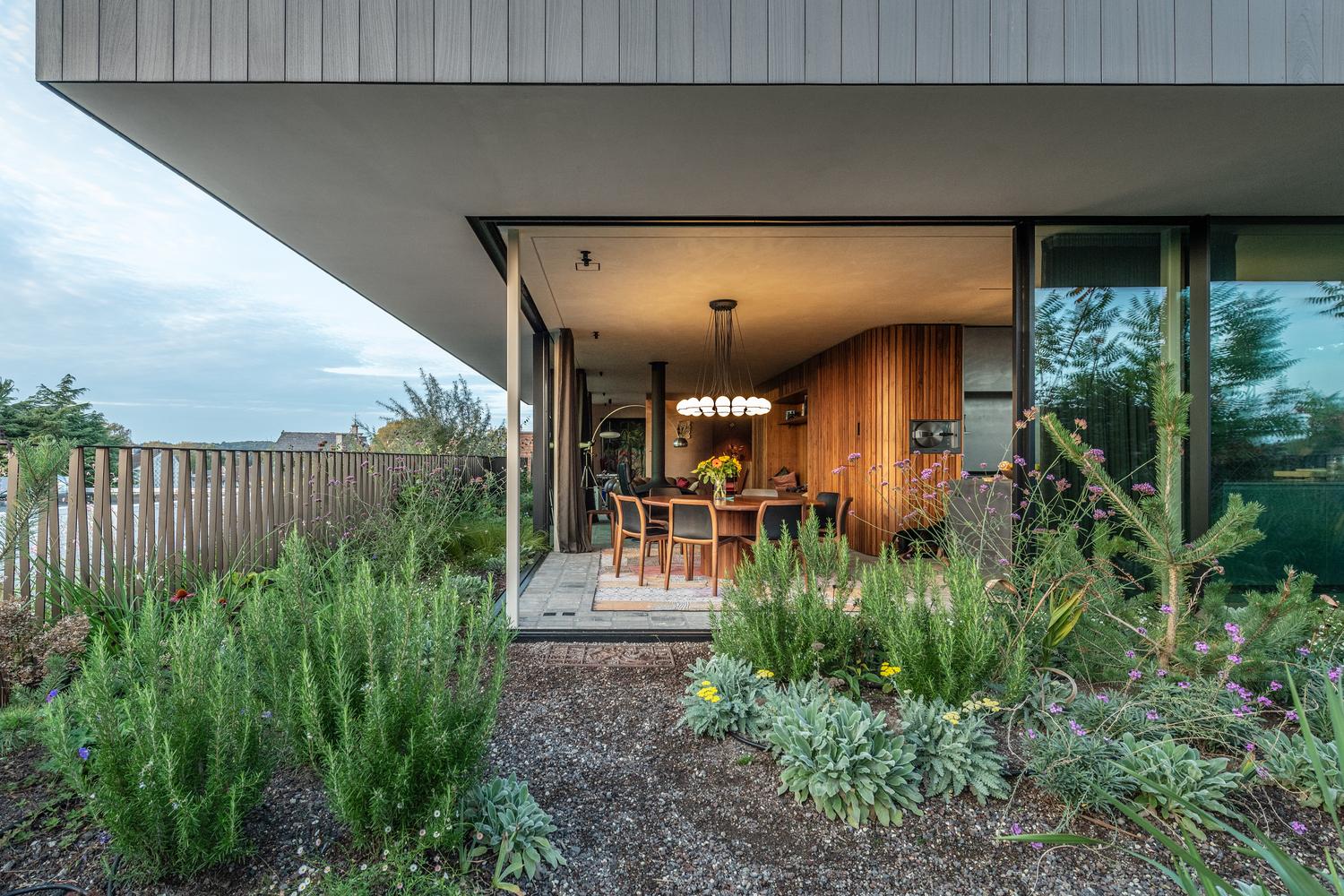


Creating a Beautiful Landscape That Adds Long-Term Value to Your Home
Transform your outdoor space with a beautiful landscape that enhances curb appeal...
 illustrarch Editoral Team3 Mins read

How Proper Aeration Improves Pond Health for Modern Home Landscapes
Proper aeration in ponds enhances water quality by increasing dissolved oxygen levels,...
 Bahattin Duran4 Mins read

The Green Oasis: How Architecture and Garden Design Create Living Urban Spaces
The green oasis concept represents a transformative approach to urban development, where...
Elif Ayse Sen5 Mins read

HEALING GARDENS – Designing Spaces for Wellness and Reflection
This competition challenges architects and landscape designers to envision gardens as therapeutic...
Bahattin Duran3 Mins read


Leave a comment