

EL PARAMÓ Nature Interpretation Center
EL PARAMÓ Nature Interpretation Center, designed by Juan Manuel Reyes Martinez, integrates architecture with the landscape to enhance visitor engagement with the fragile.
 illustrarch Editoral Team19 February 20191 Mins read351


The EL PARAMÓ Nature Interpretation Center sits in the middle of two lagoons, Fausto and Siecha, near Guasca, Colombia, working as an element that articulates the site, propitiates exploration, allows meeting and understanding, and invites visitors to contemplate the landscape. Designed by Juan Manuel Reyes Martinez and completed in 2018, the project treats arrival as a sequence rather than a single door. Access begins along a path that crosses the lagoon Fausto, letting the visitor appreciate the water up close, then connects to a platform that sits on the water and invites a first pause to take in the surroundings.
From this suggested break the journey continues across a landscape of frailejones, the characteristic plant of the moorland, by means of a ramp that overcomes the slope and ends at a second contemplative platform. The route arrives at the access platform of the interpretation center on the first level, where the building appears as a hermetic volume, a “rock of knowledge” sculpted from the mountain and emerging from the earth. The first level holds the access hall, which distributes toward the bedroom area, a cafeteria with an independent entrance, and a ramp that works as a transition between outside and inside on the way to the museum.
Architecture as a frame for the high-mountain landscape
That museum is received by a double-height hall on the second level, connecting to the administrative area, a breastfeeding room, bathrooms, and the exhibition space itself. Conceived as an airtight element, the museum admits its environment only through selected openings and gaps that enhance the attributes of the place: water, air, flora, the sky, the mountain, the fog, and the light. It works as a framework that creates different atmospheres for meeting the place, the memory, and oneself.
Interpretation centers carry a particular responsibility, since they must explain a fragile ecosystem while disturbing it as little as possible. The Colombian páramo is a high-altitude environment whose water-regulating role and slow-growing plant life make light-touch building essential. By raising paths and platforms and editing every view, the design turns the act of moving through the terrain into the exhibit, a method familiar to many works of Colombian architecture. The result reads less as a destination and more as a slow lesson in how to look at a mountain.




Tidsmaskinen After-School Center by BBP Arkitekter
BBP Arkitekter add a heptagonal tower and a greenhouse to a 1918...
illustrarch Editoral Team2 Mins read

KAFD Metro Station by Zaha Hadid Architects
Zaha Hadid Architects' KAFD Metro Station ties three Riyadh Metro lines together...
illustrarch Editoral Team4 Mins read
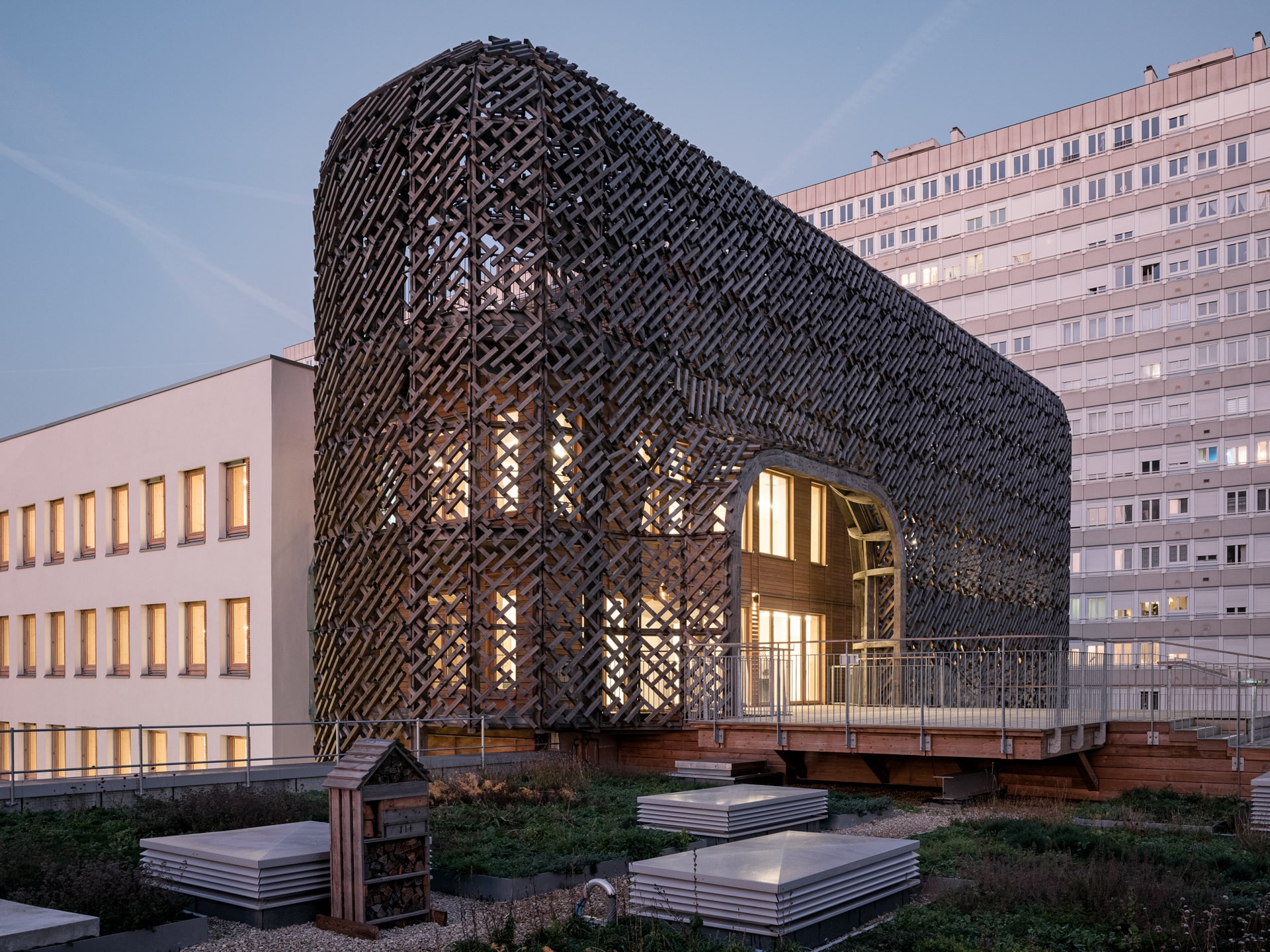
James Baldwin Media Library and Refugee House by associer
In Paris’s 19th arrondissement, Atelier Associer has reimagined a 1970s secondary school...
 Elif Ayse Sen3 Mins read
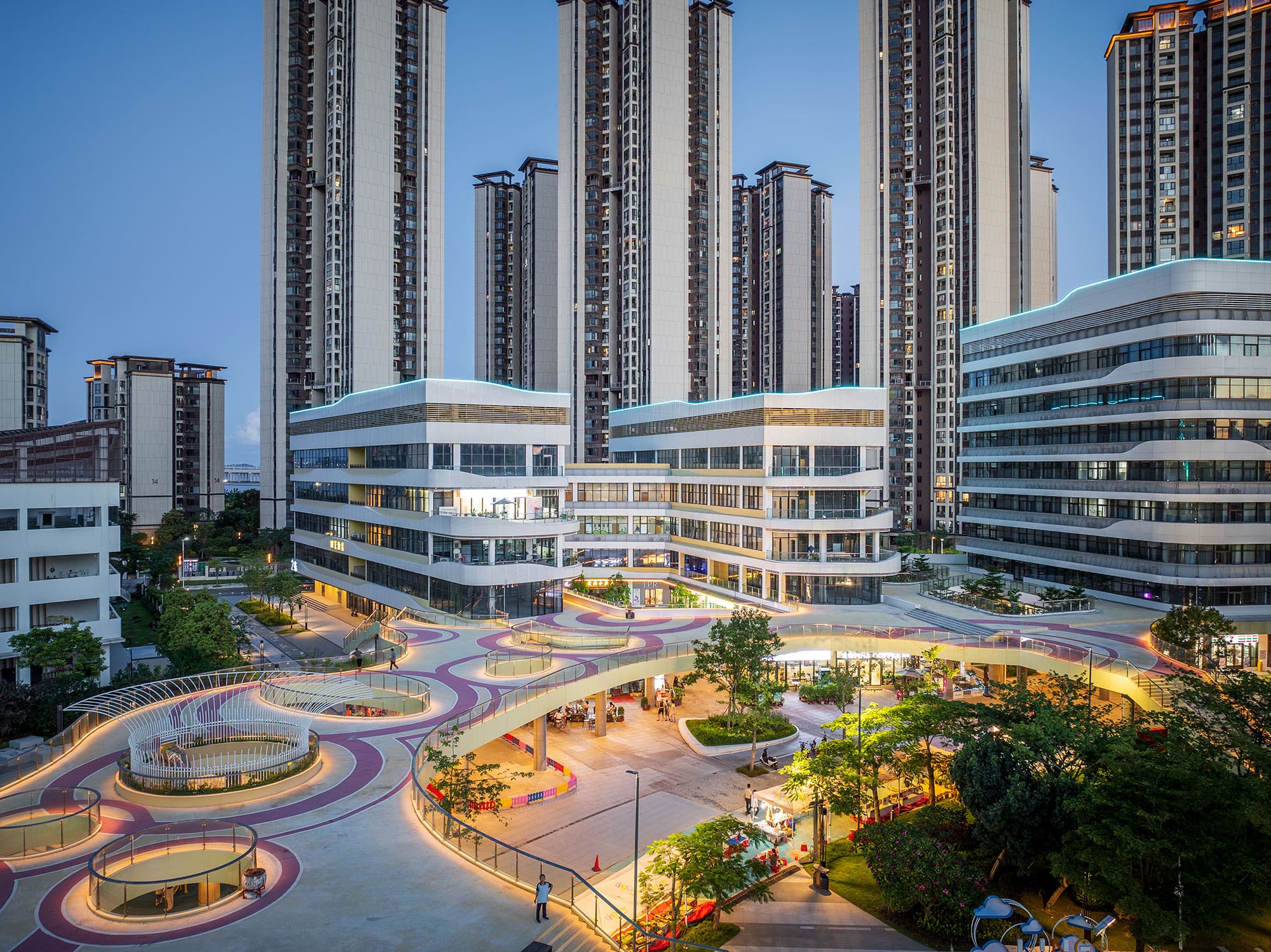
KING ONE Community Center by E Plus Design
In Zhuhai, E+UV has turned four disconnected, underused buildings into the lively...
Elif Ayse Sen4 Mins read


Leave a comment