

U6: Adaptive Reuse On War Machines of WW2
U6 transforms the abandoned Red Sands Forts from WWII into a communal hotel, blending historical memory with contemporary design for shared reflection and connection.
 illustrarch Editoral Team27 July 20191 Mins read441


U6 reimagines the abandoned Red Sands Fort, a cluster of derelict WW2 sea forts in the Thames Estuary off southern United Kingdom, as a small communal hotel and a place of shared reflection. Designed by Stavros Sgouros, the project takes structures built for war and converts them into spaces of peace, asking how the residue of conflict might be brought into the future rather than left to decay. The original sea forts were designed by British engineer Guy Maunsell, and their distinct, almost dystopian silhouettes become the raw material for a new utopian environment rooted in history, nature, and the experimentation with form.
Three forces shape the design: the history of the site as a marker of the darkest period in world history, the natural environment of the open estuary, and a formal experimentation meant to unsettle the alienation that has come to define the 21st century. By selecting a place that was abandoned and left to ruin, the proposal treats memory as something to be inhabited rather than erased. The existing plan format and surviving materiality allow the design to test monolithic structures and to refuse the separations that usually divide guests, staff, and visitors from one another.
The Logic of Adaptive Reuse at Sea
Adaptive reuse asks a building to hold two lives at once. The challenge with a remote marine structure is acute: corrosion, isolation, and limited access all push against new occupation, while the historical weight of a war structure demands that intervention be careful rather than erasing. Reusing what already stands also tends to retain the embodied energy locked in the original construction, which is one reason adaptive reuse has become central to contemporary architectural thinking. Here the strategy is experiential, preserving the memory of the Maunsell Forts while reprogramming them for gathering and rest.
The result is conceived as a beacon in the middle of the sea, a communal facility set apart from the constant passing of time yet absorbed in the changing nature around it. As a piece of speculative Maunsell Forts reuse and a study in how the architecture of tourism can be rethought, U6 offers a quiet argument that the structures of one era can be turned into refuge for the next, with continuous communication among its users replacing the old logic of isolation.

Savan House by Nobico Studio
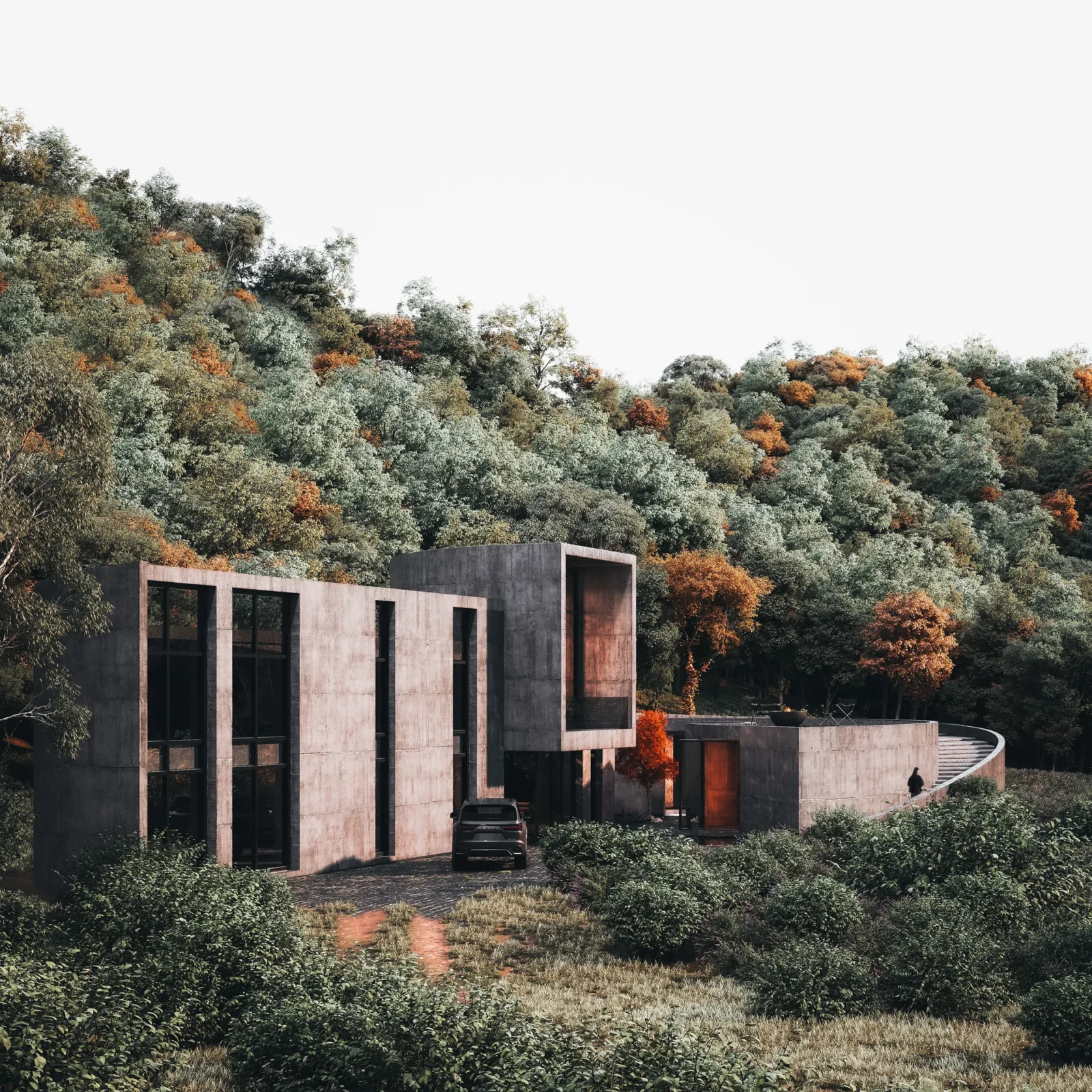
Savan House is Nobico Studio's unbuilt concept for a forested hillside in...
illustrarch Editoral Team3 Mins read

Renaatus Irumathi
Renaatus Irumathi Residence features 69 spacious apartments designed with contemporary aesthetics, maximizing...
illustrarch Editoral Team2 Mins read
White Khamovniki
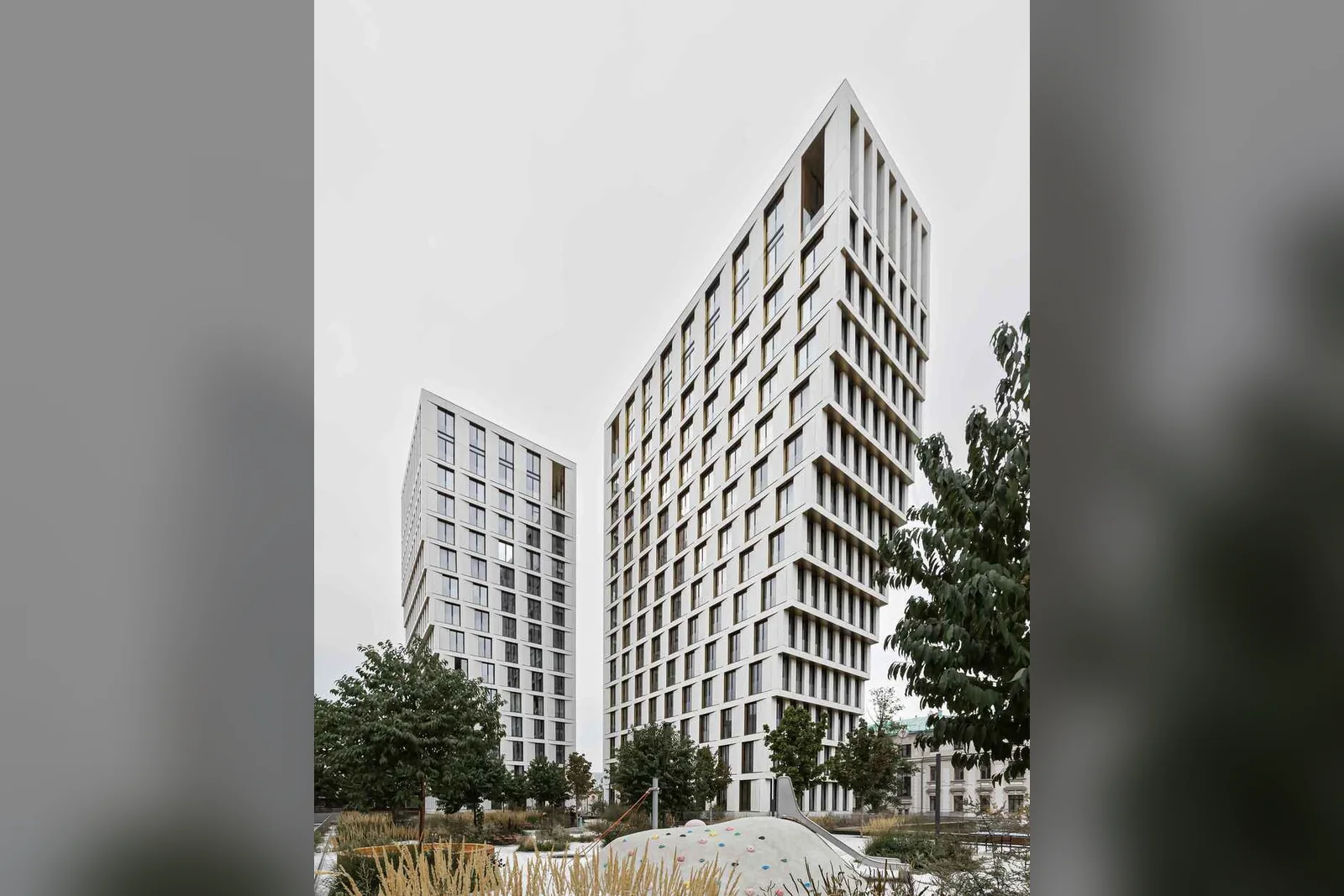
White Khamovniki is a residential tower project in Moscow that combines urban...
illustrarch Editoral Team1 Mins read
Millennium Horizon
Millennium Horizon is an innovative architectural project in the UAE that uses...
illustrarch Editoral Team2 Mins read


Leave a comment