

A Giant Traveller from Universe, Museum of the Moon
The Museum of the Moon is a large-scale installation by Luke Jerram featuring detailed NASA imagery and immersive sound, showcased worldwide since 2016.
 Begüm Şardan4 July 20194 Mins read402

Table of Contents Show
The British installation artist Luke Jerram, created a giant traveller which has been visiting all around the world since 2016, the moon.
For the first time, it was exhibited in Bristol International Balloon Fiesta, then, expanded its journey.
The moon features 120dpi detailed NASA imagery of the lunar surface which, at an approximate scale of 1:500,000, represents 5km of the moon’s surface within each centimetre of the internally lit spherical sculpture.
It can be located in inside or outside of the places. The installation is a fusion of lunar imagery, moonlight and surround sound composition created by BAFTA and Ivor Novello award winning composer Dan Jones. Each venue also programmes their own series lunar inspired events beneath the moon.
Also, if you check the website of the installation (click), you can see the impressive explanation below;
The moon has always inspired humanity, acting as a ‘cultural mirror’ to society, reflecting the ideas and beliefs of all people around the world. Over the centuries, the moon has been interpreted as a god and as a planet. It has been used as a timekeeper, calendar and been a source of light to aid night time navigation. Throughout history the moon has inspired artists, poets, scientists, writers and musicians the world over. The ethereal blue light cast by a full moon, the delicate crescent following the setting sun, or the mysterious dark side of the moon has evoked passion and exploration. Different cultures around the world have their own historical, cultural, scientific and religious relationships to the moon. And yet somehow, despite these differences, the moon connects us all.
I had a chance to see the installation in Milan. It was hanged above the swimming pool, inside of the building. For sure, was obviously amazing. I visited the moon in daytime and also night time, I wanted to see differences about the atmosphere. Also the pool was opened until 4 am for that day to make people live that swimming experience under the giant moon.
I can say honestly, it was worth it. For the day time it was unclear but was still impressive, however for the night time, you could see the special lightning and also listen to live piano performance while people were swimming under the moon. In addition, because of the resolution of the images, the moon looks like it has a textured surface that makes you want to touch it. I am still thinking that I wish I could…
As far as I am concerned, the moon gives you different emotions in different places, it won’t be the same feeling if I can have a chance to see it in somewhere else
You can see the other places that our giant traveller has visited until this time ;


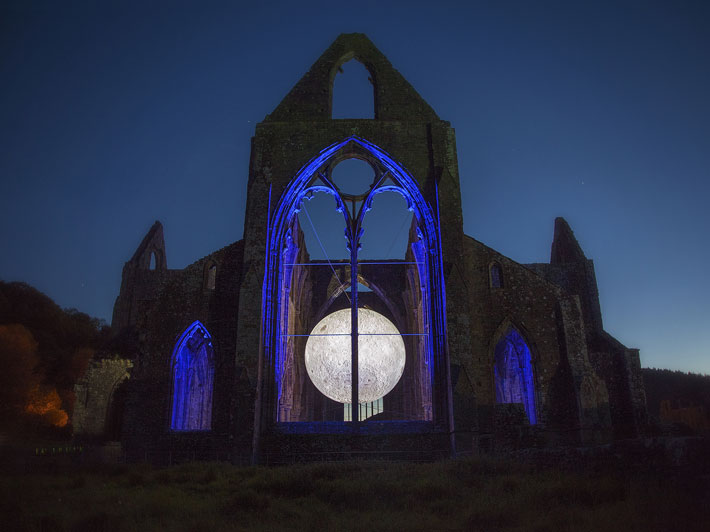

How the Museum of the Moon Is Made
The artwork is a large internally lit sphere printed with detailed NASA imagery of the lunar surface. At a scale of roughly 1:500,000, each centimetre of the sculpture represents about five kilometres of the real Moon, which is why the surface appears so convincingly textured even though it is a smooth printed skin. The internal lighting recreates the soft glow of moonlight, and the high resolution of the imagery is what gives viewers the urge to reach out and touch the craters. Because it is a self-contained, suspended object, it can be installed in a wide range of venues.
The Role of Sound and Atmosphere
A large part of the installation’s emotional impact comes from its surround sound composition rather than the visual alone. The score, written specifically for the piece, fills the space and shapes how visitors move and linger beneath the sphere. Many venues add their own programming, from live music to talks and performances, so no two visits feel identical. This combination of a fixed object and venue-specific events is what allows the same artwork to evoke different moods in a cathedral, a swimming pool, or an outdoor festival field.
Why Site Matters for Touring Installations
Touring artworks like this one demonstrate how powerfully context changes perception. Suspended in a Gothic cathedral, the Moon takes on a spiritual quality framed by stone vaults and stained glass. Hung above a swimming pool, it becomes playful and immersive, reflected in the water below. Placed outdoors at night, it competes with and complements the real sky. For architects and exhibition designers, this is a reminder that the surrounding space is not a neutral backdrop but an active part of the experience, influencing scale, sound, and emotional response.
The Moon as a Shared Cultural Symbol
Part of the project’s appeal is its universality. The Moon has served humanity as a timekeeper, a calendar, a navigation aid, and a source of myth and inspiration across nearly every culture. By presenting an accurate, tangible model that anyone can stand beneath, the installation taps into this shared heritage while inviting personal interpretation. Visitors often bring their own memories and beliefs to the encounter, which is why the artist describes the Moon as a kind of cultural mirror reflecting the people who gather around it.
Tips for Visiting Immersive Art Installations
If you plan to see a touring installation of this kind, consider visiting at more than one time of day, since lighting and crowd levels dramatically alter the atmosphere. Check the venue’s event schedule in advance, as live performances and special openings often add the most memorable moments. Allow time to simply sit and observe rather than rushing through, and where photography is permitted, experiment with long exposures to capture the glow. Most of all, pay attention to how the host space shapes the work, because that relationship is often the real subject of immersive art.



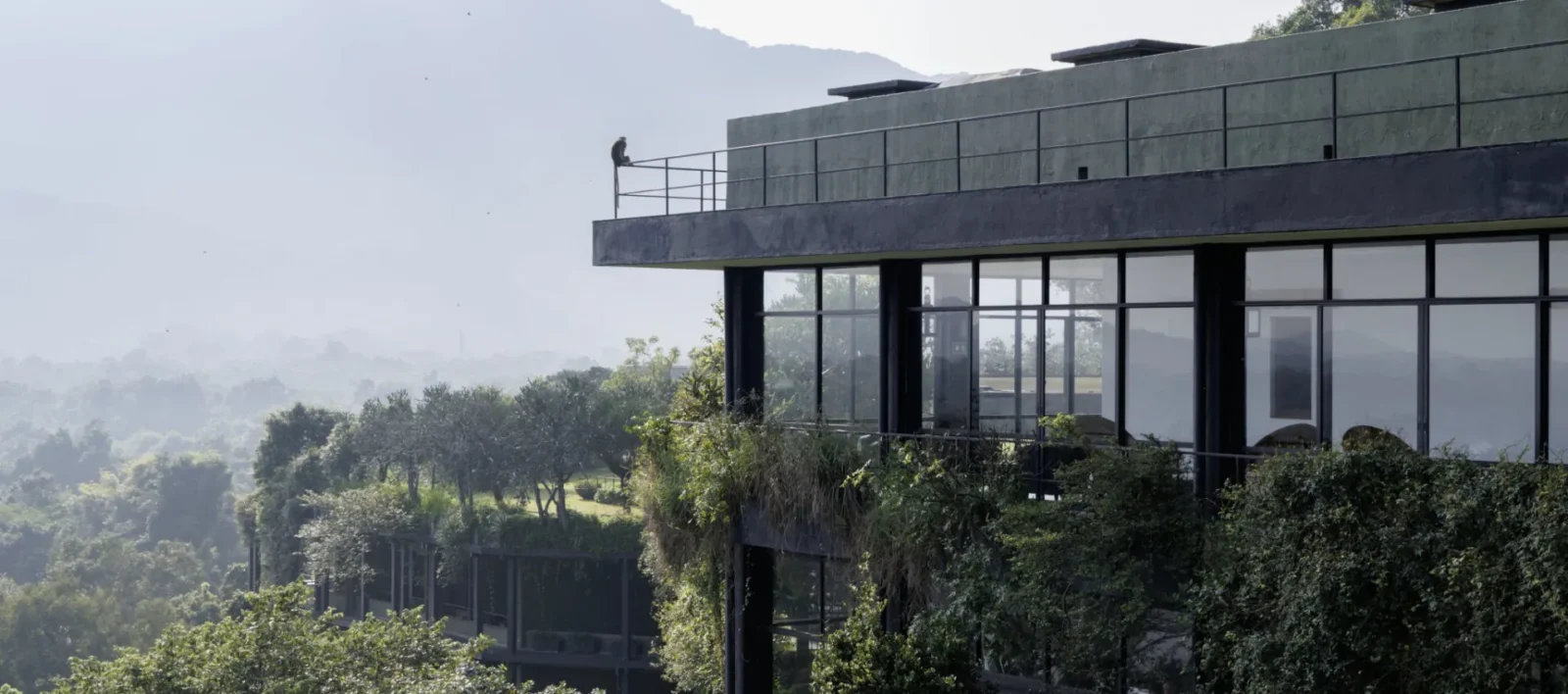
Vitra Museum Stages First Major Geoffrey Bawa Retrospective in Decades
Vitra Design Museum opens the first major Geoffrey Bawa retrospective in 20...
 illustrarch Editoral Team2 Mins read
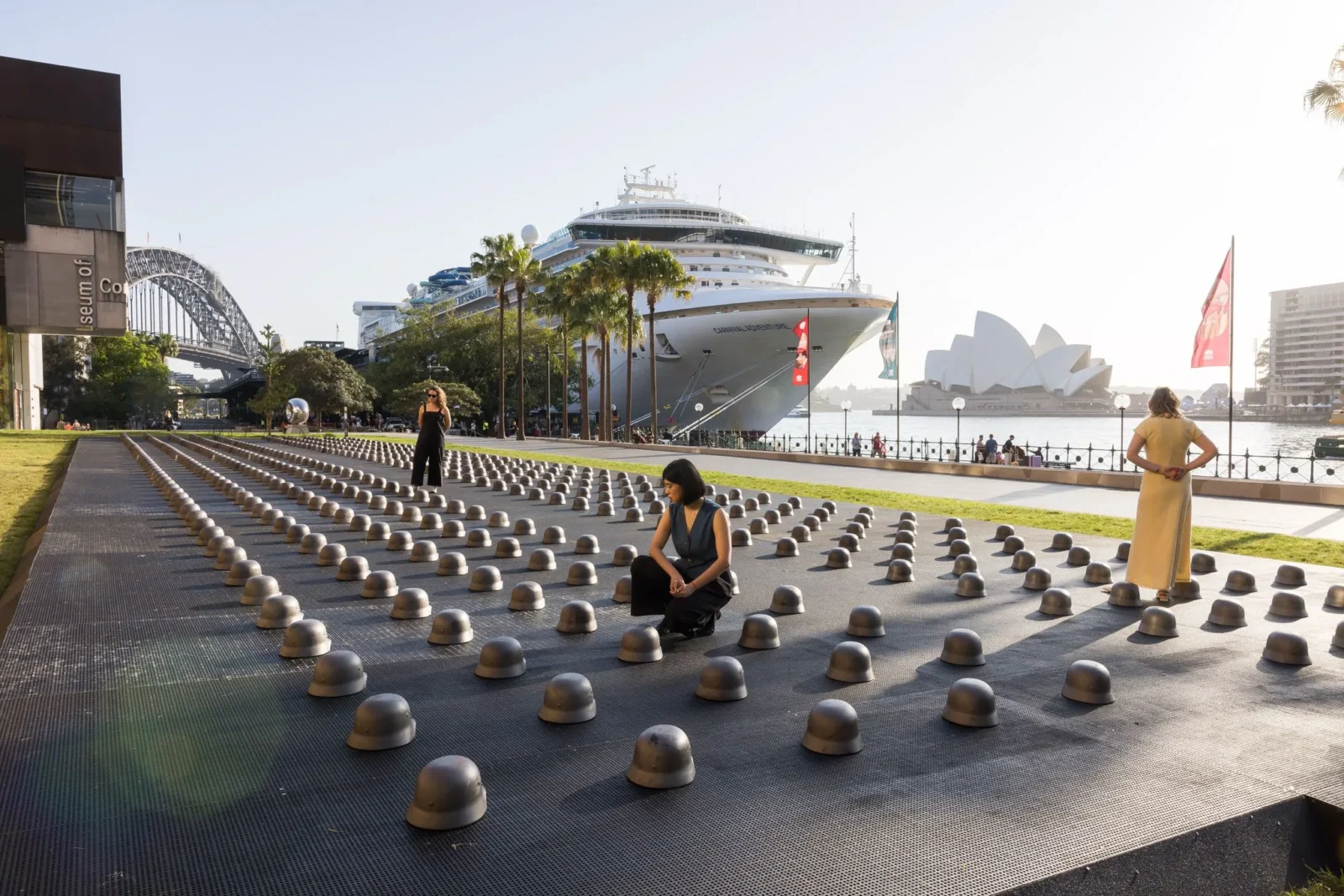
Ai Weiwei Installs 500 Cast-Iron Helmets Outside Sydney Museum
Ai Weiwei's 500 cast-iron helmets opened outside Sydney's MCA on 25 September,...
illustrarch Editoral Team2 Mins read

Isamu Noguchi at Lever House Traces Sculptor’s Decades-Long Collaboration with Bunshaft
Lever House's new exhibition pairs Noguchi sculptures with unbuilt garden designs made...
illustrarch Editoral Team2 Mins read
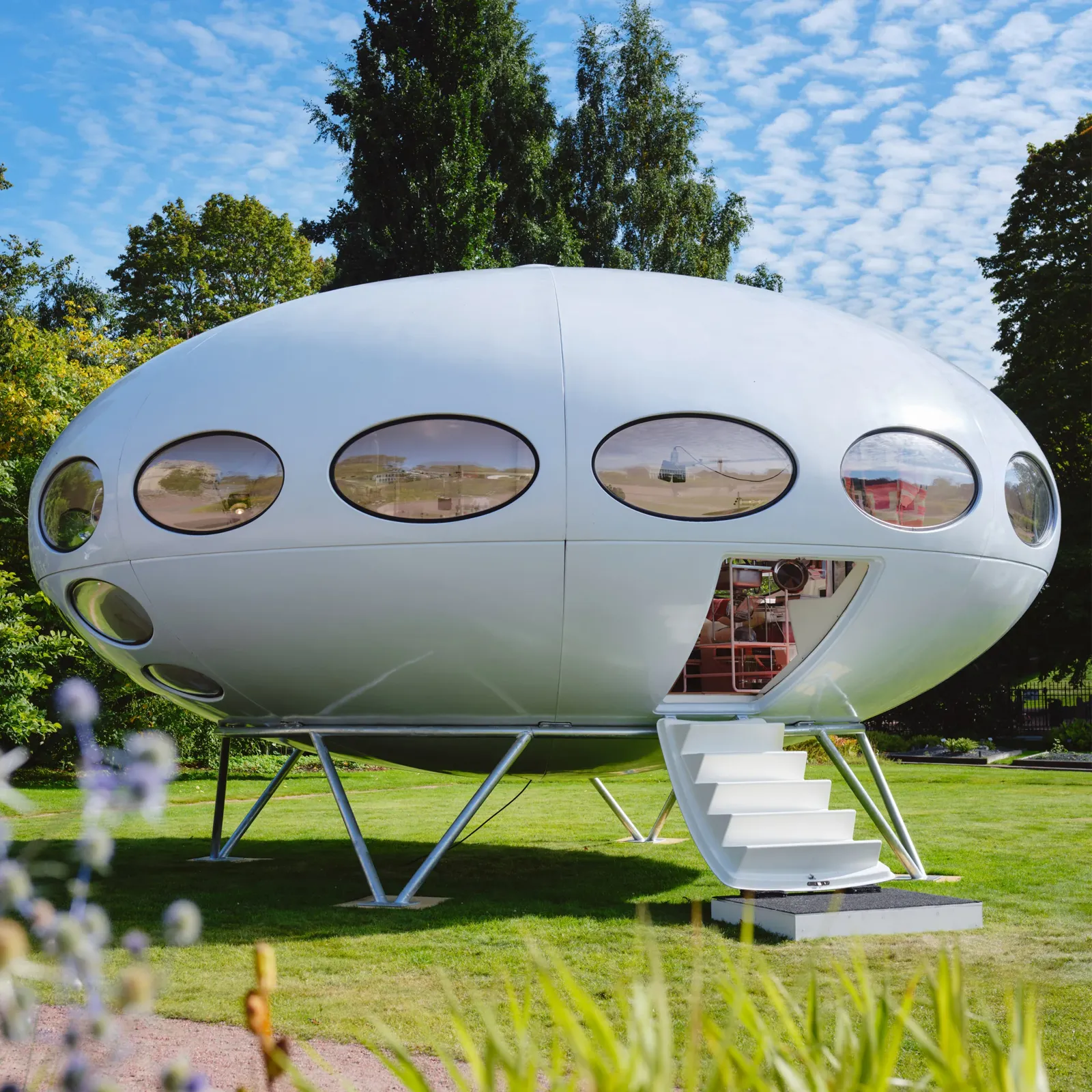
Futuro House Production Revived in Finland After Decades-Long Hiatus
A Facebook listing for abandoned moulds led to the first new Futuro...
illustrarch Editoral Team3 Mins read


Leave a comment