

CoHousing
CoHousing transforms a historic 1920s mansion in Peer, Belgium into a shared living project that preserves its original character while promoting community living.
 illustrarch Editoral Team1 July 20191 Mins read340
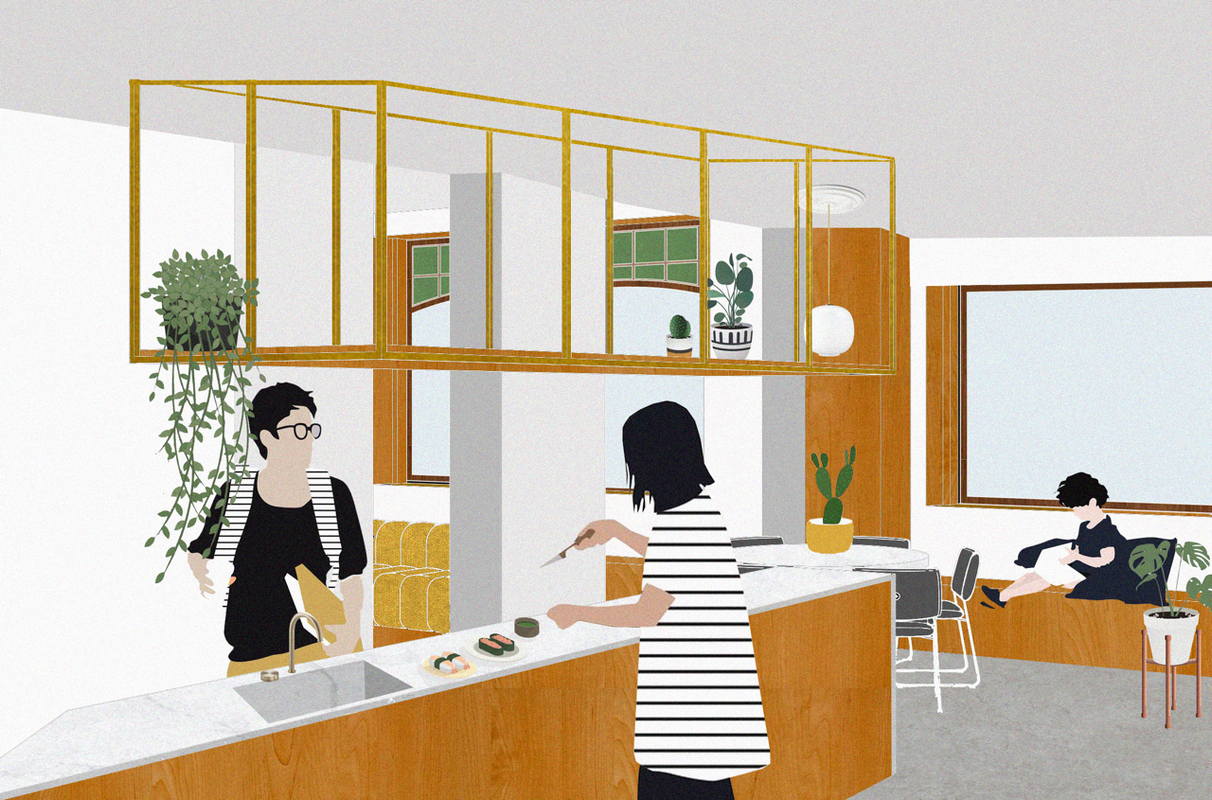


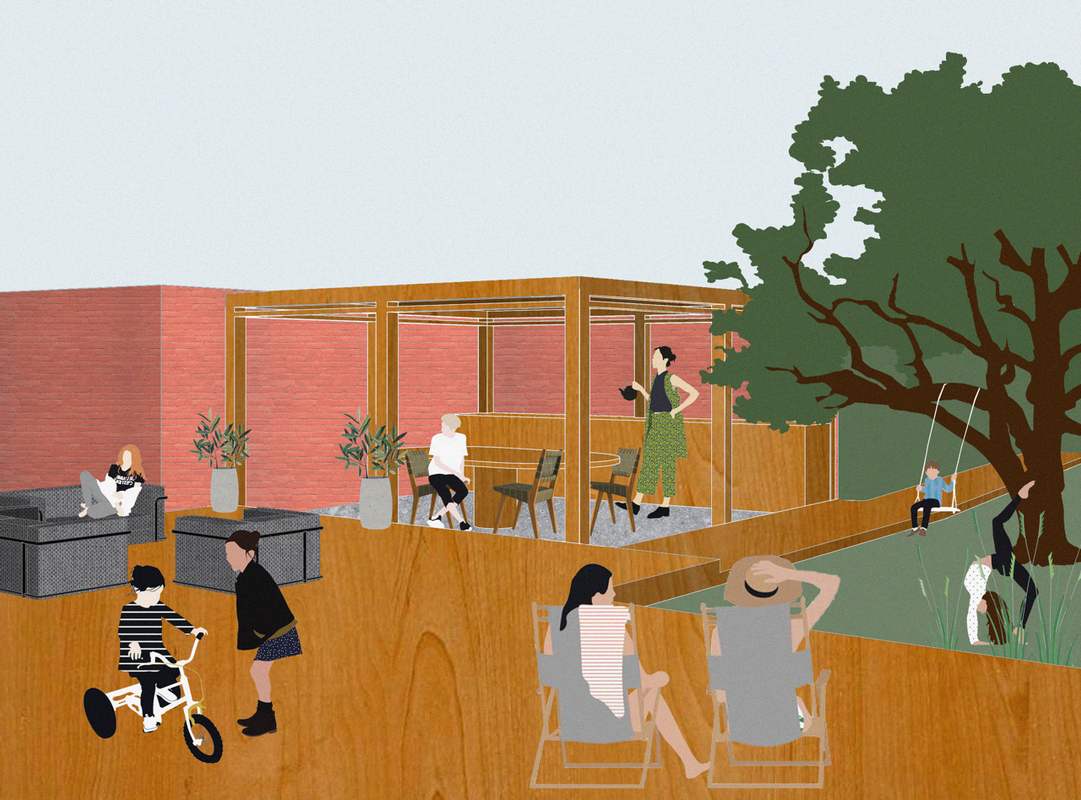
CoHousing transforms a 1920s mansion in the centre of Peer, Belgium into a shared living project that keeps the building’s original character intact. Designed by architect Loes Maas, the scheme treats the existing house as an asset rather than a constraint, working with its many fine exterior and interior details to enrich daily life for the people who live there together.
The mansion was built around 1920 and carries a wealth of period detail on both its facade and inside its rooms. These features contribute directly to the quality of living, so preserving them is a central goal of the project. Rather than stripping the house back to a blank shell, the design folds these details into the new shared arrangement, allowing the craftsmanship of an earlier era to remain visible and useful.
The challenge of cohousing in a historic building
Cohousing asks a building to do two things at once: give each household a private, self contained home, and provide generous common spaces where neighbours cook, gather, and share resources. Inserting that model into an older mansion is a careful balancing act. Generous existing rooms can become shared kitchens or living areas, while smaller spaces suit private units, but the layout must respect load bearing walls, original staircases, and the proportions that give the house its quality. Cohousing as a model has grown across Europe precisely because it offers community and shared upkeep without sacrificing personal space.
Adapting an early twentieth century house also means reading it closely before changing it. Sensitive adaptive reuse keeps embodied energy and cultural memory in place, avoiding the waste of demolition while updating the home for contemporary comfort and shared use. Decisions about insulation, services, and circulation have to slot in around the elements worth keeping, which calls for patience and restraint from the designer.
Located in Peer, a town in the Belgian province of Limburg, the project shows how a single well built house can support a small community when its history is respected. By placing preservation at the heart of the brief, Loes Maas demonstrates that shared living and architectural heritage can reinforce one another instead of competing.




Residential Architecture Face-Off: Co-Living vs Traditional Apartment for Urban Housing
Co-living and traditional apartments represent two distinct approaches to residential architecture in...
 Furkan Sen8 Mins read
Designing a Liminal Space Where Urban Meets Coastal
The Liminal House by Mcleod Bovell Modern Houses in West Vancouver is...
 Elif Ayse Sen5 Mins read

House in Nakano: A 96 m² Tokyo Architecture Marvel by HOAA
House in Nakano, designed by HOAA, creatively addresses urban density challenges by...
 Bahattin Duran6 Mins read

Bridleway House by Guttfield Architecture
Bridleway House by Guttfield Architecture is a barn-inspired timber extension that reframes...
 Begum Gumusel3 Mins read


Leave a comment