

How to Remodel a Bathroom for Aging in Place in Washington
Remodeling a bathroom for aging in place in Washington involves incorporating safety features like walk-in showers, grab bars, non-slip flooring, and accessible storage.
 Elif Ayse Sen25 February 20254 Mins read349
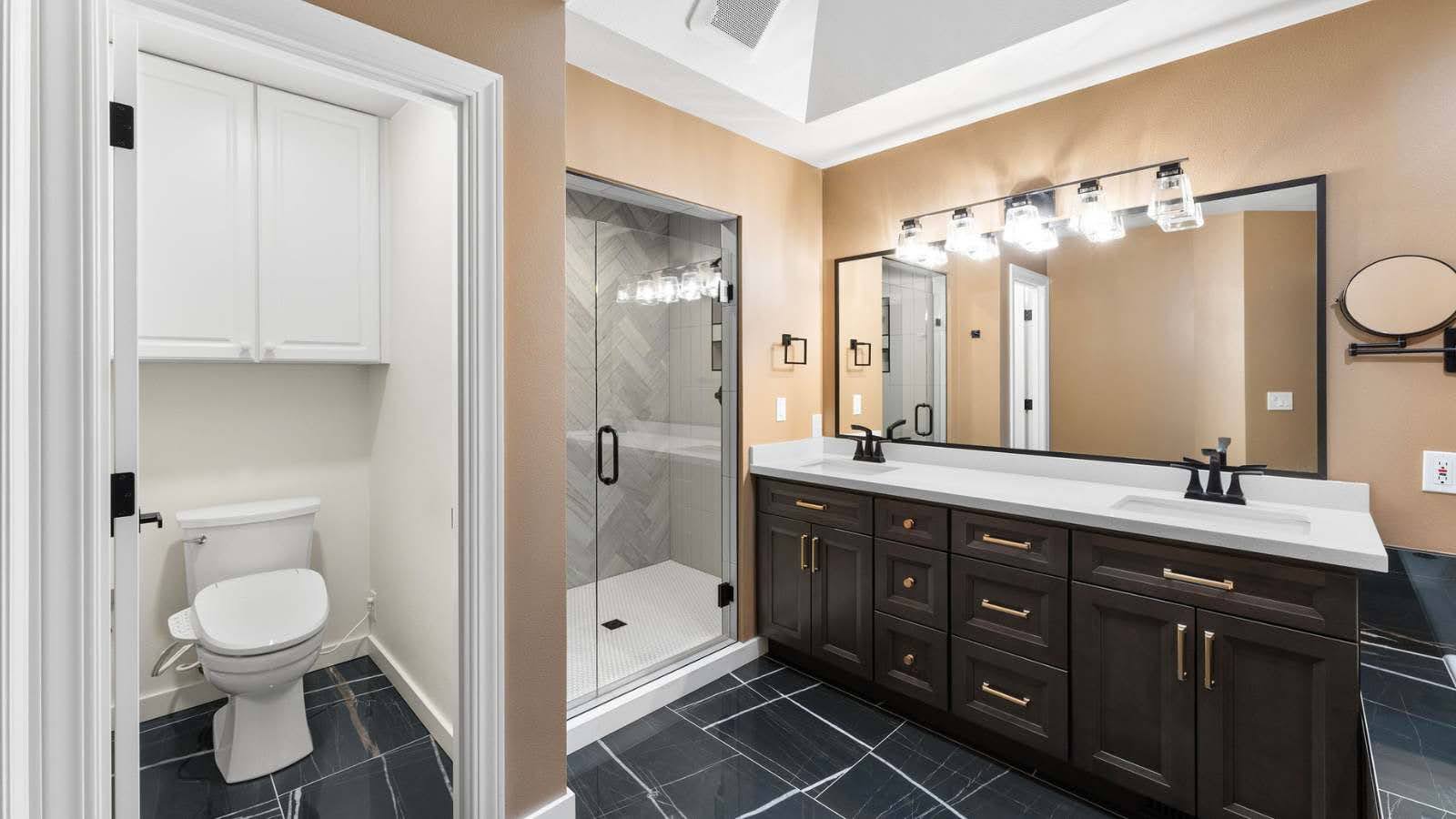
Table of Contents Show
As we age, our homes need to adapt to our changing needs. One of the most important spaces to consider is the bathroom. For seniors, the bathroom can be a challenging area due to slippery surfaces, tight spaces, and hard-to-reach fixtures. Remodeling your bathroom to make it safer and more accessible is a smart investment, especially if you plan to age in place in Washington. In this blog post, we’ll guide you through the steps to create a bathroom that is both functional and stylish, ensuring it meets the needs of aging adults.
What Does “Aging in Place” Mean?
Aging in place means living in your home safely, independently, and comfortably as you grow older. It’s about making your home adaptable to your changing needs, so you don’t have to move to a retirement community or assisted living facility. In Washington, where many people value their independence and connection to their communities, aging in place is a popular choice.

Why Remodel Your Bathroom for Aging in Place?
The bathroom is one of the most frequently used rooms in the house, but it’s also one of the most dangerous for seniors. Slippery floors, high bathtubs, and hard-to-reach shelves can lead to accidents. By remodeling your bathroom, you can reduce the risk of falls and injuries, making it easier to maintain your independence.
Key Features of an Aging-in-Place Bathroom
When remodeling your bathroom for aging in place, there are several key features to consider:
- Walk-In Shower or Tub: A walk-in shower or tub eliminates the need to step over a high ledge, reducing the risk of falls. Add a built-in bench for added comfort and safety.
- Grab Bars: Install grab bars near the toilet, shower, and bathtub to provide support and stability. Make sure they are securely anchored to the wall.
- Non-Slip Flooring: Choose non-slip flooring materials to prevent falls, even when the floor is wet. Textured tiles or vinyl flooring are good options.
- Comfort-Height Toilet: A comfort-height toilet is slightly taller than a standard toilet, making it easier to sit down and stand up.
- Lever-Style Faucets: Replace traditional knobs with lever-style faucets, which are easier to use for people with arthritis or limited hand strength.
- Good Lighting: Ensure the bathroom is well-lit to prevent accidents. Consider adding motion-sensor lights for added convenience.
- Accessible Storage: Install shelves and cabinets at a height that is easy to reach without bending or stretching.
Steps to Remodel Your Bathroom for Aging in Place
- Assess Your Needs: Start by evaluating your current bathroom and identifying areas that need improvement. Consider your mobility, balance, and any health conditions that may affect your ability to use the bathroom safely.
- Plan Your Layout: Work with a designer or contractor to create a layout that maximizes space and accessibility. Make sure there is enough room for a wheelchair or walker if needed.
- Choose the Right Materials: Select materials that are durable, easy to clean, and slip-resistant. For example, choose textured tiles for the floor and walls, and opt for low-maintenance countertops.
- Install Safety Features: Add grab bars, non-slip mats, and a shower seat to make the bathroom safer. Consider installing a handheld showerhead for added convenience.
- Upgrade Fixtures: Replace old fixtures with ones that are easier to use, such as lever-style faucets and a comfort-height toilet. Consider installing a thermostatic shower valve to prevent scalding.
- Improve Lighting: Add bright, energy-efficient lighting to the bathroom. Consider installing LED lights, which are long-lasting and provide excellent illumination.
- Add Accessible Storage: Install shelves and cabinets at a height that is easy to reach. Consider using pull-out drawers or baskets for easier access to items.
- Consider a Professional Assessment: If you’re unsure where to start, consider hiring an occupational therapist or aging-in-place specialist to assess your bathroom and recommend modifications.

Budgeting for Your Bathroom Remodel
Remodeling a bathroom for aging in place can be a significant investment, but it’s worth it for the safety and comfort it provides. The cost will depend on the scope of the project, the materials you choose, and whether you hire a professional contractor. In Washington, the average cost of a bathroom remodel ranges from
10,000to
10,000to25,000, but costs can vary widely.
To save money, consider prioritizing the most important changes, such as installing grab bars and non-slip flooring. You can also look for grants or financial assistance programs in Washington that help seniors make home modifications.
Hiring a Contractor in Washington
If you decide to hire a contractor for your bathroom remodel, make sure to choose one with experience in aging-in-place modifications. Look for a licensed and insured contractor who has good reviews and references. In Washington, you can check the Washington State Department of Labor & Industries website to verify a contractor’s license.
Final Thoughts
Remodeling your bathroom for aging in place is a smart way to ensure your home remains safe and comfortable as you grow older. By making simple changes like adding grab bars, installing non-slip flooring, and upgrading fixtures, you can create a bathroom that meets your needs and allows you to maintain your independence.
In Washington, where many people value their homes and communities, aging in place is a popular choice. With the right modifications, you can continue to enjoy your home for years to come. Start planning your bathroom remodel today, and take the first step toward a safer, more accessible future.
By following these tips, you can create a bathroom that is not only functional but also stylish and comfortable. Whether you’re planning for yourself or a loved one, remodeling for aging in place is a worthwhile investment that will pay off in safety and peace of mind.




Futuro House Production Revived in Finland After Decades-Long Hiatus
A Facebook listing for abandoned moulds led to the first new Futuro...
 illustrarch Editoral Team3 Mins read
Building Your Dream Home in NSW: What You Should Know About Montgomery Homes
Montgomery Homes has been building across Sydney, Newcastle, the Hunter, Wollongong and...
illustrarch Editoral Team4 Mins read
Designing a Home Theater: Where Drapery Fits Into the Plan
In a media room the curtains are a performance layer, not decoration....
illustrarch Editoral Team3 Mins read

Oscar Niemeyer’s Cathedral of Brasília: The Hyperboloid Concrete Hymn
The Cathedral of Brasília reads as a single gesture, yet it stood...
 Furkan Sen7 Mins read


Leave a comment