

3D Printed Homes: Time, Cost, and What to Expect
3D printed homes explained: realistic timelines (24–72h walls, 8–16 weeks total), true costs ($140–$250/sq ft), savings, and what to expect on site—no hype.
 Sinan Ozen14 December 20254 Mins read351
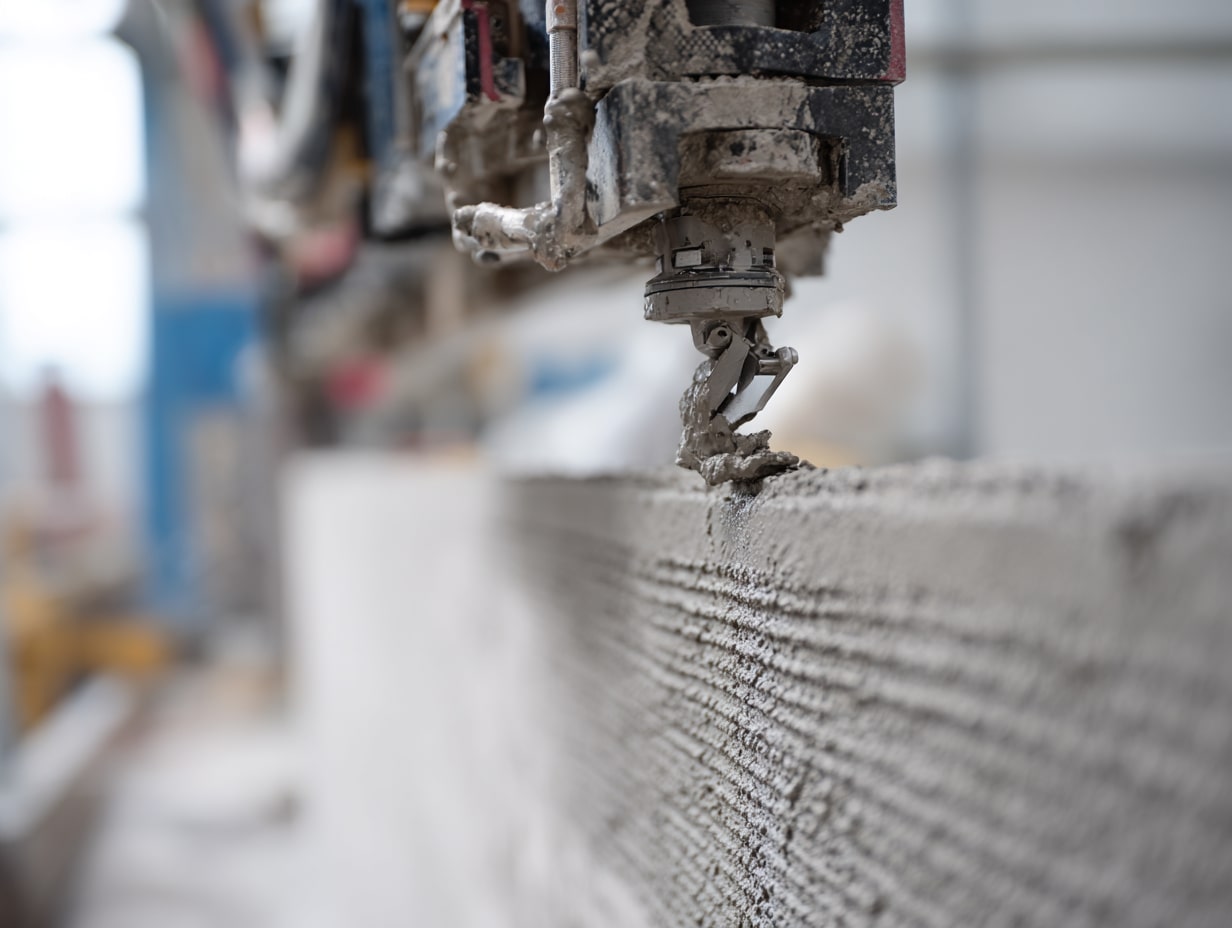
Table of Contents Show
3D printed homes aren’t sci‑fi anymore, they’re jobsite reality. We’re seeing projects go from permit to move‑in faster, with tighter shells and less waste than many stick‑built homes. But the hype can get ahead of the process. In this guide, we break down how the printing actually works, realistic timelines, where the money goes, and what you’ll see on site and in your finished house. If you’re considering 3D printed homes, here’s what to expect, without the sales gloss.
How 3D Printed Homebuilding Works Today
Printing Versus Conventional Steps
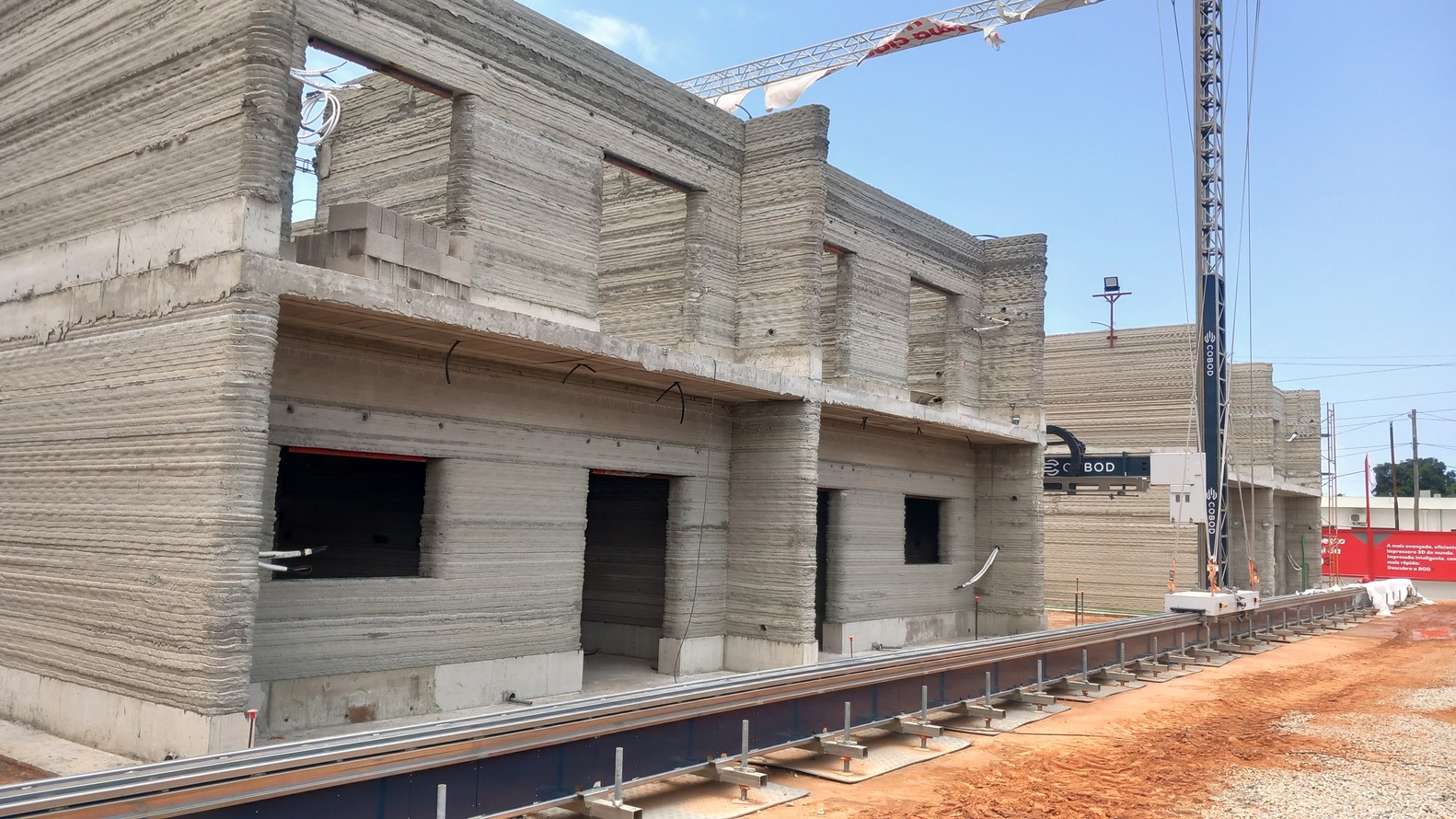
We print the structural wall system, not the entire house. A gantry or robotic arm places bead‑like layers of a cementitious mix to form exterior and some interior walls. We still follow conventional steps for foundations, roofs, windows and doors, mechanical/electrical/plumbing (MEP), insulation strategies, and finishes. Think of printing as replacing framing, sheathing, and some siding, roughly the shell’s vertical structure.
Materials, Mixes, and Printer Types
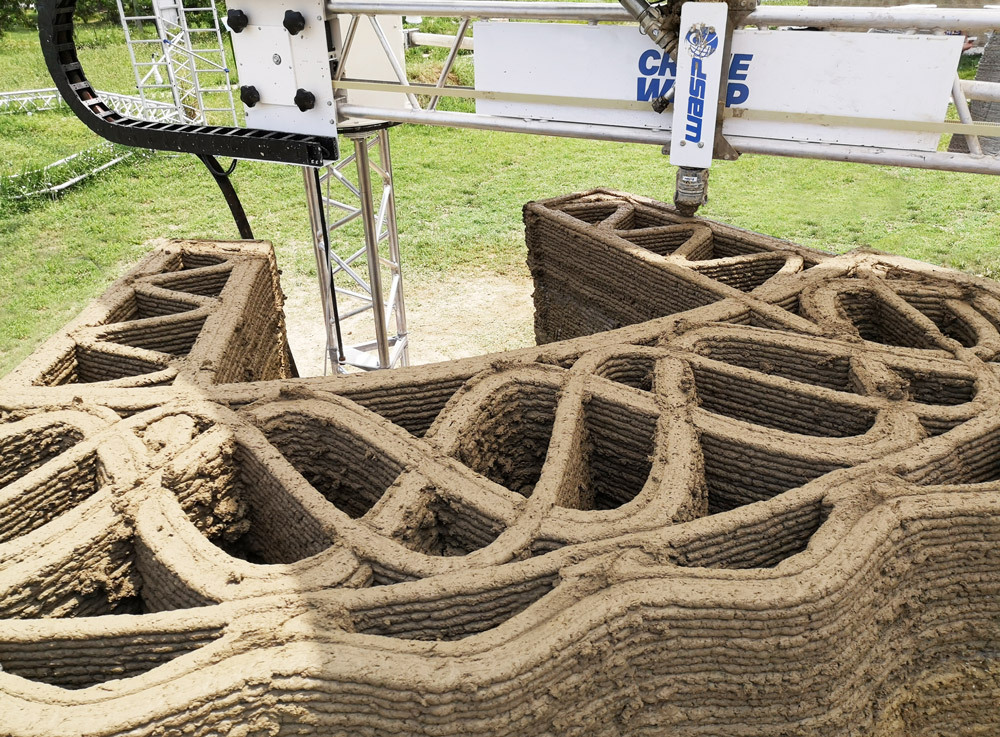
Most systems use a proprietary concrete or mortar with admixtures for pumpability, set control, and early strength. Supplementary cementitious materials (like fly ash or slag) can lower embodied carbon. Printers vary: large gantries for speed and repeatability: robotic arms for tighter sites and curves. Typical layer heights are 10–20 mm, with nozzle widths around 25–50 mm, giving that signature ribbed texture unless later skim‑coated.
Where Automation Starts and Stops
Automation is strongest in wall fabrication, consistent geometry, reduced labor, and near‑zero off‑cuts. It currently stops at complex tasks: rebar detailing, MEP routing, window/door installation, roofing, and most finishes. We integrate conduits and block‑outs during printing, but human crews still own fit‑out. The sweet spot: simple floor plans, single–two story, limited structural spans, and repeatable layouts.
Timeline: From Permit to Move-In
Preconstruction: Design, Engineering, and Permits
Expect 4–10 weeks depending on jurisdiction. We finalize a print‑friendly plan, structural engineering, mix and printer approvals, and any third‑party evaluations required by the building department. Pre‑construction is where schedule is won or lost.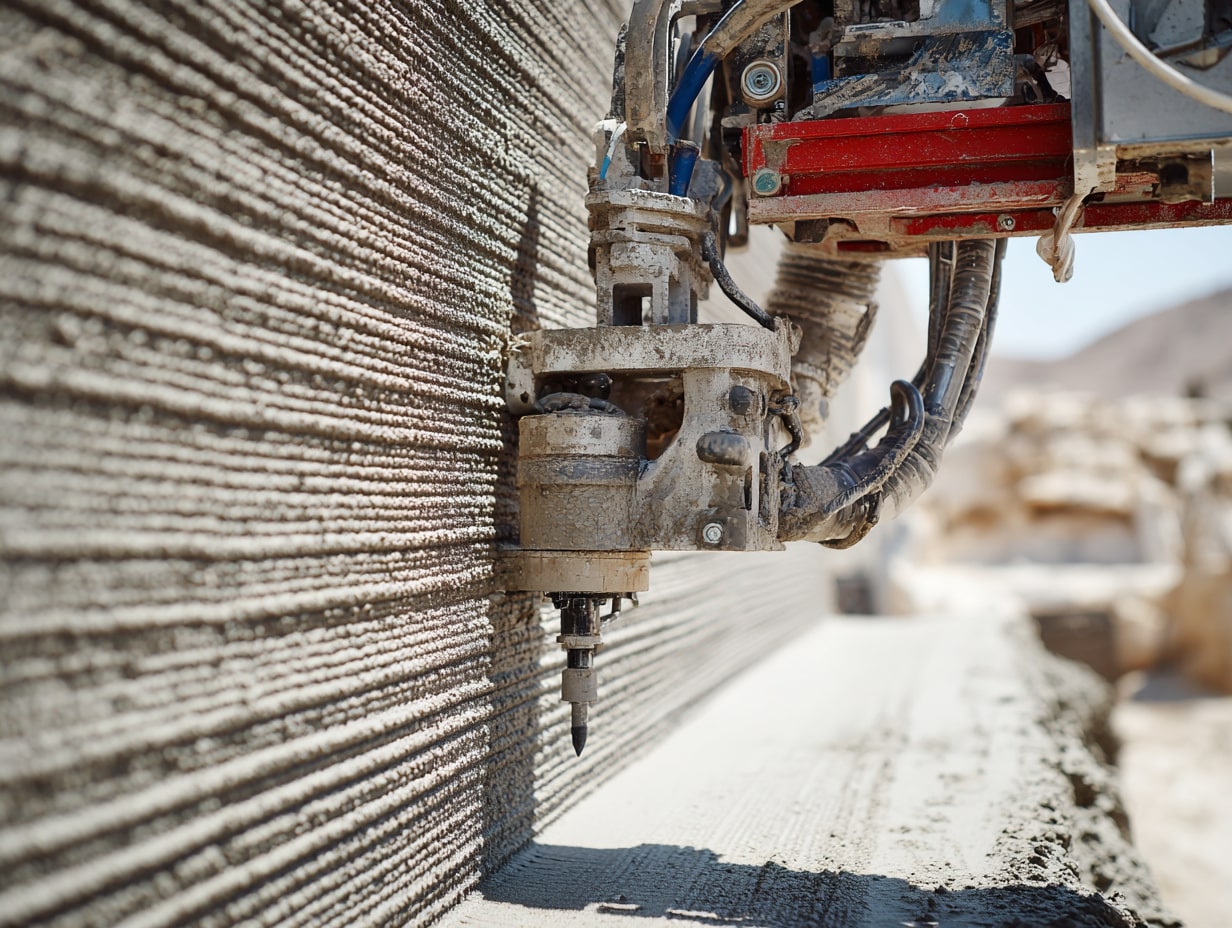
Onsite Prep and Foundation
Site work and foundation remain conventional: grading, utilities, footings/slab, anchor details, and print datum setup. Timeline: 1–3 weeks depending on soil, weather, and inspections.
Print Time, Layering, and Curing
Printing a 1,000–2,000 sq ft single‑story home’s walls typically takes 24–72 hours of machine time, often spread over 3–5 days to coordinate inspections and embed components. Initial set allows continued layering: full structural cure follows standard concrete practices. We protect against rain/wind and monitor temps for performance.
MEP Rough-Ins, Roof, Windows, and Finishes
After walls, we set trusses or other roof systems, install windows/doors, rough‑in MEP, add insulation strategies (cavity inserts, interior studs, or exterior foam), then drywall/skim coats and finishes. Plan 6–10 weeks depending on crews and lead times.
Inspections and Certificate of Occupancy
Inspections mirror conventional builds with a few extras: mix records, layer/pour logs, reinforcement, and special inspections as required. Final walkthrough and punch list lead to Certificate of Occupancy. Total realistic duration: 8–16 weeks from permit issuance to move‑in for straightforward builds.
Cost Breakdown and Savings Potential
Fixed vs. Variable Costs
Fixed costs, design, engineering, permits, utility taps, and mobilization, don’t shrink much. Variable costs, wall fabrication labor and materials, benefit from printing. The more repeatable the plan, the better the economics.
Printer Mobilization, Crew, and Consumables
Mobilization can run $10k–$50k depending on distance, setup, and duration. A typical print crew is 3–5 people: operator, pump/mixture tech, spotters, and QC. Consumables include the mix, admixtures, nozzles/hoses, and layout materials. Weather contingencies and standby time should be budgeted.
Shell Cost vs. Total Project Cost
Printing often yields wall shell costs in the $20–$60 per sq ft range, replacing framing/sheathing and some labor. But the total project cost still includes foundation, roof, windows/doors, MEP, insulation, finishes, site work, and soft costs. In many markets today, finished costs land around $140–$250 per sq ft, with potential savings of 5–20% on simple plans.
Where Savings Erode: Site Work, Roofs, and Finishes
Complex rooflines, custom windows, extensive site work, or high‑end finishes can wipe out shell savings. Curves look great but may add glazing and roofing complexity. Keep the geometry disciplined if cost is king.
What To Expect Onsite and In the Finished Home
Wall Texture, Thermal Performance, and Acoustics
Printed walls have a ribbed texture. We can preserve it for a contemporary look or skim‑coat for smooth. Solid mineral walls excel at sound attenuation but need a defined insulation strategy: hybrid cores or interior framing with batts/foam are common to hit energy codes.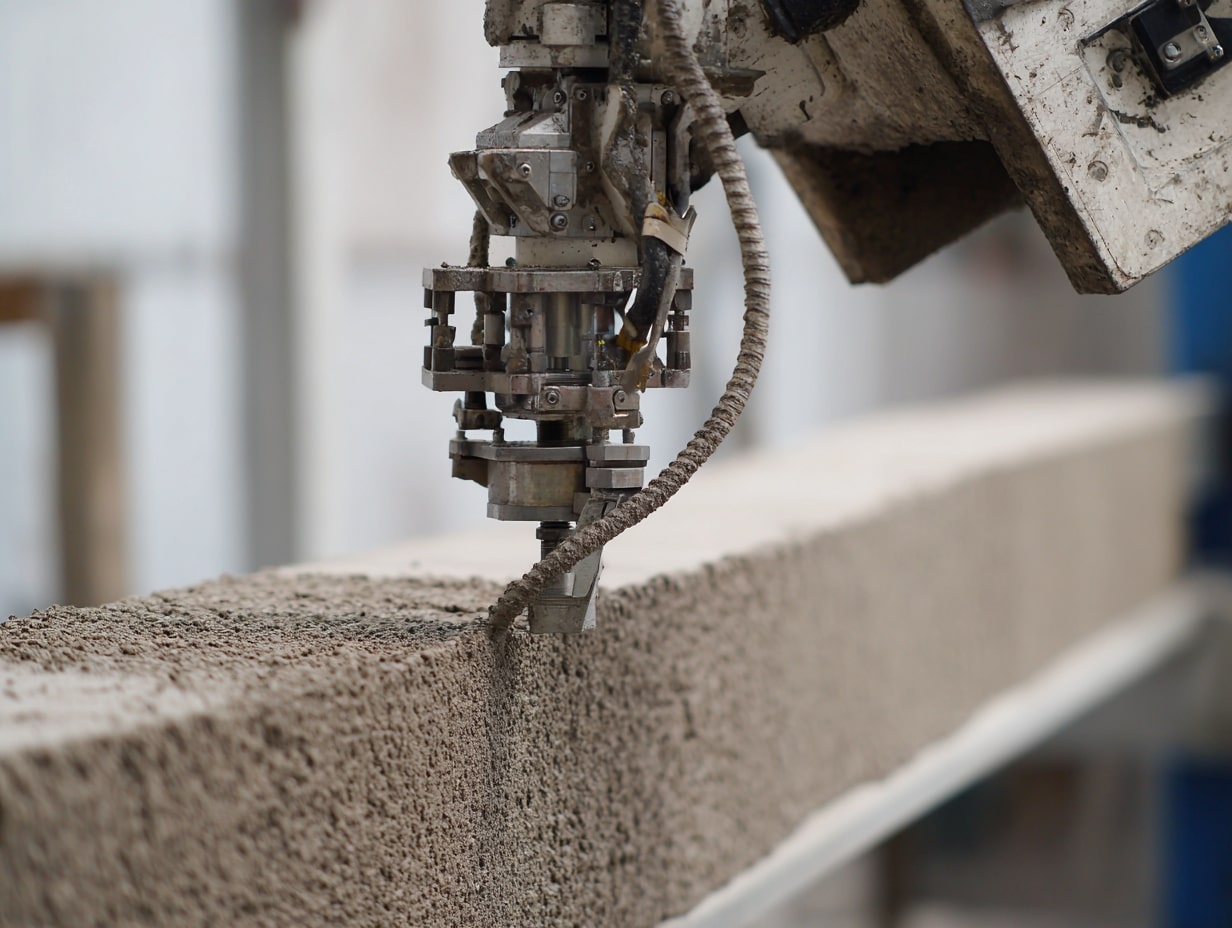
Openings, Roof Systems, and Utilities Integration
Openings are pre‑planned with block‑outs, and lintels or printed details take loads. Truss roofs remain the go‑to for speed. Utilities run in planned chases or interior service walls: don’t expect ad‑hoc routing after print, coordination upfront is essential.
Durability, Weather Resistance, and Code Ratings
Cementitious walls resist rot, termites, and mold. With proper detailing, sills, flashings, WRB where required, they handle weather well. Structural ratings follow engineered design: fire resistance is strong, and impact/wind can meet code with reinforcement and anchorage verified by the engineer.
Barriers, Risks, and How To Mitigate
Permitting, Codes, and Third-Party Certification
Some jurisdictions need evaluation reports or third‑party certification for the print system and mix. We engage the AHJ early, provide structural calcs, QA/QC plans, and documented precedents to keep approvals moving.
Financing, Appraisals, and Insurance Considerations
Construction loans are available, but appraisals can lag due to limited comps. We help appraisers with cost data and specs: many rely on the cost approach. Builder’s risk and homeowners insurance are obtainable, carriers may request material and system documentation.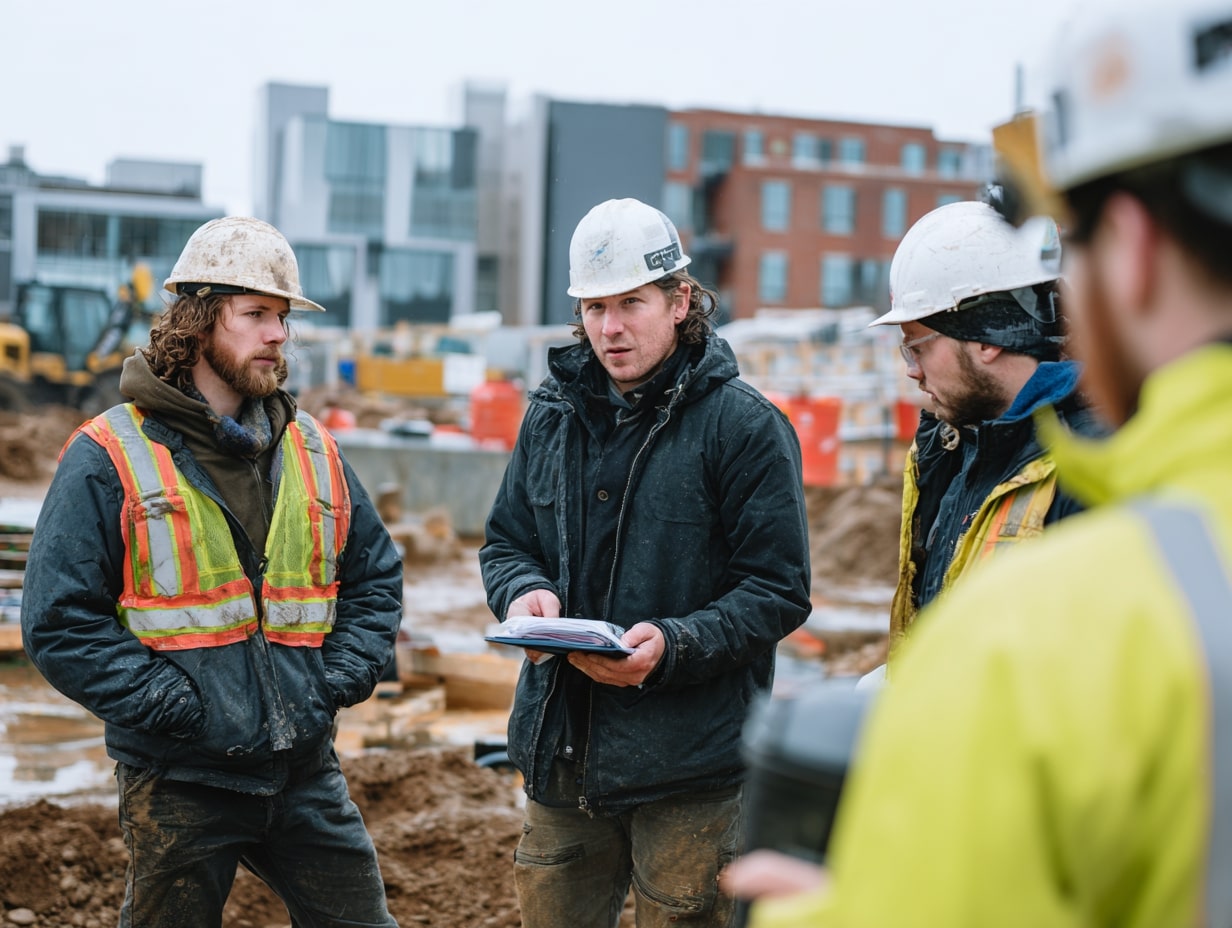
Selecting Experienced Teams and Warranties
Choose teams with completed projects, clear print logs, and field‑tested details. Ask for workmanship warranties and mix performance data. A pilot build or mockup wall can de‑risk complex designs.
Sustainability and Long-Term Outlook
Embodied Carbon, Waste Reduction, and Energy Use
Printing reduces formwork and off‑cuts, trimming construction waste by 30–60% on the wall scope. Mixes with SCMs can cut embodied carbon 20–40%. Energy performance depends on insulation design: airtightness is strong when details are disciplined.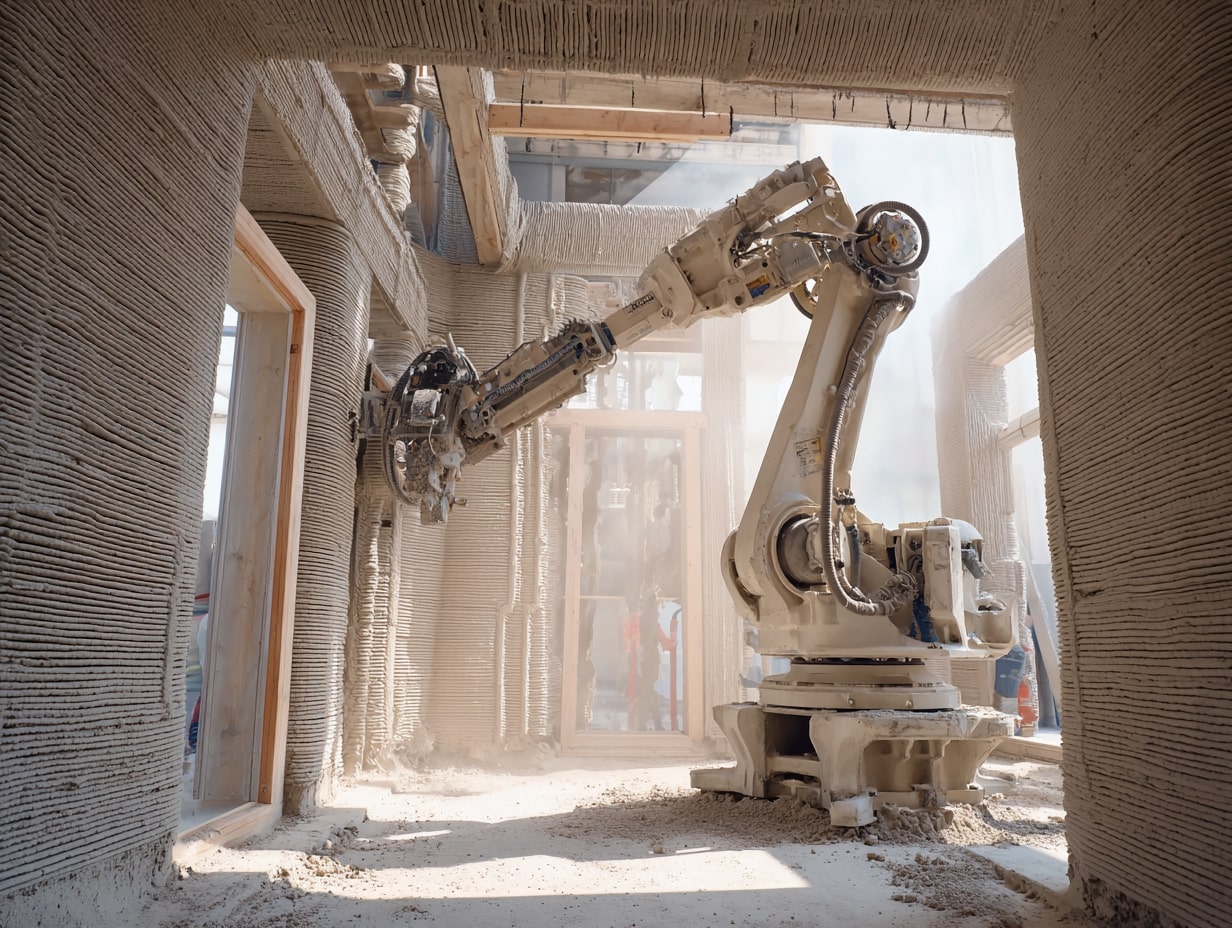
Scalability, Labor Gaps, and Community Builds
Automation helps bridge labor gaps and supports rapid, repeatable housing. The strongest wins appear in small, standardized homes, ADUs, and community builds where crews can print multiple units back‑to‑back with the same setup.
Conclusion
3D printed homes can shave weeks off schedules and reduce waste while delivering durable, modern shells. The best results come from simple, repeatable designs, tight pre‑planning, and experienced teams. If we focus on disciplined geometry and early coordination, the time and cost advantages are real, and growing.


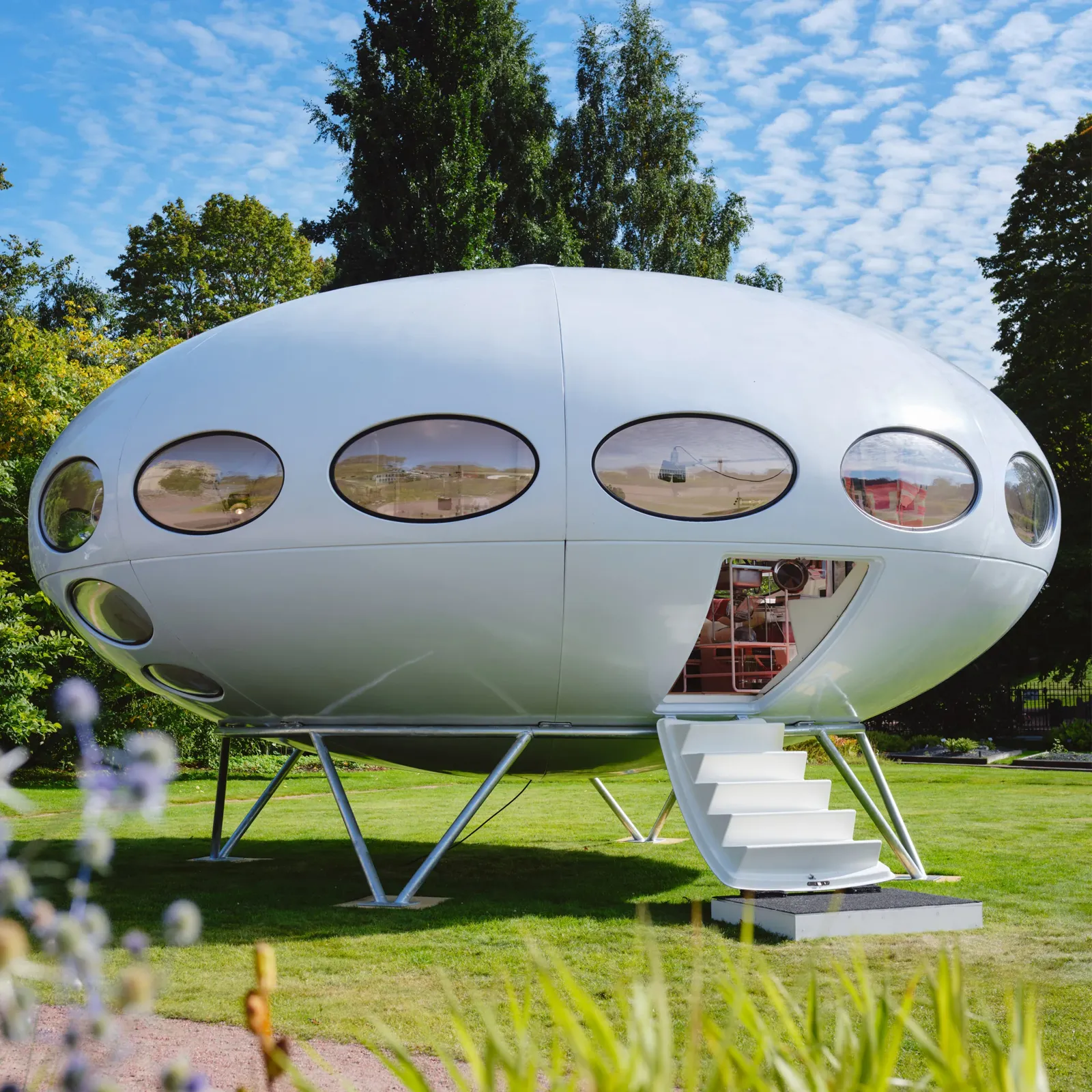
Futuro House Production Revived in Finland After Decades-Long Hiatus
A Facebook listing for abandoned moulds led to the first new Futuro...
 illustrarch Editoral Team3 Mins read
Building Your Dream Home in NSW: What You Should Know About Montgomery Homes
Montgomery Homes has been building across Sydney, Newcastle, the Hunter, Wollongong and...
illustrarch Editoral Team4 Mins read
Designing a Home Theater: Where Drapery Fits Into the Plan
In a media room the curtains are a performance layer, not decoration....
illustrarch Editoral Team3 Mins read
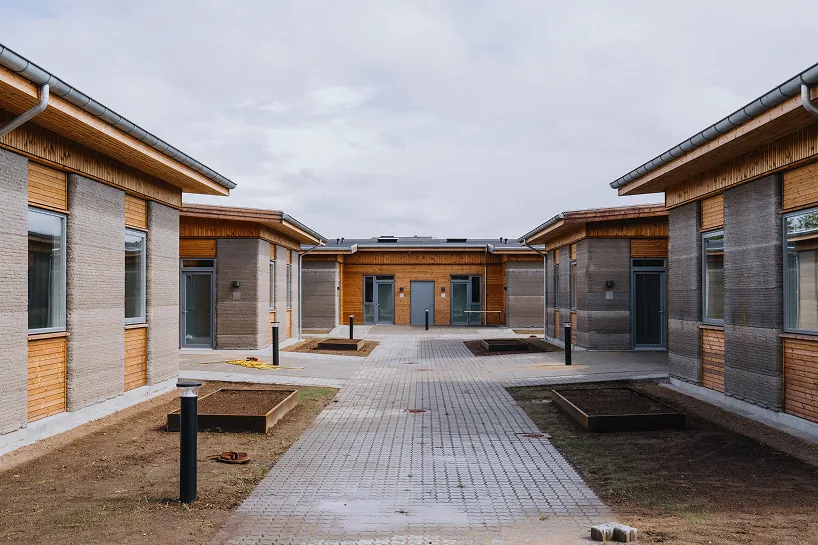
SAGA Space Architects Completes 36 3D Printed Student Homes in Denmark
SAGA Space Architects completes a 36-unit 3D printed student housing scheme in...
illustrarch Editoral Team1 Mins read


Leave a comment