

12 Budget-Friendly Materials for Tiny House Builders
Looking for the best materials for a tiny house on a budget? This guide covers 12 affordable tiny house building materials — including reclaimed wood, SIP panels, corrugated metal roofing, and eco-friendly insulation — that help you manage tiny home construction cost without sacrificing durability, comfort, or sustainability.
 Begum Gumusel15 December 20259 Mins read293
Table of Contents Show
Building a tiny house on a budget means carefully balancing cost, durability, comfort, and sometimes sustainability. Choosing the right materials for a tiny house is one of the most critical decisions you will make during the construction of a tiny house — every material choice matters not only structurally but also in terms of insulation, ease of assembly, long-term maintenance, and overall feel. Whether you are figuring out how to construct a tiny house from scratch or simply looking for ways to reduce your tiny home construction cost, the materials below will help you stretch a tight budget without giving up the essentials of livability, aesthetics, or environmental awareness.
What Is the Best Material for a Tiny House?
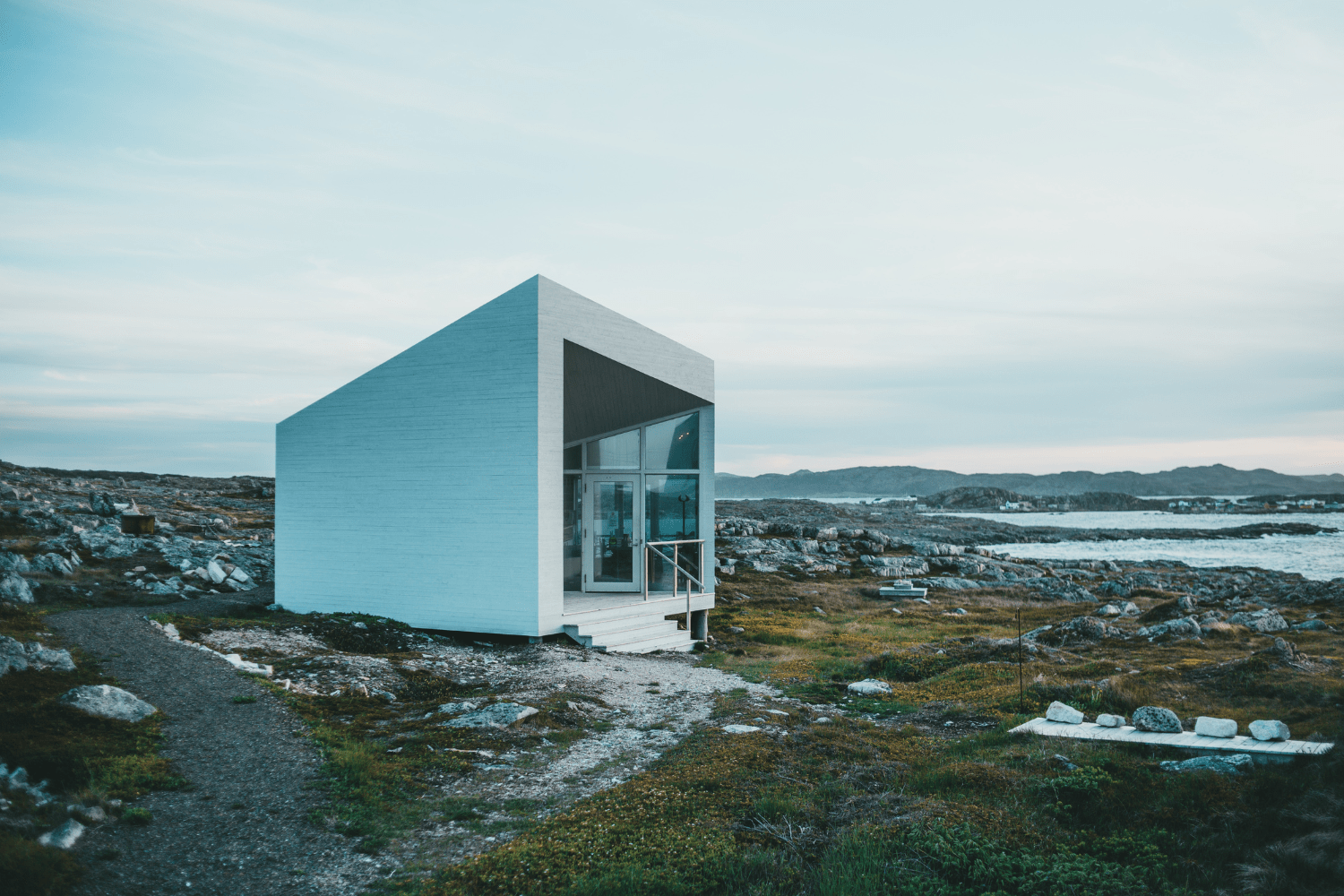
The best material for a tiny house depends on your priorities — budget, mobility, climate, and sustainability goals. For framing, softwoods like pine and spruce remain the most popular choice thanks to their affordability and workability. If you are building a tiny house on wheels, lightweight building materials such as steel framing or SIP panels can help keep weight manageable. For stationary builds, reclaimed wood and OSB provide excellent value. Material selection is one of the main factors influencing the final price of tiny home construction. The twelve tiny house materials listed below represent the most cost-effective options available today.
1. Pine or Spruce Lumber
Softwoods like pine or spruce are among the most affordable tiny house building materials in many regions. They’re commonly used for framing, interior walls, flooring, and even furniture. Because softwoods are easier to cut and shape, they reduce labor time and cost. For a tiny house, where structural spans are limited and loads are modest, pine or spruce can provide all the necessary support while keeping material budgets low. Additionally, these woods take stains and finishes well, allowing aesthetic flexibility without high cost. When planning the construction of a tiny house, pine lumber is often the first item on a tiny house building checklist.
2. Reclaimed or Recycled Wood
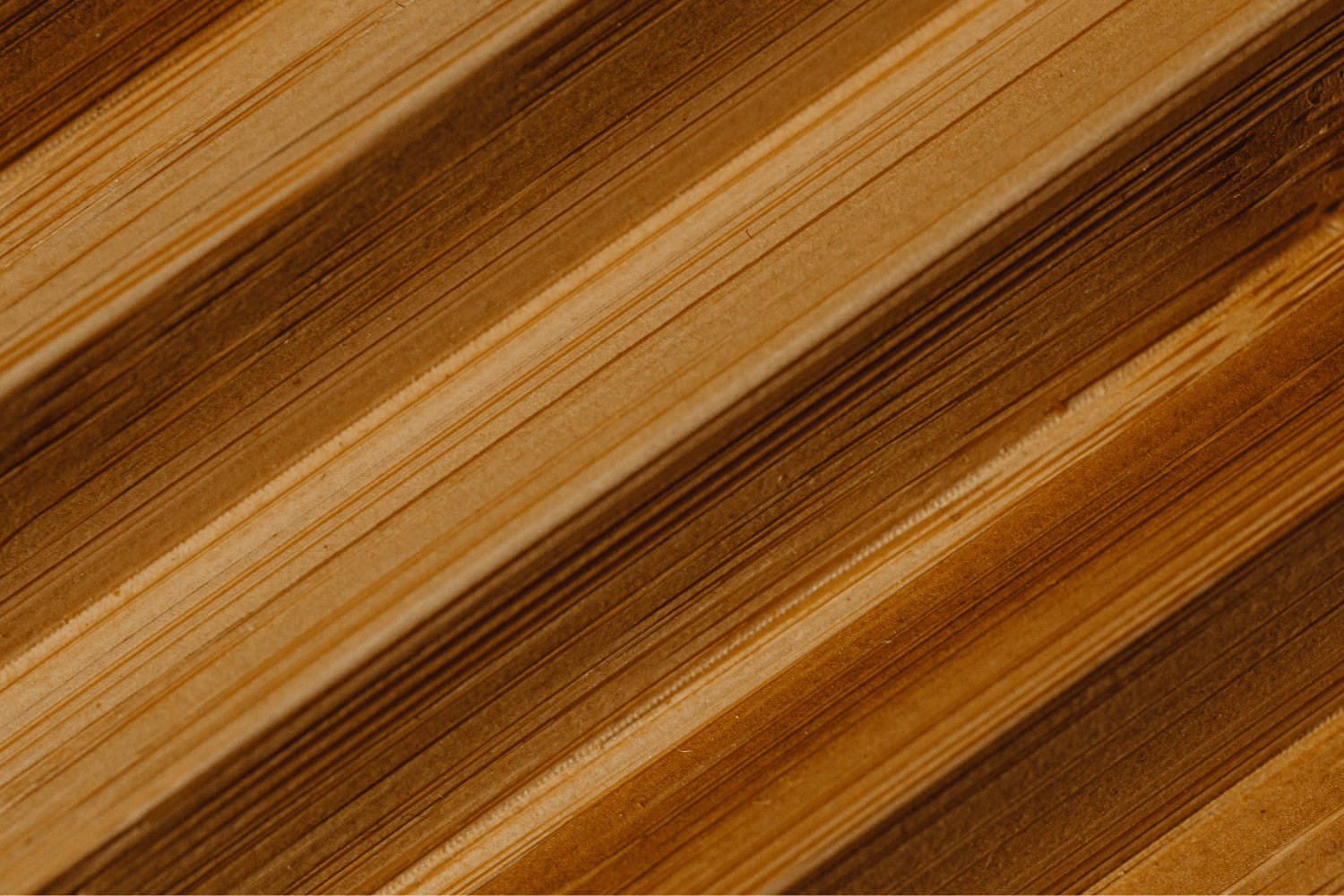
Using reclaimed or recycled wood — for example from dismantled barns, old flooring, or shipping pallets — offers a way to build with character and history at a fraction of the cost of new lumber. This wood can be repurposed for floors, interior paneling, or furniture. Properly treated and inspected, reclaimed wood can be structurally sound and add rustic charm. For tiny houses, this material supports sustainable building practices and reduces environmental footprint. Many builders who research free tiny house plans with material list options find that incorporating reclaimed wood can reduce overall framing costs by 30–50%.
3. OSB (Oriented Strand Board)
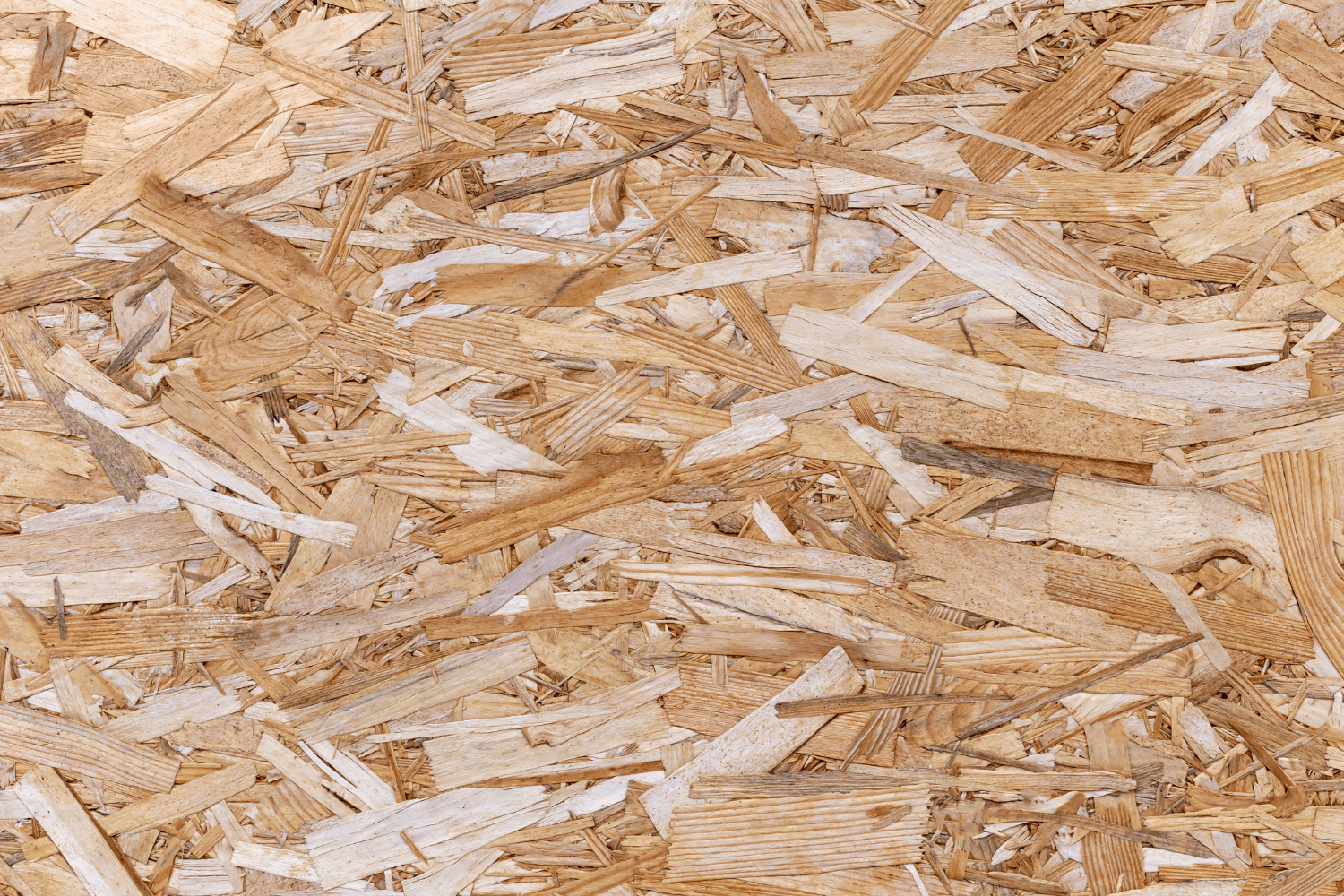
OSB is a cost-effective alternative to plywood for sheathing walls, floors, and roofs. It’s widely available and considerably cheaper per sheet than many plywood options. While it may lack the same finish quality, OSB performs well structurally when used as a backing or underlayment and for structural sheathing in tiny-house framing. Because tiny houses generally have lighter loads than full-size homes, OSB often proves more than adequate for wall and roof sheathing tasks. As a core tiny house material, OSB helps keep the average cost of tiny home construction well below traditional building budgets.
4. SIP Panels (Structural Insulated Panels)
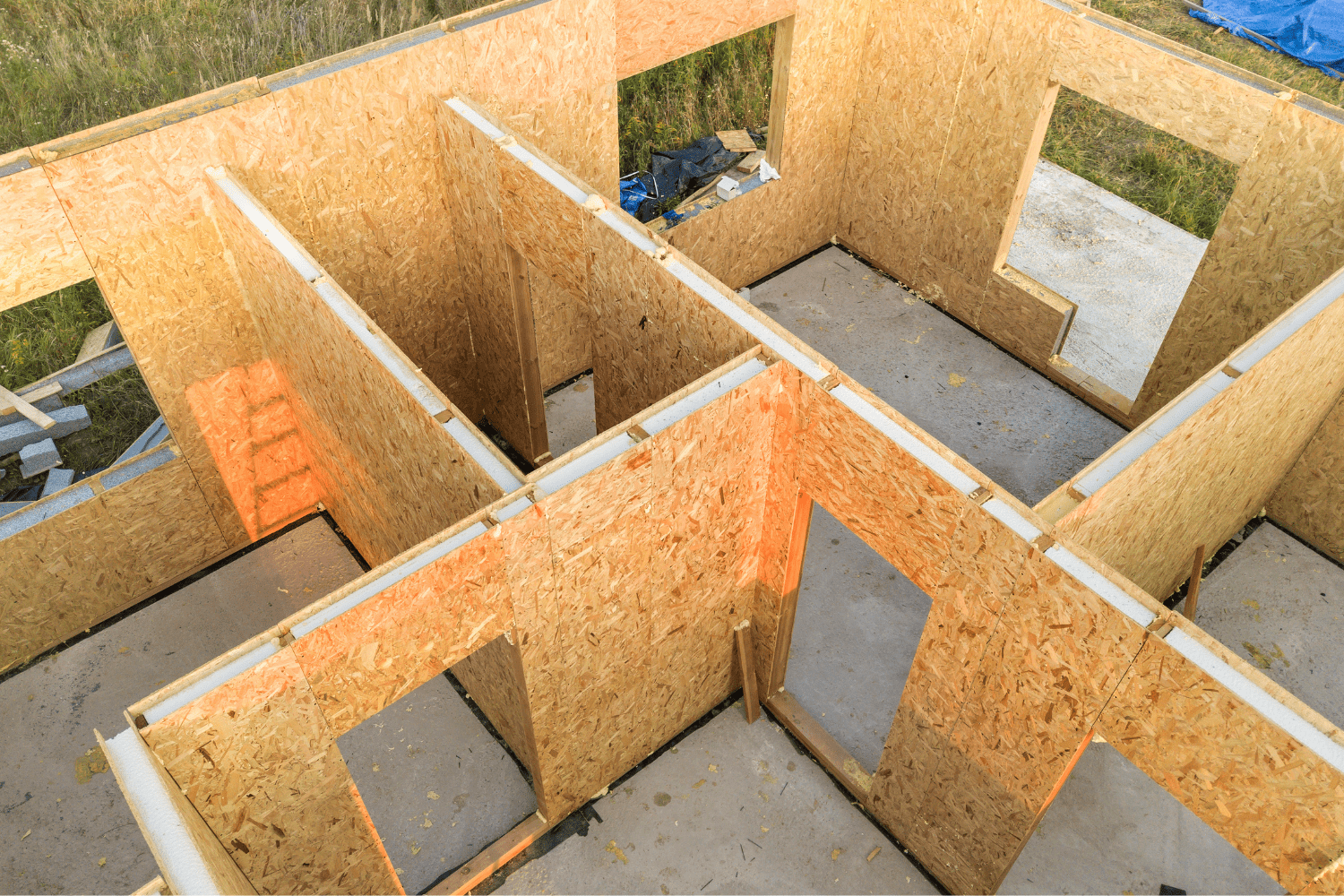
SIP panels — which sandwich insulation between two structural boards — can offer an efficient, cost-effective building solution for tiny houses. They speed up construction, improve insulation, and reduce both labor time and long-term energy costs. Although the upfront cost can be higher than some materials, the savings in heating/cooling and time often balance this. For builders focused on energy efficiency and speed, SIP panels represent a smart compromise between quality and affordability. This is also a popular option in modern prefabricated construction methods worldwide.
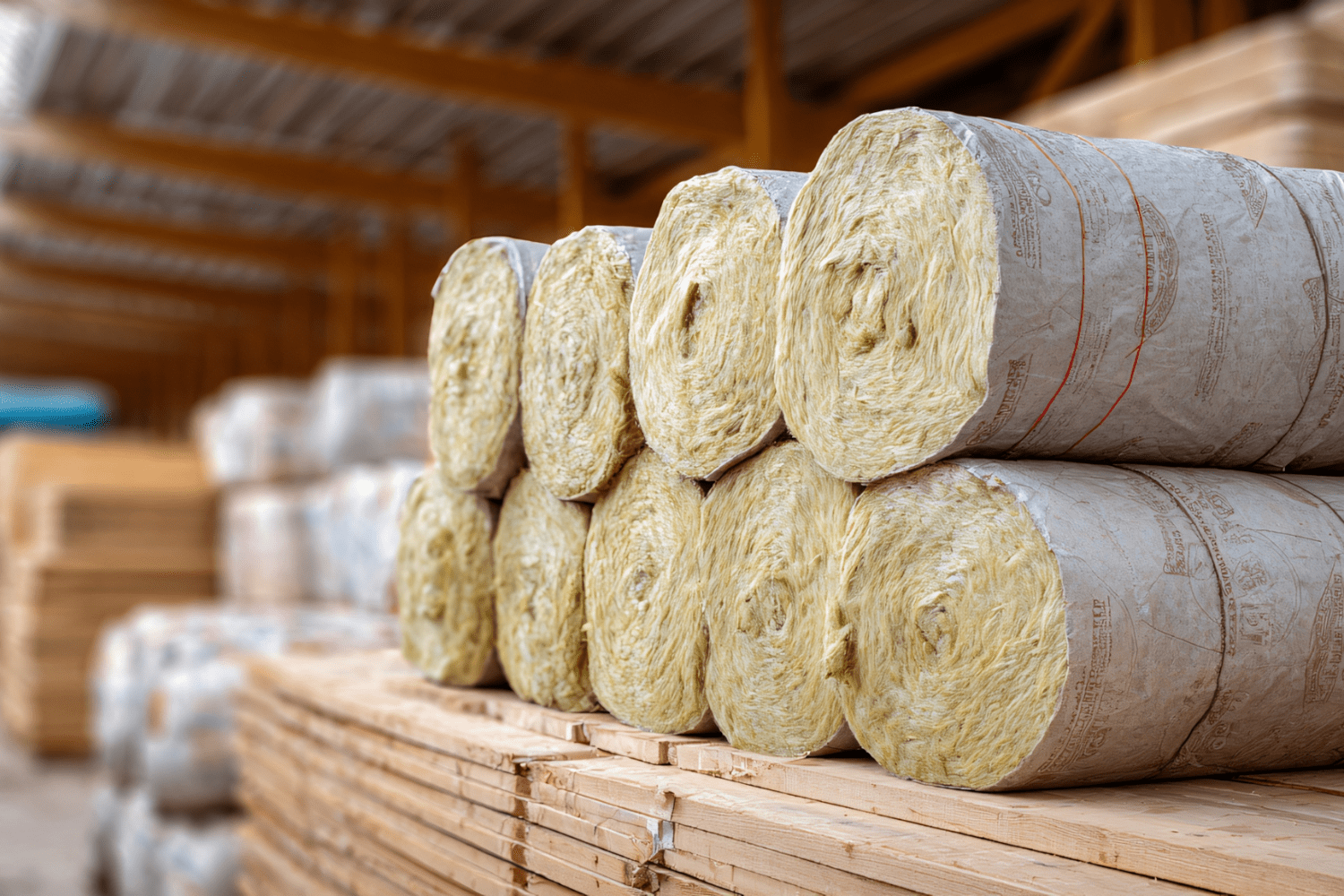
5. Fiberglass or Mineral Wool Insulation
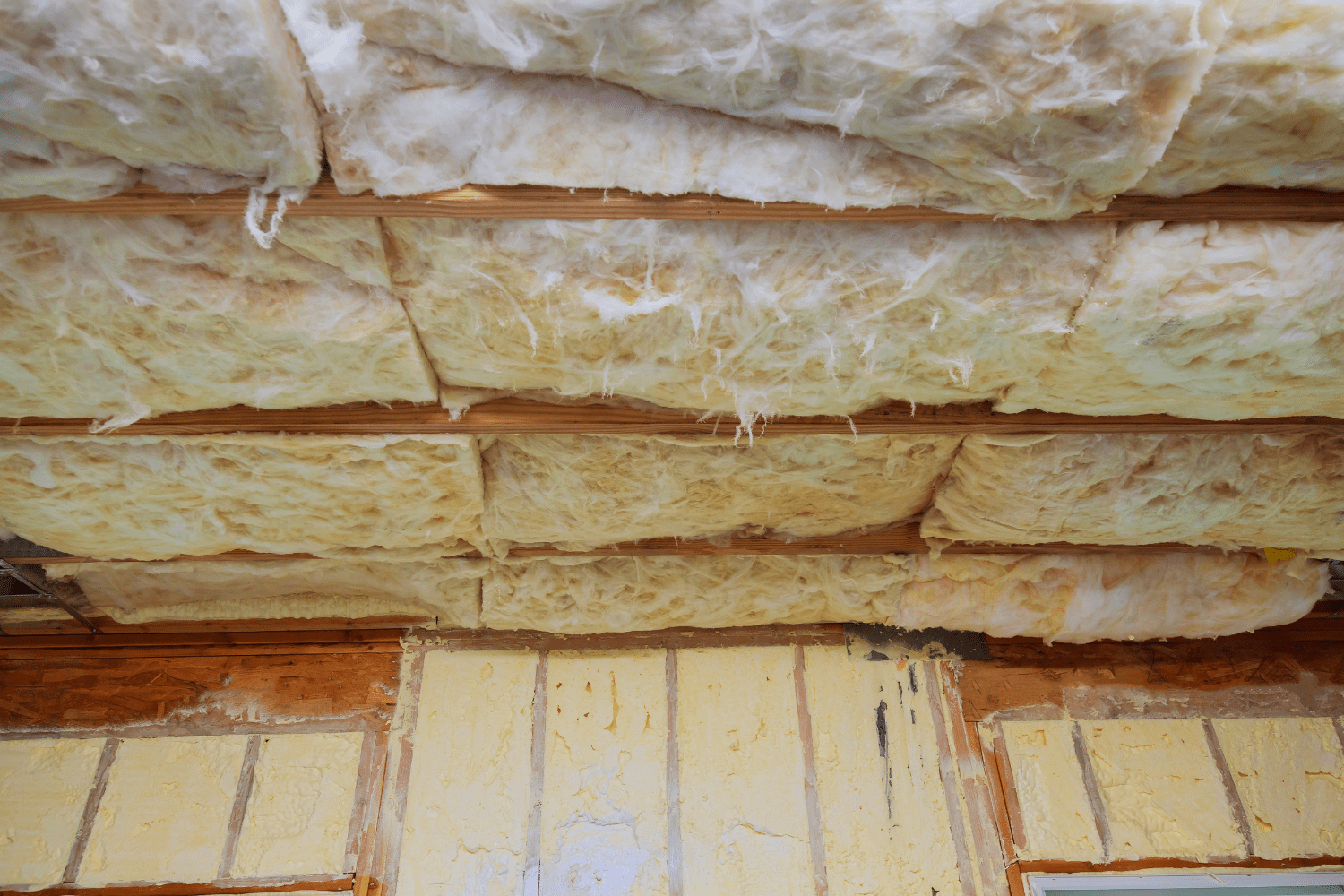
When insulating a tiny house, it’s important to choose affordable but effective materials. Fiberglass and mineral-wool insulation are widely available, relatively inexpensive, and provide good thermal and acoustic performance. Fiberglass batts typically cost between $0.50 and $1.00 per square foot, making them one of the most budget-friendly tiny house construction materials for thermal protection. These materials help maintain comfort and energy efficiency without pushing the budget too far — crucial in small living spaces where insulation greatly affects habitability. For those exploring eco-friendly tiny home design, insulation is where the most impactful savings begin.
| Insulation Type | R-Value per Inch | Approx. Cost (per sq ft) | Fire Resistant | Moisture Resistant | Eco-Friendly | Best For |
|---|---|---|---|---|---|---|
| Fiberglass Batts | R-2.9 – R-3.8 | $0.50 – $1.00 | Yes (non-combustible) | Low | Low | Budget-conscious builds; walls and ceilings |
| Mineral Wool (Rockwool) | R-3.0 – R-3.4 | $1.00 – $1.50 | Yes (up to 2,000°F) | Moderate | Moderate | Soundproofing; fire-prone areas |
| SIP Panels (EPS Core) | R-3.8 – R-4.4 | $4.00 – $8.00 | Moderate | High | Moderate | Fast builds; energy-efficient tiny homes |
| Sheep Wool | R-3.5 – R-3.8 | $1.50 – $2.80 | Yes (naturally flame-resistant) | High | Very High | Eco-builds; moisture-prone climates |
| Hemp Wool | R-3.5 – R-3.7 | $1.20 – $2.50 | Yes (fire-resistant) | High | Very High (carbon-negative) | Eco-builds; non-toxic installations |
| Recycled Cellulose | R-3.2 – R-3.8 | $0.60 – $1.20 | Treated (borate-based) | Low | High | Attics; irregular cavities (blown-in) |
| Closed-Cell Spray Foam | R-6.0 – R-7.0 | $1.50 – $3.50 | Moderate | Very High | Low | Cold climates; maximum R-value per inch |
6. Recycled / Surplus Windows and Doors
Sourcing used, surplus, or recycled windows and doors — for instance from demolition sites, salvage yards, or other renovation projects — can dramatically reduce costs compared to purchasing brand-new, custom-sized joinery. As long as they’re checked for structural integrity, sealing, and proper fit, these reclaimed openings can work well in a tiny house. This approach supports sustainability while giving the house unique character, often with vintage or interesting design details. Builders learning how to construct a tiny house on a budget should note that second-hand windows and doors typically cost between $50 and $500, while custom options can exceed $1,000 each.
7. Corrugated Metal Roofing
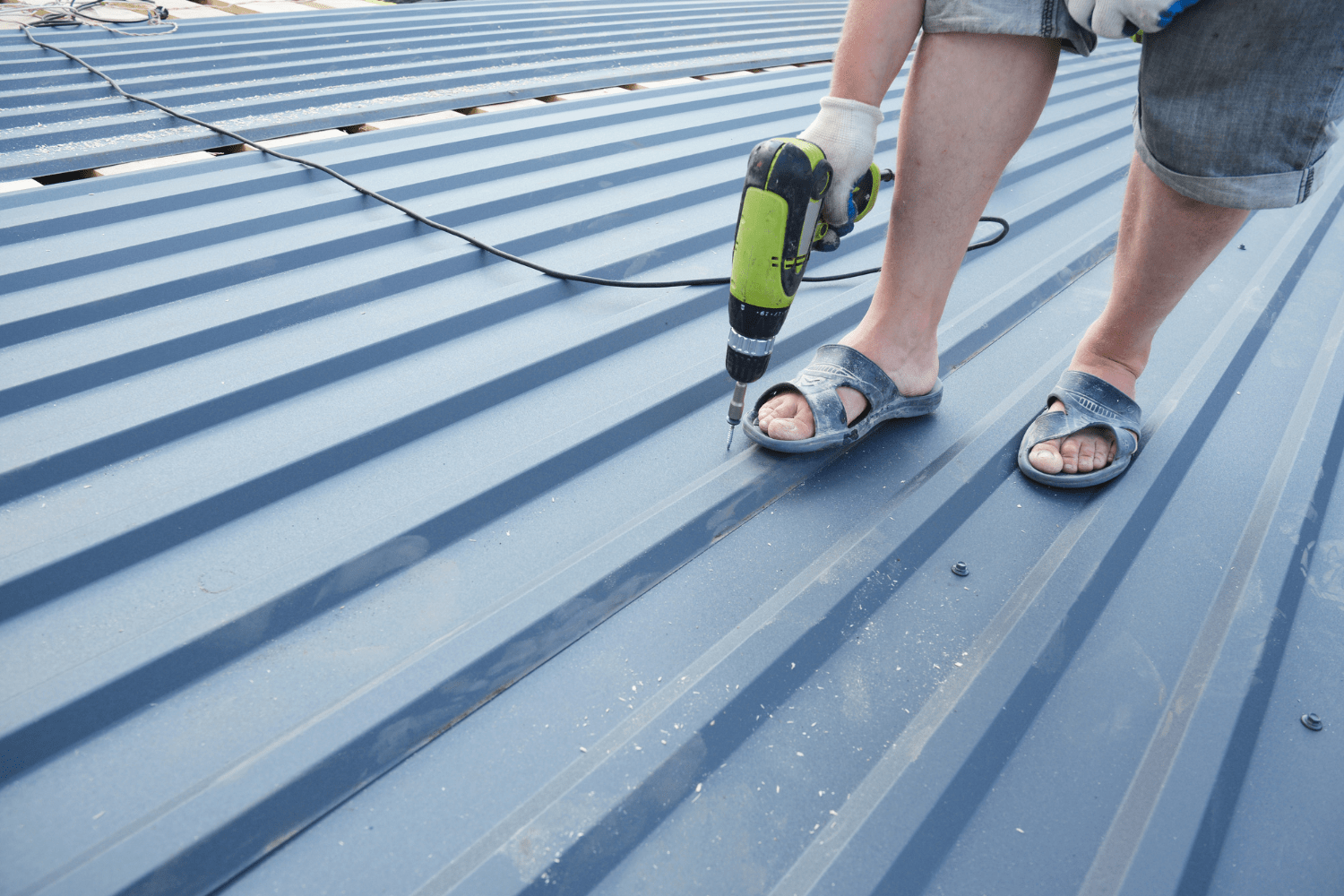
Corrugated metal roofing tends to be more affordable and easier to install than many other roof types. It is lightweight — a plus for tiny houses, especially those on wheels — and offers decent protection against rain and snow when properly installed. Its durability and low maintenance requirements make it a practical choice for budget-conscious builders. In addition, metal roofing can be paired with modern under-roof insulation to improve thermal performance. According to the U.S. Department of Energy, metal roofs can reflect solar radiant heat, potentially reducing cooling costs by 10–25%.
8. Plywood (Economy or Construction Grade)
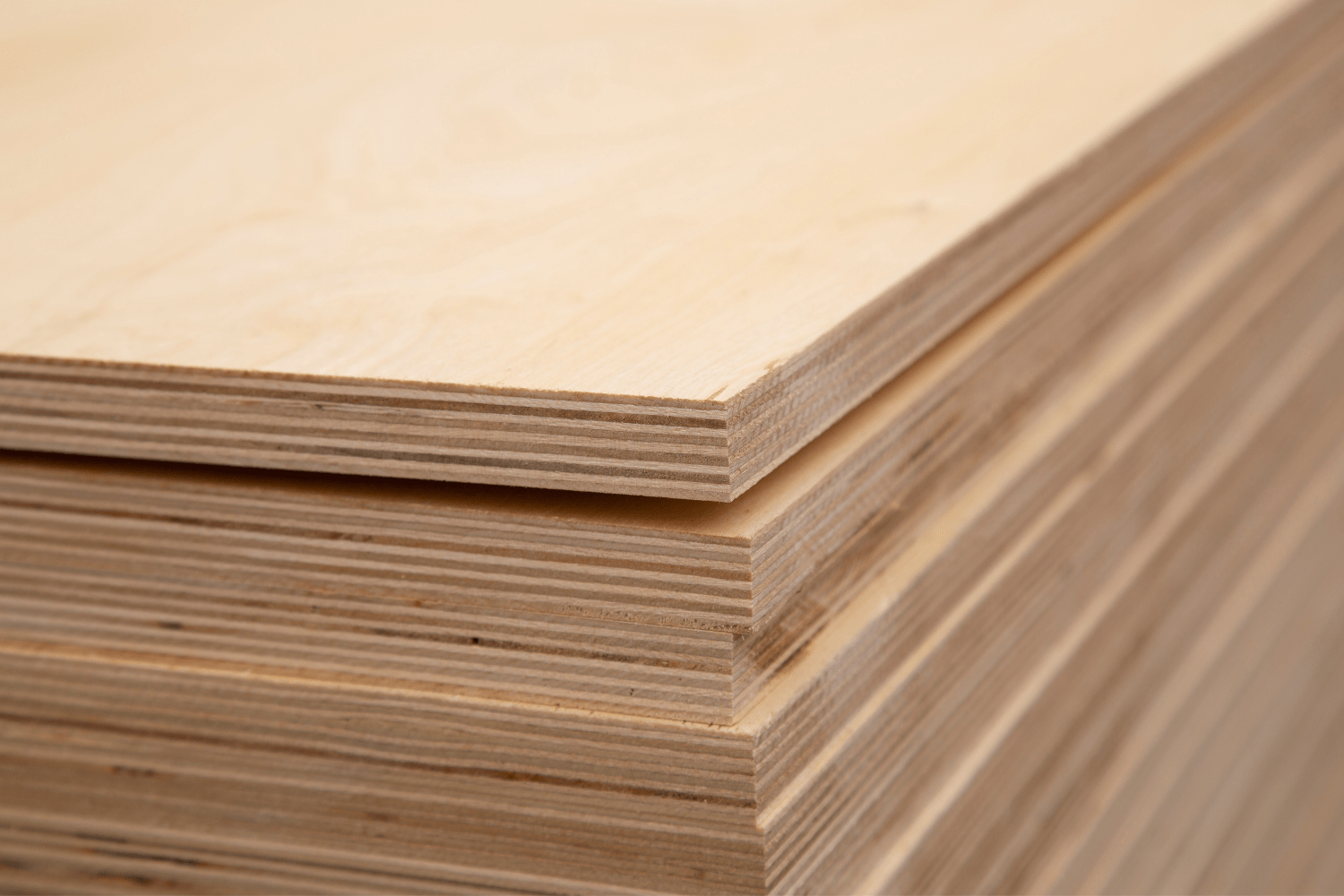
Construction-grade plywood can serve a variety of structural and interior roles at a low cost. Used for subfloors, shelving, cabinetry, or wall paneling, it offers strength and versatility. In tiny houses where space is limited, maximizing multi-purpose materials helps reduce waste and overall expense. Plywood allows flexibility in finishing — paint, stain, or laminate — offering aesthetic value without high material cost. As a versatile tiny house material, plywood is a staple in nearly every tiny house design.
| # | Material | Primary Use | Relative Cost | Weight | Durability | DIY-Friendly | Eco Rating |
|---|---|---|---|---|---|---|---|
| 1 | Pine / Spruce Lumber | Framing, walls, flooring | 💲 Low | Medium | ★★★☆☆ | ★★★★★ | ★★★☆☆ |
| 2 | Reclaimed / Recycled Wood | Flooring, paneling, furniture | 💲 Very Low | Medium | ★★★★☆ | ★★★☆☆ | ★★★★★ |
| 3 | OSB (Oriented Strand Board) | Wall / roof sheathing | 💲 Low | Medium | ★★★☆☆ | ★★★★★ | ★★★☆☆ |
| 4 | SIP Panels | Walls, roof (structure + insulation) | 💲💲 Medium-High | Light | ★★★★★ | ★★★★☆ | ★★★★☆ |
| 5 | Fiberglass / Mineral Wool | Thermal & acoustic insulation | 💲 Low | Very Light | ★★★★☆ | ★★★★☆ | ★★☆☆☆ |
| 6 | Recycled Windows & Doors | Openings, natural light | 💲 Very Low | Varies | ★★★☆☆ | ★★★☆☆ | ★★★★★ |
| 7 | Corrugated Metal Roofing | Roofing | 💲 Low-Medium | Very Light | ★★★★★ | ★★★★☆ | ★★★★☆ |
| 8 | Plywood (Construction Grade) | Subfloors, shelving, cabinetry | 💲 Low | Medium | ★★★★☆ | ★★★★★ | ★★★☆☆ |
| 9 | Salvaged / Upcycled Materials | Bricks, tiles, fixtures, hardware | 💲 Very Low | Varies | ★★★☆☆ | ★★★☆☆ | ★★★★★ |
| 10 | Lightweight Metal / Plastic Cladding | Exterior siding | 💲 Low-Medium | Very Light | ★★★★☆ | ★★★★☆ | ★★★★☆ |
| 11 | Cork / Recycled Cork Flooring | Flooring, acoustic insulation | 💲 Low-Medium | Very Light | ★★★☆☆ | ★★★★★ | ★★★★★ |
| 12 | Eco Insulation (Sheep Wool, Hemp, Cellulose) | Thermal insulation | 💲💲 Medium | Very Light | ★★★★☆ | ★★★★☆ | ★★★★★ |
9. Salvaged and Upcycled Materials
Beyond wood and metal, salvaged or upcycled materials — such as leftover bricks, reclaimed tiles, second-hand fixtures, or surplus hardware — can substantially cut costs while supporting sustainability. Builders may repurpose materials from demolished buildings or renovation leftovers. For tiny houses, where square footage is small and creativity is key, these materials often fit in unexpected ways and offer distinctive charm. Many tiny house communities actively share salvaged materials among members, further reducing individual construction expenses.
10. Lightweight Metal or Plastic Cladding
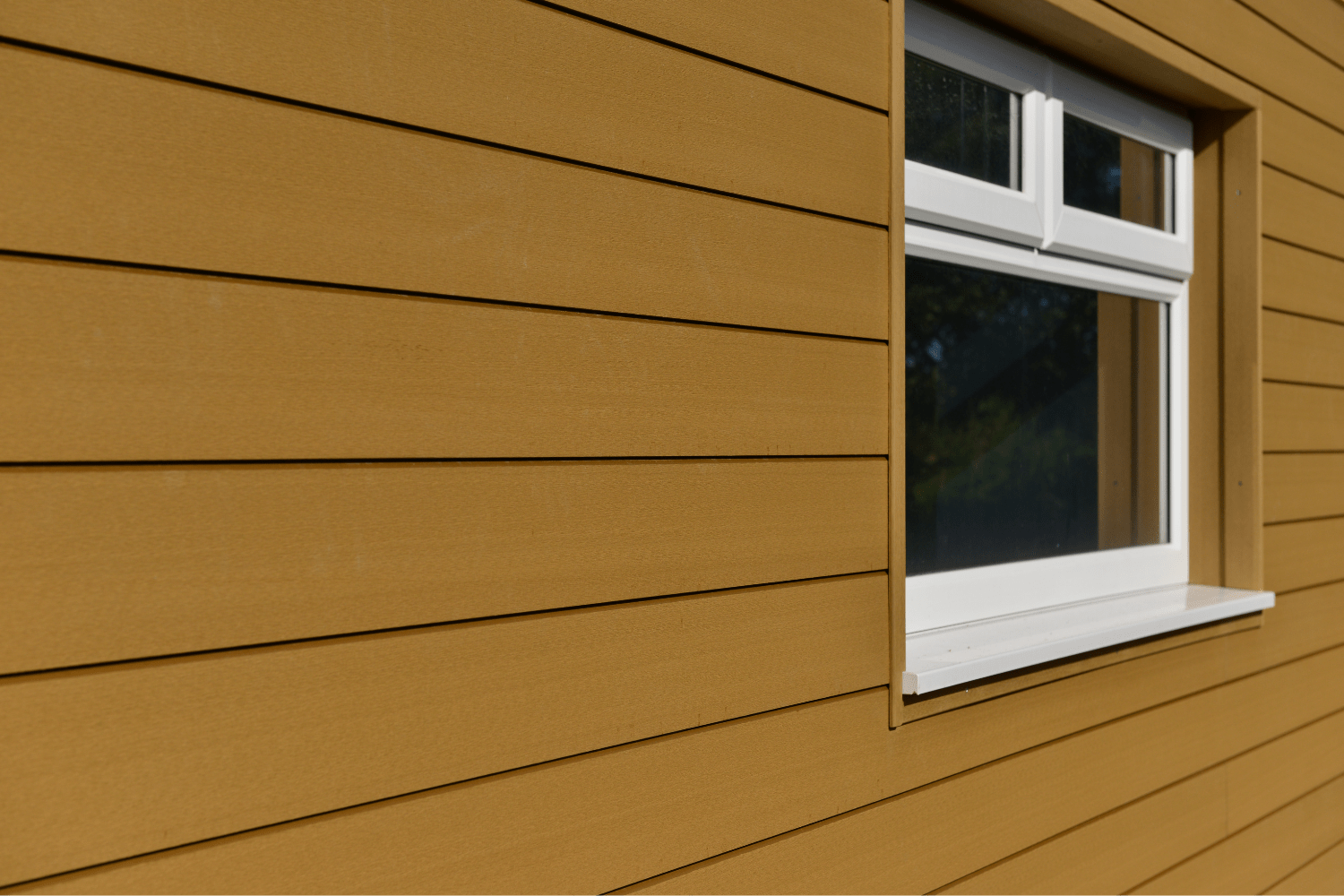
For exteriors, lightweight metal siding or recycled-plastic cladding can be budget-friendly alternatives to traditional heavy materials. These options often require less structural support due to their low weight — reducing framing costs — and may offer easier maintenance and weather resistance. Especially for tiny homes in climates with variable weather, lightweight cladding can balance durability and affordability. Aluminum composite panels, for example, are alternative building materials known for high dimensional stability and recyclability.
11. Cork or Recycled Cork Flooring
Cork flooring and recycled-cork panels can offer a soft, warm, and sustainable flooring solution at a modest cost — especially when recycled cork is used. Cork provides good thermal and acoustic insulation and a comfortable underfoot feel, making it ideal for compact living spaces where comfort and practicality matter. Used in combination with under-floor insulation, cork can contribute to a cozy, energy-efficient tiny house interior without high expenses.
12. Eco-friendly Insulation Alternatives (Sheep Wool, Hemp, or Cellulose)
For builders prioritizing sustainability and health, natural insulation materials like sheep wool, hemp, or recycled cellulose offer eco-friendly alternatives to synthetic insulation. These materials often come from renewable sources and provide decent insulation performance. Although sometimes slightly more expensive upfront than fiberglass, the long-term benefits — especially in tiny-house projects focused on sustainability — can offset higher initial cost. Hempcrete, a carbon-negative material made from hemp fibers and lime, is gaining particular traction among environmentally conscious tiny house builders.
Tiny House Steel Construction: A Growing Alternative
While wood framing dominates the tiny house market, tiny house steel construction is becoming an increasingly popular option. Steel framing offers a superior strength-to-weight ratio, resistance to pests, fire, and rot, and excellent structural integrity for tiny houses designed for transport. Although steel can be more expensive than wood and may require specialized tools, its longevity and minimal maintenance needs often justify the investment. Builders exploring how to construct a tiny house that will endure frequent relocation should seriously consider a steel frame paired with SIP panel walls for the best balance of durability and insulation. For a deeper look at essential building materials including steel, understanding the properties of each option is crucial.
| Feature | Wood Framing (Pine/Spruce) | Steel Framing |
|---|---|---|
| Material Cost (framing only) | $3,000 – $6,000 | $5,000 – $10,000 |
| Weight | Heavier | Lighter (up to 50% less) |
| Strength-to-Weight Ratio | Moderate | High |
| Pest Resistance | Low (prone to termites) | High (immune to pests) |
| Fire Resistance | Low | High (non-combustible) |
| Rot / Moisture Resistance | Low (requires treatment) | High (galvanized options) |
| DIY Ease | Easy (basic tools) | Moderate (specialized tools) |
| Lifespan | 20 – 40 years | 50 – 100+ years |
| Thermal Bridging | Low | High (requires thermal breaks) |
| Best For | DIY stationary builds on a budget | Mobile tiny homes; high-durability builds |
How Much Does It Cost to Build a Tiny House?
Understanding tiny home construction cost is essential before selecting your materials. The average cost of tiny home construction in the United States ranges from roughly $16,000 to $47,000 for a DIY build, depending on size, location, and material quality. Here is a rough cost breakdown for tiny house building materials:
- Trailer (if on wheels): $3,000–$8,000
- Framing lumber and sheathing: $3,000–$6,000
- Roofing (metal): $1,500–$3,000
- Insulation: $500–$2,000
- Windows and doors: $1,000–$4,000
- Siding and cladding: $1,500–$3,500
- Interior finishes (flooring, paneling): $1,500–$4,000
- Electrical and plumbing systems: $3,800–$9,500
| Cost Category | DIY Build (Budget) | DIY Build (Mid-Range) | Professional Build |
|---|---|---|---|
| Trailer (if on wheels) | $3,000 – $5,000 | $5,000 – $8,000 | $7,000 – $15,000 |
| Framing & Sheathing | $3,000 – $4,500 | $4,500 – $6,000 | $8,000 – $15,000 |
| Roofing (Metal) | $1,500 – $2,000 | $2,000 – $3,000 | $3,500 – $7,000 |
| Insulation | $500 – $1,000 | $1,000 – $2,000 | $2,000 – $4,000 |
| Windows & Doors | $1,000 – $2,000 | $2,000 – $4,000 | $4,000 – $8,000 |
| Siding & Cladding | $1,500 – $2,500 | $2,500 – $3,500 | $4,000 – $8,000 |
| Interior Finishes | $1,500 – $3,000 | $3,000 – $4,000 | $10,000 – $30,000 |
| Electrical & Plumbing | $3,800 – $6,000 | $6,000 – $9,500 | $10,000 – $20,000 |
| Permits & Fees | $500 – $1,500 | $1,000 – $2,000 | $2,000 – $5,000 |
| Labor | $0 (self-built) | $0 – $5,000 (partial help) | $50,000 – $90,000 |
| ESTIMATED TOTAL | $16,300 – $27,500 | $27,000 – $47,000 | $100,500 – $202,000 |
Hiring a professional contractor for the full build raises the total to approximately $100,000 to $200,000. Sourcing reclaimed materials, doing your own labor, and carefully planning a material list from the outset can bring costs down significantly. If you are looking for free tiny house plans with material list guides, organizations like the Low Income Housing Institute (LIHI) offer downloadable construction manuals and detailed material lists at no charge.
Tips for Choosing the Right Tiny House Construction Materials
Selecting materials for a tiny house involves more than just price comparison. Here are key considerations that will guide your decisions during the construction of a tiny house:
Prioritize Weight for Mobile Builds
If you’re building on a trailer, every pound matters. Choose lightweight materials for a tiny house such as metal framing, OSB sheathing, and corrugated metal roofing to stay within your trailer’s load capacity. Many tiny homes on wheels aim to keep total weight under 10,000 pounds.
Match Materials to Your Climate
Insulation and cladding choices should reflect your local weather conditions. In cold climates, closed-cell spray foam or SIP panels offer the highest R-values per inch. In hot, humid regions, reflective metal roofing and moisture-resistant cladding will perform better. Understanding your building material options relative to climate ensures long-term comfort and lower energy bills.
Balance Upfront Cost with Long-Term Value
Some materials for tiny house projects — such as SIP panels or steel framing — cost more initially but deliver savings through reduced energy bills, fewer repairs, and longer lifespan. The eco materials approach to construction considers the full lifecycle cost rather than just purchase price.
Final Thoughts
Choosing materials for a tiny house inevitably involves balancing cost, durability, comfort, and sustainability. The twelve materials listed above — plus the steel-framing and cost-planning sections — represent a mix of traditional, recycled, and modern options that help builders manage budgets without compromising livability. Whether you are exploring how to construct a tiny house for the first time or looking to optimize your existing material list, combining cost-effective structural components, thoughtful insulation, and creative reuse of materials will help your tiny-house project achieve both quality and affordability. For further inspiration, explore our guide on how to build your own tiny house in the USA or discover popular tiny house communities across the country.
- budget-conscious tiny house materials
- budget-friendly materials for tiny houses
- cheap materials for tiny homes
- low-cost materials for tiny house construction
- saving money on tiny house materials
- tiny home materials budget
- tiny house building materials
- tiny house construction on a budget
- tiny house material
- value materials for tiny house builders


1 Comment


Tiny House Water Systems: Your Complete Guide to Plumbing, Rainwater Harvesting and Off-Grid Solutions
A practical guide to designing a tiny house water system, covering PEX...
 Bahattin Duran14 Mins read
Off-Grid Tiny House Living: Complete Setup Guide for Beginners
This guide walks you through every stage of setting up an off-grid...
Bahattin Duran15 Mins read
Tiny House with Loft: Design Ideas, Plans and Building Tips for Vertical Living
A complete guide to designing and building a tiny house with loft,...
Bahattin Duran15 Mins read
8+ Best Tiny Home Communities in Michigan: Great Lakes Tiny Living Guide
Explore tiny home communities in Michigan. Great Lakes lifestyle, affordable land, and...
Bahattin Duran18 Mins read


This article has some interesting points about building a tiny house. I didn’t know there were so many options for materials. It’s good to see that you can save money while still making a nice home.