

How Underfloor Heating Affects Home Design
Underfloor heating transforms home design by allowing for cleaner aesthetics, flexible layouts, and improved traffic flow, eliminating the need for bulky radiators and vents.
 Bahattin Duran19 January 20264 Mins read181

Underfloor heating has moved far beyond the realm of luxury upgrades. Today, it’s a practical and increasingly popular solution for modern homeowners who want clean aesthetics, consistent comfort, and energy-efficient living.
But radiant floor heating doesn’t just warm the room, it reshapes the way designers plan layouts, select materials, and structure interior spaces. With advanced systems from ProLux Materials, homeowners and designers have more freedom than ever to integrate heating seamlessly into the overall design vision.
Whether you’re remodeling a single room or planning a full home transformation, understanding how underfloor heating influences design choices can dramatically improve results. Let’s explore why radiant heat is becoming a foundational element of contemporary interiors, and how it impacts everything from floor plans to furniture flow.
- Invisible Heating = Cleaner, Minimalist Interiors
One of the biggest design advantages of underfloor heating is that it’s completely hidden. No radiators. No vents. No wall units demanding attention. For designers, this is a gift: it opens up every inch of wall space for décor, storage, artwork, or full-height windows. Suddenly, the limitations imposed by traditional heating disappear.
Rooms feel visually lighter. Furniture can be arranged purely based on function and style, not HVAC placement. Minimalist interiors especially benefit from this seamless integration, where simplicity and symmetry matter. Scandinavian and Japanese-inspired designs thrive when every element serves a purpose without clutter.
If you’re planning a renovation and exploring different design possibilities, removing bulky heating fixtures from your floor plan creates opportunities for cleaner, more intentional layouts.

- More Flexible Floor Plans and Better Traffic Flow
Radiators have always dictated layout more than most people realize. They claim prime wall space, restrict furniture placement, and encourage closed-off floor plans. Underfloor heating, by contrast, supports open-concept living and smoother transitions between rooms.
Designers can now:
- Create fluid, uninterrupted spaces ideal for modern living
- Integrate larger windows without cold drafts
- Place furniture in previously unusable areas
- Design more symmetrical or balanced rooms
This flexibility is especially valuable in smaller homes or apartments, where every square foot counts. And because the heat is distributed evenly across the floor, rooms stay warm from corner to corner, supporting cohesive layouts that feel intentional rather than improvised.
Open-concept floor plans have become a major selling point in modern homes, and underfloor heating makes them more practical by eliminating cold zones that typically plague large, open spaces.
- Expanded Flooring Options and Better Performance
Underfloor heating works exceptionally well with materials that conduct heat efficiently, which opens up more design possibilities. High-performing surfaces like porcelain tile, stone, polished concrete, and luxury vinyl look stunning and feel warm underfoot when paired with radiant systems.

Best flooring choices for radiant heating:
- Porcelain or ceramic tile: Unmatched heat transfer; ideal for kitchens, entries, and baths.
- Luxury vinyl tile (LVT): Durable, water-resistant, and naturally warm-feeling.
- Engineered hardwood: More stable than solid wood across temperature changes.
- Polished concrete: Pairs perfectly with radiant heat in modern or industrial-style homes.
And because radiant heat distributes warmth evenly, you avoid the uneven hot-cold patches common with forced-air systems. Large-format tiles or continuous flooring across open-concept spaces feel more comfortable year-round.
When selecting materials, consider how different surfaces will perform with radiant heat while matching your overall design aesthetic.
- Greater Comfort Enhances Functional Design
Good design is more than visual, it’s experiential. Radiant heating provides a consistently warm environment without drafts, blowing air, or loud mechanical systems. This makes every corner of the room usable and comfortable, allowing designers to rethink how spaces serve their occupants.
With underfloor heating:
- Dining areas feel more inviting on cold mornings
- Window seating becomes a cozy design feature
- Bathrooms transform into spa-like environments
- Open-plan living spaces stay consistently warm
Traditional systems often create hot zones and cold pockets, influencing where people naturally gather. Radiant heat eliminates these microclimates, giving homeowners the freedom to use space however they choose. This predictability makes space planning in architecture more straightforward and effective.
- Improved Acoustics = Quieter, More Refined Interiors
One benefit of underfloor heating that designers love: It’s silent. No ticking radiators. No air vents humming at night. No whooshing sound every time the system kicks on.
This quiet operation contributes to a calming, high-end interior atmosphere. Acoustic comfort is increasingly important in:
- Home offices
- Bedrooms
- Media rooms
- Reading corners and relaxation areas
Sound plays a huge role in perceived luxury, and radiant systems deliver this effortlessly. When combined with other minimalist design principles, the result is a serene environment that feels intentionally designed for tranquility.
- Seamless Integration Into Smart Home Design
Today’s homes are becoming smarter, and heating systems are no exception. Underfloor heating integrates beautifully with modern smart thermostats, zoned controls, and voice-activated home assistants. Systems from ProLux Materials make it easy to tailor temperatures room-by-room, improving comfort and reducing energy waste.
This affects interior design in a meaningful way. Smart zoning allows designers to plan spaces around daily routines, for example:

- A warm kitchen in the morning
- Cooler bedrooms at night
- Guest rooms that heat only when needed
Heating becomes part of the design narrative, working quietly in the background to support ambiance and comfort. This approach aligns with current interior design trends in the USA that prioritize technology integration and adaptable spaces.
- Better Resale Appeal and Long-Term Value
Homes with radiant floor heating frequently command higher buyer interest. The system’s energy efficiency, invisible design, and comfort-focused performance appeal to modern homeowners seeking refinement and sustainability. Listing photos also benefit, spaces appear cleaner and more intentional without radiators interrupting the visual flow.
For sellers preparing their homes for market, underfloor heating creates environments that look polished and contemporary. The clean lines and uncluttered walls photograph well and appeal to buyers looking for move-in-ready homes with modern amenities.
Final Thoughts: Underfloor Heating as a Design Upgrade
Radiant heating isn’t just another mechanical choice, it’s a design decision with far-reaching impact. It frees up interior space, enhances comfort, expands material choices, supports modern aesthetics, and pairs seamlessly with smart home systems. Whether you’re building new or renovating, integrating underfloor heating early in the design process ensures a cleaner, more flexible, more luxurious home.
When paired with high-quality systems from ProLux Materials, radiant heat becomes a powerful tool for anyone who wants a smarter, more beautiful home from the ground up.





Interior Design for Commercial Spaces: Enhancing Functionality and Brand Identity
Commercial interior design has to serve brand, function and regulation at once....
 Begum Gumusel4 Mins read

Capping a Chimney: When It Makes Sense and What It Involves
An unused chimney lets rain in and heat out. Here is when...
 illustrarch Editoral Team5 Mins read

Standby or Portable Generator? A Practical Framework Based on Loads, Outages, and Logistics
Choosing between a standby and a portable generator gets easier once you...
illustrarch Editoral Team5 Mins read
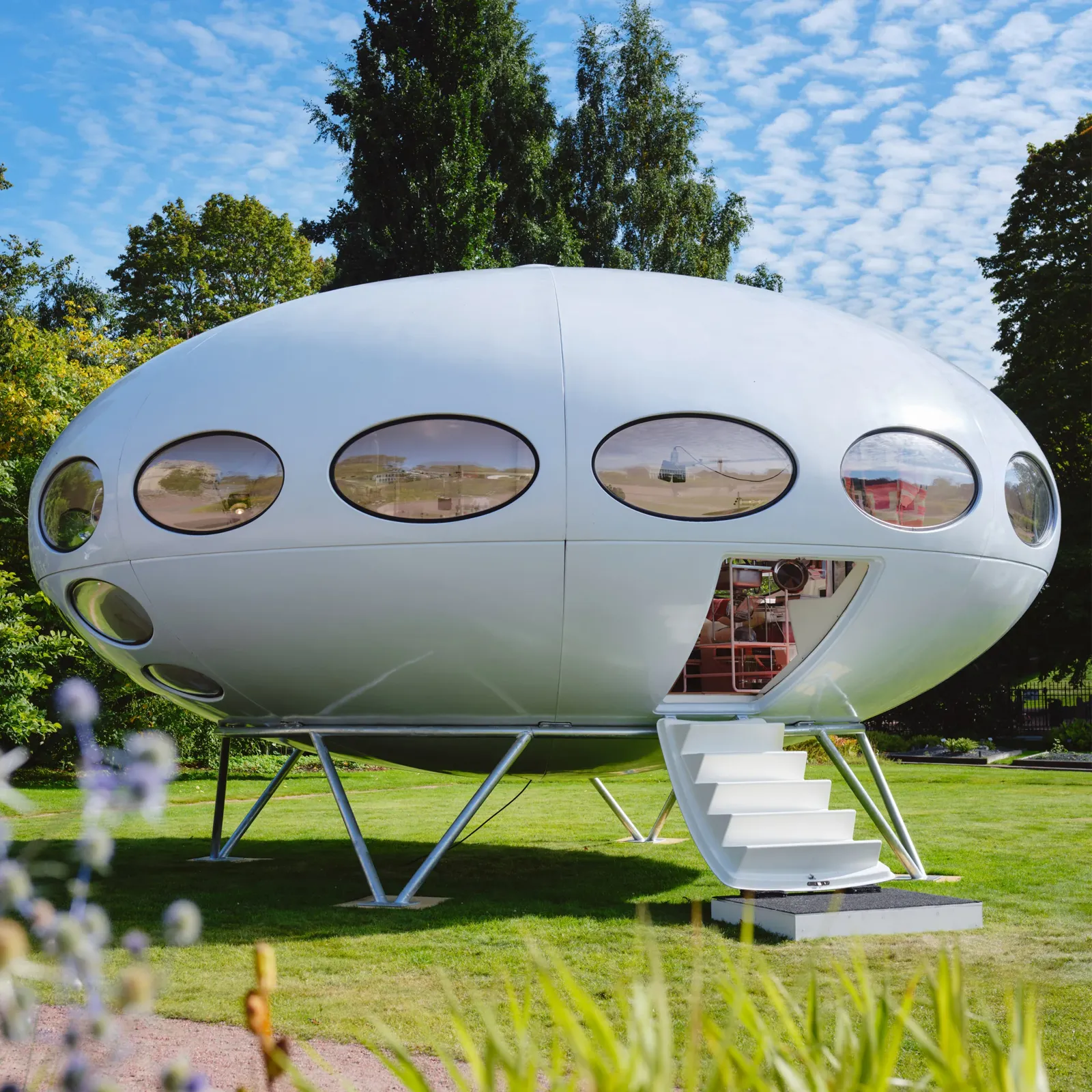
Futuro House Production Revived in Finland After Decades-Long Hiatus
A Facebook listing for abandoned moulds led to the first new Futuro...
illustrarch Editoral Team3 Mins read


Leave a comment