Interior design in the USA is evolving toward spaces that are adaptable, meaningful, and deeply connected to human experience. These nine innovative concepts reveal a shift away from purely visual trends toward environments that support well-being, sustainability, and personal identity. As homes continue to serve multiple roles—living, working, resting, and creating—thoughtful interior design becomes an essential tool for shaping resilient and expressive spaces. Contemporary American interiors increasingly reflect not only how people live today, but how they aspire to live in the future.


Home DesignInterior Design
 Begum Gumusel12 January 20264 Mins read212
9 Innovative Concepts Shaping Interior Design in USA
Interior design in the United States is shifting toward spaces that prioritize well-being, adaptability, and personal expression. From flexible multi-use layouts and sustainable materials to biophilic design and integrated smart technology, these nine ideas reflect how contemporary interiors respond to evolving lifestyles. Together, they reveal a future-focused approach where homes support comfort, identity, and long-term resilience.
Begum Gumusel12 January 20264 Mins read212

Share
Table of Contents Show
Interior design in the United States is undergoing a profound transformation, driven by evolving lifestyles, rapid technological advancement, and a heightened awareness of wellness and environmental responsibility. Homes are no longer conceived solely as visually pleasing environments; they are expected to support flexibility, emotional well-being, productivity, and long-term adaptability. As remote work, sustainability, and personalization become integral to everyday life, interior design responds with innovative approaches that rethink how spaces are organized, furnished, and experienced. The following nine concepts represent some of the most influential forces shaping contemporary interior design across the USA, reflecting a shift toward more responsive, human-focused living environments.
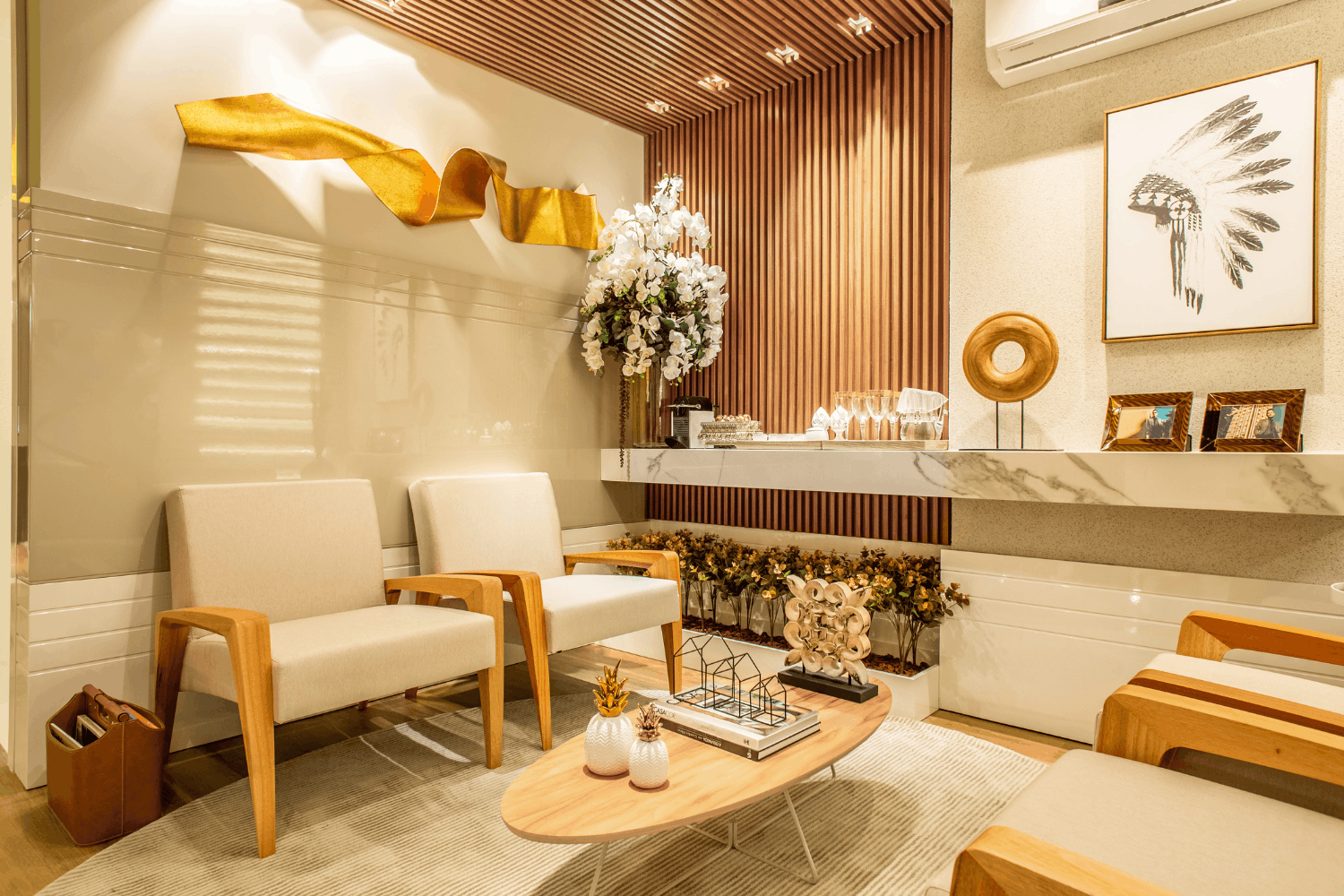
1. Human-Centered Design and Emotional Comfort
Human-centered design places physical and emotional well-being at the core of interior environments. Designers increasingly consider how space, light, color, texture, and acoustics influence mood, stress levels, and daily habits. Soft materials, calming color palettes, ergonomic furniture, and intuitive spatial layouts are used to create interiors that feel nurturing rather than overwhelming. This approach recognizes the home as a psychological refuge, especially in fast-paced urban contexts. By prioritizing comfort and emotional balance alongside aesthetics, interiors become supportive environments that enhance everyday quality of life.
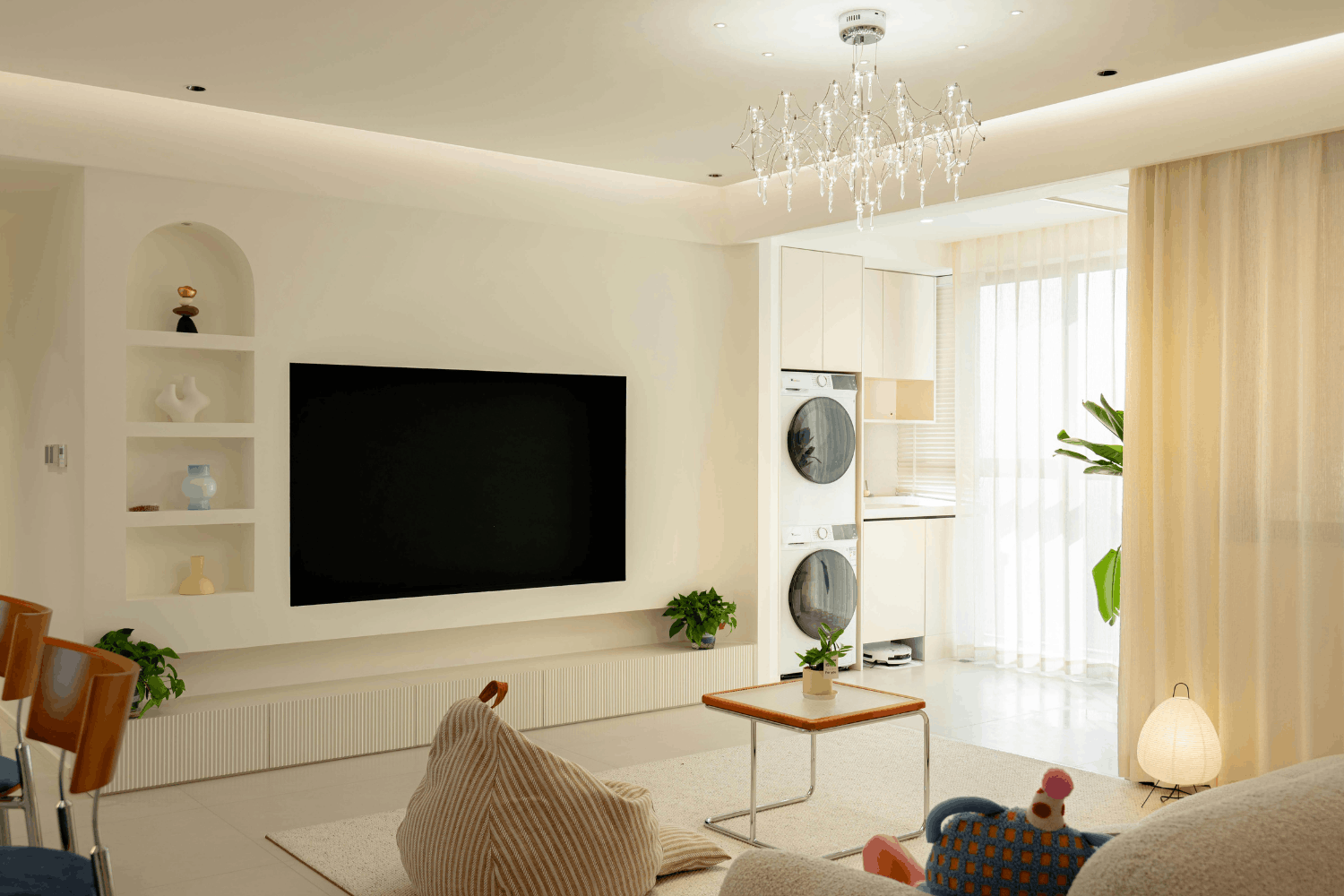
2. Flexible and Multi-Use Living Spaces
As American lifestyles grow more dynamic, interiors are adapting through flexible and multi-functional design strategies. Living rooms now accommodate workstations, dining spaces transform into creative studios, and spare rooms serve as hybrid guest areas and offices. Sliding partitions, modular furniture, and reconfigurable layouts allow spaces to shift functions throughout the day. This adaptability ensures that homes remain efficient and resilient as personal, professional, and family needs evolve. Flexible design also supports long-term use, reducing the need for frequent renovations as lifestyles change.

3. Sustainable and Eco-Conscious Interiors
Sustainability has become a defining principle of contemporary interior design in the USA. Designers are increasingly selecting low-impact materials, recycled surfaces, and responsibly sourced wood to minimize environmental footprints. Energy-efficient lighting systems, water-saving fixtures, and non-toxic paints contribute to healthier indoor environments. Beyond material choices, sustainable design also emphasizes durability and timelessness, reducing waste over time. What was once considered an alternative or niche approach is now widely viewed as an essential standard for responsible and future-oriented living spaces.

4. Integration of Smart Home Technology
Smart home technology is no longer an add-on but an integral part of interior design. Lighting, climate control, security, and entertainment systems are seamlessly embedded into architectural elements, furniture, and surfaces. Voice-activated controls and automated systems enhance daily convenience while optimizing energy consumption. Designers increasingly focus on making technology invisible, allowing interiors to remain visually calm and uncluttered. This seamless integration supports intuitive interaction with space, aligning technological innovation with refined aesthetic experiences.

5. Biophilic Design and Nature-Inspired Interiors
Biophilic design continues to play a major role in shaping American interiors by reconnecting occupants with nature. Indoor plants, natural light, organic forms, and earthy materials create environments that feel restorative and calming. Designers frequently incorporate wood, stone, clay, linen, and other natural textures to soften interiors and add sensory depth. This approach responds to increasingly urbanized lifestyles, offering a sense of balance and connection within enclosed spaces. Biophilic interiors promote well-being by aligning built environments with natural rhythms and patterns.
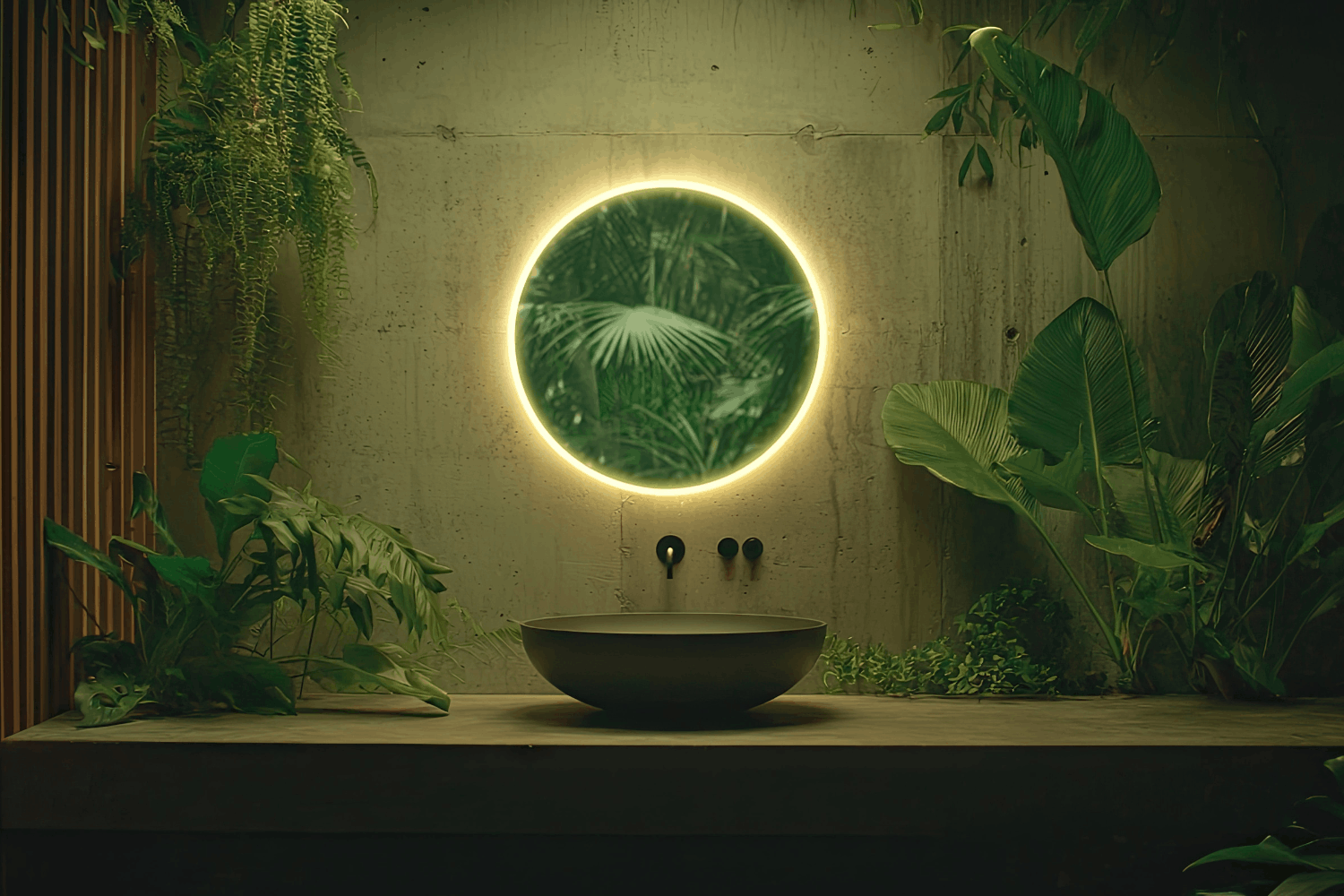
6. Personalized and Story-Driven Spaces
Interiors in the USA are becoming increasingly personal, shifting away from uniform trends toward narrative-driven design. Homeowners seek spaces that reflect their identities, values, and life experiences rather than adhering to standardized aesthetics. Custom furniture, curated artwork, and meaningful objects transform interiors into visual stories. This emphasis on personalization celebrates individuality and emotional connection, making homes feel authentic and lived-in. Story-driven design also encourages long-term appreciation, as spaces evolve alongside the people who inhabit them.

7. Minimalism with Warmth and Texture
Minimalism remains influential in American interior design, but its expression has evolved toward warmth and tactility. Rather than stark or overly restrained spaces, designers now introduce layered textures, warm neutral tones, and subtle material contrasts. Natural fabrics, handcrafted elements, and imperfect finishes add depth without visual clutter. This softer minimalism maintains spatial clarity while fostering comfort and approachability. The result is an interior language that feels calm yet inviting, refined yet deeply human.
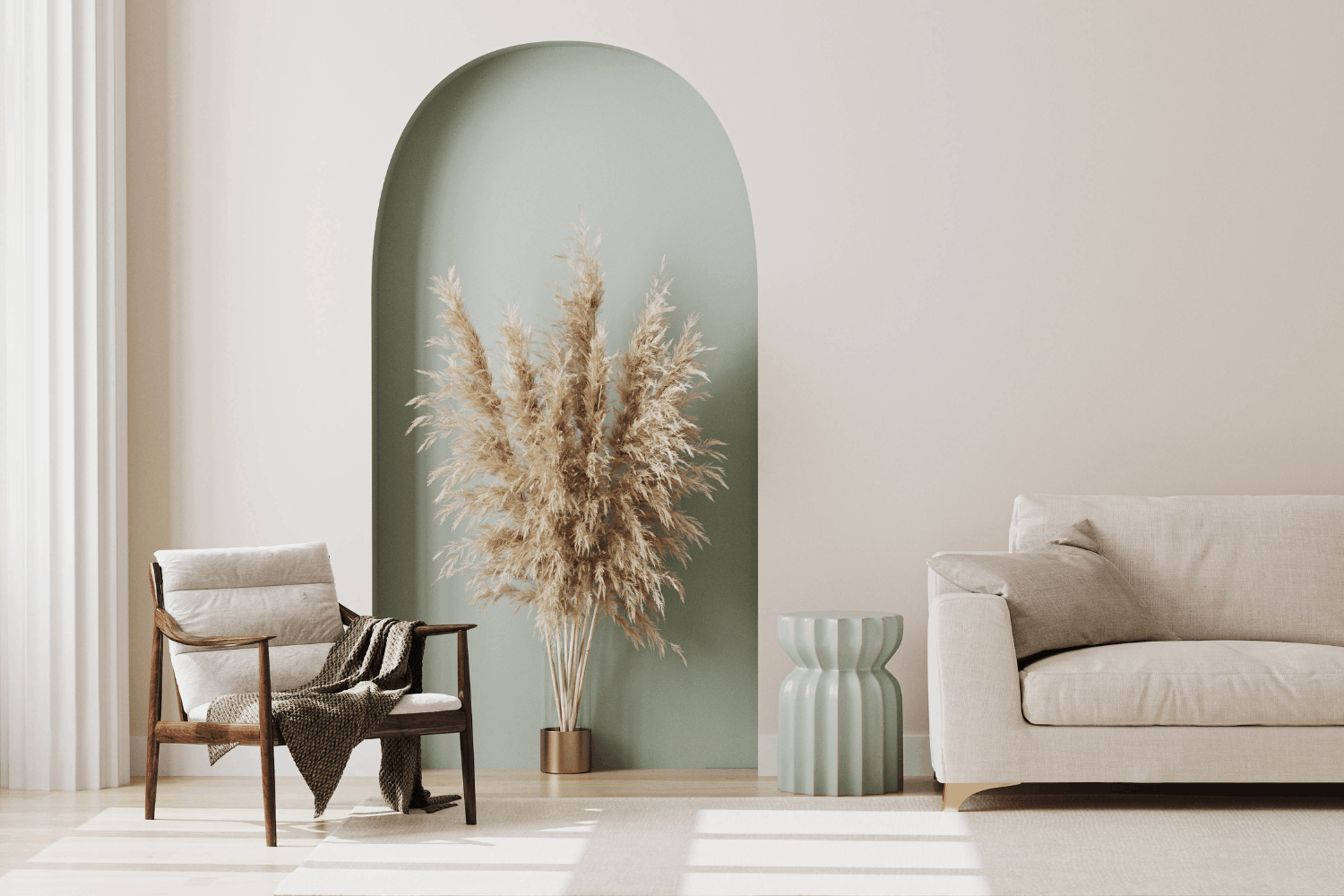
8. Wellness-Focused Bathrooms and Bedrooms
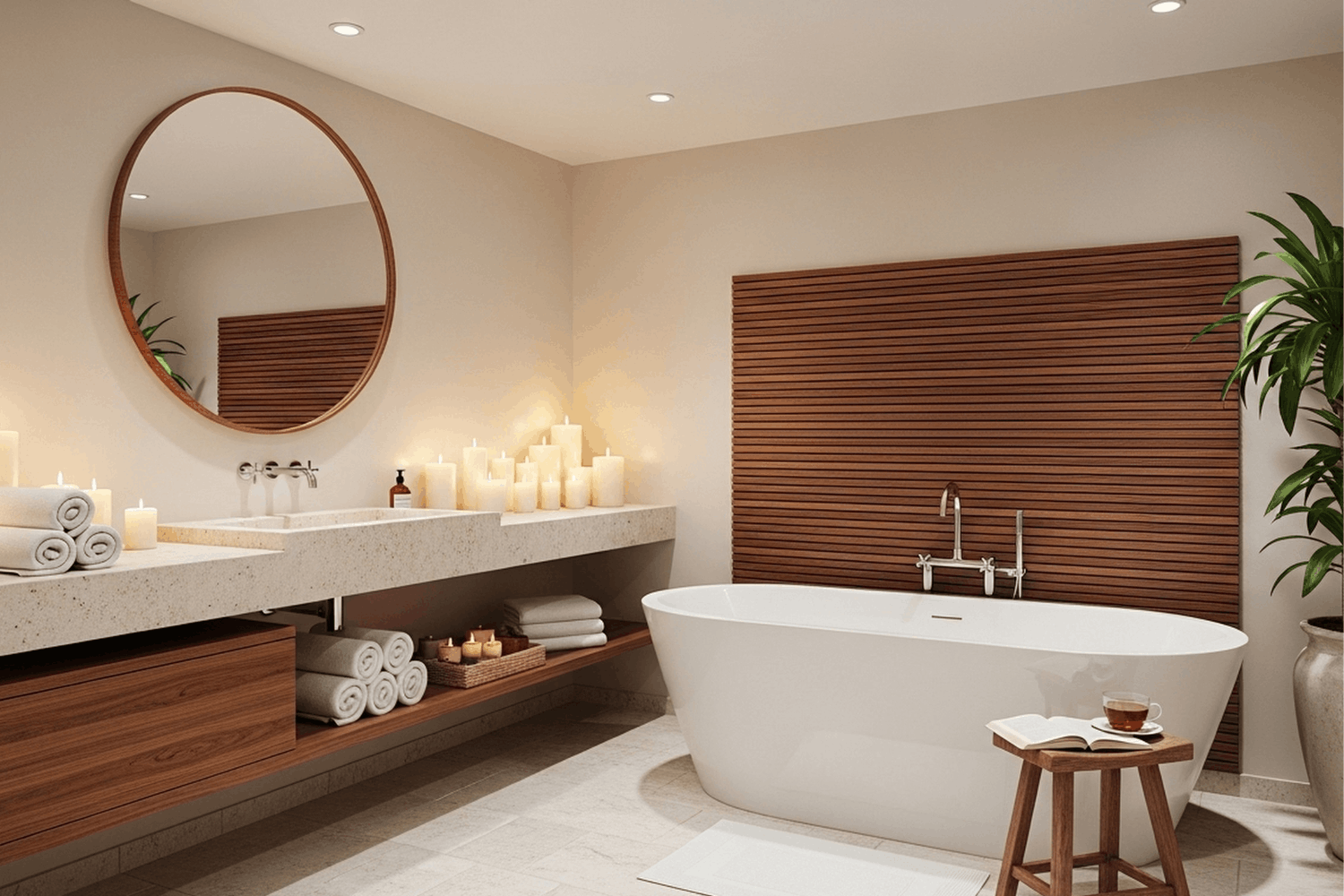
Bathrooms and bedrooms are increasingly designed as wellness-oriented spaces rather than purely functional rooms. Spa-inspired bathrooms feature natural materials, ambient lighting, and sensory elements that encourage relaxation and stress relief. Bedrooms prioritize acoustic comfort, air quality, and lighting strategies that support healthy sleep cycles. These spaces are carefully designed to promote rest, recovery, and daily renewal. This focus reflects a broader cultural shift toward self-care and the recognition of the home as a vital contributor to physical and mental health.
9. Artisanal Craft and Handmade Details
There is a renewed appreciation for craftsmanship and handmade elements in contemporary American interiors. Artisanal tiles, custom woodwork, handwoven textiles, and bespoke furniture introduce character and authenticity into modern spaces. These elements counterbalance mass-produced products and reinforce a sense of human presence within interiors. Craft-driven design also supports local makers and sustainable production practices. By embracing imperfection and material honesty, handcrafted details add emotional depth and long-term value to interior environments.



Related Articles
Home Design  illustrarch Editoral Team4 Mins read
Electrical planning as part of better home design
Table of Contents Show Good rooms need electrical thinking from the sketch...
illustrarch Editoral Team4 Mins read

Home Design illustrarch Editoral Team4 Mins read
Why Open Floor Plans Still Have Hot and Cold Spots
You knock down the partition walls, open up sightlines from the kitchen...
illustrarch Editoral Team4 Mins read
Interior Design illustrarch Editoral Team2 Mins read
How Integrated Furniture Can Shape the Architecture of Urban Interiors
Most people treat furniture as the last decision in interior architecture, yet...
illustrarch Editoral Team2 Mins read
Interior Design  Furkan Sen5 Mins read
Architecture and Interior Design: Can Architects Specialize in Both?
Architects hold most of the skills interior design needs, from space planning...
Furkan Sen5 Mins read


Leave a comment