

Best YouTube Channels for Learning Rhino (2026 Guide)
A ranked guide to the best YouTube channels for learning Rhino, covering official McNeel tutorials, Grasshopper and computational design, V-Ray rendering, and landscape modeling, plus a beginner learning path.
 Elif Ayse Sen30 December 20216 Mins read885

Table of Contents Show
The best YouTube channels for learning Rhino combine clear modeling walkthroughs with real project examples, so you build NURBS skills instead of just watching them. This guide ranks the strongest Rhino 3D YouTube channels by focus and skill level, covering official tutorials, Grasshopper, rendering, and landscape work.
Rhino, a 3D modeling program built on NURBS geometry, has become a staple in architecture, product design, and jewelry studios. Video is one of the fastest ways to pick it up, because you can watch a command run and then repeat it in your own file. Below are the channels worth subscribing to, whether you want core modeling, parametric design with Grasshopper, or photoreal rendering.
Why Learn Rhino Through Video Tutorials
Rhino earned its place because of its NURBS engine, which describes curves and surfaces with mathematical precision rather than polygon meshes. This suits smooth, complex, free-form geometry that would be awkward to model elsewhere. It also reads and writes a wide range of file formats, so it fits into a workflow that already includes AutoCAD, Revit, or a separate rendering engine. For many users the deciding factor is value, since Rhino uses a one-time license rather than a subscription, which lowers the barrier for students and small offices. Video tutorials shorten the learning curve because you see the exact click order, the command line entries, and the small habits that written docs rarely capture.
📌 Did You Know?
Rhino was first released by Robert McNeel & Associates in 1998 and still ships as a perpetual license rather than a subscription. Its NURBS core is why a single curve can hold true mathematical continuity, which is a big reason product and marine designers rely on it alongside architects.
⚖️ Pros & Cons at a Glance
✔️ Pros: free to follow, learn at your own pace, see real command sequences, easy to replay tricky steps
✖️ Cons: quality varies by creator, some tutorials use outdated versions, no structured feedback on your own files

The Best YouTube Channels for Learning Rhino
The channels below cover different parts of the Rhino workflow, from first-day basics to advanced computational design. Start with one that matches your current level, then branch out as your goals grow. The table gives a quick overview before the details.
Rhino Learning Channels Compared
| Channel | Focus | Best For |
|---|---|---|
| Rhino 3D (official) | Core tools, new features, webinars | Reliable basics from the source |
| Christopher McAdams | Modeling plus V-Ray rendering | Photoreal images and materials |
| Colin Rennie | Surfaces, masses, camera setup | Absolute beginners |
| Nigel Gough | Modeling, materials, Photoshop | Rendering and representation |
| Junichiro Horikawa | Grasshopper, scripting, geometry | Computational and parametric work |
| Parametric Architecture | Design ideas and workflows | Inspiration and tutorials |
| Design Morphine | Advanced experimental methods | Pushing beyond the basics |
| Lands Design | Landscape modeling and BIM | Site and landscape work |
Rhino 3D (Official McNeel Channel)
The official Rhino 3D channel from Robert McNeel & Associates is the first place to check when you want accurate, current information. It posts feature overviews, recorded webinars, and short clips that explain new tools as each version ships. Pair it with the written docs on the Rhino learning hub and you have a dependable foundation that no third party channel can fully replace.
Christopher McAdams
Christopher McAdams’ channel has rich content on Rhino modeling and V-Ray rendering. You can follow full tutorials for detailed modeling and lighting setups. His videos show how to reach advanced results in Rhino using Grasshopper and V-Ray together, which is useful once your basic geometry is solid.
Colin Rennie
Colin Rennie’s channel is a strong pick for beginners, with clear videos on surfaces, masses, and camera setup for rendering. The pacing is friendly for people who have never opened Rhino, and the examples stay small enough to rebuild in a single sitting. It is a good starting point before you move to heavier modeling or rendering topics.
Nigel Gough
Nigel Gough’s channel covers modeling from the ground up, along with camera and material settings for rendering. He explains the tricks of clean modeling and good renders with quality materials, and he adds Photoshop videos that improve your representation skills. If you want your Rhino output to read well in a portfolio, this is a practical channel to follow.
Junichiro Horikawa
For parametric and computational design, Junichiro Horikawa’s channel is one of the deepest resources on YouTube. He works through Grasshopper definitions, scripting, and geometry problems step by step, often building complex systems from simple logic. This channel rewards patience, so keep it for after you are comfortable with core Rhino modeling.
💡 Pro Tip
When following a Grasshopper tutorial, rebuild the definition from scratch rather than downloading the finished file. Retyping each component and reconnecting the wires forces you to understand the data flow, which is the part most beginners skip and later struggle with.
Parametric Architecture
The Parametric Architecture channel mixes design inspiration with tutorials and interviews. It is less about single commands and more about how Rhino and Grasshopper fit into real design thinking, which helps once you want to see where the skills lead. Use it to spot techniques you want to learn, then find focused tutorials to practice them.
Design Morphine
Design Morphine sits at the advanced end of the scale, with experimental and computational methods that push Rhino and Grasshopper into new territory. The content assumes you already know the basics, so treat it as a place to grow rather than a first stop. It is a strong source once you want to move past standard modeling into generative and AI assisted design.
Lands Design (RhinoLands)
One of the most focused channels in its niche is Lands Design, now part of RhinoLands. You will find detailed content on landscape design and modeling, including terrain, planting, and site renders built on top of Rhino. Landscape and site work is an important part of architectural modeling, and this channel gives it the attention it deserves.
Pairing Rhino With Grasshopper
Grasshopper is the visual programming environment that ships with Rhino, and it turns repetitive modeling into a set of connected components. Instead of drawing a facade panel hundreds of times, you build a definition once and let it generate variations from a few sliders. Beginners often find it easier to learn Grasshopper alongside core Rhino modeling rather than after, because the two reinforce each other. A practical first project is a parametric pattern on a flat surface, which introduces points, curves, and data lists without overwhelming you. Once the logic clicks, channels like Junichiro Horikawa and Design Morphine become far easier to follow.
How to Get the Most From Video Tutorials
Watching tutorials passively rarely builds skill. The faster route is to rebuild each example yourself, pausing the video at every step and matching the instructor’s actions in your own file. Start with one channel and finish a full series before jumping around, because consistent terminology and habits help the commands stick. Keep a short personal cheat sheet of shortcuts you use often, such as the commands for Loft, Sweep, and BooleanUnion. When a step does not work, retyping the command name in Rhino’s command line and reading its options often teaches more than rewatching the clip.
💡 Pro Tip
Before starting a tutorial, check which Rhino version the creator is using. A clip recorded in Rhino 6 may reference tools that moved or changed in Rhino 8, and matching versions saves you from hunting for a command that is not where the video shows it.
A Suggested Learning Path for Beginners
A sensible order is to start with the basics covered by Colin Rennie and Nigel Gough, focusing on surfaces, masses, camera setup, and materials. Once you are comfortable creating and editing geometry, move to rendering with a channel like Christopher McAdams, then explore parametric thinking through Grasshopper content from Junichiro Horikawa. If your interest is landscape or site work, Lands Design offers a focused track. Set yourself a small weekly project, such as modeling a chair, a pavilion, or a terrain, so each tutorial feeds directly into something you can keep in a growing portfolio. If you also work in other tools, our roundups of the best YouTube channels for learning SketchUp and YouTube channels for learning Revit pair well with a Rhino study plan.

Where to Go From Here
Your Next Step: pick one channel from the list that matches your current level, subscribe, and commit to finishing a single full series this week before adding a second source. Consistent practice with one voice beats scattered clips from ten, and it turns these YouTube channels for learning Rhino into real modeling skill.





Futuro House Production Revived in Finland After Decades-Long Hiatus
A Facebook listing for abandoned moulds led to the first new Futuro...
 illustrarch Editoral Team3 Mins read

Building Your Dream Home in NSW: What You Should Know About Montgomery Homes
Montgomery Homes has been building across Sydney, Newcastle, the Hunter, Wollongong and...
illustrarch Editoral Team4 Mins read
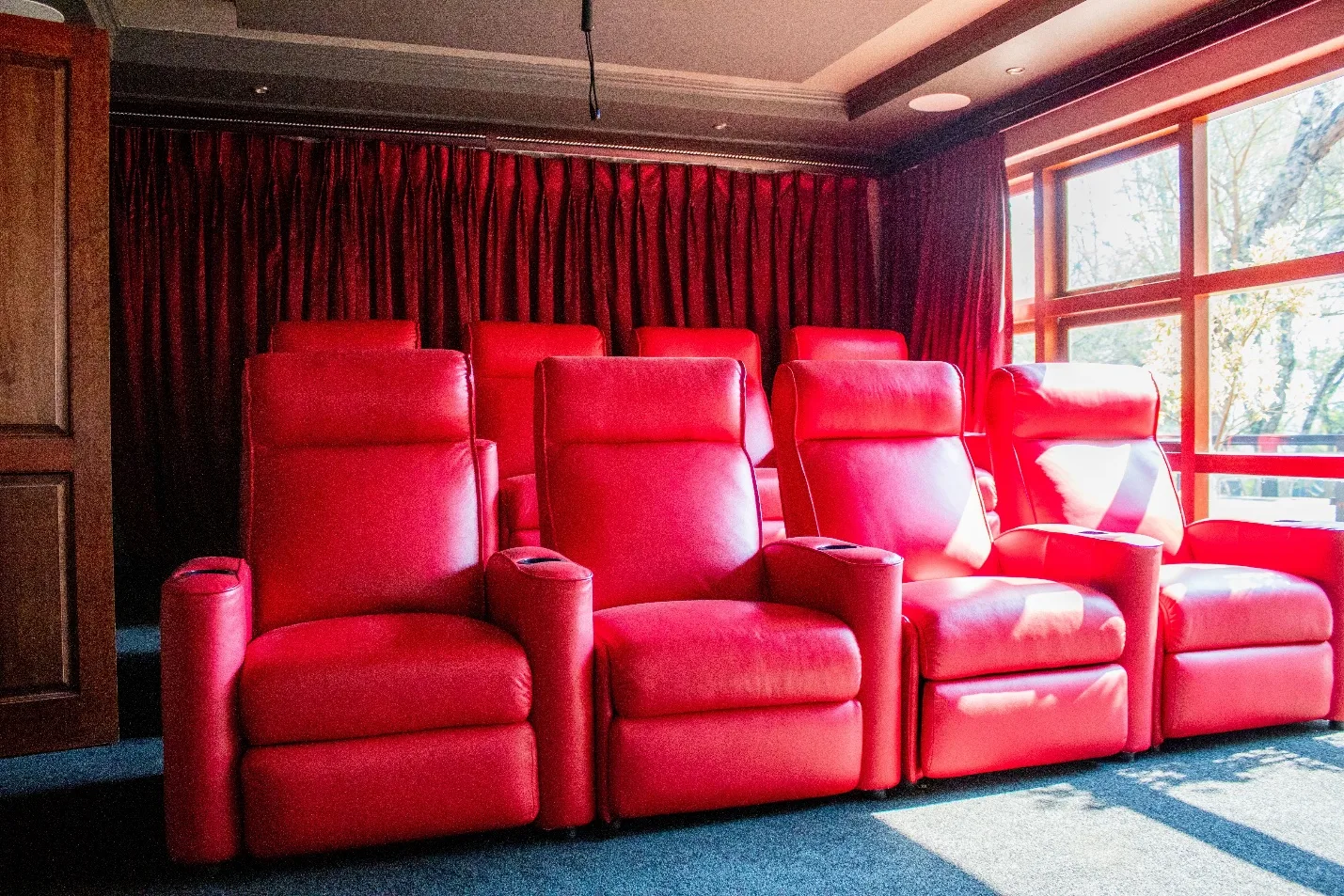
Designing a Home Theater: Where Drapery Fits Into the Plan
In a media room the curtains are a performance layer, not decoration....
illustrarch Editoral Team3 Mins read

Oscar Niemeyer’s Cathedral of Brasília: The Hyperboloid Concrete Hymn
The Cathedral of Brasília reads as a single gesture, yet it stood...
 Furkan Sen7 Mins read


Leave a comment