

Collabrative Design with Snaptrude
Snaptrude is a web-based collaborative design tool that enables architects and designers to create efficient BIM models and manage projects in real time from any device.
 Elif Ayse Sen6 February 20223 Mins read465
Table of Contents Show
Snaptrude was created for architects and interior designers as a collaborative design tool. With data automation, design teams may produce efficient buildings while saving time on sketching. For faster input and approvals, your team may collaborate in real time. The best site of the Snaptrude is based on a web browser, users can access it from any device, anywhere in the globe.
Snaptrude’s push-pull modeling capabilities make designing a breeze. When you design with familiar tools, the groundwork for BIM is laid You can access topographic maps, solar paths, shadow studies or any site data easily.
You can create presentations with ease, using images and 3D dimension drawings. Snaptrude exports to Revit, AutoCAD or other rendering software directly.

With Snaptrude, you can generate BIM models from mass models. Parametric editing and revisions of drawings are easy to work on Snaptrude. One of the advantages of Snapture is import and export feature. All modeling and drawings can be import to and export from Snaptrude. You may create drawings on AutoCAD, create models on 3Ds Max, SketchUp, Revit or Rhino and import to Snaptrude to create BIM from them.
Large material and furniture library is easy to access on Snaptrude. All architectural elements and materials are exist.
You can create a Snaptrude accound on the website, there is no need to download any application or software. In addition, Snaptrude Pro version is free for students who signed with university e-mail adress.

Key Features at a Glance
Snaptrude bundles several capabilities that would normally require separate applications. Push-pull massing lets you sketch volumes quickly and convert them into walls, slabs and openings without redrawing. Real-time co-editing means two or more team members can work on the same model at once, with changes appearing instantly for everyone. Automatic BIM generation tags geometry with building data as you model, so quantities and schedules stay current. Cloud storage keeps every version accessible from a browser, removing the need for local file management or large hardware.
How to Start a Project in Snaptrude
Getting a first model running is straightforward. Sign up with your email on the Snaptrude website, then create a new project from the dashboard. Set the location to pull in site context such as maps and solar data. Draw walls or import a CAD plan as an underlay to trace over. Use the push-pull tool to raise volumes into storeys, then add doors, windows and roofs from the toolbar. When the massing is ready, switch to the BIM view to refine materials and parameters. Finally, export to Revit, AutoCAD or IFC, or share a live link so reviewers can comment directly in the model.
Snaptrude Compared to Traditional BIM Tools
Desktop BIM packages such as Revit or ArchiCAD are powerful but carry a steep learning curve and demand capable workstations. Snaptrude positions itself earlier in the workflow, where speed and iteration matter most. Its browser-based approach removes installation and licensing friction, and its simplified modelling suits concept and schematic stages. The trade-off is depth: for detailed documentation, structural coordination and large production sets, established desktop tools still offer finer control. Many teams therefore use Snaptrude for early design and collaboration, then export to Revit for the construction-document phase.
Tips for Smoother Collaboration
To get the most from real-time work, agree on a simple naming convention for storeys and rooms before the team begins, so schedules stay readable. Keep imported CAD files clean, as stray layers and duplicate lines can slow tracing. Use comments rather than verbal feedback during reviews, since notes attached to the model are easier to track and resolve. Save named versions at milestones so you can roll back if a design direction changes. For students, the free Pro tier unlocked with a university email is worth claiming, as it removes export limits useful for portfolio work.
Frequently Asked Questions
Does Snaptrude work offline? No, it runs in the browser and needs an internet connection, which is what enables its live collaboration. Can I bring in existing models? Yes, you can import from AutoCAD, SketchUp, 3ds Max, Revit and Rhino, then generate BIM from that geometry. Is it suitable for interior design? It is, thanks to the large material and furniture library and easy parametric editing of layouts. What does it cost? There is a free tier to begin with, paid plans for professional teams, and a no-cost Pro plan for verified students.




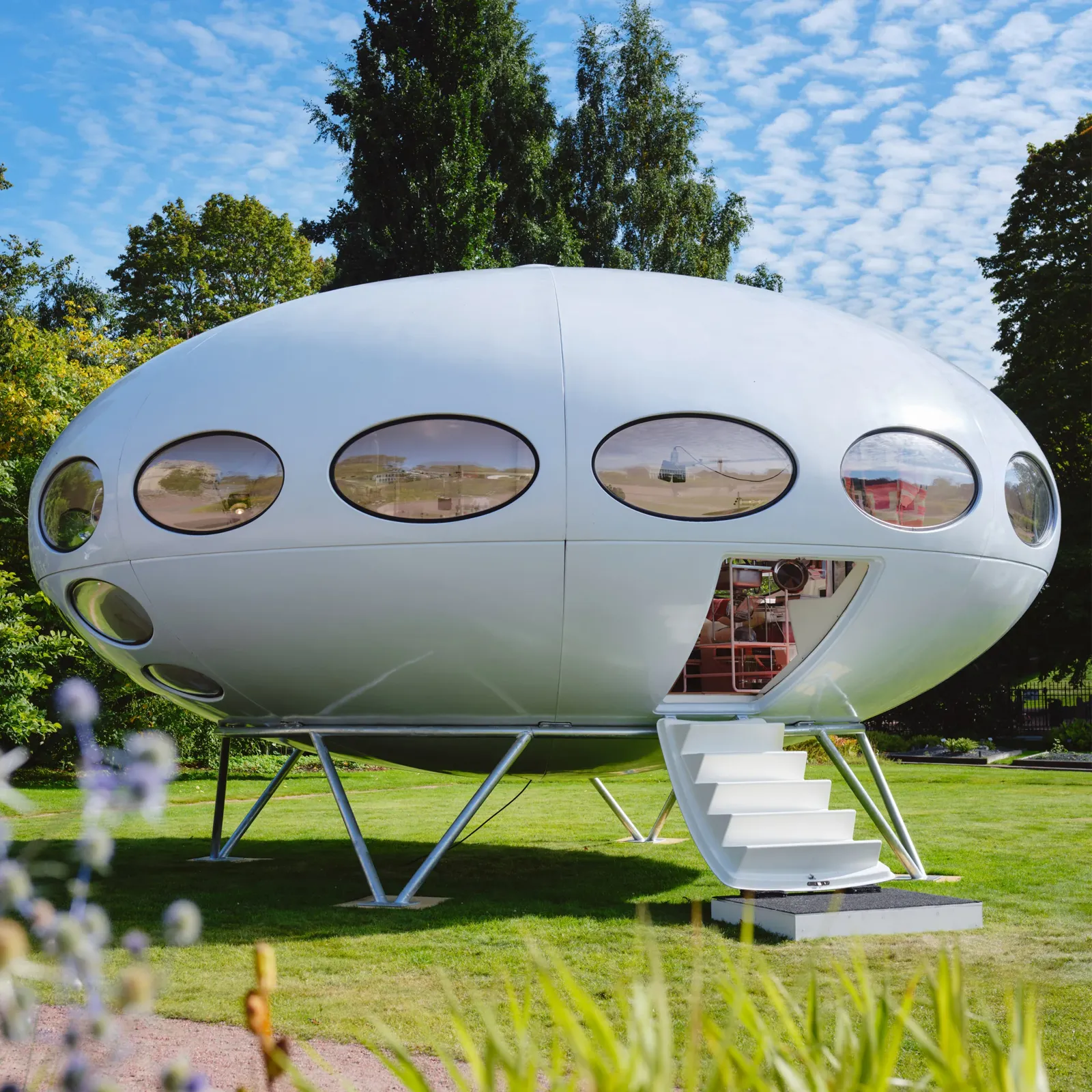
Futuro House Production Revived in Finland After Decades-Long Hiatus
A Facebook listing for abandoned moulds led to the first new Futuro...
 illustrarch Editoral Team3 Mins read

Building Your Dream Home in NSW: What You Should Know About Montgomery Homes
Montgomery Homes has been building across Sydney, Newcastle, the Hunter, Wollongong and...
illustrarch Editoral Team4 Mins read

Designing a Home Theater: Where Drapery Fits Into the Plan
In a media room the curtains are a performance layer, not decoration....
illustrarch Editoral Team3 Mins read

Oscar Niemeyer’s Cathedral of Brasília: The Hyperboloid Concrete Hymn
The Cathedral of Brasília reads as a single gesture, yet it stood...
 Furkan Sen7 Mins read


Leave a comment