

4 Young Architects Every Architects Should Follow
Four young architects shaping contemporary design include Moreau & Kusunoki, Bjarke Ingels, Melike Altinisik, and Ma Yansong, each with unique innovative approaches.
 Elif Ayse Sen9 February 20224 Mins read505
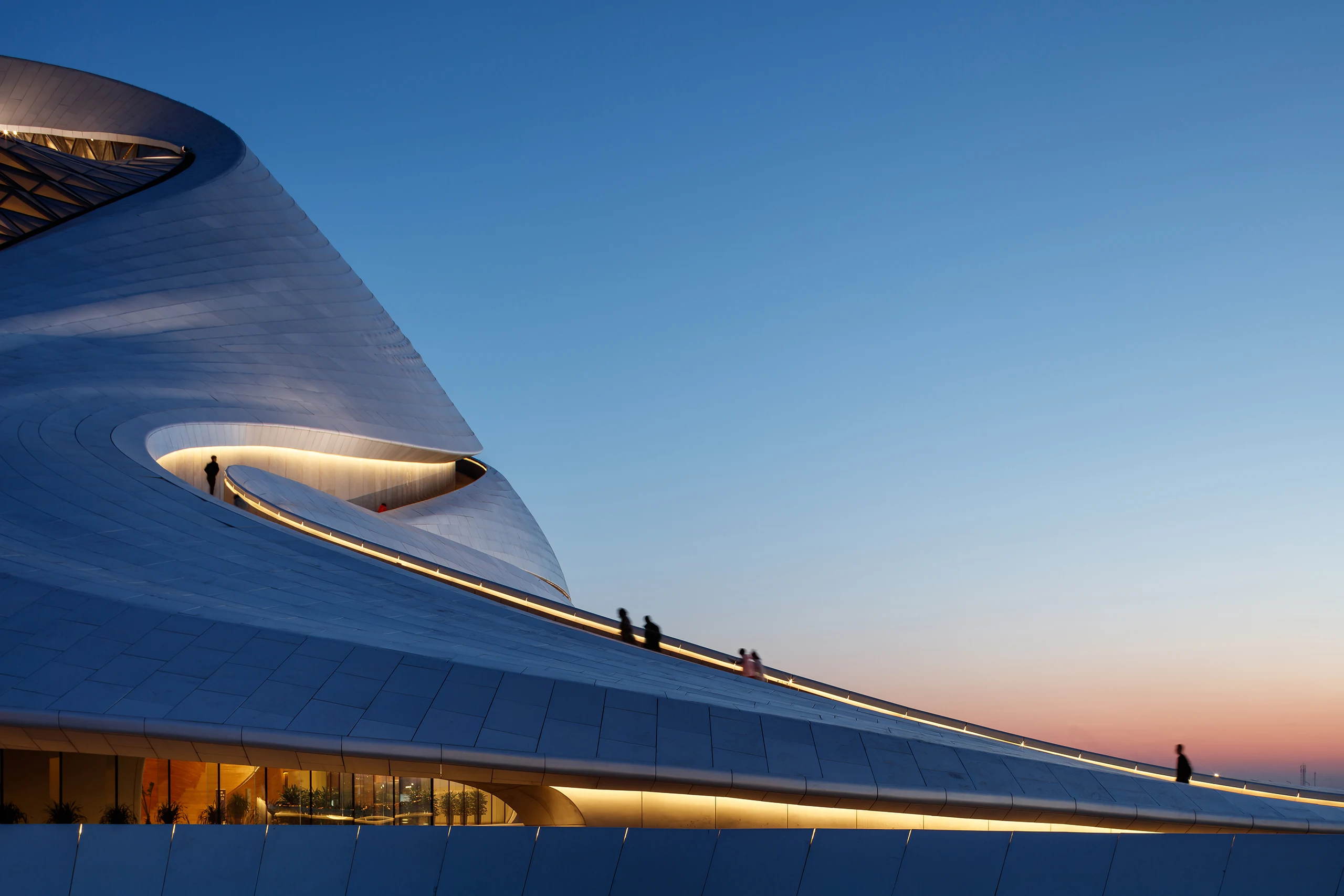
Table of Contents Show
Moreau & Kusunoki
Moreau Kusunoki, created in 2011, is codirected by Nicolas Moreau and Hiroko Kusunoki. The two gained their first professional experience in Tokyo, where they learned from internationally renowned architects such as Ban on the art of construction, Sejima and Nishizawa and Associates (SANAA) on programmatic and spatial investigation, and Kuma Kengo Architecture and Associates on material sensibility. They won first prize in the Guggenheim Helsinki Design Competition in their 4th year.


Bjarke Ingels
Bjarke Ingels established himself as an architectural legend at a time when many others were just starting out. His work exudes a peculiar optimism that is both whimsical and practical, as well as easily accessible.
Bjarke Ingels Group (BIG), was founded in 2014 and has already completed decade-defining projects including Two World Trade Center, CopenHill Energy Pland and Urban Recrection Center, and the LEGO House.


Melike Altinisik
Melike Altinisik is a well-known architect who spent seven years in London working under Zaha Hadid Architects. Altinisik, the founder of MAA, is now back in her hometown of Istanbul, where she has had a successful career that has earned her numerous honors.
Istanbul’s TV and Radio Tower is one of her most well-known recent works. Seoul’s Robot Science Museum is being built entirely by robots, who are molding, welding, assembling, and polishing it. She describe the style of MAA is between nature and art with using technology.


Ma Yansong
Ma Yansong, who was born in China in 1975, is the founder of MAD Architects, which has offices in Beijing and Los Angeles. He was the first Chinese architect to acquire a fellowship from the Royal Institute of British Architects (RIBA). RIBA fellowship has helped him become one of Asia’s most sought-after architects.
His work and style exemplify China’s rise and hope. The architectural approach of Yangon combines traditional East Asian characteristics with bold and contemporary accents that can border on surrealism. In summation, MAD architecture buildings incorporate structure, landscape, light, plants, and water.
Harbin Opera House and Sheraton Huzhou Hot Spring Resort are the most famous building of MAD Architects.


What These Architects Have in Common
Although Moreau and Kusunoki, Bjarke Ingels, Melike Altinisik, and Ma Yansong work in very different places and styles, a few shared threads explain why they are worth following. Each built an independent practice relatively early in their career and gained attention through competitions or boundary-pushing projects rather than slow seniority. Each also draws on cross-cultural experience, whether that is European architects trained in Tokyo, a Turkish architect shaped by years in London, or Chinese designers engaging with Western contexts. That mix of influences gives their work a distinctive voice and makes them useful to study for anyone interested in how global exchange shapes contemporary design.
Why Competitions Matter for Young Practices
Several of these careers were accelerated by design competitions, and that is no coincidence. Open and invited competitions give emerging studios a way to win significant commissions without a long track record, since proposals are judged on ideas rather than reputation. Moreau Kusunoki’s success in the Guggenheim Helsinki competition is a clear example of how a single strong entry can put a young office on the international map. For students and recent graduates, entering competitions is one of the most direct routes to building a portfolio and testing ambitious ideas free from the constraints of a typical client brief.
Following Architects Effectively
To get real value from following architects, go beyond admiring finished renders. Study the diagrams and competition boards that explain how a project was reasoned, since these reveal the design logic you can learn from. Watch lectures and interviews where architects describe their decisions in their own words. Track how a firm evolves across projects, noting which ideas recur and which are abandoned. Social media is useful for staying current, but a firm’s own website, monographs, and published drawings usually offer far more depth than a single image in a feed.
Building Your Own Reference List
A short list like this one is best treated as a doorway into a wider conversation. Once you find an architect whose work resonates, follow the people and practices they cite as influences, since those connections often lead to equally compelling but lesser-known designers. Try to keep your references diverse across geography, scale, and program, so that you are exposed to civic, cultural, residential, and experimental work rather than a single type of building. Over time this curated network of voices becomes a personal design library you can return to whenever you need fresh thinking.
Takeaways for Emerging Designers
The clearest lesson from these four careers is that distinctive work and an openness to opportunity tend to travel together. Gaining experience abroad, entering competitions, and developing a recognizable point of view all helped these architects establish themselves quickly. For anyone early in their own path, the message is encouraging. Influence in architecture is not reserved for the most senior names, and a strong idea, clearly communicated, can carry a young practice a long way.





Futuro House Production Revived in Finland After Decades-Long Hiatus
A Facebook listing for abandoned moulds led to the first new Futuro...
 illustrarch Editoral Team3 Mins read

Building Your Dream Home in NSW: What You Should Know About Montgomery Homes
Montgomery Homes has been building across Sydney, Newcastle, the Hunter, Wollongong and...
illustrarch Editoral Team4 Mins read

Designing a Home Theater: Where Drapery Fits Into the Plan
In a media room the curtains are a performance layer, not decoration....
illustrarch Editoral Team3 Mins read

Oscar Niemeyer’s Cathedral of Brasília: The Hyperboloid Concrete Hymn
The Cathedral of Brasília reads as a single gesture, yet it stood...
 Furkan Sen7 Mins read


Leave a comment