

5 Job Ideas for Architects and Architecture Students
The architectural education you have received at the faculty of architecture is above many design disciplines and is highly visionary. There is no limit to what you can do after graduating from the faculty of architecture.
 Elif Ayse Sen13 September 20225 Mins read457

Table of Contents Show
Job ideas for architects go far beyond a single desk in a design office. An architecture degree prepares you for office practice, interior design, landscape and urban design, 3D visualization, and on-site construction management. Each path draws on the same core training in a different way, so you can match a role to the work you actually enjoy.
The architecture education you receive at a faculty of architecture sits above many design disciplines and stays broad on purpose. It changes how you see buildings, cities, and everyday objects, and that wider view is exactly why graduates land in so many different roles. If you are still mapping out your direction, our guide on starting a career in architecture pairs well with the five job ideas for architects below.
None of these paths require you to abandon design. They simply apply your skills at different scales and stages of a project. Read each one with your own studio strengths in mind, then notice which descriptions feel like a natural fit.
Office Architecture
Most architectural projects are completed inside design offices, so office work is the first thing people picture when they think about the profession. As an office architect you carry a project through its full life, from the first site research and concept sketches to design development and the construction drawing set. You coordinate with engineers, write specifications, and keep the design intent intact as the project moves toward permits and tender.
This role is the clearest route to professional licensure because it exposes you to every project phase under experienced supervision. In the United States, that path runs through education, documented experience, and the Architect Registration Examination managed by NCARB. If you like seeing how an idea survives contact with budgets, codes, and contractors, office practice rewards you. It also helps to understand where your role ends and another professional begins, which our breakdown of architect versus engineer roles explains in detail.

💡 Pro Tip
When you apply to an office, tailor the portfolio to the job rather than to yourself. Hiring architects want to see plans, sections, and how you resolve a detail, not only glossy hero shots. A focused set of three or four well documented projects beats a long folder of disconnected images.
Interior Design
Architectural projects exist at every scale, and the interior is where people actually live with your decisions. If you enjoy detail, material selection, lighting, and the way a room performs day to day, interior design is a strong fit. You can work as an independent interior designer or join the interior team inside a larger studio, handling layouts, finishes, joinery, and the technical coordination that keeps a space functional.
How do you know this path suits you while still in school? Watch your own habits. If you think harder about spatial quality and human comfort than about large-scale form, and if you reach for the section through a kitchen before the site plan, interiors probably hold your attention. Many interior designers also pursue formal credentials such as the NCIDQ certification managed by CIDQ, which signals competence in health, safety, and functional design. Strong presentation matters here too, and our notes on interior design renderings help your concepts read clearly to clients.

Landscape and Urban Design
A faculty of architecture gives you an advantage when you want to work across many scales at once. Thinking about a project from the level of the street, the block, or the whole district is part of the coursework you complete before graduation. If you did well in urban design studios and landscaping projects as a student, lean into that strength in your diploma project during the final year.
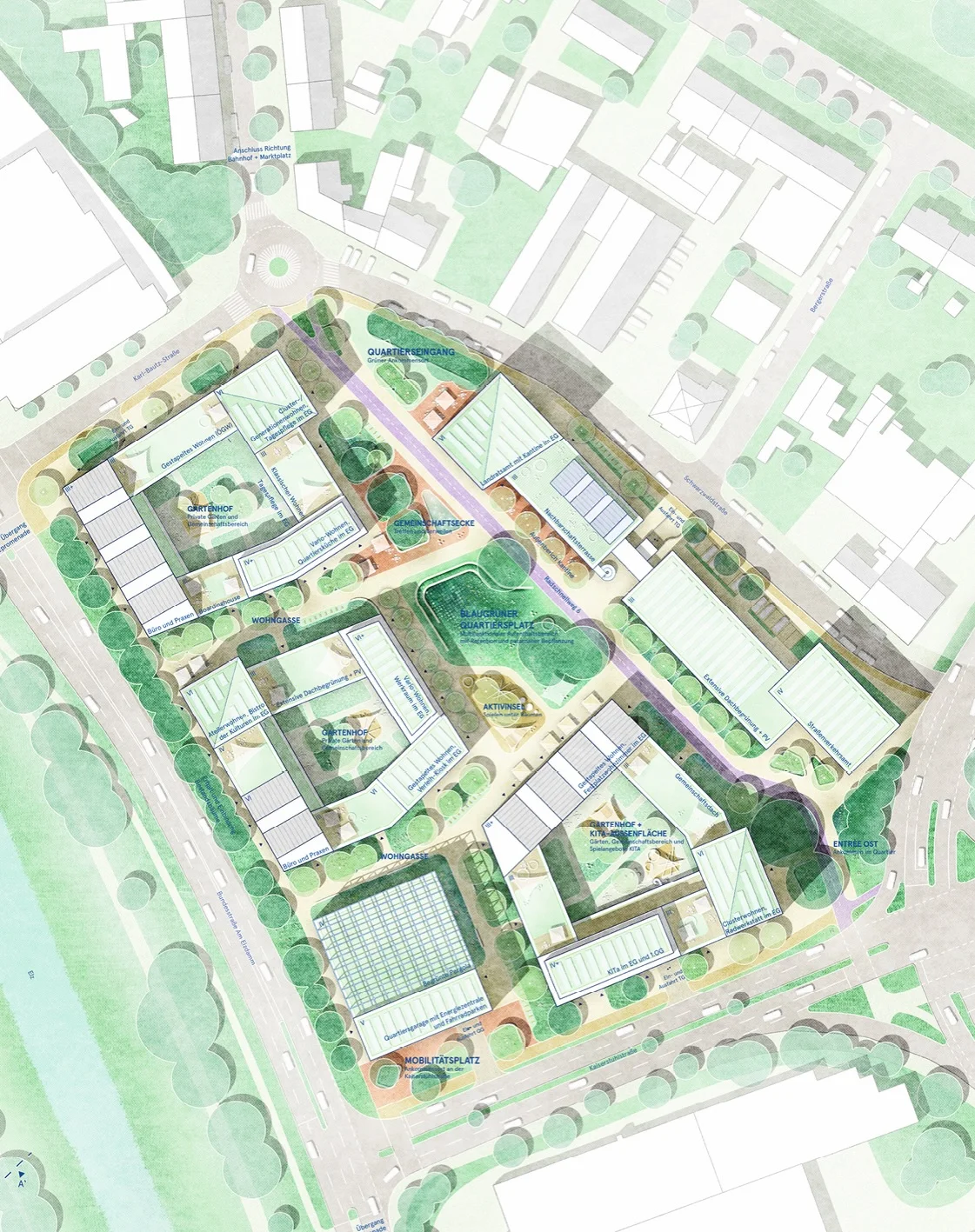
After graduation you can join the concept and design team of a landscape or urban design office. A master’s degree in landscape architecture or urban design lets you carry the title of landscape architect or urban designer and take on parks, waterfronts, campuses, and neighborhood plans. The professional body ASLA describes how landscape architects move between public agencies, private firms, and research, which is useful when you map your own route. If you are weighing graduate programs, compare options through our list of top landscape architecture schools.

⚖️ Pros & Cons of Specializing Early
✔️ Pros: deeper expertise, a sharper niche portfolio, stronger demand inside that specialty
✖️ Cons: a narrower job pool, a harder pivot later, and real exposure if the tools or market in that niche shift
3D Visualization
3D images and professional renderings are among the tools that architectural offices invest in most. A convincing render is often what wins a client, because it shows material, light, and atmosphere long before anything is built. Design teams spend real money and real hours on this work, which is why skilled visualization specialists stay in demand.

If rendering is where you shine, you can work inside an office visualization team, support several studios as a freelancer, or run an independent practice. The craft sits on top of software you can start learning now. Industry tools such as V-Ray by Chaos integrate with Revit, SketchUp, Rhino, and 3ds Max, so you build a workflow that fits the modeling tools you already use. Treat lighting and post-production as design decisions, not afterthoughts, and your images will stand out.

Building Construction and Site Management
Architecture is not only studio work. You can take part in the field side of projects as a site architect, site manager, or project manager. Without site supervisors and project managers, a design cannot be built safely or faithfully to the drawings. If you enjoyed your construction site internships and you like solving problems where the concrete actually meets the ground, this path will suit you.
On site you translate the documents into a finished building, manage trades and schedules, and protect both quality and occupational safety. Reading drawings fluently is the baseline skill here, and our explainer on the architectural site plan is a good refresher before your first day in the field. Site experience also strengthens your office work later, because you learn how details perform once they are buildable rather than just drawable.

📌 Did You Know?
The United States had roughly 121,000 licensed architects in 2023, and the Architect Registration Examination ran a 58% pass rate that year, according to NCARB by the Numbers 2024. The path through education, documented experience, and exams remains the main route into registered practice.
Which Architecture Career Fits You?
The right choice usually matches how you already work in studio. The table below lines up the five job ideas for architects so you can compare focus, fit, and the tools each role leans on.
| Role | Core Focus | Good Fit If You | Key Tools |
|---|---|---|---|
| Office Architecture | Full project life, drawings, coordination | Want license-track experience | Revit, AutoCAD, specs |
| Interior Design | Layouts, finishes, lighting, comfort | Think at room scale first | SketchUp, finishes, NCIDQ |
| Landscape and Urban Design | Parks, streets, districts, master plans | Enjoy large-scale thinking | GIS, Rhino, site analysis |
| 3D Visualization | Light, material, atmosphere, renders | Love image craft and detail | V-Ray, 3ds Max, post-production |
| Building Construction | Site management, schedule, safety | Like solving real-world problems | BIM, scheduling, drawing sets |
None of these doors lock the others. Many architects move between office work, site roles, and visualization over a career, and the financial side of those moves matters too. Our piece on financial literacy for early-career architects is worth a read once you have picked a direction, since early choices shape pay and stability for years.
Where to Go From Here
Your Next Step: Pick the two job ideas for architects that match your studio strengths, then rebuild one project from your coursework into a focused sample tailored to each role. A targeted portfolio for two paths will open more doors than a single generic folder sent everywhere.








Can You Become a Licensed Architect Through Experience Only?
Twenty-one US jurisdictions let candidates qualify for licensure with documented experience instead...
 Sinan Ozen5 Mins read

InDesign Alternatives for Architects: 6 Tools That Handle Portfolios and Boards
Adobe InDesign is still the default layout tool in architecture, but the...
 Furkan Sen7 Mins read

How to Get Work Experience in Architecture Before Graduation
Waiting on one summer internship is the slowest way into practice. This...
Sinan Ozen6 Mins read

What It’s Like Working as an Architect: 5 Things Architecture School Doesn’t Teach You
Architecture school teaches design. Practice runs on construction documents, fee phases, consultant...
Furkan Sen7 Mins read


Leave a comment