

Architecture Circulation Diagram: Guide to Movement & Flow Design
A circulation diagram in architecture is a visual tool that maps how people move through buildings. This comprehensive guide covers horizontal and vertical circulation types, step-by-step creation process, software tools like AutoCAD and Revit, building code compliance, real-world case studies, and best practices for effective flow design.
 Sinan Ozen29 January 202624 Mins read2.5k
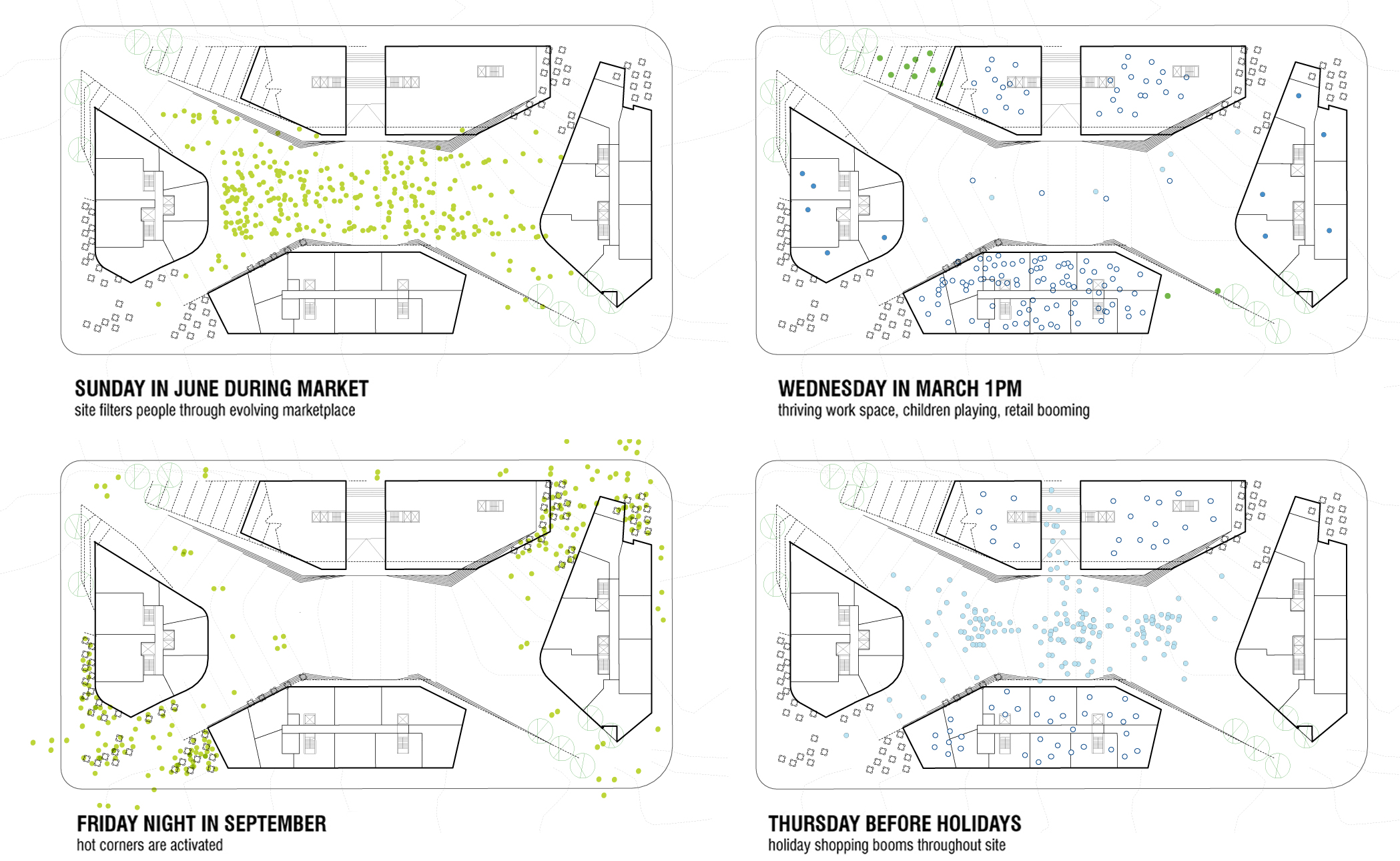


Table of Contents Show
Quick Answer: A circulation diagram maps how people move through a building or site, showing paths, entries, vertical movement and how spaces connect. Architects draw arrows and lines over a plan to study flow, separate public and private zones, and optimize movement early in design, before committing to a detailed floor plan.
A circulation diagram is one of the most essential tools in architectural design, serving as the visual blueprint that illustrates how people move through and interact with built spaces. In the vast and intricate world of architecture, the art of effectively communicating design concepts is paramount. Among the myriad tools at an architect’s disposal, the architectural circulation diagram stands out as a crucial instrument for visualizing the flow within a space. These diagrams are not just drawings; they’re the blueprint of a building’s heartbeat, illustrating how people move through and interact with the spaces they inhabit. Whether you are developing an architecture flow diagram for a residential project or mapping circulation in architecture for a large-scale public building, these visual tools are indispensable for translating spatial ideas into actionable design strategies. Understanding circulation patterns and circulation paths from the earliest design stages ensures that the final building architecture diagram reflects real human movement and spatial logic.
\nFor the full picture, see our complete guide to architectural diagrams and their types.
Circulation diagrams architecture professionals create serve a dual purpose. They not only provide a clear representation of the physical routes in a building, such as hallways, staircases, and doors, but also shed light on the abstract aspects of movement, like the flow of air, light, and sightlines. This makes them indispensable in the development of projects, ensuring that spaces are not just functional but harmonious with human behavior. The concept of circulation architecture extends beyond simple path-drawing—it encompasses the entire logic of how occupants experience a building from entry to exit. Effective building circulation in architecture connects programmatic zones, manages pedestrian flow, and creates spatial narratives that guide users intuitively through the built environment.
As we dive deeper, we’ll explore the nuances of architectural circulation diagrams, their types, and their pivotal role in shaping the environments we navigate daily. Understanding these diagrams is essential for anyone involved in the creation or appreciation of architectural spaces, offering insights into the complex choreography of daily life within the built environment. Whether you’re an architecture student, practicing architect, or design enthusiast, mastering the circulation diagram in architecture will transform how you approach spatial design. This updated guide for 2025–2026 covers everything from fundamental circulation space planning to advanced architecture design strategy diagram methods used by leading firms worldwide.
What Is an Architectural Circulation Diagram?
In diving deeper into circulation diagrams architecture professionals use, we aim to demystify how these tools significantly shape the planning and perception of spaces. Our exploration focuses on the core principles behind the creation and interpretation of these diagrams, underscoring their invaluable role in architectural design. At its core, an architecture circulation diagram bridges the gap between abstract spatial thinking and the concrete reality of built form.
What is a Circulation Diagram in Architecture?
A circulation diagram is a visual representation that maps the movement of people, goods, and services through a building or space. Unlike a simple floor plan, the architecture circulation diagram specifically focuses on pathways, connections, and flow patterns. Think of it as the nervous system of a building—it links functions, guides users, and defines spatial rhythm. According to the American Institute of Architects (AIA), effective circulation design is fundamental to creating buildings that serve their intended purpose efficiently. By analyzing circulation in architecture, designers can predict how occupants will navigate spaces and proactively resolve movement conflicts before construction begins. The resulting circulation architecture diagram becomes a critical reference document throughout the project lifecycle.

The Role of Circulation in Design
Circulation stands as a pivotal component in architectural design, orchestrating the movement and flow within spaces. It’s not merely about pathways or corridors but a comprehensive system that includes entry points, exits, and transitions between spaces. Architectural circulation diagrams serve as a blueprint, visualizing how spaces connect and the journey occupants take through them, whether they’re moving horizontally across a single level or vertically between floors.
These diagrams encapsulate more than just the physical layout; they weave in the anticipated human experience, highlighting how architectural elements like stairs, ramps, and corridors interplay with human behavior. By mapping out circulation, architects can design more intuitive and accessible spaces, taking into account the diverse needs of all users. Circulation diagram architecture also spotlights areas that double as public gathering spaces—lobbies, atria, and galleries—thereby enhancing social interaction and community within the architectural fabric. In recent projects from 2025, firms have increasingly used flow diagram architecture approaches to integrate wellness-focused circulation space strategies, ensuring that movement through buildings contributes to occupant health and comfort.

Key Components of Circulation Diagrams
Delving into the essential elements of circulation, we uncover two primary dimensions: horizontal and vertical movement. Horizontal circulation covers all ground-level movements within and around a building, including hallways, paths, and open spaces. These are critical in defining the flow of daily life, affected by factors like furniture layout and spatial organization. Vertical circulation, on the other hand, facilitates movement between floors, utilizing stairs, elevators, ramps, and escalators.
Another critical aspect is the delineation between public and private circulation space. Public circulation zones, like lobbies and atria, are designed to be more accessible and visually appealing, serving multiple functions and facilitating larger crowds. Private circulation, however, is more secluded, strategically placed to ensure privacy and restrict unnecessary traffic, essential in residential and restricted-access buildings. Properly defining these zones within your circulation diagrams is vital for successful space planning and user experience optimization.
In essence, architectural circulation diagrams embody the synergy between structure and movement, offering a holistic view of how spaces interact. They play a crucial role in enhancing efficiency and user experience, ensuring that movements within spaces are not only seamless but also enrich the architectural narrative. By meticulously planning and visualizing circulation patterns, architects can craft environments that are not only functional but also meaningful, catering to the dynamics of human behavior and interaction in physical spaces.
What Are the Types of Circulation in Architecture?
In our exploration of architectural circulation diagrams, we delve deeper into the nuances that define how spaces operate and interact with users. Understanding the types of circulation architecture not only helps in planning more effective spaces but also in creating environments that respond to human behavior and architectural intent. Circulation, as we’ve established, is not merely about moving from point A to B; it’s an elaborate dance of directional flow, spatial organization, and functional considerations.

Directional Flow and Spatial Organization
In the realm of architecture, the directional flow and spatial organization are fundamental in guiding the movement of people through spaces. This encompasses both horizontal and vertical movement, tailored to the building’s layout and its intended use. Horizontal circulation refers to the movement on a single floor, navigating through hallways, paths, and common areas. This is where strategic placement of elements like furniture, columns, and even green spaces can influence the flow, dictating a path that enhances the experience of the space or leads occupants to specific areas.
Vertical circulation, on the other hand, focuses on connecting different levels of a structure. This includes stairs, ramps, elevators, and escalators, each chosen for their ability to meet the needs of the space, whether it’s the swift movement between floors in a high-rise or accessible routes in a public building. Both types of circulation diagram architecture consider the user’s journey, emphasizing smooth transitions and intuitive navigation that align with the architectural narrative.

Functional Considerations in Circulation Design
Functionality reigns supreme in architectural design, especially when it comes to circulation. Every decision—from the width of a corridor to the placement of an escalator—has profound implications on how a space performs. Functional considerations in circulation diagrams ensure that the flow of movement is efficient, logical, and, most importantly, safe. This covers everything from emergency egress routes to the capacity and speed of elevators in commercial buildings.
Moreover, functionality also involves anticipating the diverse needs of space users, incorporating features that accommodate a wide range of activities. In commercial office buildings, for example, this might mean designing circulation paths that can adapt to evolving workspace layouts or accommodate high volumes of foot traffic during peak hours. In residential buildings, circulation needs to balance privacy with accessibility, creating clear separations between public and private areas.
In wrapping up this section of our article, we’ve seen how the types of circulation in architecture—encompassing directional flow, spatial organization, and functional considerations—play a crucial role in making spaces more user-friendly, efficient, and aligned with architectural goals. By meticulously planning and visualizing these circulation patterns through circulation diagrams architecture professionals create, architects can significantly enhance the quality of the built environment, ensuring that every journey through a space is as intuitive and meaningful as it is functional.
How Do You Create a Circulation Diagram, Step by Step?
Analyzing Site Constraints and Opportunities
When creating an architectural circulation diagram, the first step we take involves a meticulous analysis of the site’s constraints and opportunities. This phase is crucial, as it helps us understand how the geography, existing structures, natural elements, and regulatory restrictions can influence movement patterns. For instance, steep slopes may limit certain types of circulation, while existing pathways can offer natural routes that enhance the flow of movement. Identifying areas of high pedestrian traffic can also guide the placement of entrances and exits, ensuring a seamless flow within the structure. Our objective during this analysis is to pinpoint elements that can be leveraged to improve functionality and user experience, as well as to anticipate potential challenges that may need innovative solutions.

Integrating Circulation with Overall Architecture Design Strategy Diagram
Integrating circulation with the overall design strategy is about ensuring harmony between how people move through a space and the architectural vision. An effective architecture design strategy diagram considers circulation as a foundational layer upon which all other spatial decisions rest. This integration is pivotal because it affects not just efficiency but also the building’s aesthetic and atmosphere. We approach this by considering circulation early in the design process, ensuring it complements other elements like spatial organization, aesthetics, and functions. For instance, a central atrium can serve as a striking visual element while also facilitating vertical circulation. Similarly, strategically placed hallways can enhance the sequential discovery of spaces, enriching the user’s experience. In essence, our approach aims to make the circulation diagram an intrinsic part of the architectural narrative, contributing to the creation of engaging and cohesive environments. The best architecture design strategy diagram approaches treat circulation patterns as design generators rather than afterthoughts.
Representing Circulation Techniques in Diagrams
Representing circulation techniques in a diagram involves more than just plotting paths. It’s about visually conveying the flow of movement in a manner that’s both informative and intuitive. We use various symbols and line treatments to indicate different types of circulation paths, such as pedestrian walkways, corridors, and emergency exits. Arrows or gradient lines can depict movement direction and intensity, highlighting main routes versus secondary pathways. For vertical circulation, we differentiate between stairs, elevators, and ramps through distinct icons or color coding, ensuring clear communication of each element’s role. Additionally, integrating signage location and sightlines into our diagrams helps in illustrating how navigation within the space is facilitated. By employing these techniques, we aim to create a comprehensive circulation diagram in architecture that serves as a valuable tool for both architects and stakeholders, providing insights into the functional underpinnings of the design.

Common Symbols and Notation in Architecture Flow Diagrams
An effective architecture flow diagram relies on a consistent visual language that all team members and stakeholders can interpret at a glance. Primary circulation paths are typically represented with bold, solid lines or arrows, while secondary and service routes use thinner or dashed lines. Color coding is another powerful tool in circulation diagrams architecture: red or warm tones often indicate high-traffic zones, while cooler blues or greens denote quieter, private areas. Entry and exit points are commonly marked with distinctive symbols such as circles or triangles, and vertical circulation elements—stairs, elevators, and ramps—each receive unique iconography. When creating your own circulation diagram, maintaining a clear legend and consistent notation style across all project documents is critical for effective communication with other diagram types in your presentation set. A well-structured flow diagram architecture notation system ensures that all stakeholders—from contractors to clients—can read and interpret the design intent accurately.
What Software Tools Help Create Circulation Diagrams?
Modern architects have access to powerful digital tools that streamline the creation of circulation diagrams architecture. These software solutions range from industry-standard CAD programs to specialized visualization tools. AutoCAD and Revit offer precise drafting capabilities for creating detailed architectural circulation diagrams, while Adobe Illustrator and Photoshop excel at creating visually compelling presentation diagrams. For 3D visualization, tools like SketchUp and Rhino allow architects to analyze circulation patterns in three dimensions, providing a more comprehensive understanding of spatial flow.
Additionally, specialized simulation software like Pathfinder and PedSim enables architects to test pedestrian movement scenarios before construction begins. These tools use agent-based modeling to simulate how occupants will navigate through spaces, helping identify potential bottlenecks and optimizing the circulation diagram for maximum efficiency. For quick conceptual diagrams, online tools and apps offer templates specifically designed for architecture circulation diagram creation, making the process accessible even for students and emerging professionals. As of 2025, AI-assisted design platforms have also begun offering automated circulation architecture diagram generation, dramatically accelerating the early schematic design phase.

BIM Integration and Parametric Circulation Analysis
Building Information Modeling (BIM) has transformed how architects develop and refine circulation diagrams architecture projects require. Within BIM platforms like Revit and ArchiCAD, circulation paths can be modeled in direct coordination with structural, mechanical, and electrical systems, ensuring that movement routes remain unobstructed throughout the design process. Parametric design tools such as Grasshopper for Rhino allow designers to test multiple circulation diagram configurations simultaneously, optimizing path lengths, intersection densities, and spatial efficiency through algorithmic analysis. This data-driven approach to circulation architecture enables evidence-based decision-making, helping architects justify design choices to clients and building committees with quantifiable metrics such as average travel distance and corridor utilization rates.
What Are Circulation Paths and Patterns in Architecture?
Circulation paths and circulation patterns form the backbone of every successful building architecture diagram. While the two terms are closely related, they address different scales of spatial thinking. A circulation path refers to a specific route or corridor that connects two or more points within a building—a hallway linking the lobby to a conference room, for instance, or a ramp connecting two floor levels. Circulation patterns, by contrast, describe the aggregate movement behavior of all occupants across the entire building, revealing how individual paths combine to form a network of movement.
Architects analyze circulation patterns to identify high-traffic nodes, underutilized corridors, and potential conflict zones where opposing flows might intersect. In large-scale projects like airports, museums, and hospital complexes, understanding these patterns is essential for preventing congestion and ensuring safety. Modern tools now allow designers to overlay circulation paths with occupancy data, heat maps, and pedestrian simulation results to create data-informed architecture circulation diagrams. By mastering the interplay between individual circulation paths and broader circulation patterns, architects can produce circulation diagrams that genuinely reflect how buildings will be used in practice, resulting in more functional and human-centered environments.
How Does Building Circulation Work From Concept to Construction?
Building circulation in architecture represents the complete system of movement infrastructure within a structure—from primary arterial corridors to intimate secondary passages. Effective building circulation in architecture must balance multiple competing demands: efficient movement between functional zones, compliance with fire safety and ADA accessibility codes, aesthetic coherence with the overall design language, and adaptability to changing use patterns over the building’s lifespan. The circulation architecture diagram is the primary tool architects use to negotiate these competing priorities during the design process.
From concept to construction, building circulation in architecture undergoes continuous refinement. During early schematic phases, the circulation diagram may be a simple bubble diagram showing spatial relationships and primary movement corridors. As the design progresses through design development and construction documentation, the diagram evolves into a detailed building architecture diagram that specifies exact corridor widths, door swing clearances, elevator shaft dimensions, and stairwell configurations. Recent trends in 2025–2026 show a growing emphasis on flexible circulation space design, where corridors and transitional zones serve multiple functions—doubling as informal meeting areas, exhibition spaces, or breakout zones. This approach maximizes the value of every square meter dedicated to circulation in architecture, transforming what was traditionally considered “wasted” space into active, programmed environment.
How Does Circulation Impact Architectural Design?
Improving User Experience through Effective Circulation
We understand that the heart of effective architectural design lies in its ability to offer a seamless user experience. This is where the power of circulation comes into play. By strategically designing circulation paths, architects can significantly enhance how individuals interact with and navigate a space. Effective circulation diagram architecture goes beyond mere movement, encompassing the creation of intuitive pathways that guide users to their destinations effortlessly while ensuring comfort and safety.
In crafting these experiences, considerations extend to the layout of corridors, placement of stairs and elevators, and the flow from one area to another. Our approach focuses on minimizing confusion and congestion, which are common in poorly designed spaces. For instance, in educational buildings, we prioritize direct access to classrooms and facilities, whereas in commercial settings, we might design circulation to maximize exposure to retail outlets or exhibits, enhancing visibility and interaction.
Moreover, effective circulation diagrams contribute to the emotional and physical well-being of the users. Natural light, views, and ventilation, integral to circulation design, play a crucial role in creating inviting and energizing environments. These elements, combined with unobstructed circulation paths and thoughtful spatial arrangements, contribute to a sense of well-being and productivity among users.

Circulation and Building Codes: Compliance and Innovation
Compliance with building codes is a non-negotiable aspect of architectural design, including circulation. These codes ensure safety, accessibility, and efficiency, setting minimum standards for paths of egress, width of corridors, and configuration of stairs and ramps among others. Our expertise allows us to not only meet these essential requirements but also to leverage them as a foundation for innovation in circulation diagram design.
We view building codes not as constraints but as opportunities to rethink how spaces connect and function. By integrating requirements with creative solutions, we mold spaces that exceed mere compliance, enriching user experience and safety. For example, accessibility standards guide us in creating inclusive designs that cater to all users, including those with mobility challenges. Incorporating features such as wide corridors, gentle ramps, and tactile guidance not only adheres to codes but also promotes a universal design mindset, making buildings more navigable and comfortable for everyone.

Additionally, we embrace the challenge of blending safety with aesthetics. Fire exits and emergency egress paths, when thoughtfully integrated into the design, can complement the architectural narrative of a space rather than detracting from it. Our innovative approaches ensure that safety features are seamlessly woven into the fabric of the design, maintaining both the integrity of the aesthetic vision and the paramount importance of building users’ safety.
Our architectural designs are informed by a deep understanding of circulation’s impact, guided by the dual principles of enhancing user experience and ingeniously meeting building code requirements. Through this lens, we create spaces that are not only compliant and safe but also intuitively navigable, comfortable, and aesthetically pleasing.

How Are Circulation Diagrams Used at Different Design Stages?
The circulation diagram in architecture evolves throughout the design process, serving different purposes at each stage. During the conceptual phase, architectural circulation diagrams help architects explore various spatial configurations and test how different layouts might affect user flow. In schematic design, these diagrams become more refined, incorporating specific dimensions and code requirements. By the design development stage, the circulation diagram architecture must account for all mechanical systems, structural elements, and finish materials that might impact movement paths. This progressive refinement is what makes the architecture flow diagram such a dynamic and valuable design tool—it grows in complexity and precision alongside the project itself.
Horizontal Circulation and Vertical Circulation in Buildings
When we delve into architectural circulation, we categorize it into two main types: horizontal and vertical. Each serves a unique purpose in the design of buildings, influencing how individuals move through and interact with spaces. Understanding both horizontal and vertical circulation in buildings is essential for producing accurate and effective architecture circulation diagrams.

Horizontal Circulation
Horizontal circulation encompasses the pathways that facilitate movement across a single level of a building. This includes elements such as hallways, atria, corridors, and open circulation space. Our focus is not merely on creating passages but on designing transformative experiences that guide users from one area to another. We strategically place furniture and architectural features to define spaces, slow down movement, and create focal points, enhancing the architectural narrative of the space.
Examples of horizontal circulation elements in circulation diagrams:
- Hallways that guide users through a series of spaces, telling a story of the building’s function and design.
- Atria that act as central hubs, offering not just a passage but a gathering space that encourages interaction and engagement.

Vertical Circulation in Buildings
Vertical circulation, on the other hand, addresses the movement between different floors and levels within a building. Vertical circulation in buildings includes staircases, escalators, ramps, and elevators as key components, each chosen based on the building’s specific needs and the desired flow of traffic. Through careful design, vertical circulation elements become more than mere functional necessities; they transform into significant architectural features that contribute to the building’s identity and user experience.
Examples of vertical circulation in buildings shown in architectural circulation diagrams:
- Staircases designed not just for movement but as architectural statements, providing visual and tactile experiences that enrich the journey between levels.
- Elevators and escalators placed strategically to ensure efficient flow while complementing the building’s aesthetics and functional requirements.
In our approach, we see architectural circulation diagrams as an integral part of the design that enhances functionality, safety, and aesthetic appeal. By considering both horizontal and vertical circulation in buildings from the onset, we create spaces that facilitate smooth movement, comply with building standards, and elevate the overall experience of the user. Our designs are a testament to how the circulation diagram can transform ordinary pathways into extraordinary journeys, making every movement through the building meaningful and engaging.

What Is the Difference Between a Circulation and a Circular Flow Diagram?
It’s important to distinguish between an architectural circulation diagram and a circular flow diagram, as these terms are sometimes confused due to their similar names. While circulation diagrams architecture professionals use focus on the physical movement of people through buildings, a circular flow diagram is an economics concept that illustrates the flow of money, goods, and services between households and businesses in an economy.
The economic circular flow diagram shows how resources like labor flow from households to firms, while income flows back from firms to households. This creates a circular pattern of economic activity. In contrast, the circulation diagram in architecture maps physical pathways and movement patterns within the built environment. Despite sharing the word “circular” or “circulation,” these two diagram types serve entirely different disciplines and purposes. Understanding this distinction helps architects communicate more clearly with clients and stakeholders who may encounter both terms in different contexts.

How Do Circulation Diagrams Differ by Building Type?
The approach to circulation diagram architecture varies significantly depending on the building typology. Each building type presents unique movement challenges, user expectations, and regulatory requirements that shape how architectural circulation diagrams are developed.
In healthcare facilities such as hospitals and clinics, circulation diagrams must separate patient flow from staff and service circulation to prevent cross-contamination and ensure operational efficiency. Emergency departments require rapid, unobstructed circulation paths, while outpatient areas prioritize wayfinding clarity for visitors unfamiliar with the layout. For educational buildings, the circulation diagram needs to accommodate large volumes of simultaneous movement during class changes, while also providing quieter corridors for libraries and administrative wings. Museums and galleries present yet another challenge—here, the circulation architecture must guide visitors through curated sequences of spaces while allowing freedom of exploration, a balance between directed and open-ended circulation patterns.
In commercial and retail environments, circulation in architecture directly impacts revenue. Retail designers use circulation diagrams to maximize product exposure by guiding shoppers through predetermined paths, while office buildings focus on minimizing travel time between workstations, meeting rooms, and shared amenities. Residential projects, whether single-family homes or multi-unit housing, require circulation diagrams architecture that balance the private-public spectrum, ensuring that communal areas connect naturally while bedrooms and personal spaces remain shielded from through-traffic. Understanding these typology-specific demands is essential for creating architecture flow diagrams that truly serve their intended users.
What Is a Flow Diagram in Architecture?
A flow diagram architecture approach takes the traditional circulation diagram concept a step further by emphasizing how movement through space creates a narrative experience. Where conventional circulation diagrams architecture professionals create tend to focus primarily on functional efficiency—getting people from point A to point B—a flow diagram architecture perspective considers the experiential quality of each transition. How does the spatial compression of a narrow corridor enhance the sense of arrival in a grand hall? How do sightlines along circulation paths reveal or conceal views to create a sense of anticipation?
Leading contemporary architects employ flow diagram architecture thinking to choreograph what some theorists call the “architectural promenade”—a concept rooted in Le Corbusier’s work and continually refined through modern practice. In this framework, every circulation path becomes an opportunity for spatial storytelling. The architecture flow diagram captures not just movement routes but also pauses, thresholds, compression points, and moments of spatial release. When developing your own building architecture diagram, consider layering these experiential qualities onto the functional circulation network to create spaces that move people both physically and emotionally. This holistic flow diagram architecture approach is increasingly valued in competition entries and award submissions, where demonstrating a nuanced understanding of circulation in architecture can distinguish a project from its peers.
What Is Circulation Space and How Do You Design It?
The concept of circulation space encompasses all areas within a building dedicated primarily to movement—corridors, hallways, stairwells, elevator lobbies, vestibules, and transitional zones between program areas. In most buildings, circulation space accounts for 25–40% of the total floor area, making it one of the largest single categories of space allocation. Optimizing this circulation space is therefore crucial for both functional efficiency and economic viability.
Architects must carefully calibrate the dimensions and proportions of circulation space to meet several criteria simultaneously. Corridors must comply with minimum width requirements set by building codes—typically 1.2 meters for residential and 1.8 meters for commercial applications—while also providing adequate space for two-way traffic flow. Beyond these minimums, the design of circulation space should consider occupant comfort, daylighting opportunities, and the potential for activating these areas as social or display zones. Progressive firms now treat circulation space as programmable area within their circulation diagrams, incorporating seating niches, display walls, and biophilic design elements that transform utilitarian corridors into valued spaces. This approach to building circulation in architecture reflects a broader trend toward maximizing the experiential and functional value of every part of a building.
What Are Best Practices for Circulation Diagram Design?
Creating an effective circulation diagram architecture requires adherence to several best practices that ensure clarity, accuracy, and usefulness:
First, always use a clear visual hierarchy in your circulation diagrams. Primary circulation paths should be more prominent than secondary routes, using bolder lines or brighter colors. This helps viewers quickly understand the main circulation patterns within the space. Second, include relevant context by showing surrounding spaces and their relationships to circulation paths. A circulation diagram that exists in isolation provides limited value compared to one that demonstrates spatial connections.
Third, consider the temporal dimension of movement. Different times of day may produce different circulation patterns—a museum might have different flow during peak hours versus quiet periods. Your architectural circulation diagrams should account for these variations when relevant. Fourth, always validate your circulation diagram in architecture against actual user behavior when possible. Post-occupancy evaluations can reveal whether designed circulation matches real-world use, informing future projects and potential modifications.
Finally, remember that the best circulation diagrams architecture professionals create are those that effectively communicate complex spatial relationships to diverse audiences. Whether presenting to clients, engineers, or regulatory bodies, your diagram should be accessible and informative to its intended viewers. Consider creating multiple versions at different levels of detail for different stakeholder needs. You can explore additional principles of spatial representation in our guide to architectural diagram types.

What Do Real-World Circulation Diagram Case Studies Show?
Examining real-world applications of circulation diagrams architecture helps illustrate how theoretical principles translate into built reality. Some of the most celebrated buildings in contemporary architecture owe their spatial clarity to rigorous circulation planning. The ArchDaily-featured Linked Hybrid complex by Steven Holl Architects, for example, employs a network of sky bridges and ground-level passages that create a multi-layered circulation diagram connecting residential, commercial, and public functions across an entire urban block. This project demonstrates how circulation architecture at the urban scale can knit together disparate programs into a cohesive whole.
At a smaller scale, Tadao Ando’s Church of the Light in Osaka uses a minimal yet powerful circulation diagram in architecture approach—a single, carefully oriented entry path that compresses space before releasing visitors into the luminous main hall. This deliberate manipulation of circulation in architecture heightens the emotional impact of arrival. Similarly, the Rolex Learning Center at EPFL by SANAA employs a continuous, barrier-free floor plane where traditional corridors are replaced by gentle slopes and open sight lines, creating an architecture flow diagram that encourages spontaneous movement and discovery rather than prescribed routes. These case studies remind us that the circulation diagram is not merely a technical exercise but a design tool capable of shaping profound spatial experiences.
Conclusion: The Future of Circulation Diagrams in Architecture
As architecture continues to evolve with new technologies and changing human needs, the role of circulation diagrams becomes increasingly vital. From traditional hand-drawn sketches to sophisticated digital simulations, the methods for creating architectural circulation diagrams have expanded dramatically. Yet the fundamental purpose remains unchanged: to understand, communicate, and optimize how people move through the spaces we design.
The circulation diagram in architecture will continue to adapt to new challenges, including the integration of autonomous vehicles, the need for flexible pandemic-responsive spaces, and the growing emphasis on accessibility and inclusive design. Advances in artificial intelligence and real-time occupancy sensing are already reshaping how designers approach circulation architecture, enabling adaptive environments that can modify circulation patterns dynamically in response to user density and behavior. By mastering the principles of circulation diagram architecture, designers can create buildings that not only function efficiently but also contribute to the well-being and satisfaction of their users. Whether you’re working on a complex public building or a simple residential project, understanding circulation in architecture remains fundamental to successful architectural practice in 2025 and beyond.

Frequently Asked Questions About Circulation Diagrams
What is a circulation diagram in architecture?
A circulation diagram in architecture is a visual representation that maps how people, goods, and services move through a building or space. It illustrates pathways, connections, entry points, exits, and the relationships between different areas. Architectural circulation diagrams help designers optimize spatial flow, improve user experience, and ensure buildings function efficiently for their intended purposes.
How do you create an effective circulation diagram?
Creating an effective circulation diagram architecture involves several steps: analyzing site constraints, identifying primary and secondary circulation paths, using clear visual hierarchy with distinct line weights and colors, incorporating directional arrows, and ensuring the diagram communicates spatial relationships clearly. Tools like AutoCAD, Revit, SketchUp, and Adobe Illustrator are commonly used to create professional circulation diagrams.

What is the difference between horizontal and vertical circulation?
Horizontal circulation refers to movement on a single level, including hallways, corridors, and open circulation space. Vertical circulation involves movement between different floors using stairs, elevators, ramps, or escalators. Both types are essential components of architectural circulation diagrams and must work together to create seamless spatial flow throughout a building. Understanding vertical circulation in buildings is especially important for multi-story projects where elevator placement and stairwell design significantly impact the overall circulation patterns.
Why are circulation diagrams important in architectural design?
Circulation diagrams architecture professionals create are important because they help optimize building layouts, improve user experience, ensure safety and accessibility compliance, identify potential bottlenecks, and communicate design intent to clients and stakeholders. A well-designed circulation diagram in architecture directly impacts the functionality and success of any built project.
What software is best for creating circulation diagrams?
Popular software for creating circulation diagrams includes AutoCAD and Revit for technical drawings, Adobe Illustrator and Photoshop for presentation graphics, and SketchUp or Rhino for 3D visualization. Specialized simulation tools like Pathfinder and PedSim can also be used to analyze pedestrian movement and optimize architectural circulation diagrams based on user behavior modeling.
What is the difference between a circulation diagram and a flow diagram?
An architecture flow diagram and a circulation diagram are closely related but serve slightly different emphases. A circulation diagram focuses specifically on the movement paths and connections within a building, while an architecture flow diagram may encompass broader spatial relationships including program adjacencies, environmental flows such as light and air, and service logistics. A flow diagram architecture approach often incorporates experiential qualities alongside functional routing. In practice, many architects use these terms interchangeably, though circulation diagrams architecture specifically emphasizes occupant movement patterns.
How does circulation affect building accessibility?
Circulation in architecture is directly tied to accessibility. Well-planned circulation diagrams ensure that all users, including those with mobility challenges, can navigate a building safely and independently. This includes providing adequate corridor widths, incorporating ramps alongside stairs, positioning elevators prominently, and following ADA or local accessibility guidelines. Effective circulation architecture treats accessibility not as an afterthought but as a core design principle.
What is a building architecture diagram and how does it relate to circulation?
A building architecture diagram is a broad visual tool that communicates the spatial organization, structural logic, and programmatic relationships within a building. The circulation diagram is one specific type of building architecture diagram that focuses exclusively on movement and flow. Other types include program diagrams, massing diagrams, and concept diagrams. Together, these diagram types provide a comprehensive understanding of a building’s design intent, with the circulation architecture diagram serving as the connective tissue that links all other spatial systems.
How do you analyze circulation patterns in an existing building?
Analyzing circulation patterns in an existing building involves several methods: conducting post-occupancy evaluations with occupant surveys, deploying pedestrian counting sensors at key junctions, using time-lapse video analysis to observe actual movement behavior, and creating circulation diagrams that overlay observed paths onto floor plans. Modern tools like Rhino with Grasshopper plugins can generate heat maps from this data, revealing high-traffic circulation paths and underutilized circulation space. This evidence-based approach helps architects refine building circulation in architecture for renovation projects and informs the design of future buildings.
Frequently Asked Questions
A circulation diagram maps how people move through a building or site, showing paths, entries and the connections between spaces.
Over a plan, use arrows and lines to show movement, separating public and private flows and marking entries and vertical circulation.
A circulation diagram focuses on movement and paths, while a bubble diagram focuses on which spaces should be near each other.
Last updated:


6 Comments




Bubble Diagram for Residential Projects: From Brief to Layout
A step-by-step look at how a bubble diagram organizes a residential brief...
 Elif Ayse Sen8 Mins read

Spatial Organization Diagrams in Architecture: Types, Examples, and How to Choose
This guide breaks down the five core types of spatial organization diagrams...
Sinan Ozen11 Mins read

Bubble Diagram School Design: A Step by Step Guide for Educational Buildings
A practical look at bubble diagram school design for educational buildings. It...
Elif Ayse Sen10 Mins read

Understanding Architectural Functional Relationship Diagrams: A Practical Guide
Functional relationship diagrams are essential planning tools that architects use during the...
Sinan Ozen7 Mins read


this is a very nice piece…
I found this article interesting. It talks about how buildings are designed for people to move around easily. The diagrams sound helpful, but I’m not sure I fully understand them.
I really enjoyed reading this article! It helped me understand how important circulation diagrams are in architecture. They make spaces feel more connected and easier to navigate. I love how architects think about both movement and human experience!
This article explains how architectural circulation diagrams are important for understanding how people move in buildings. It describes the different types of movement, like horizontal and vertical, and why they matter in design. The focus on user experience and safety is also very helpful!
This article talks about circulation diagrams in architecture. It seems like an important tool for planning spaces. The explanation about how people move through buildings is clear, but I didn’t find anything too new or exciting.
I found this article on circulation diagrams in architecture quite interesting. It explains how these diagrams help in understanding movement in buildings. The visuals also make it easier to grasp the concepts discussed.