

9 Key Factors Influencing Construction Cost Estimates
A breakdown of the nine factors that shape construction cost estimates, including size, materials, timeline, local codes, market volatility, and rework, with a quick-reference table for estimators and contractors.
 Furkan Sen19 September 20246 Mins read717

Table of Contents Show
Construction cost estimates depend on far more than material prices. Building size, project timeline, labor availability, local codes, market swings, and rework all move the final number in ways that are easy to underestimate. Knowing the main factors affecting construction costs helps estimators and contractors build realistic budgets and catch overruns before ground is ever broken.
Every contractor learns quickly that a bid is only as good as the assumptions behind it. A slab poured in a mild season with stable steel prices behaves nothing like the same slab poured during a supply crunch or a code change. The estimator’s job is to account for those moving parts before the client signs, not after the first invoice arrives.
Some contractors take the simple route and hand their numbers to a dedicated cost-estimating service like SMA Estimating LLC, where licensed estimators produce a documented budget. Others keep the work in house. Either way, reading each factor below will sharpen how you price a project and defend that price to a client.
📐 Technical Note
Not every estimate carries the same confidence. AACE International’s cost estimate classification defines five classes, from a rough Class 5 concept figure produced with less than 2% design information to a detailed Class 1 bid based on 65% to 100% complete drawings. Naming the class on every estimate tells the client how much the number can still move.
The 9 Factors That Shape Construction Cost Estimates
The list below groups the elements estimators watch most closely. Read them together rather than in isolation, since size drives labor, labor drives timeline, and the market prices all of it.
1) Size and Complexity of the Building
Construction cost estimates are shaped first by the structure itself. Floor area sets the baseline: more square footage means more concrete, framing, finishes, and labor hours. Commercial and industrial buildings usually cost more per project than residential ones, while small-scale work stays comparatively cheaper.
Complexity is the second half of the equation. A rectangular warehouse with repetitive bays is fast to price and fast to build. A building with curved facades, cantilevers, or heavy mechanical systems demands custom detailing, specialized trades, and longer schedules. The more irregular the geometry, the wider the margin an estimator has to carry.

📌 Did You Know?
According to the U.S. Bureau of Labor Statistics Producer Price Index, the cost of construction materials and services has stayed well above pre-2020 levels, with several input categories rising by double digits in a single year. A price locked in at bid time can drift materially before procurement even begins.
2) Completion Time and Schedule
How long a project runs directly affects its cost. Buildings finished on a tight, well-run schedule usually cost less because labor hours, equipment rental, and site overhead all accrue by the day. Stretch the timeline and those indirect costs keep climbing even when no physical work is happening.
A skilled estimator prices the schedule alongside the scope. Predicting the realistic duration, including weather windows and inspection lead times, protects both the budget and the delivery date. For a deeper look at controlling spend across the build, see this guide to construction budget management for architects.
3) Type and Quantity of Material
Accurate quantity takeoffs lead to accurate material pricing. If the takeoff overstates concrete or understates rebar, every downstream number is wrong. Precision in measuring quantities is the foundation of a defensible estimate, which is why dedicated takeoff services exist.
Material selection then sets the rate. High-end and specialty finishes cost far more than standard products, and that choice usually sits with the client. The estimator’s role is to price the specified material honestly and flag where a substitution could save money without hurting performance.

💡 Pro Tip
When you price volatile materials such as structural steel or copper, note the quote date and validity period directly on the estimate line. A common issue on real projects is a supplier quote expiring before the purchase order is cut, which forces the contractor to absorb the gap or renegotiate mid-build.
4) Indirect and Overhead Expenses
Indirect expenses shape construction cost estimates even though they never appear in the finished structure. Site supervision, temporary power, insurance, bonding, and equipment mobilization all support the work without being part of it. Skipping these lines produces a budget that looks competitive on paper and loses money in the field.
A realistic estimate treats overhead as a defined percentage of the direct cost rather than an afterthought. Choosing the right software can help track these lines consistently, and this roundup of the top construction cost estimating software shows how modern tools handle indirect allocation.
5) How Local Codes and Permits Influence Construction Cost Estimates
Every project has to satisfy local and regional building codes before anything larger scale comes into play. Permits, licenses, plan reviews, and code compliance each carry a fee, and stricter jurisdictions add inspection cycles that lengthen the schedule. These sit in the indirect column but can swing the total noticeably.
Green building requirements add another layer. Pursuing a rating such as LEED certification from the U.S. Green Building Council changes material specs, commissioning, and documentation costs, all of which the estimator has to fold in early.
⚠️ Common Mistake to Avoid
Many estimators treat contingency as optional padding and strip it out to win a bid. That is backwards. Contingency exists to cover the known unknowns such as design changes and market drift. Removing it does not make a project cheaper, it just moves the overrun from the estimate to the final invoice, where it damages both margin and client trust.
6) Environmental and Site Conditions
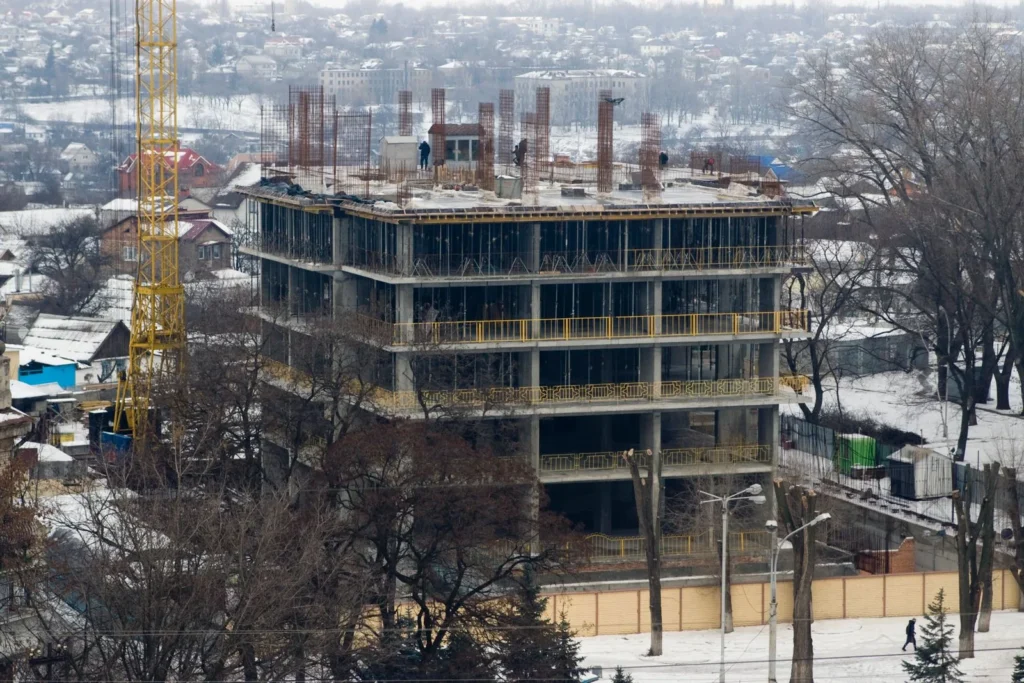
Where a project sits matters as much as what it is. Remote locations raise transport costs for materials and labor, and extreme climates push rates higher because crews work slower and equipment needs protection. Poor soil, high water tables, or steep terrain add foundation work that a flat urban lot never requires.
Weather also drives demand. When conditions are harsh, whether bitterly cold or dangerously hot, both materials and skilled labor become scarcer, and scarcity lifts prices across the board. An estimator who ignores site context will underprice the very projects that carry the most risk.
7) Risk Factors and Contingency
Risk management belongs in every estimate. Projects face certain and uncertain risks that touch both the budget and the timeline, from late permits to subcontractor default. Transparency at each step reduces surprises, which is why a trusted construction estimating company documents its assumptions openly.
Weak risk handling shows up fast as cost overruns, uneven resource allocation, and wasted investment. A defined contingency, sized to the project’s real uncertainty, is the tool that keeps a single problem from cascading into a blown budget.
8) How Market Volatility Impacts Construction Cost Estimates
The construction market rarely sits still. Fluctuations in material prices, fuel, and labor rates feed straight into construction cost estimates, sometimes within the span of a single project. A figure that was accurate at tender can look optimistic a quarter later.
Experienced professionals build a contingency and clear escalation language into their numbers so the estimate can absorb reasonable market movement. Comparing delivery approaches also helps; this analysis of adaptive reuse versus new construction shows how choosing the right approach can hedge against volatile new-build inputs.
9) Rework and Mistakes
Errors on site are expensive twice: once to build wrong and again to build right. Rework consumes material, labor, and schedule, and a single misread drawing can ripple through several trades. Left unmanaged, it quietly erodes the margin an estimate was supposed to protect.
Quality control, clear documentation, and a realistic contingency are the usual defenses. Bringing an independent quantity surveyor into the process, as described in this piece on how quantity surveyors save money, adds a second set of eyes before mistakes reach the field.
Construction Cost Factors at a Glance
The table below summarizes how each factor typically pushes on a budget and what to watch for.
| Cost Factor | Impact on Estimate | Estimator’s Note |
|---|---|---|
| Size and complexity | High | Irregular geometry widens the margin |
| Completion time | Medium to high | Overhead accrues daily |
| Material type and quantity | High | Accuracy starts at the takeoff |
| Indirect and overhead | Medium | Price as a set percentage, not an afterthought |
| Local codes and permits | Medium | Fees and inspection cycles vary by jurisdiction |
| Environmental conditions | Variable | Remote or extreme sites raise every rate |
| Risk and market volatility | High | Size contingency to real uncertainty |
| Rework and mistakes | Medium to high | Quality control protects the margin |
For teams that want to benchmark their numbers against published data, cost databases such as RSMeans by Gordian and the professional standards published by AACE International give estimators a reference point beyond their own historical records. Design-focused outlets like ArchDaily also track how material and labor trends are reshaping what buildings cost to deliver.
Cost figures and impact levels described here are approximate and vary by region, material supplier, and project scope. Building codes and permit requirements differ by jurisdiction, so always confirm local rules with the relevant authorities and have detailed estimates reviewed by a licensed professional for your specific project.
Putting It All Together
Bottom Line: Accurate construction cost estimates come from reading these nine factors as a connected system, not a checklist. Size sets the scope, the schedule and market price it, codes and site conditions adjust it, and disciplined contingency absorbs what no one can predict. An estimator who documents each assumption gives the client a number they can trust and defend.







From Architectural Design to Everyday Use: Why Post-Construction Inspection Matters
A building can look finished long before it works as intended. This...
 illustrarch Editoral Team6 Mins read
Material Management Tips for Concrete Contractors
Eight practical concrete material management habits for contractors, from ordering ready-mix against...
illustrarch Editoral Team4 Mins read

Architecture Beneath the Surface: The Crucial Role of Structural Mechanics and Geotechnical Analysis in Groundwork Design
Bold architecture depends on the ground beneath it. How numerical geotechnical analysis...
illustrarch Editoral Team1 Mins read

Designing Renovation Projects Around Debris Flow and Site Logistics
Effective renovation planning must prioritize debris flow management. Learn how to integrate...
illustrarch Editoral Team4 Mins read


Leave a comment