

Recycling Valencia
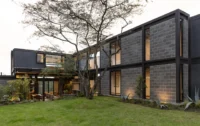
Recycling Valencia transforms abandoned Branger looms into a contemporary art museum, integrating public space and adaptive reuse in an industrial area of Valencia, Carabobo.
 illustrarch Editorial Team21 April 20191 Mins read304


Recycling Valencia turns the abandoned Branger looms into a contemporary art museum, recovering an industrial relic on the south side of Avenida Michelena in Valencia, Carabobo. Designed by Tomás A. Caeiro D., the project sits between the city center and the industrial zone, just east of Avenida Las Ferias, the important north-south axis that also carries Line 1 of the Valencia metro. The choice of the old looms is deliberate: their surroundings, once purely industrial, now mix uses but lack public space, a gap the cultural program is set to fill.

Adaptive reuse of industrial buildings has become one of the most studied strategies in contemporary architecture, because large factory shells offer generous spans, robust structure, and a memory of place that new construction cannot reproduce. Rather than erase the looms, the design keeps five sectors of pre-existing ships and works within their order. New volumes are inserted alongside them, and through their materiality and spatial configuration they contrast with the old fabric, marking borders and limits while housing offices, warehouses, classrooms, and stores.
A promenade that stitches the city back together
Given the great extension of the old looms and the need to connect with the avenues, the metro, and the river beyond, the project is articulated by a system of routes called the Promenade Cultural. This promenade does two things at once. It weaves relationships with the surrounding plot of the city, and it becomes the backbone of circulation inside the museum, linking the different programs along two compositional axes. Because the rooms are reached from the promenade rather than threaded one after another, visitors can move freely between them. That non-sequential arrangement is an indispensable requirement for showing contemporary art, where curators need rooms of different character that do not force a single path.
The result reads as a piece of urban planning as much as a building. By giving public space back to a district that had lost it, and by treating the looms as a resource to re-empower rather than demolish, Recycling Valencia shows how an old industrial site in Valencia, Carabobo can carry a new cultural life without losing the trace of the work that built it.



Sattva: The Healing Village by Anindita Shrivastava
Sattva: The Healing Village is a bachelor's thesis proposal by Anindita Shrivastava...
illustrarch Editorial Team3 Mins read
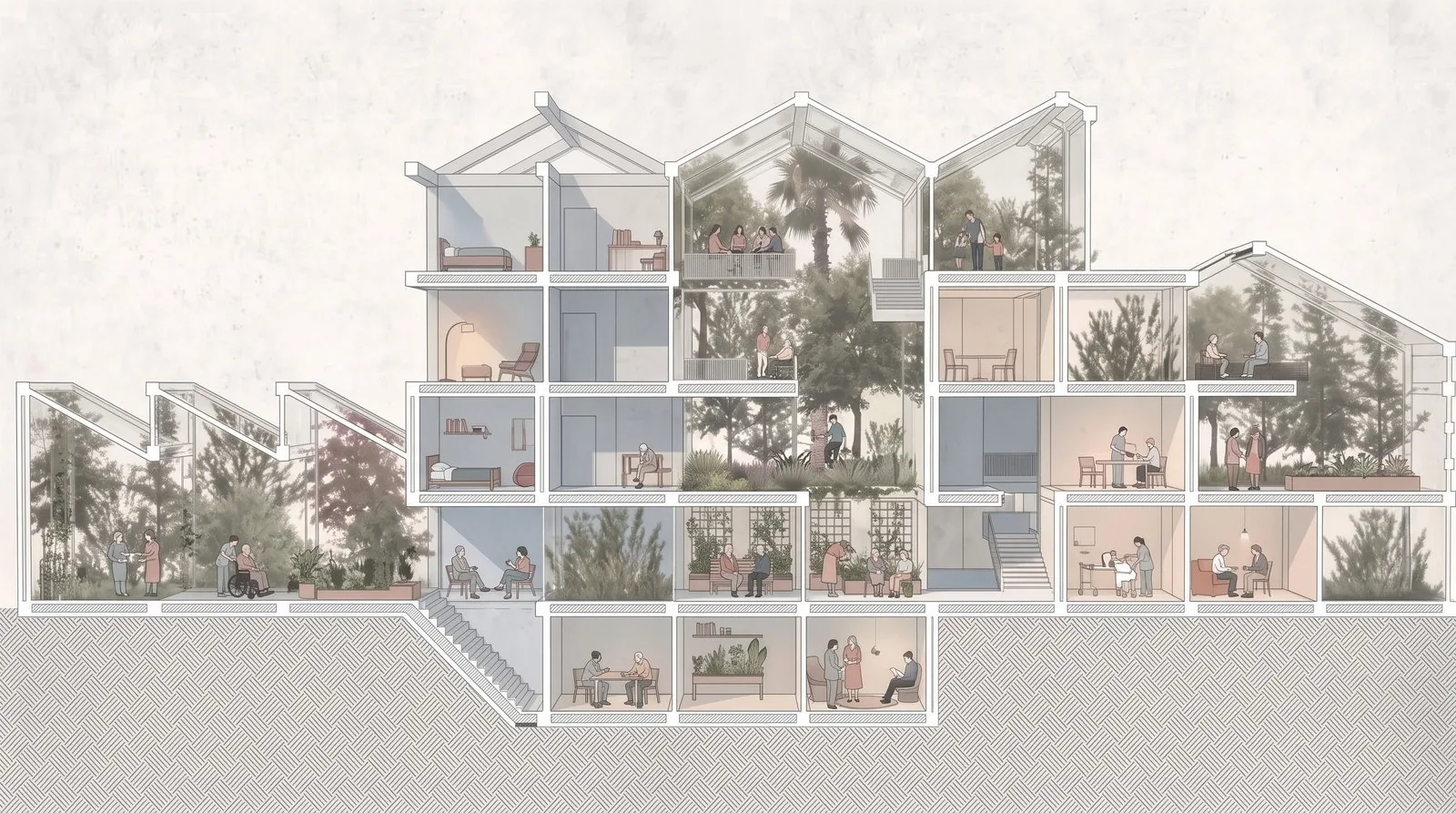
The Health Sanctuary by Anindita Shrivastava
The Health Sanctuary by Anindita Shrivastava is a 2022 Architectural Association proposal...
illustrarch Editorial Team4 Mins read
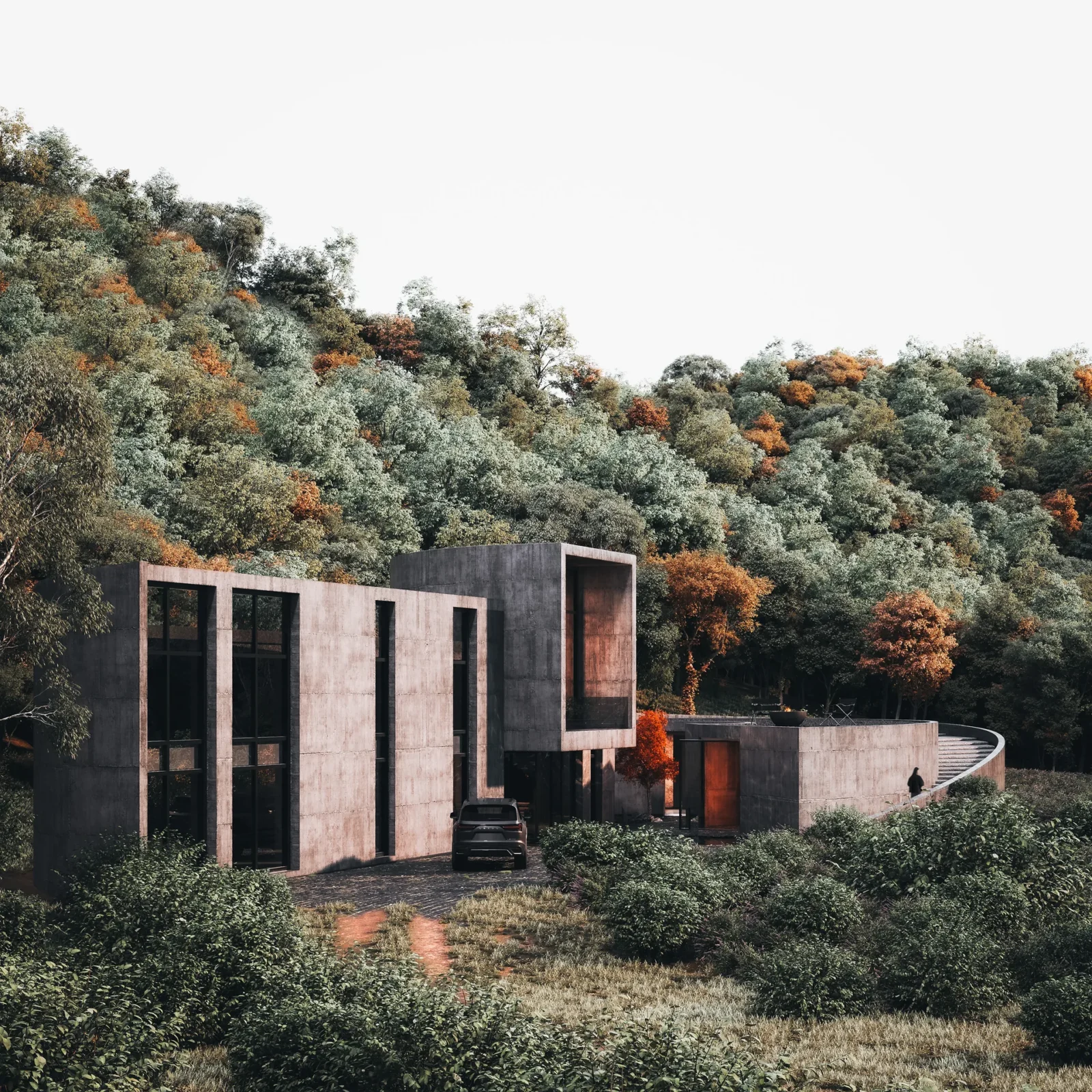
Savan House by Nobico Studio
Savan House is Nobico Studio's unbuilt concept for a forested hillside in...
illustrarch Editorial Team3 Mins read
Renaatus Irumathi
Renaatus Irumathi Residence features 69 spacious apartments designed with contemporary aesthetics, maximizing...
illustrarch Editorial Team2 Mins read



Leave a comment