

Ad Hoc Autonomy
Ad Hoc Autonomy is a project that aims to enhance self-sufficiency in refugee camps through modular developments that address the socioeconomic needs of displaced communities.
 illustrarch Editoral Team14 July 20192 Mins read376
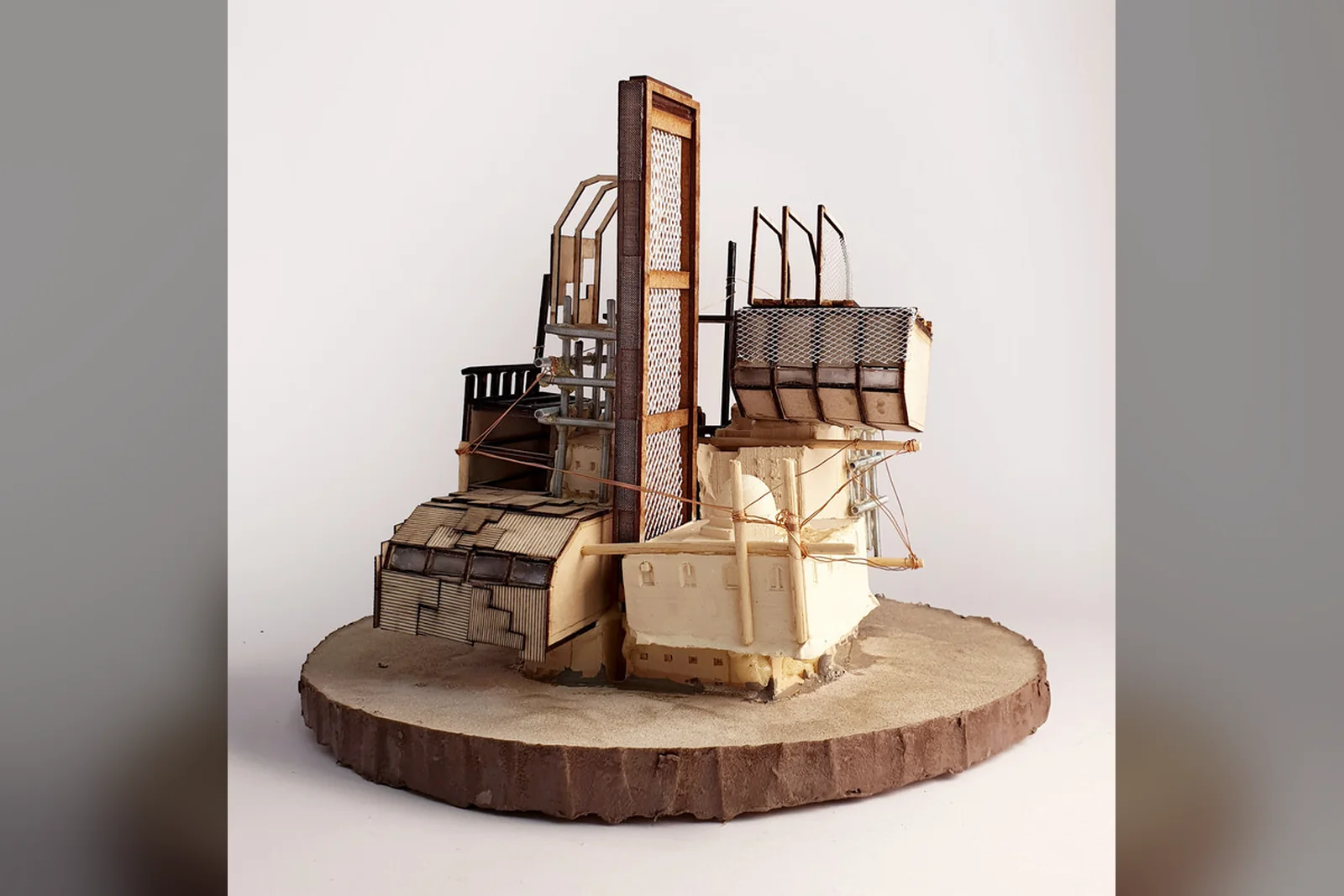

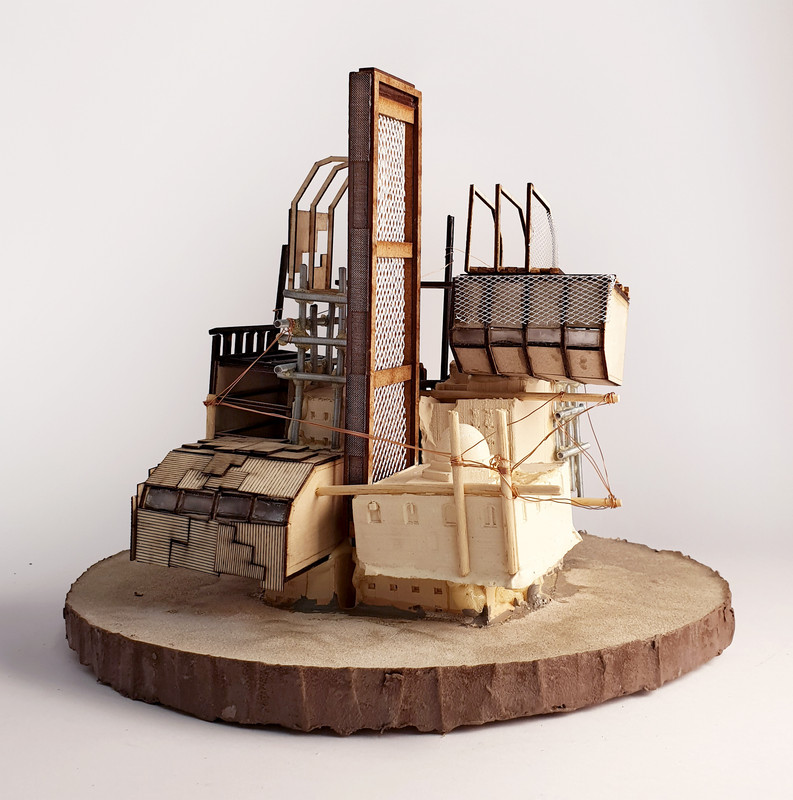


Ad Hoc Autonomy is a project by Hamza Shaikh that seeks to initiate and establish self-sufficiency in refugee camps through the sprawl of modular and liminal developments. Refugee camps in the West Bank operate in a novel way: they are permanent. For the last 70 years, generation after generation, Palestinians have established a new life in the temporal dimension of these camps in the hopes that they will one day return to their homes. They have engrained into their ethos that ‘resistance is a right’; and in the last attempt to protest the illegal occupation of Israeli settlers, it is made sure that they, and the generations that follow them, hold on tight to the land they now have.
These camps are being systematically oppressed, and refugees are denied even the most basic of rights to movement, trade and even water. Ad Hoc Autonomy looks to provide a solution, giving back rightful control and independence to refugees. This is done by initiating the development of impromptu architectural insertions that specifically respond to and cater for the socioeconomic needs of refugees. The developments make use of key tectonic elements that form together, allowing affordance and self-build incentives to flourish, resulting in an extension of the existing socioeconomic fabric.
Designing for permanence inside the temporary
The condition Shaikh addresses is shared by displaced settlements worldwide. A refugee camp is conceived as short-term shelter, yet many endure for decades, leaving residents to build durable lives within frameworks never meant to last. Architecture in these settings carries a difficult brief: it must remain light enough to be raised by the people who use it, adaptable enough to grow with shifting needs, and robust enough to support trade, water collection and daily gathering. Rigid master plans tend to fail here because the social fabric is constantly negotiated rather than fixed.
Ad Hoc Autonomy answers this by treating the camp as an incremental system rather than a finished object. Its modular parts invite incremental construction, a strategy long studied in incremental housing, where residents complete and extend their own dwellings over time. This places authorship in the hands of the community, reinforcing the autonomy the project is named for. Set within the contested geography of the West Bank, the proposal reframes everyday building as an act of agency, where the simple ability to add a wall, a stall or a cistern becomes a quiet assertion of belonging. The result is a piece of design thinking that listens closely to those who would inhabit it.






Savan House by Nobico Studio
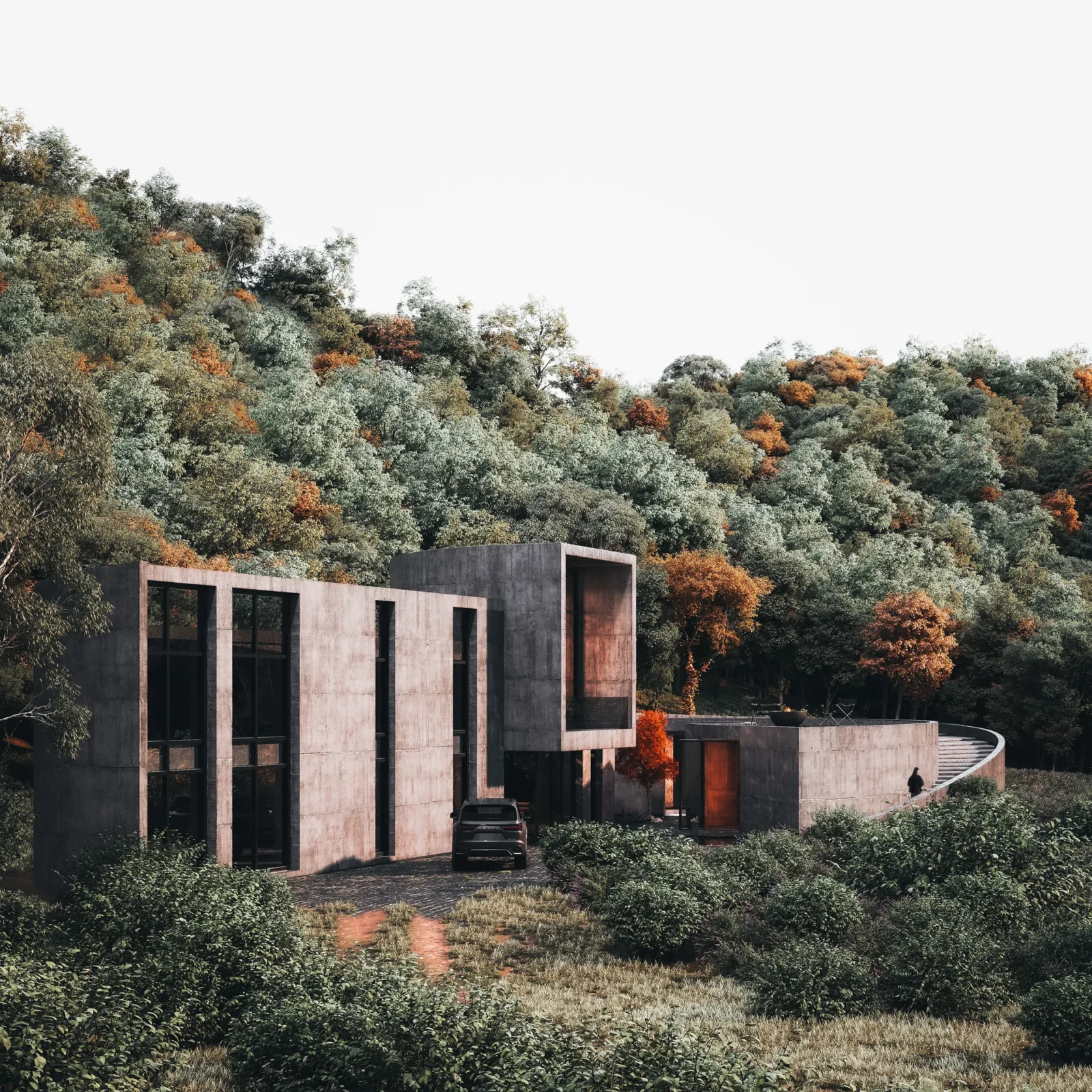
Savan House is Nobico Studio's unbuilt concept for a forested hillside in...
illustrarch Editoral Team3 Mins read

Renaatus Irumathi
Renaatus Irumathi Residence features 69 spacious apartments designed with contemporary aesthetics, maximizing...
illustrarch Editoral Team2 Mins read
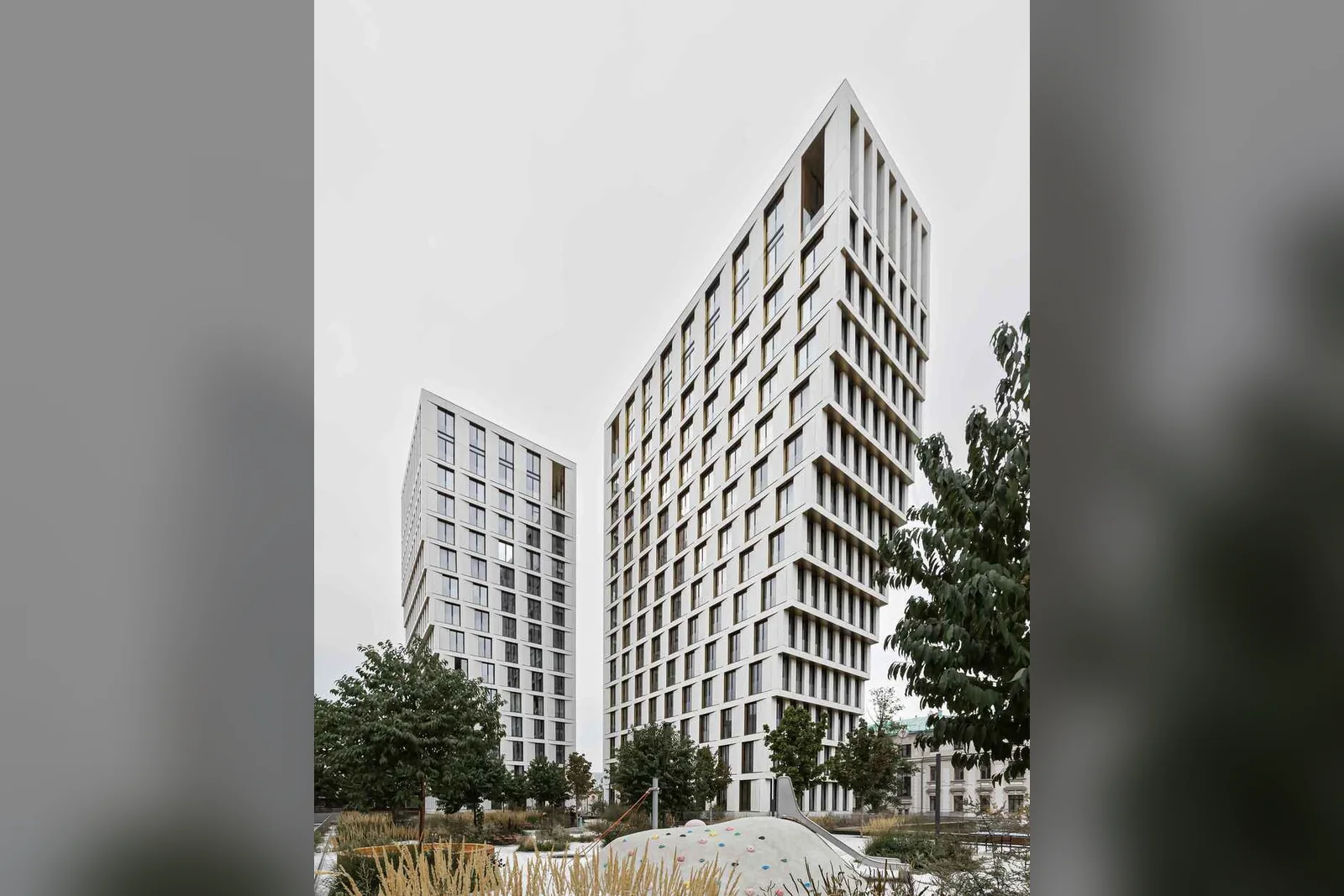
White Khamovniki
White Khamovniki is a residential tower project in Moscow that combines urban...
illustrarch Editoral Team1 Mins read
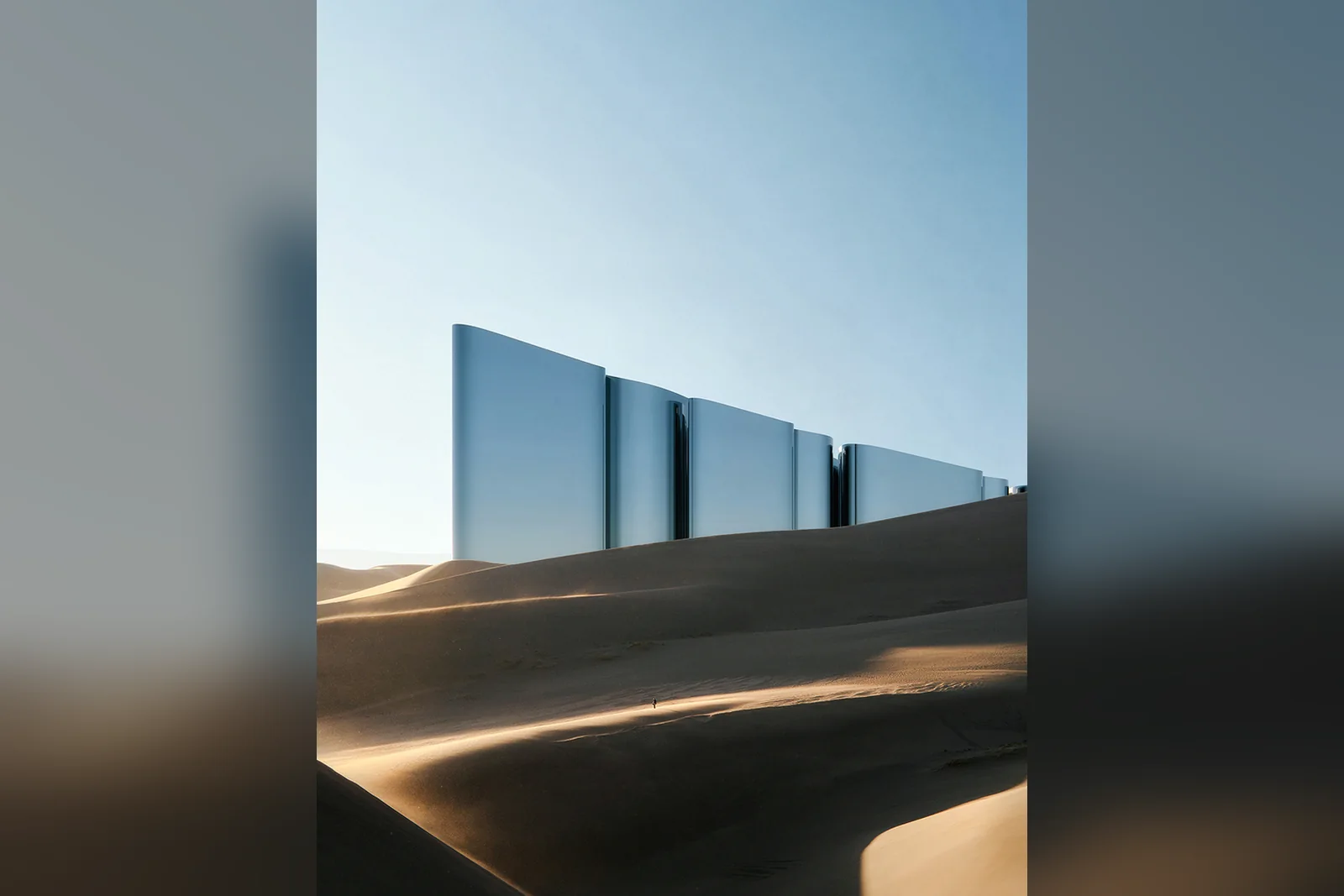
Millennium Horizon
Millennium Horizon is an innovative architectural project in the UAE that uses...
illustrarch Editoral Team2 Mins read


Leave a comment