

Knowledge of Eden
Utstein Monastery's architectural proposal by Silvia Mihaela Diaconu emphasizes the integration of living systems and gardens to revive the site's historical productivity.
 illustrarch Editoral Team9 August 20191 Mins read362
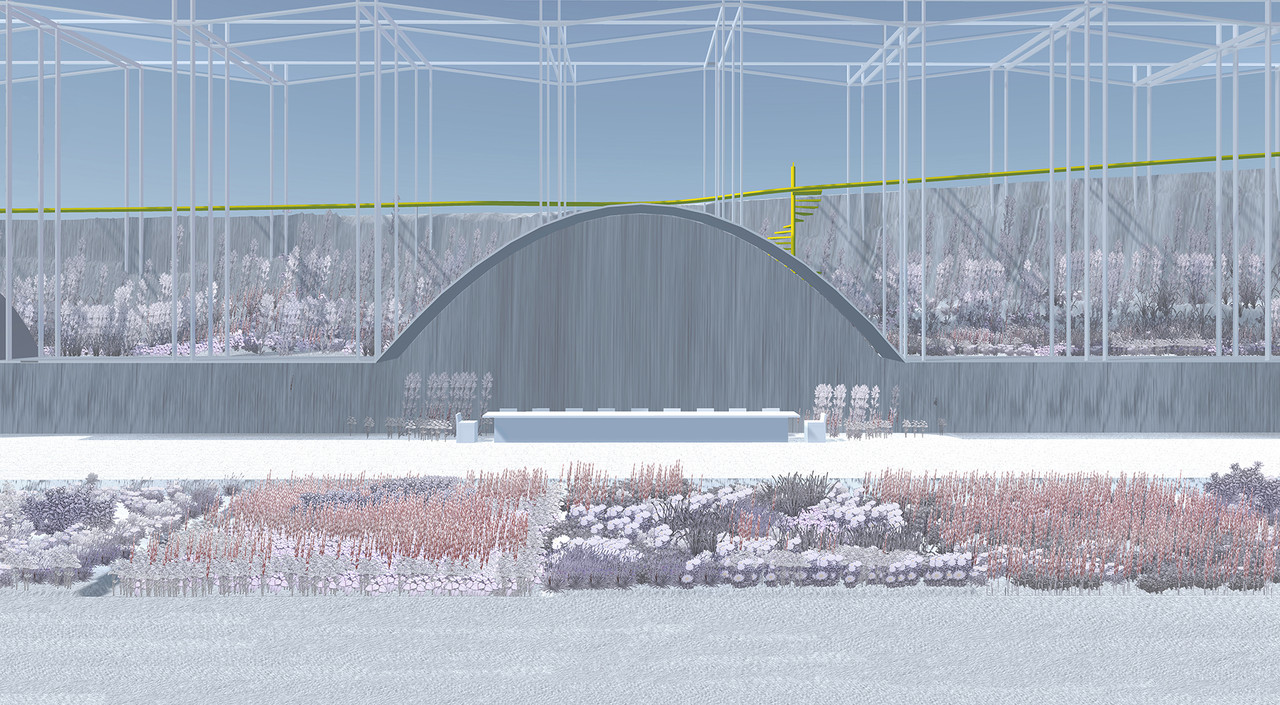


Knowledge of Eden asks what role a monastery can play in the present, using the Utstein Monastery on Klosterøy as a starting point for architectural speculation. Designed by Silvia Mihaela Diaconu in 2017, the project sits on an island off the west coast of Norway and reads the site as far more than a single preserved building. Utstein is considered the best-preserved medieval monastery in the country, yet today that preservation is limited to the walls of the church, while the wider understanding of the monastery as a productive and self-sufficient system has been lost in time.
Originally the island itself was the extension and the production field of the monastery, a working landscape that fed and sustained the community. Diaconu’s proposal sets out to retrieve this lost identity and make it visible again through a series of large carvings that evolve into monastic gardens, each with its own aesthetic qualities and microclimatic conditions. Rather than treating the ground as a neutral surface, the design works with slope, exposure, and shelter so that different gardens can hold different plant communities and atmospheres.
Designing with living systems
What sets the project apart is its decision to bring live matter into the design process. Sheep graze the fields and bees assist with pollination, so the architecture is not only built form but a managed ecology that changes through the seasons. This approach connects to a long tradition of the monastery as a place where cultivation, contemplation, and self-sufficiency were inseparable, and where the garden carried both practical and symbolic meaning. The reference to Eden recalls the garden of origin and the idea of a tended paradise, reframed here as an experiment in landscape rather than a fixed image.
Working on an island in Norway also means designing for a demanding coastal climate, where wind and light shape what can grow and how people move through open ground. Diaconu treats these conditions as design material, allowing the carvings and gardens to negotiate weather rather than resist it. Framed as an experiment that employs an extended palette of research and representation techniques, Knowledge of Eden unfolds across a short film and a collection of unusual imagery, offering a way of thinking about heritage sites as living, productive landscapes rather than static monuments.





Savan House by Nobico Studio
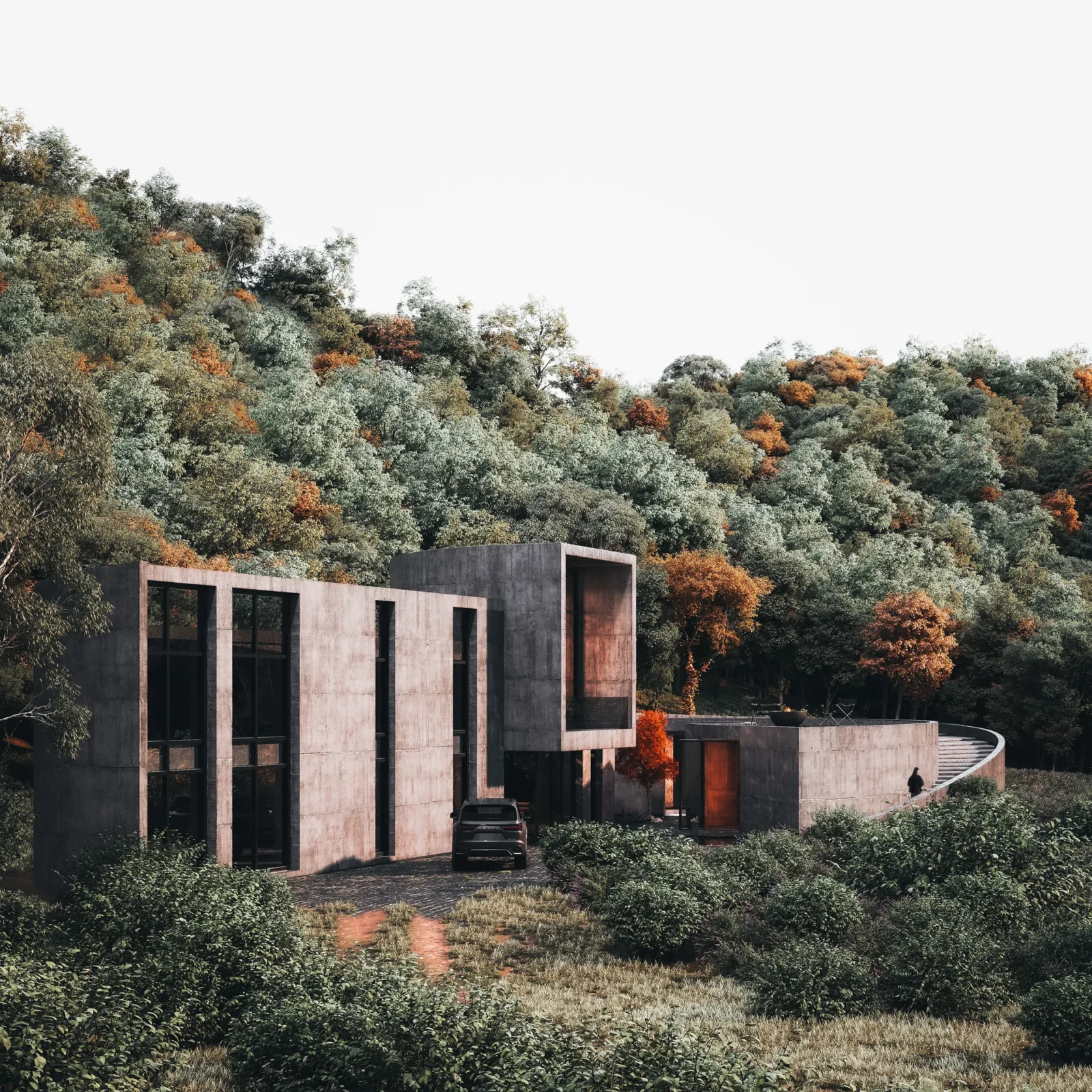
Savan House is Nobico Studio's unbuilt concept for a forested hillside in...
illustrarch Editoral Team3 Mins read

Renaatus Irumathi
Renaatus Irumathi Residence features 69 spacious apartments designed with contemporary aesthetics, maximizing...
illustrarch Editoral Team2 Mins read
White Khamovniki
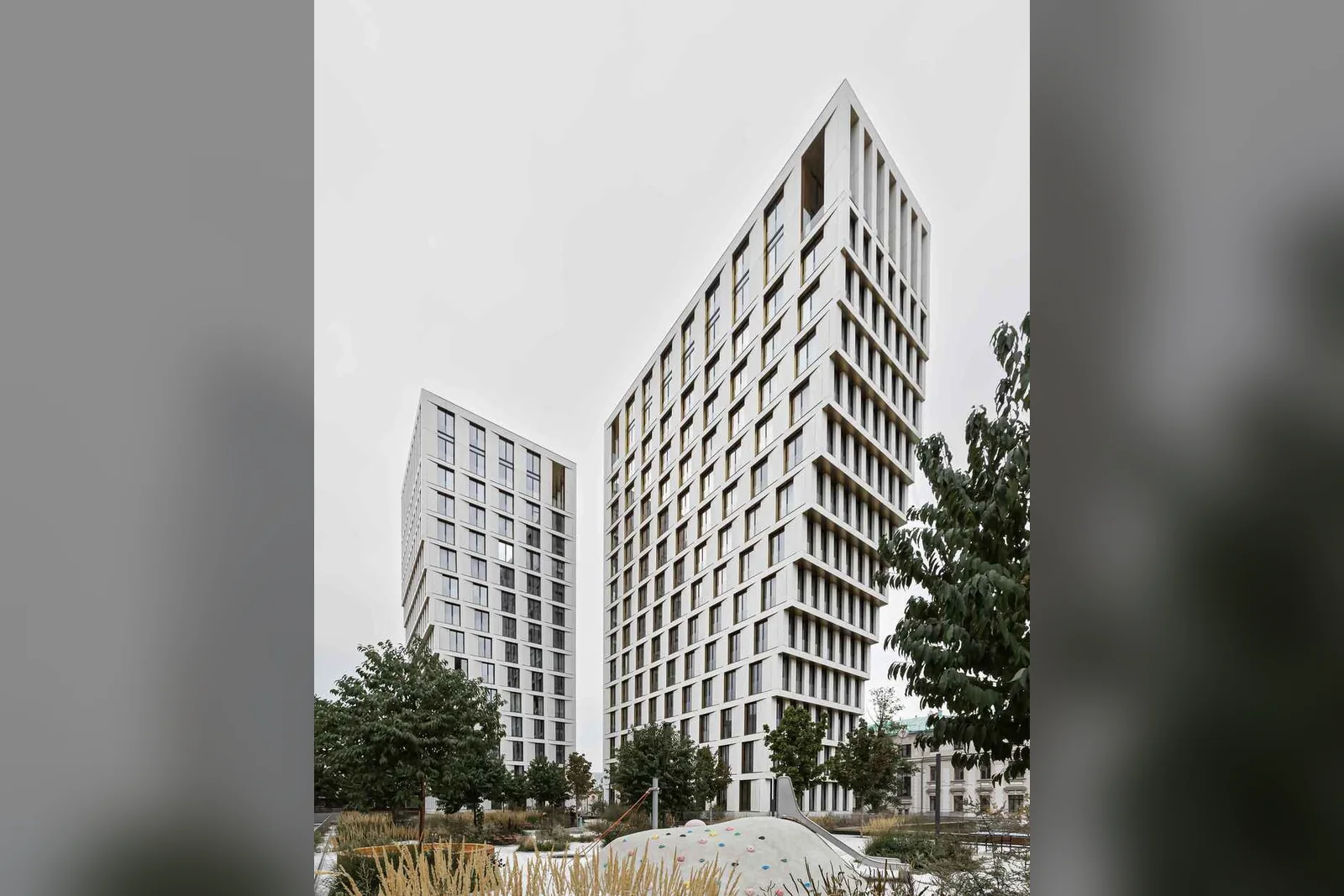
White Khamovniki is a residential tower project in Moscow that combines urban...
illustrarch Editoral Team1 Mins read
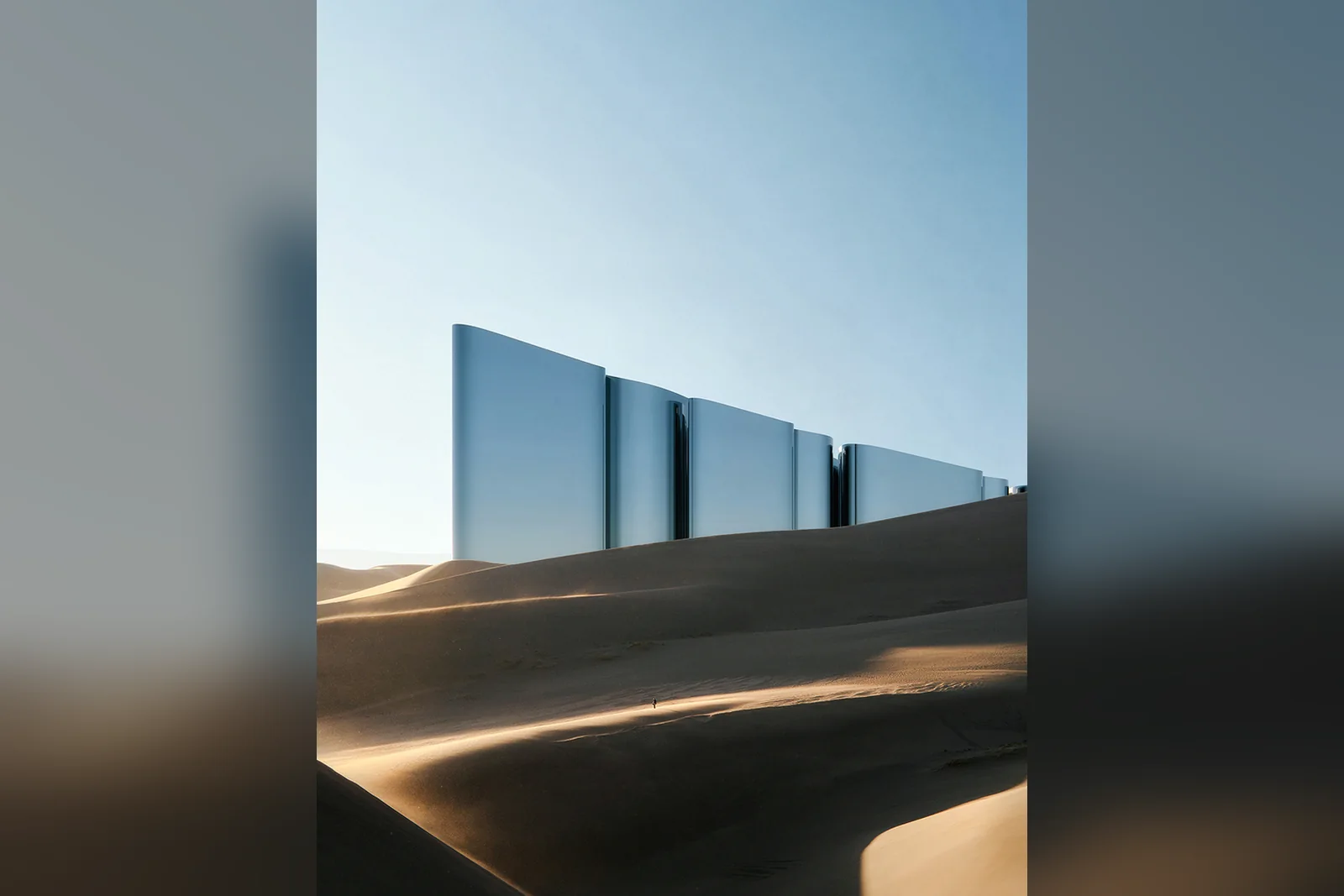
Millennium Horizon
Millennium Horizon is an innovative architectural project in the UAE that uses...
illustrarch Editoral Team2 Mins read


Leave a comment