

Aphrodisias Welcome Center
The Aphrodisias Welcome Center, designed by Sureyya Duzgun, thoughtfully balances visitor experience with the preservation of the archaeological site's historical.
 illustrarch Editoral Team10 October 20191 Mins read357


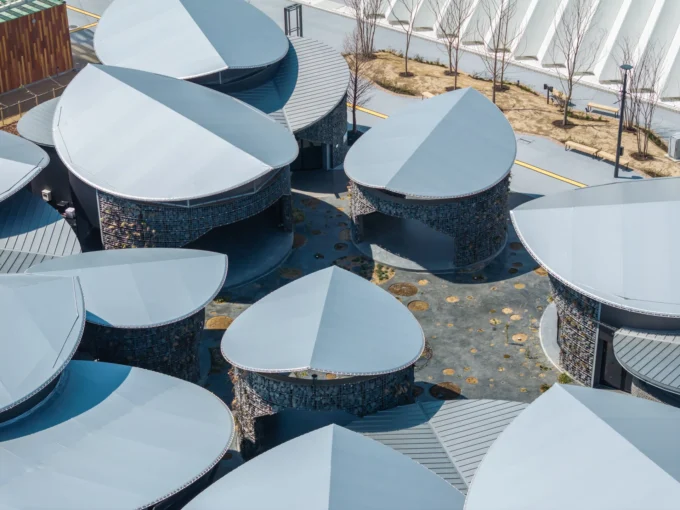
The Aphrodisias Welcome Center, designed by Sureyya DUZGUN, reimagines how visitors first encounter one of Turkey’s most significant archaeological landscapes. The project sits in the Geyre neighborhood of the Karasu district in Aydın, Turkey, where the historic Geyre houses and the Museum of Aphrodisias share the same ground. As one of the country’s foremost ancient sites, the location asks any new building to act with restraint and to defer to the layers of history already present.
Rather than opening directly onto the ruins, the design holds the view back. Arrivals pass through the entrance and meet an exhibition of stone walls reached by a ramp, set within the pressure of a narrow corridor framed by bounding walls. A sculpture workshop occupies the heart of the plan, allowing visitors to experience the exhibition spaces before moving out toward the amphitheatre area, where interior and exterior keep a continuous visual link. From the inside, a visitor can also reach the space where the sarcophagi are displayed, looking back across the room and out toward the Baba mountains.
Privacy as a Design Strategy
The guiding concept is privacy. By pushing the entrance space forward and confining it within walls, the building withholds a direct visual relationship with the site beyond. This secrecy does not rely on walls alone. It works through the topography, lifting and lowering ground to raise curiosity, and through spaces meant to be experienced and then left behind. The approach reflects a wider tradition in the design of visitor centers, where the building serves as a measured threshold between everyday arrival and the encounter with a protected heritage site.
Welcome centers attached to archaeological sites carry particular responsibilities. They must manage circulation, orient newcomers, and shelter fragile artifacts without competing with the antiquities themselves. Sequencing matters here, since the slow reveal of a view can prepare a visitor more powerfully than an open vista. At Aphrodisias, a city long associated with marble sculpture, that careful framing feels especially fitting. The Welcome Center treats the act of entering not as a simple passage but as a designed moment of anticipation, leaving the discovery of the ancient city to unfold on its own terms.




The Health Sanctuary by Anindita Shrivastava
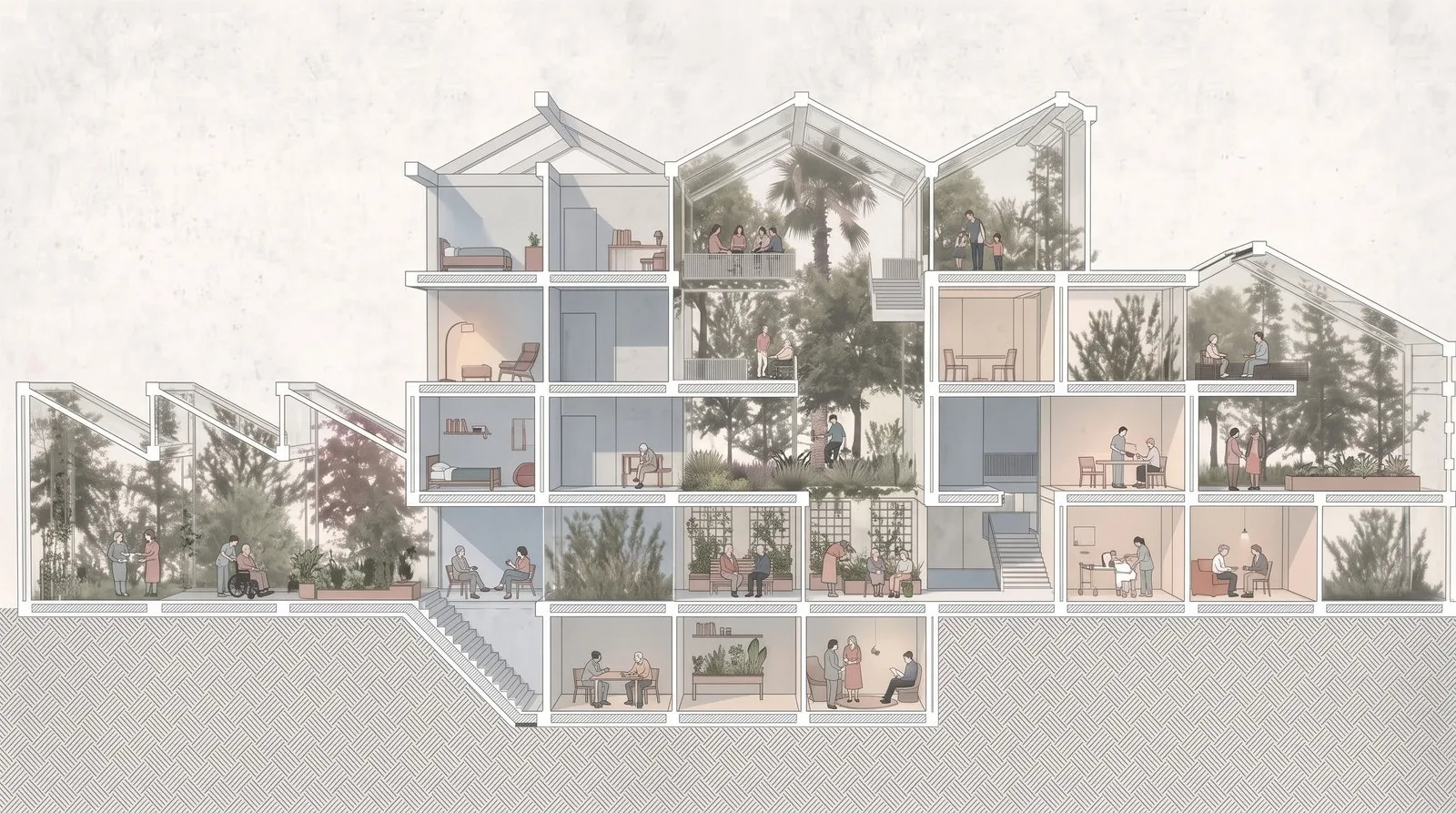
The Health Sanctuary by Anindita Shrivastava is a 2022 Architectural Association proposal...
illustrarch Editoral Team4 Mins read
Savan House by Nobico Studio
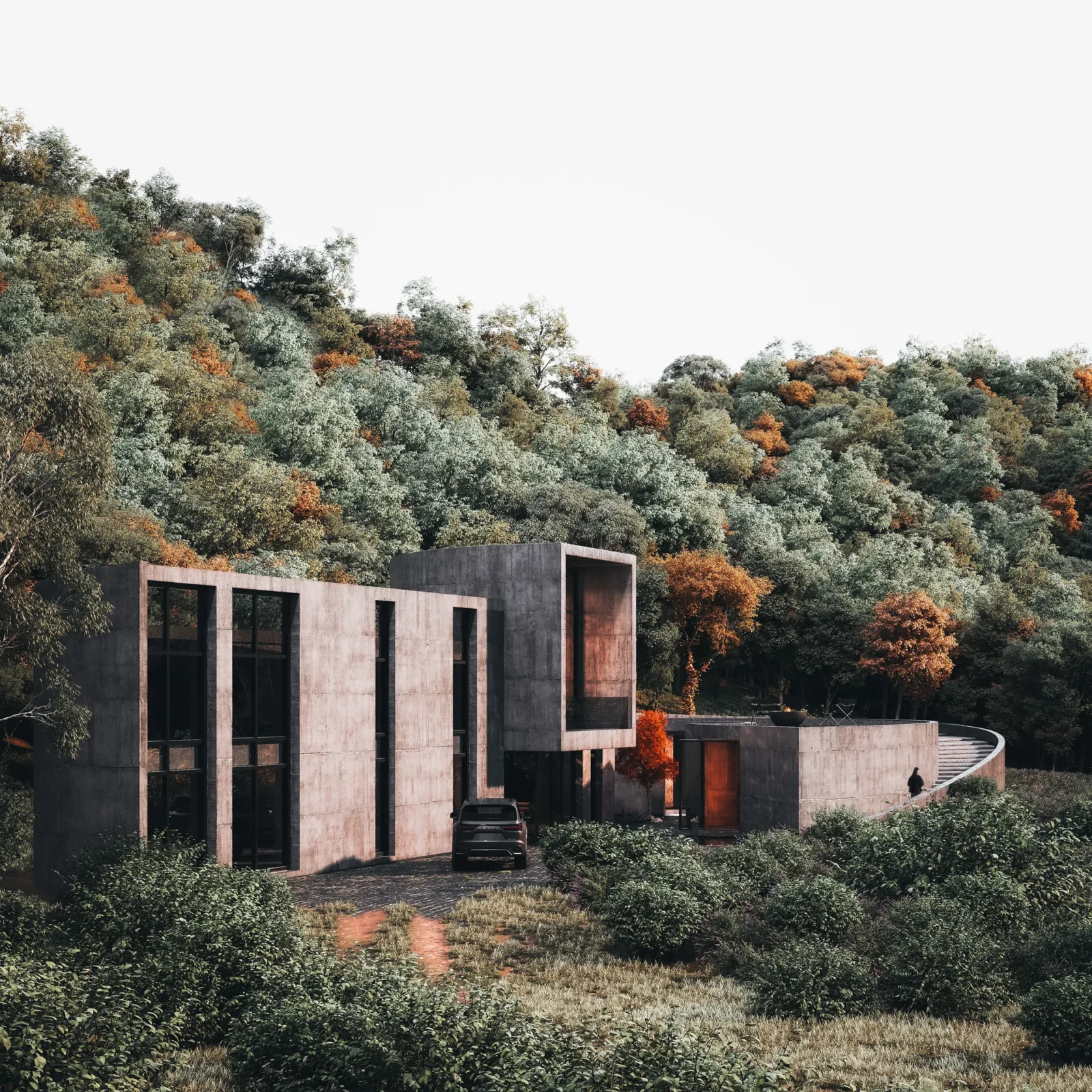
Savan House is Nobico Studio's unbuilt concept for a forested hillside in...
illustrarch Editoral Team3 Mins read

Renaatus Irumathi
Renaatus Irumathi Residence features 69 spacious apartments designed with contemporary aesthetics, maximizing...
illustrarch Editoral Team2 Mins read
White Khamovniki
White Khamovniki is a residential tower project in Moscow that combines urban...
illustrarch Editoral Team1 Mins read


Leave a comment