

The Beauty of Defeat – Re Using Wine Tanks
Reusing discarded industrial objects, like wine tanks and airplane cockpits, highlights the potential of adaptive reuse in architecture while embracing the circular economy.
 illustrarch Editoral Team15 November 20191 Mins read324
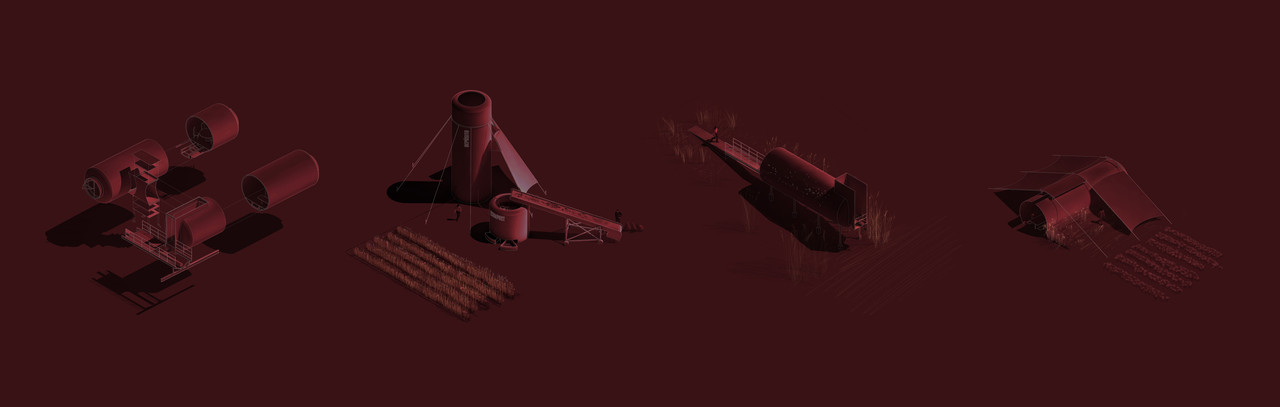


The Beauty of Defeat reframes architecture as an act of salvage, asking what spaces could be built if designers rummaged through the wreckage of the industrial age instead of mining fresh quarries and felling forests. Conceived by Pablo Rico Guilbert in Alboraya, Valencia, Spain, in 2019, the project treats the discarded objects of a collapsing system as raw architectural matter. We are called the technological generation when in reality we will be the trash generation, and the industrial era has already left a long line of witnesses behind: architectures and artifacts of a strange beauty that, once abandoned, shine with a special and unique attitude. Just a few know the beauty that hides behind a defeat.
At the center of the proposal sits an old rusty wine tank, repurposed as a compost station and a water tank, while elsewhere the cockpit of a crashed airplane becomes a living room dome. These gestures argue that the critically damaged system leaves wonderful objects ready to host our activities and our lives. Rather than searching in quarries and forests to materialize its spaces, architecture is invited to look in the garbage and the trash, where astonishing artifacts of all kinds wait to be inhabited.
Adaptive reuse and the value of waste
The wine tank is a fitting starting point in a region long shaped by viticulture, where steel and concrete vessels once held the harvest before being retired. Reusing such heavy industrial equipment connects the work to the wider practice of adaptive reuse, which keeps the embodied energy of existing structures in circulation instead of sending it to landfill. It also resonates with upcycling, the practice of giving worn objects a second life of higher value than the scrap they would otherwise become.
Working with found objects carries real design challenges. A tank built to store liquid was never meant to shelter people, so questions of light, ventilation, insulation, and safe access have to be solved within a fixed and unforgiving shell. Yet those same constraints sharpen the imagination, turning rust, dents, and patina into character rather than defect. Set against the urgency of the circular economy, the proposal reads less as nostalgia for ruins and more as a quiet manifesto: that the leftovers of progress can still hold a roof over a life. The beauty of defeat, in this reading, is also the beginning of something useful.


Savan House by Nobico Studio
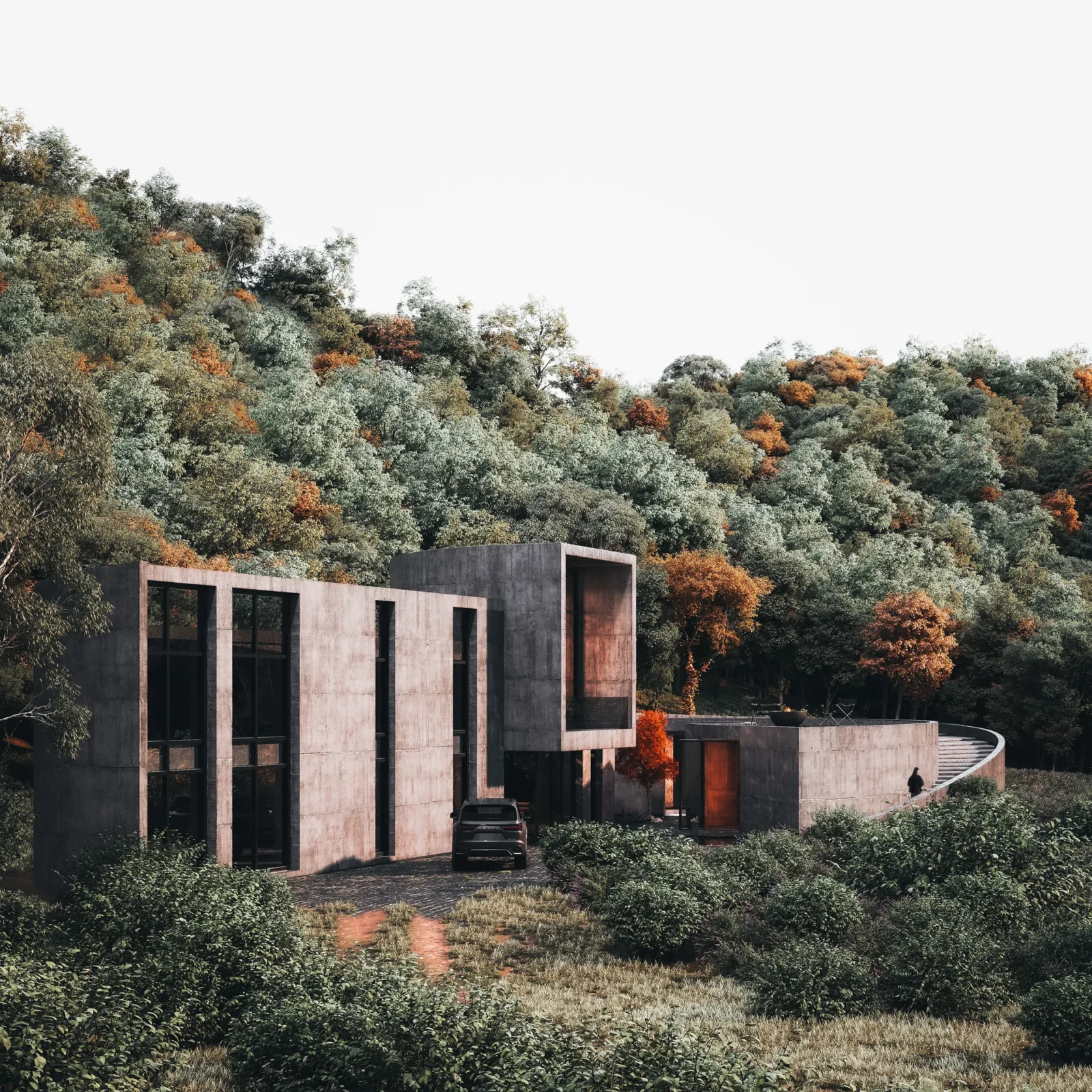
Savan House is Nobico Studio's unbuilt concept for a forested hillside in...
illustrarch Editoral Team3 Mins read

Renaatus Irumathi
Renaatus Irumathi Residence features 69 spacious apartments designed with contemporary aesthetics, maximizing...
illustrarch Editoral Team2 Mins read
White Khamovniki
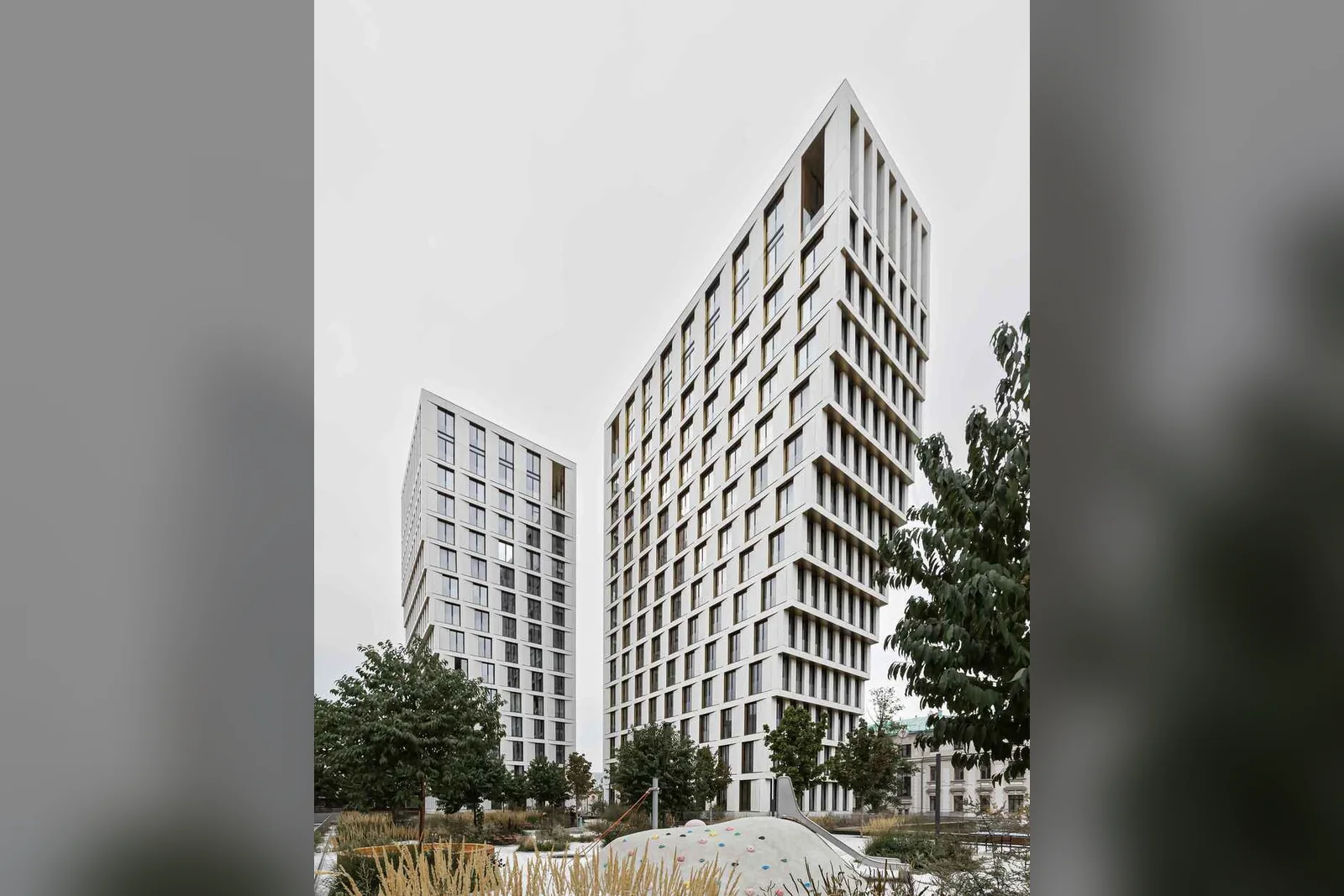
White Khamovniki is a residential tower project in Moscow that combines urban...
illustrarch Editoral Team1 Mins read
Millennium Horizon
Millennium Horizon is an innovative architectural project in the UAE that uses...
illustrarch Editoral Team2 Mins read


Leave a comment