

Metabolic Iconic Roofs: Smog Cathedral, Casa Mila
Smog Cathedral transforms Casa Mila into an air remediation structure, integrating environmental technology into a historic landmark to combat urban air pollution.
 illustrarch Editoral Team9 March 20202 Mins read357


Smog Cathedral reimagines Antoni Gaudi’s Casa Mila in central Barcelona as a working air remediation and conditioning structure, turning one of the city’s most celebrated landmarks into a machine for cleaning the urban atmosphere. Designed by Suyash S and Roshin A V, the project is a work of speculation and experimental process, investigating construction technology, environmental preservation and material science to arrive at a metabolic architectural intervention layered onto a building of great historical significance.
The proposal works by compressing air through the proposed lift shaft, which is released into a chamber where it is filtered first with water and then through HEPA filters in a second chamber. The cleansed air is returned to the city through the atrium, while the contaminated air is separated into NO2 and O3 and held in dedicated collection chambers. By drawing on the opportunities of its specific site, including natural passive remediation strategies and the abundant footfall the building already attracts, the intervention is as environmentally performative as it is a public beacon for awareness of the state of our ecological surroundings.
Heritage as Active Infrastructure
Working within a protected heritage building raises a familiar tension in architecture: how to introduce contemporary systems without erasing the qualities that made the structure worth preserving. Adaptive reuse projects typically negotiate between the existing fabric and new performance demands, and a speculative scheme like this pushes that negotiation toward the visible and the symbolic rather than the discreet. Casa Mila, also known as La Pedrera, has long been admired for its undulating stone facade and rooftop forms, and the project treats those rooftop volumes as ready-made apparatus for a new ecological purpose.
The idea also responds to a wider problem facing dense cities. Air pollution from traffic and industry concentrates pollutants such as nitrogen dioxide and ozone in exactly the high-traffic centres where landmark buildings sit. By embedding remediation into a monument that draws constant crowds, the scheme proposes that civic architecture can do measurable environmental work while teaching the people who pass through it. Barcelona, a city already known for ambitious urban experiments, becomes the stage for asking whether a building can give back cleaner air than it takes. Smog Cathedral leaves that question open as an invitation, suggesting that the most ordinary monuments might be quietly rebuilt as instruments of repair. You can read more about the city’s architectural context on its Barcelona overview.



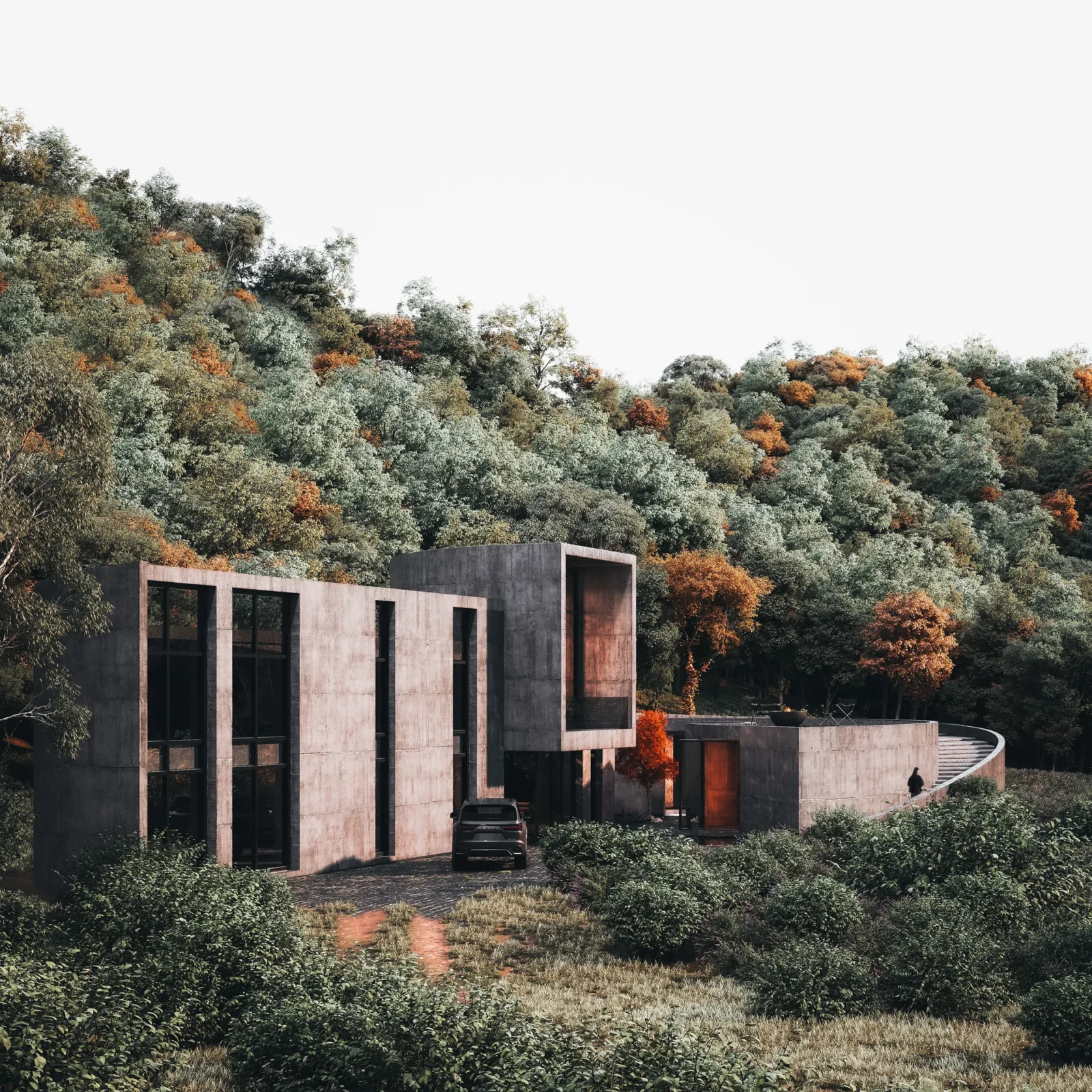
Savan House by Nobico Studio
Savan House is Nobico Studio's unbuilt concept for a forested hillside in...
illustrarch Editoral Team3 Mins read

Renaatus Irumathi
Renaatus Irumathi Residence features 69 spacious apartments designed with contemporary aesthetics, maximizing...
illustrarch Editoral Team2 Mins read
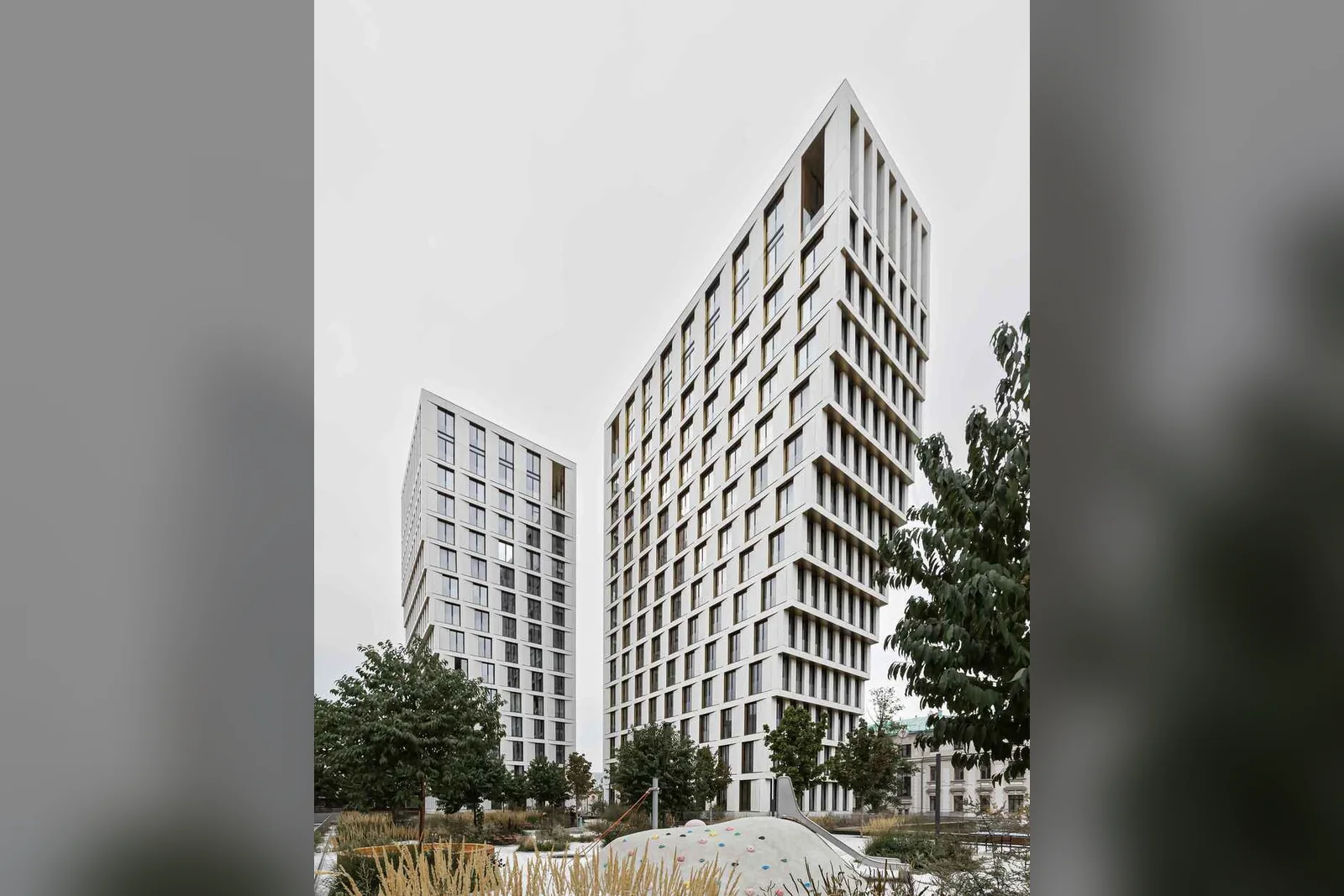
White Khamovniki
White Khamovniki is a residential tower project in Moscow that combines urban...
illustrarch Editoral Team1 Mins read
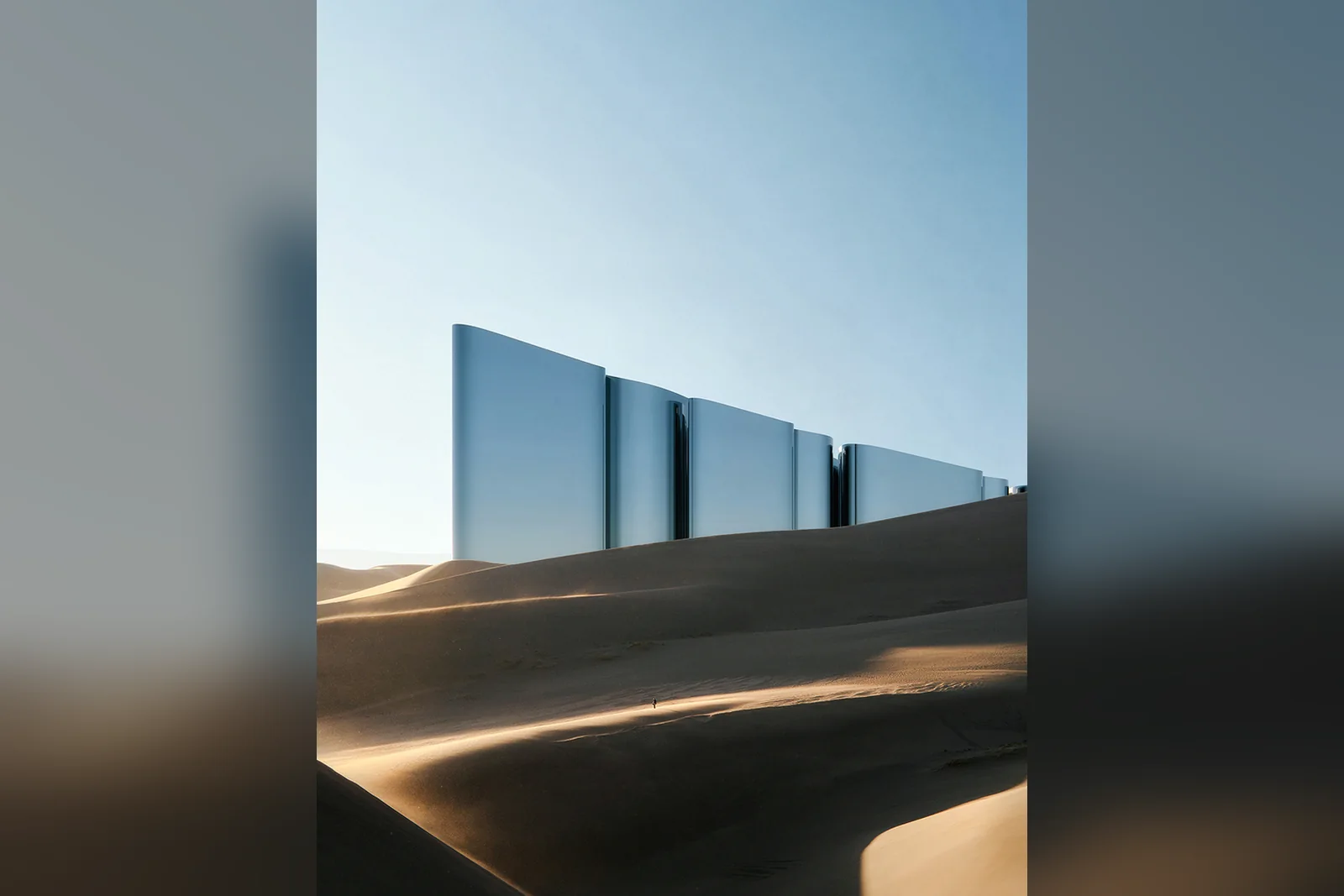
Millennium Horizon
Millennium Horizon is an innovative architectural project in the UAE that uses...
illustrarch Editoral Team2 Mins read


Leave a comment