

Get Inspired with Floating Architecture!
Floating architecture utilizes buoyancy to create structures on water, employing materials like hollow concrete and timber to ensure stability and lightness.
 Begüm Şardan2 March 20203 Mins read379
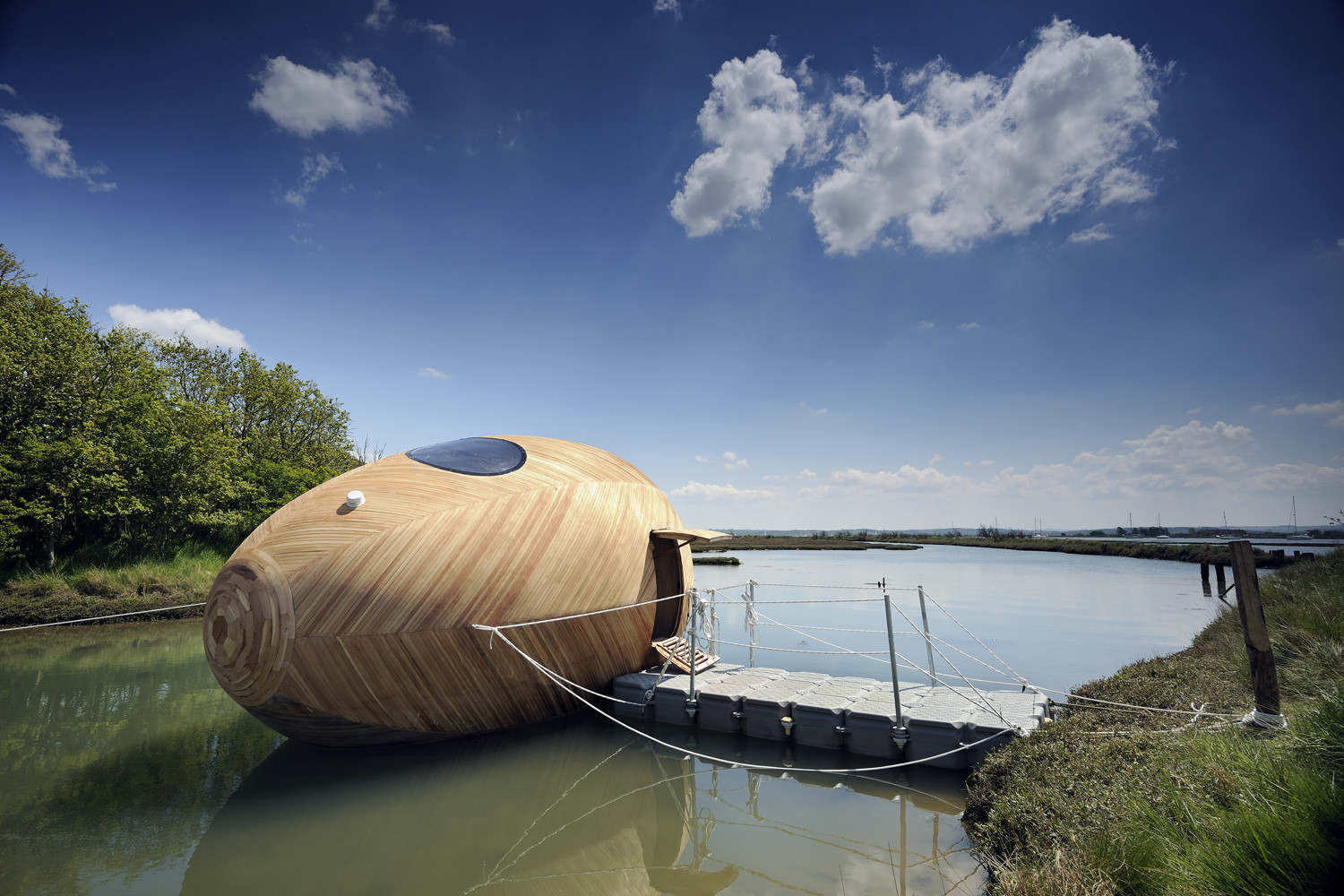
Table of Contents Show
With conscious or not, when we think about architecture, first things we are thinking about are urban architecture, permanent concrete buildings, focus on public spaces, make an effort to ‘heal’ the city etc…
Today I would like to take you to the waterside and show you, with or without urban areas, how floating architecture can exist and make you feel incredibly peaceful!
Floating Piers by Christo & Jeanne Claude
This project provides you to walk on the water and cross the places. The floating dock extends over the water of Italy’s Lake Iseo. Should be an amazing experience for sure!


Exburry Egg by PAD Studio & SPUD Group & Stephen Turner
A huge egg, acts like a boat or caravan on the water!


Makoko Floating School by NLE Architects
The project was mainly built with wood, as the structure, support and finishing for the completed school. The closed area on the 2nd floor which you can see in the images, is for the classrooms, also they are surrounded by a green space, below, there is a playground and also there is an additional open air classroom for the roof level.


You can check other floating architecture projects by NLE here
2 Harbour bath projects, as far as I am concerned, there is no need for explanation to see the similarities between them;
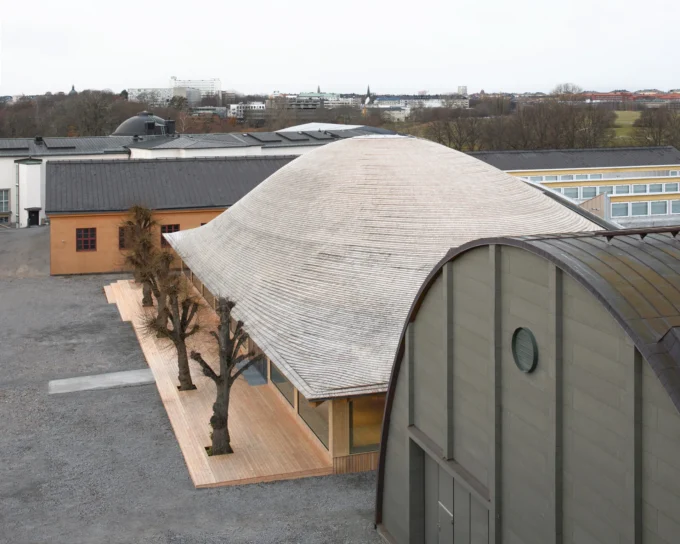
Hasle Harbour Bath by White


Vinterbad Bryggen: Copenhagen Harbour Bath by BIG & JDS


Nomaslanding by Robyn Backen & Andre Dekker & Graham Eatough & Nigel Helyer & Jennifer Turpin
‘ Nomanslanding is a sensory experience of transformation. The floating structures move slowly back and forth across the water to create and separate territory. Bridging the waterway the new ‘joint territory’ brings people together to experience, remember and contemplate. ‘


Antiroom II by Elena Chiavi & Ahmad el Bad & Matteo Goldoni
Self, built pavilion designed by Elena, Ahmad, Matteo and students from different countries during the EASA workshop in 2015. Especially in the video below, you can see how dramatically beautiful it is!


What Makes Floating Architecture Possible
Floating structures rely on buoyancy, the upward force that water exerts on any object placed in it. To stay afloat, a building must displace a volume of water that weighs more than the structure itself. Designers achieve this with hollow concrete pontoons, sealed steel floats, or lightweight foam-filled platforms that act as a stable base. Once the platform is established, the rest of the building is kept as light as possible, which is why timber, glass, and engineered panels appear so often in these projects. The result is a structure that rises and falls gently with the water level instead of resisting it.
Why Architects Are Turning to the Water
Several pressures are pushing floating architecture from novelty to necessity. Rising sea levels and more frequent flooding make adaptable, water-tolerant buildings attractive in coastal and riverside cities. Dense urban centers are also running short of buildable land, and lakes, harbors, and canals offer untapped space. Beyond practicality, floating projects create a calm, immersive relationship with the surroundings that fixed buildings rarely match. Walking out over open water, as visitors did on the Floating Piers, changes how people experience both the architecture and the landscape around it.
Permanent Versus Temporary Floating Projects
It helps to separate floating architecture into two broad categories. Temporary works, such as Christo and Jeanne-Claude’s Floating Piers, exist for a defined period and prioritize spectacle and experience. They are engineered for short, intense public use and then removed. Permanent floating structures, like the Makoko Floating School, are designed to serve a community over years and must address durability, mooring, utilities, and safety in changing weather. Knowing which category a project belongs to explains many of the material and engineering choices behind it.
Challenges to Keep in Mind
Building on water introduces problems that land-based design never faces. Mooring systems must hold a structure in place while still allowing it to move with tides and currents. Connecting fresh water, power, and waste removal requires flexible service lines that tolerate movement. Constant exposure to moisture demands corrosion-resistant fixings and treated timber, and accessibility for all users must be solved without a fixed ground level. Addressing these issues early is what separates a lasting floating building from a short-lived experiment.
Takeaway for Designers
The projects gathered here show that floating architecture is far more than a visual gimmick. Whether it is a temporary art installation, a small experimental dwelling, or a school serving a waterfront community, each example treats water as a partner rather than an obstacle. For students and practitioners, studying these works is a useful way to think about buoyancy, lightweight construction, and how buildings can adapt to environments that are constantly in motion.




Interior Design for Commercial Spaces: Enhancing Functionality and Brand Identity
Commercial interior design has to serve brand, function and regulation at once....
 Begum Gumusel4 Mins read
Futuro House Production Revived in Finland After Decades-Long Hiatus
A Facebook listing for abandoned moulds led to the first new Futuro...
 illustrarch Editoral Team3 Mins read
Building Your Dream Home in NSW: What You Should Know About Montgomery Homes
Montgomery Homes has been building across Sydney, Newcastle, the Hunter, Wollongong and...
illustrarch Editoral Team4 Mins read
Designing a Home Theater: Where Drapery Fits Into the Plan
In a media room the curtains are a performance layer, not decoration....
illustrarch Editoral Team3 Mins read


Leave a comment