

In-Situ Rehabilitation of the Kathputli Colony
The in-situ rehabilitation of Kathputli Colony focuses on preserving the community of traditional artisans while enhancing their livelihoods through thoughtful urban design.
 illustrarch Editoral Team4 February 20191 Mins read476


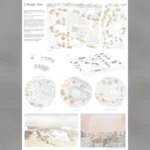
The in-situ rehabilitation of Kathputli Colony in Delhi, designed by Shivangi Chauhan in 2019, reimagines how a settlement of traditional artisans can be rebuilt on its own land without erasing the community that gave it meaning. The colony takes its name from the Hindi word for puppets, a reference to the puppeteers who first formed a juggi cluster here alongside performers, musicians, painters, folk dancers, storytellers, and singers of kawali and sarangi traditions. The project responds to a redevelopment led by the Delhi Development Authority in a public private partnership with a firm developing the entire land chunk, with the artisans who came from different parts of the country at the center of the brief.
The design begins with careful mapping. A base map records the overall land use of the surroundings, while layered drawings capture the dense urban fabric in the near vicinity and the presence of many different cultures on the site. This reading of the existing scenario is what allows an in-situ approach to work, because it keeps the social and spatial relationships of the community intact rather than scattering residents across the city. In-situ rehabilitation is widely recognized as a way to rebuild informal settlements while protecting livelihoods and avoiding the displacement that often follows large redevelopment schemes.
Transit, culture, and shared ground
Surrounded by two major Metro corridors and a rapid bus transport system, the site is well suited to transit-oriented development, which the scheme promotes. Good connectivity supports the commercialisation of the artisans and their work, helping them generate more revenue from audiences and buyers who can reach the colony easily. Gathering so wide a range of artists in one complex strengthens the ambience of the locality and raises its standing, turning everyday cultural production into part of the public life of the neighbourhood.
Projects of this kind sit within a long history of slum upgrading in fast-growing cities, where the hardest task is balancing density, dignity, and identity. The folk arts of Delhi are treated here not as decoration but as the organising logic of the plan, and that decision is what gives the rehabilitation its purpose. All work rights are reserved to Shivangi Chauhan, completed in the final semester of her B.Arch.


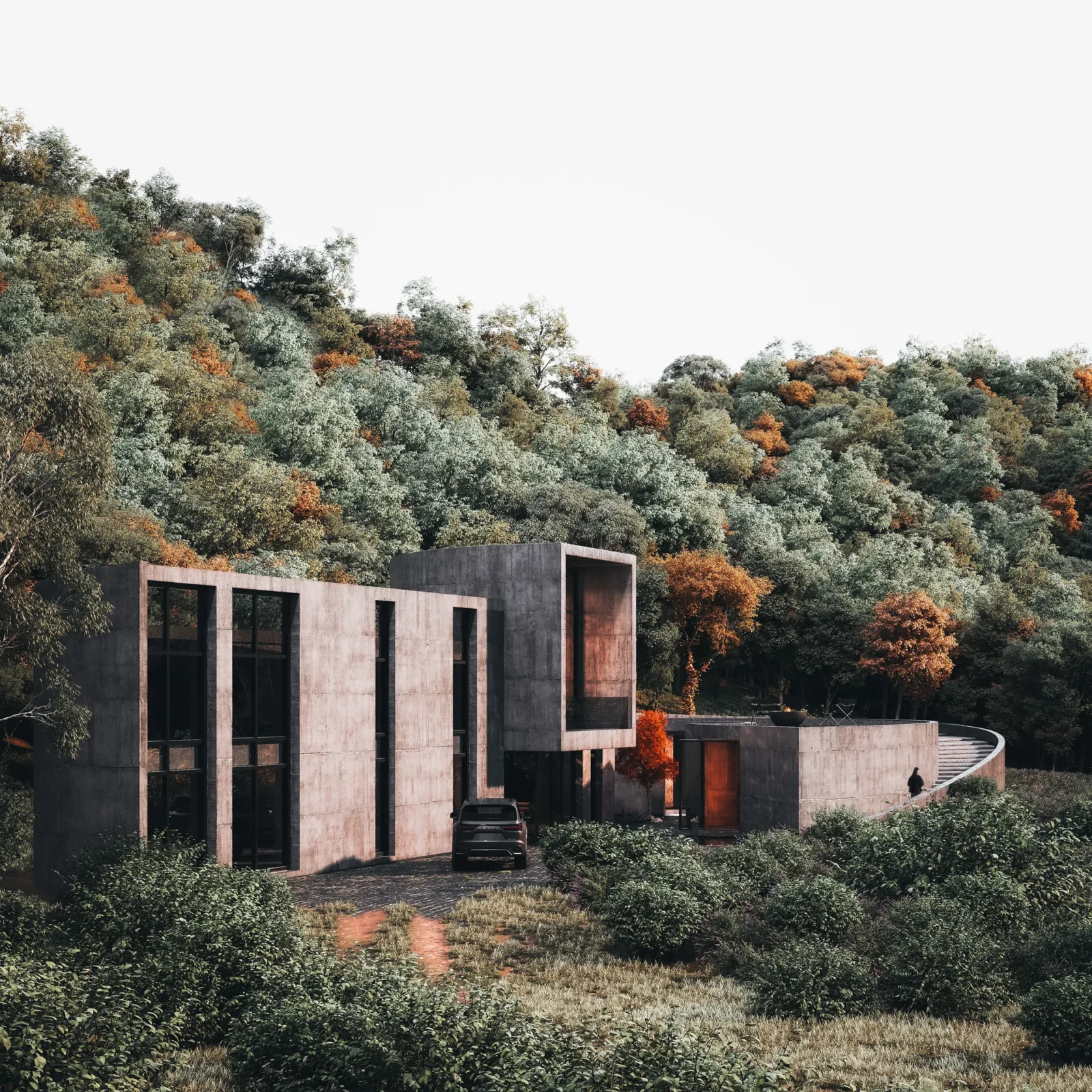
Savan House by Nobico Studio
Savan House is Nobico Studio's unbuilt concept for a forested hillside in...
illustrarch Editoral Team3 Mins read

Renaatus Irumathi
Renaatus Irumathi Residence features 69 spacious apartments designed with contemporary aesthetics, maximizing...
illustrarch Editoral Team2 Mins read
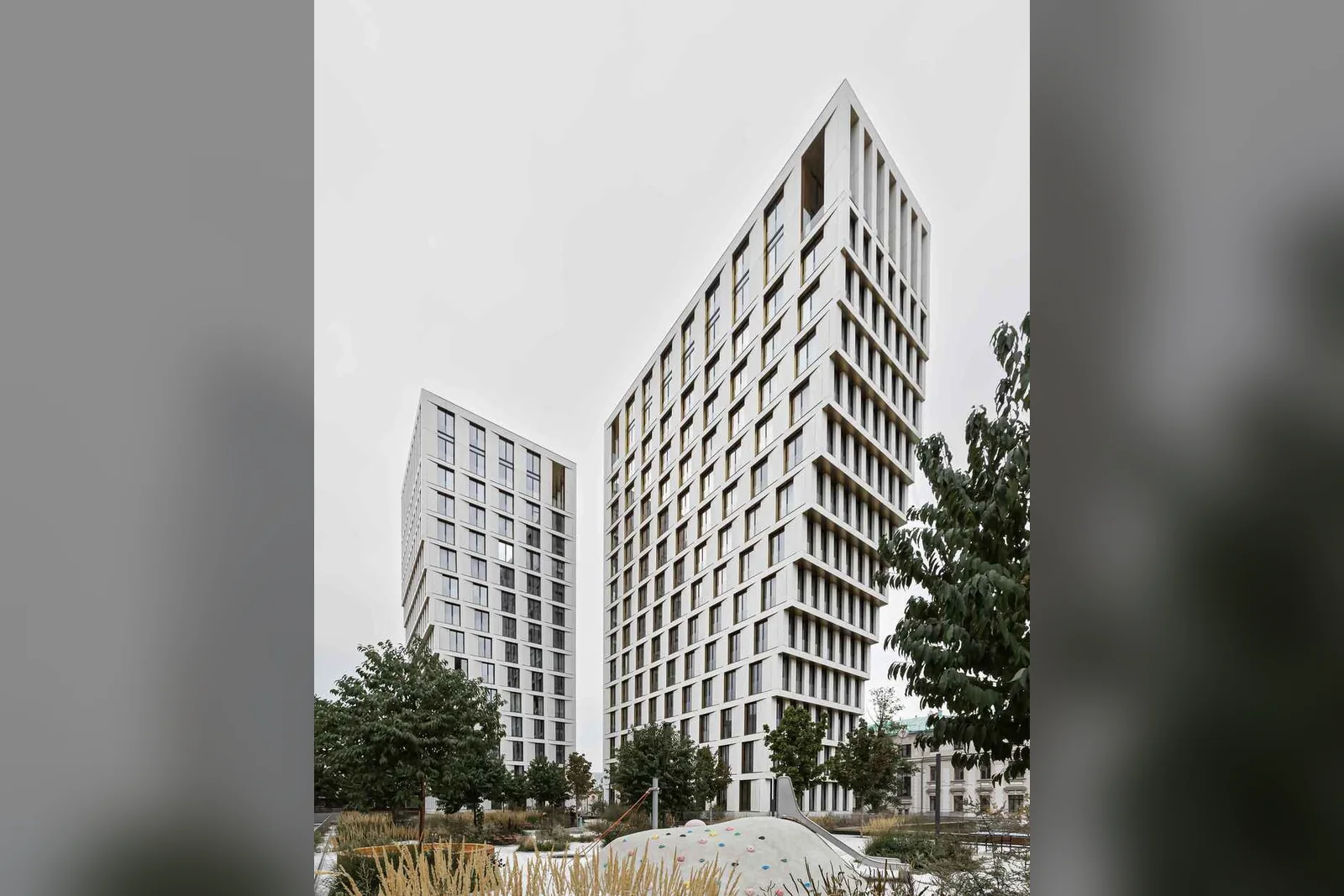
White Khamovniki
White Khamovniki is a residential tower project in Moscow that combines urban...
illustrarch Editoral Team1 Mins read
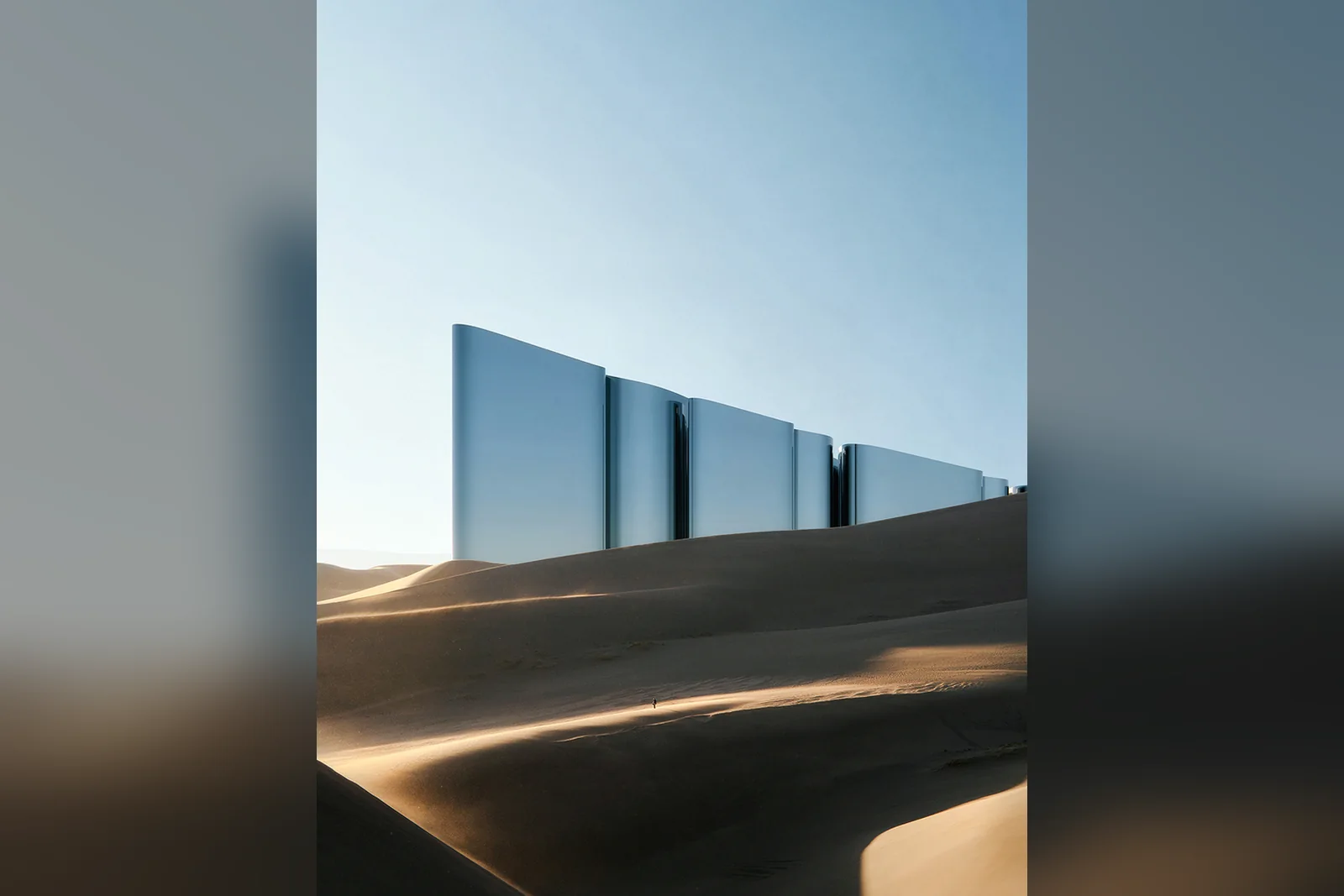
Millennium Horizon
Millennium Horizon is an innovative architectural project in the UAE that uses...
illustrarch Editoral Team2 Mins read


Leave a comment