

Nonantola
Nonantola is a memorial project that transforms historical remembrance into an interactive civic experience through preserved buildings and community engagement.
 illustrarch Editorial Team8 February 20192 Mins read487
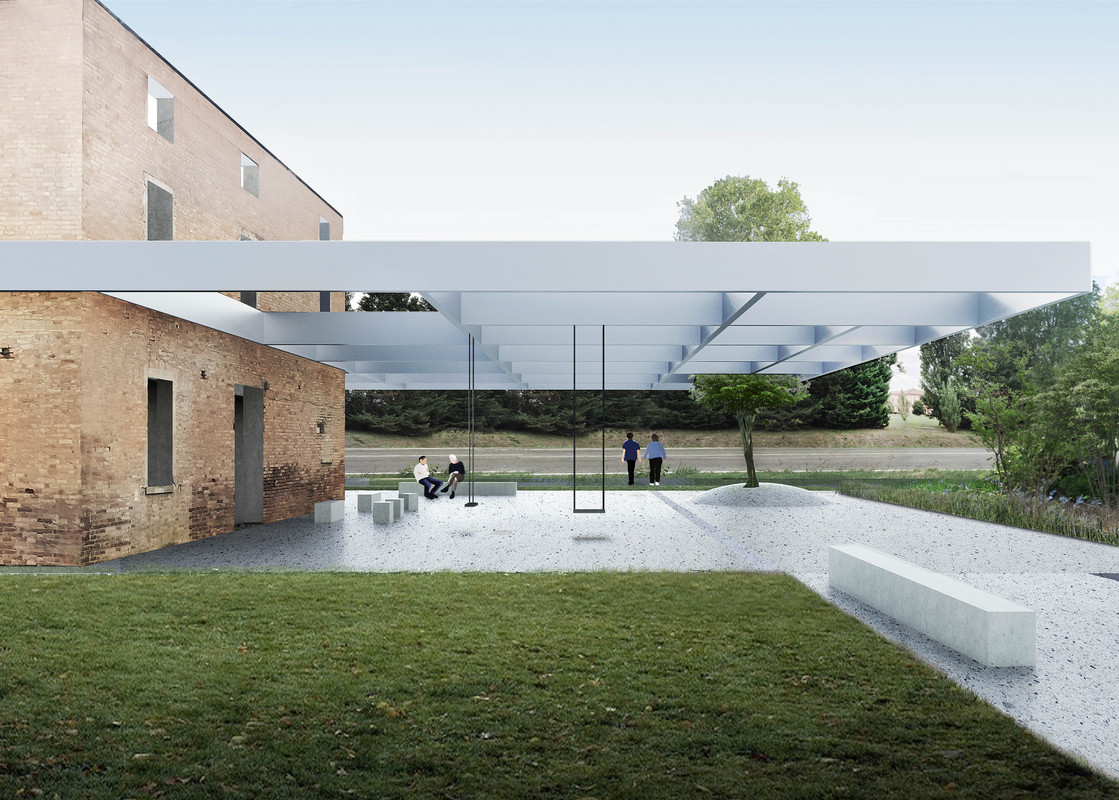


Nonantola is a memorial and artistic itinerary that turns the act of remembrance into a living civic experience rather than a static monument. Designed by SuperSpatial in 2018, the project creates a space for memory in the Italian town of Nonantola, where it studies the history of the Jewish children saved there during the Second World War and documents the refugee crisis of today. The result is a multifunctional and lively place, open to new generations who come to learn, gather, and reflect.

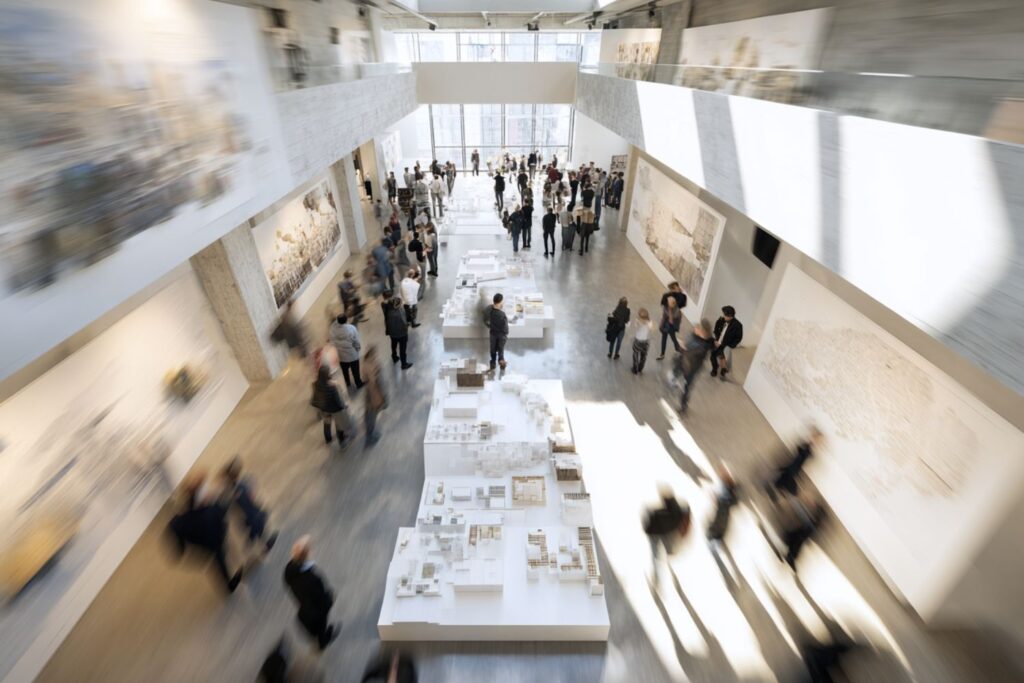

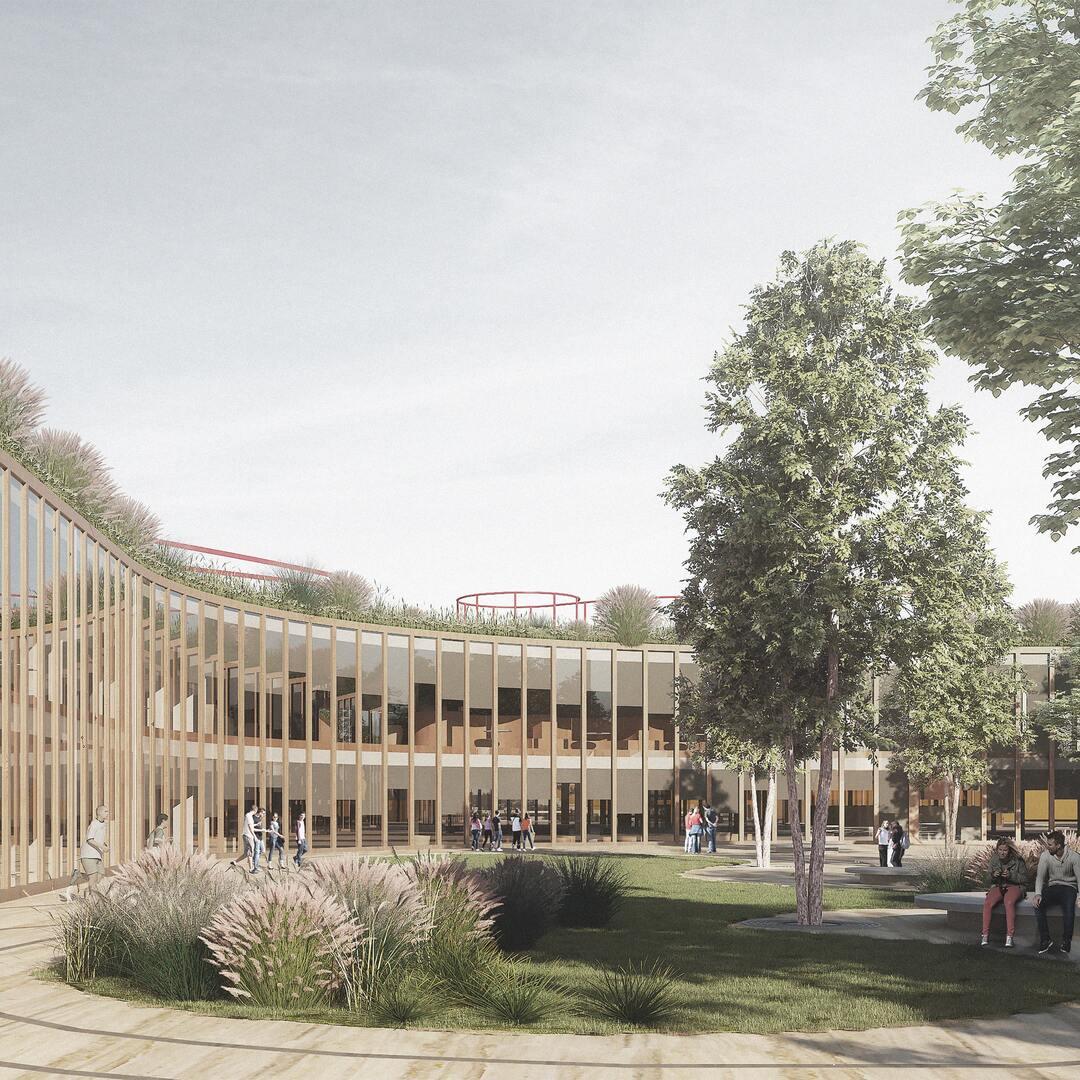
At the heart of the scheme are two existing rural buildings that the municipality and the competition brief had planned to demolish. Framed by a suspended metal roof, these structures became the main building of the memorial. They were originally part of the space where the children of Nonantola lived and played at the time of the events, so preserving them keeps the physical memory of those lives intact. The roof shelters a space for public discussions and performances that is open to everybody, while the two ruins contain the documentation centre and the museum that tell the children’s story.
Reuse and memory as design strategy
Working with a renovation rather than a new build is one of the harder briefs in architecture. The designer has to read what the old fabric already says, decide what to keep, and add new layers without erasing the meaning of the original. Here the choice to save buildings marked for demolition becomes the argument of the project itself, since the ruins carry more emotional weight than any replica could. This approach sits within the wider tradition of the memorial as a place that asks visitors to participate rather than simply observe.
The memorial does not stay confined to its own walls. It spreads into an artistic itinerary that marks the places of the events across the urban fabric, turning the whole town into a playful dialogue with its own past. Instead of describing the story in a didactic way, the project gives people tools to interact and to feel the sensation of movement. The streets of Nonantola, a town in the Italian region of Emilia-Romagna, are punctured with a number of swings that symbolize the saved children and can be used by anyone. Each swing becomes an excuse to meet and talk, an object that people from every culture already know how to use, and in that shared gesture the memory of Nonantola stays alive in the present.



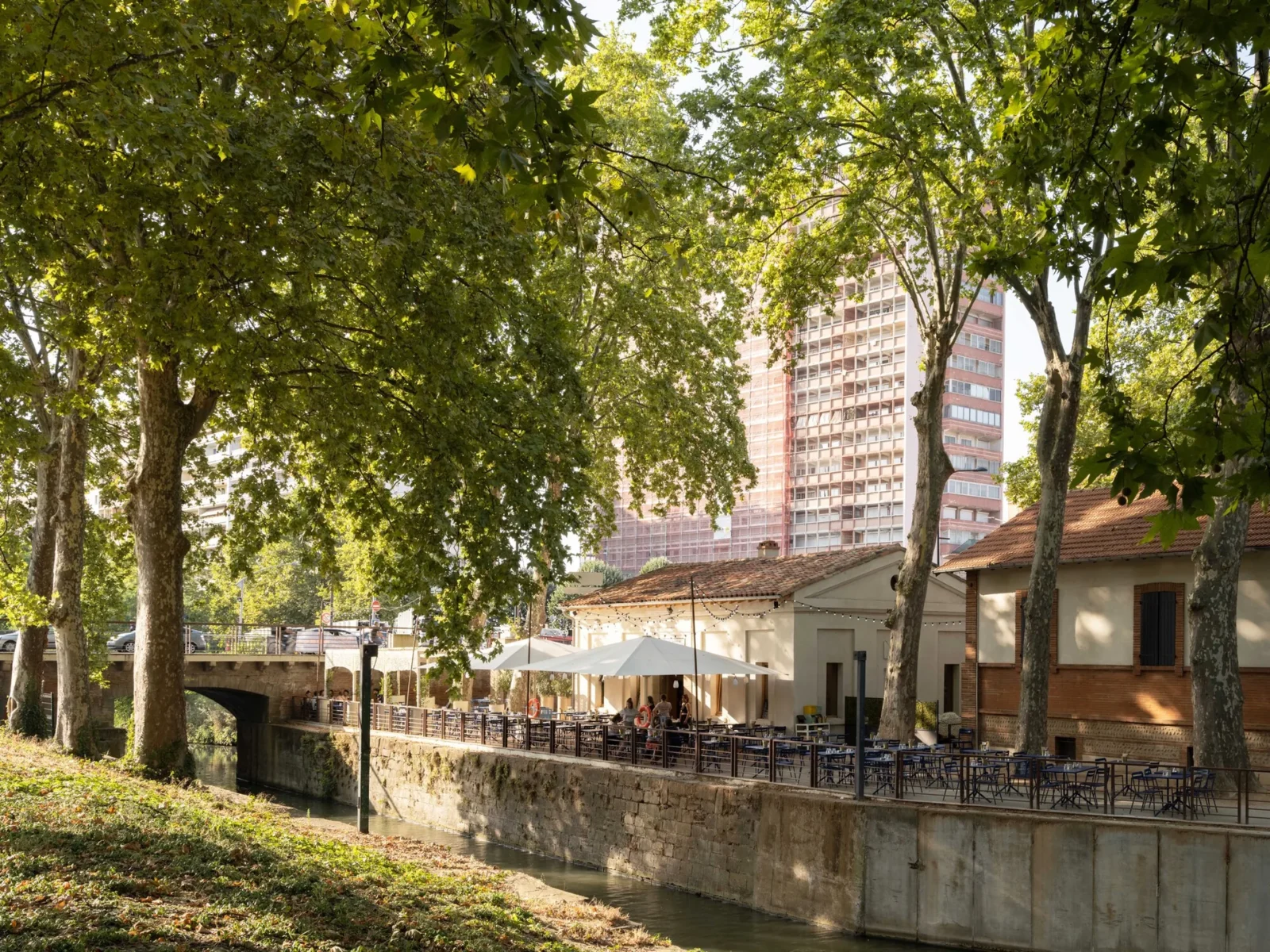
Renovation of a Lock Keeper’s House by Atelier APA
Atelier APA strips an abandoned 18th century lock keeper's house on the...
illustrarch Editorial Team2 Mins read
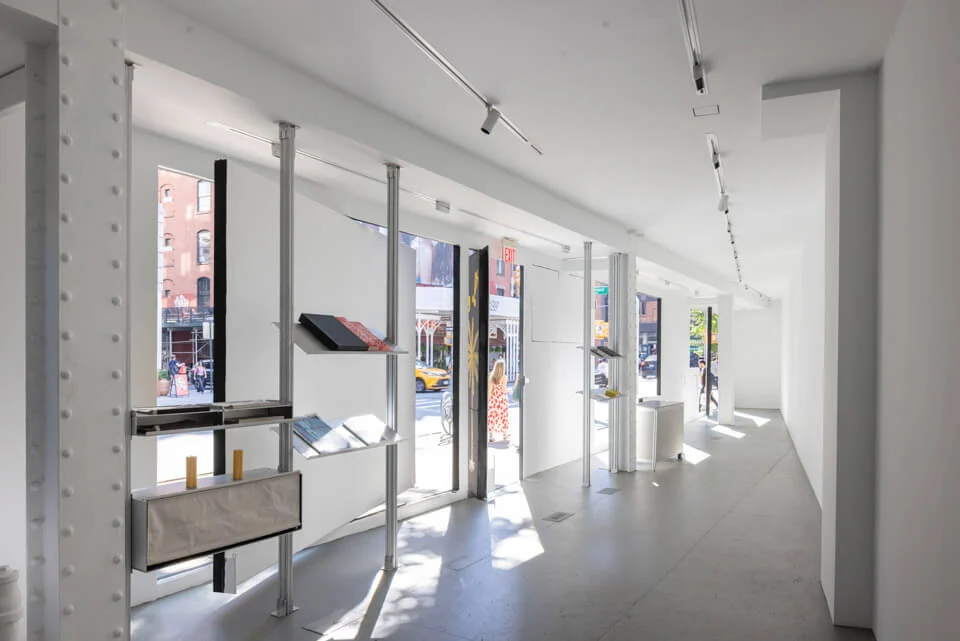
GRT Architects Completes First Major Overhaul of Storefront for Art and Architecture Since 1993
GRT Architects has renovated Storefront for Art and Architecture's SoHo home, its...
illustrarch Editorial Team2 Mins read
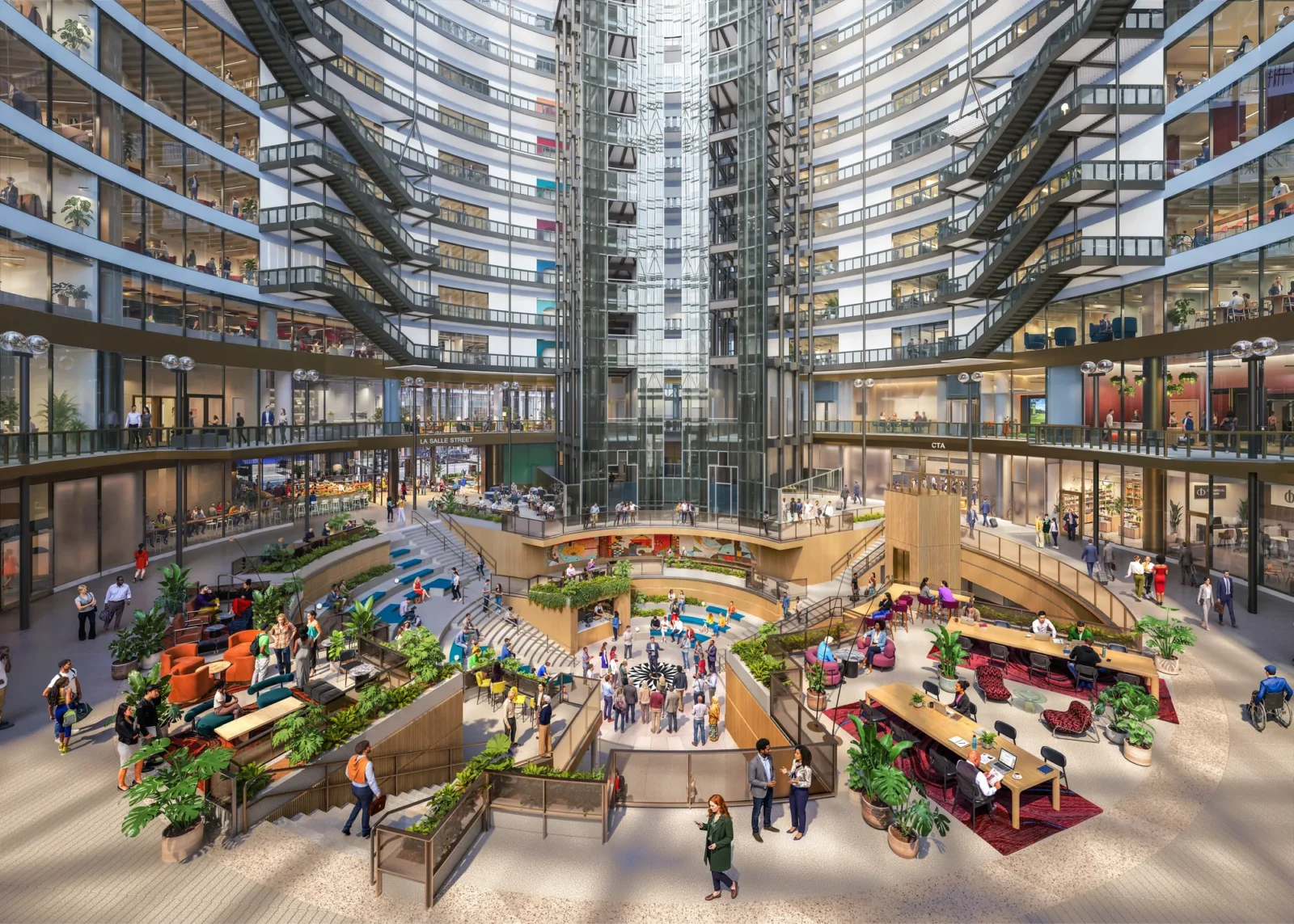
Google Unveils New Renderings for Chicago’s Thompson Center Overhaul
Google's new renderings show a reworked atrium, staircase and public art for...
illustrarch Editorial Team2 Mins read
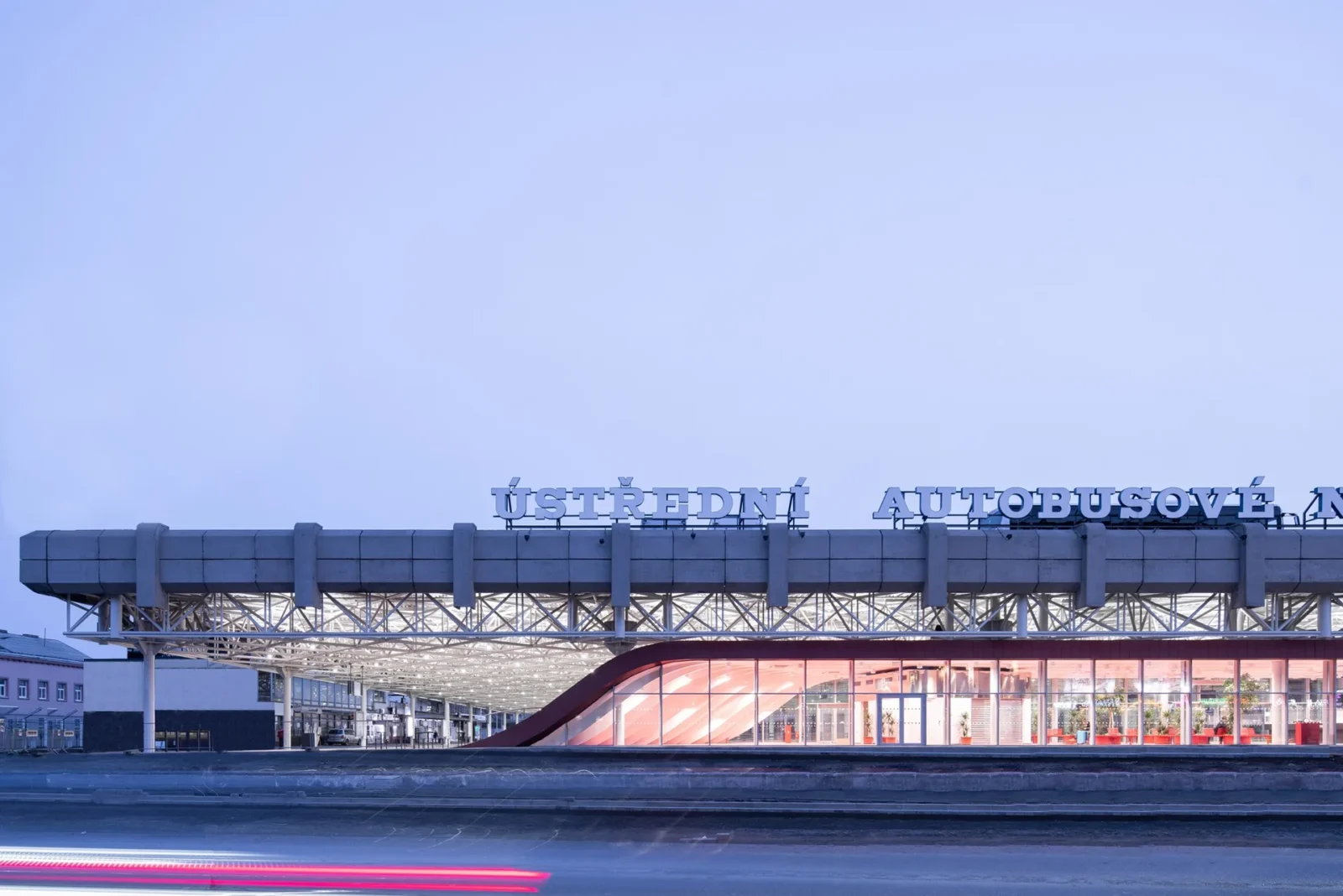
Zvonařka Bus Station by CH+K
CH+K renovated Brno's Zvonařka Bus Station, a 1980s Brutalist terminal, keeping its...
illustrarch Editorial Team2 Mins read




Leave a comment