

Parikshitnagar Slum Redevelopment
The Parikshitnagar Slum Redevelopment project in Ahmedabad emphasizes shared terraces to enhance community interaction while maintaining the social fabric of the neighborhood.
 illustrarch Editoral Team7 October 20191 Mins read328
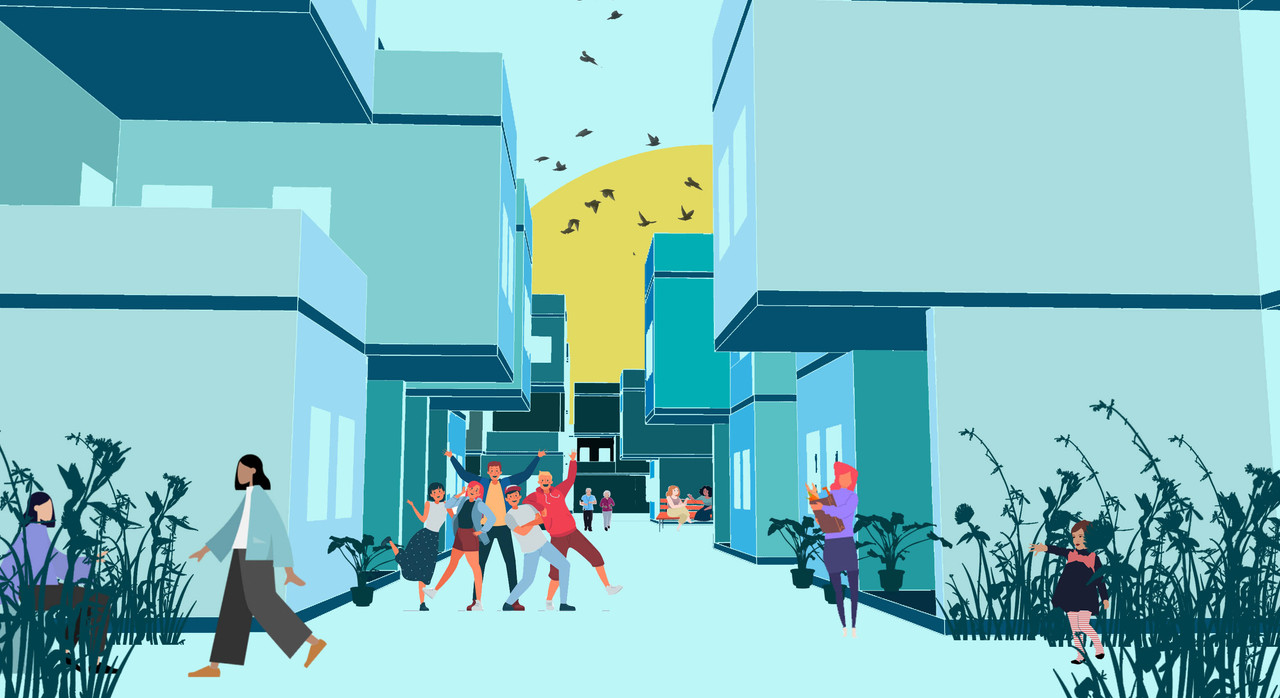


The Parikshitnagar Slum Redevelopment by Jil Shah reimagines high density housing in Ahmedabad, Gujarat, India, around the idea of the shared terrace. The project moves around shared terraces as its central organising device, because dense housing tends to compress private and communal life into a small footprint. By making the terrace a collective space, the design gives residents more interactive room and returns to them their original space, the one in which they stay connected with each other.
Slum redevelopment is one of the more demanding building types an architect can take on. The work has to balance the number of homes a site must hold against the daylight, air, and open space that make those homes livable. In a settlement where families already share strong social ties, a redevelopment risks replacing horizontal streets and doorsteps with anonymous vertical stacks. Shah’s response keeps the social fabric intact by treating the terrace as a continuation of the ground level community, not a leftover surface on top of the building.
The terrace as shared ground
Raising shared life upward is a long tested strategy in dense public housing, where rooftops and decks can serve as gardens, play areas, and meeting points when the ground is full. Here the shared terrace gives residents a connection to nature and to one another, two things that often disappear when informal settlements are rebuilt at higher density. The terrace becomes a place to gather, to dry clothes, to watch children, and to keep the everyday encounters that hold a community together.
Ahmedabad has a deep architectural history, from its dense old city pols to the modern landmarks that draw students of design from across the city and beyond. Working within that context, a redevelopment of this kind has to respect how people already live while improving the conditions around them. The challenge of slum upgrading is rarely about square footage alone; it is about whether residents recognise their new home as still theirs.
By placing the shared terrace at the heart of the plan, Jil Shah offers a model where density and community can coexist. The result is housing that adds interactive space without erasing the relationships that made the original neighbourhood feel like home.





Tidsmaskinen After-School Center by BBP Arkitekter
BBP Arkitekter add a heptagonal tower and a greenhouse to a 1918...
illustrarch Editoral Team2 Mins read

The Entwine Confluence by Sara Fernandes
The Entwine Confluence is Sara Fernandes's unbuilt community center for Gresham: meeting...
illustrarch Editoral Team3 Mins read

KAFD Metro Station by Zaha Hadid Architects
Zaha Hadid Architects' KAFD Metro Station ties three Riyadh Metro lines together...
illustrarch Editoral Team3 Mins read
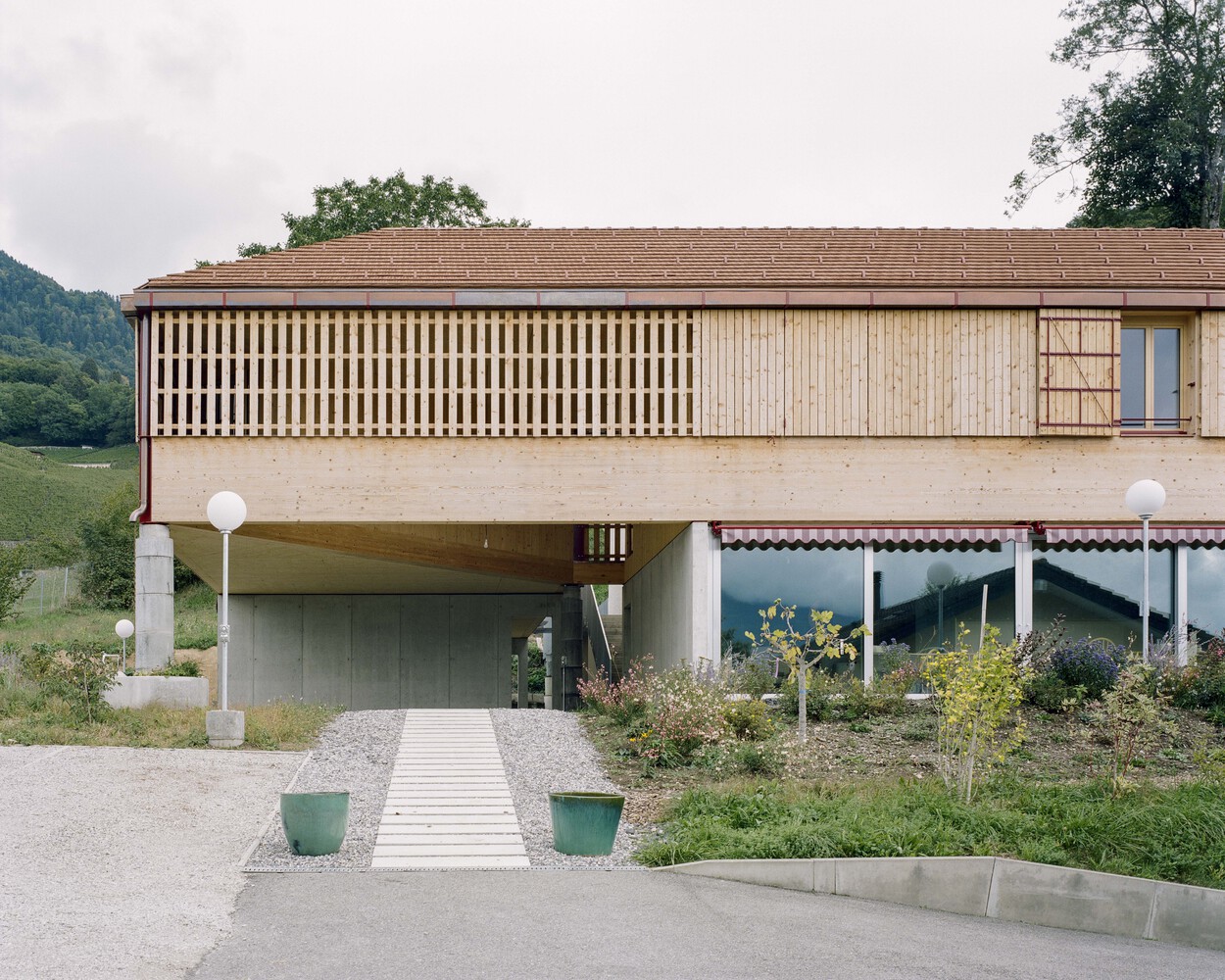
Community Housing in Villy by Madeleine architectes & Studio Francois Nantermod
A cooperative housing project in Villy transforms a grandfather’s home into the...
 Begum Gumusel3 Mins read


Leave a comment