

Benefits of Green Roofing vs Solar Roof: Which Performs Better in Urban Buildings?
Green roof or solar roof? In dense city buildings, the two systems solve different problems. This guide compares the benefits of green roofing and solar roofing on energy use, stormwater, urban heat, structural demands, and cost, so architects and building owners can pick the right fit, or combine both into a biosolar roof.
 Furkan Sen28 April 20268 Mins read40
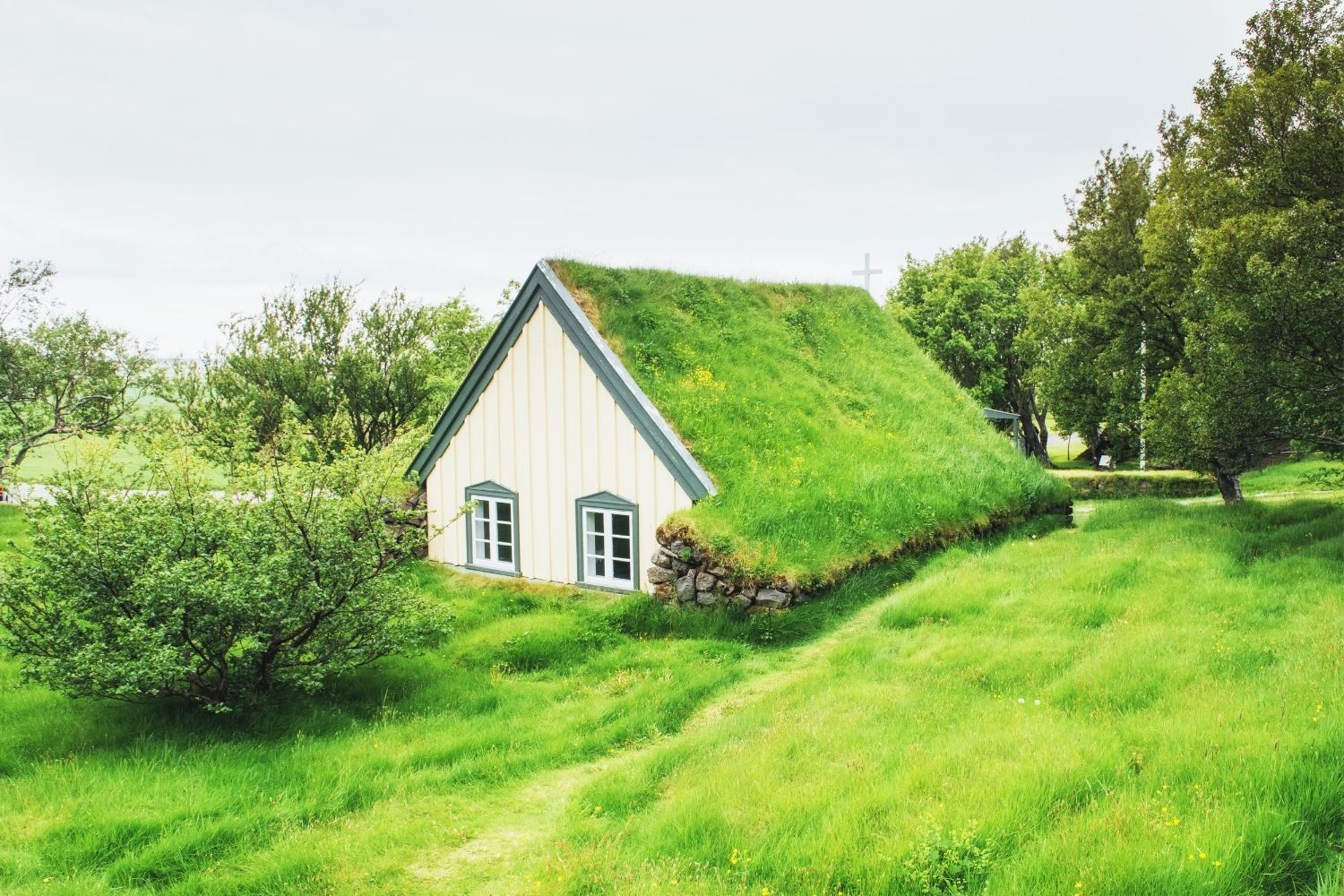
Table of Contents Show
What Is a Green Roof and What Is a Solar Roof?
 Before comparing performance, the two systems need a clear definition. They share the same surface, but the way they work, what they weigh, and what they cost are completely different.
A green roof is a roof where a waterproof membrane is topped with a drainage layer, growing medium, and plants. It can be extensive (shallow soil, sedums and grasses, low maintenance) or intensive (deeper soil, shrubs and even small trees, more like a rooftop garden). The goal is thermal insulation, stormwater retention, biodiversity, and urban cooling. Green roofs integrate vegetation layers over waterproof membranes and improve insulation, reduce urban heat islands, and manage stormwater runoff, as covered in our guide to architectural roofing systems.
Before comparing performance, the two systems need a clear definition. They share the same surface, but the way they work, what they weigh, and what they cost are completely different.
A green roof is a roof where a waterproof membrane is topped with a drainage layer, growing medium, and plants. It can be extensive (shallow soil, sedums and grasses, low maintenance) or intensive (deeper soil, shrubs and even small trees, more like a rooftop garden). The goal is thermal insulation, stormwater retention, biodiversity, and urban cooling. Green roofs integrate vegetation layers over waterproof membranes and improve insulation, reduce urban heat islands, and manage stormwater runoff, as covered in our guide to architectural roofing systems.
What is solar roof?
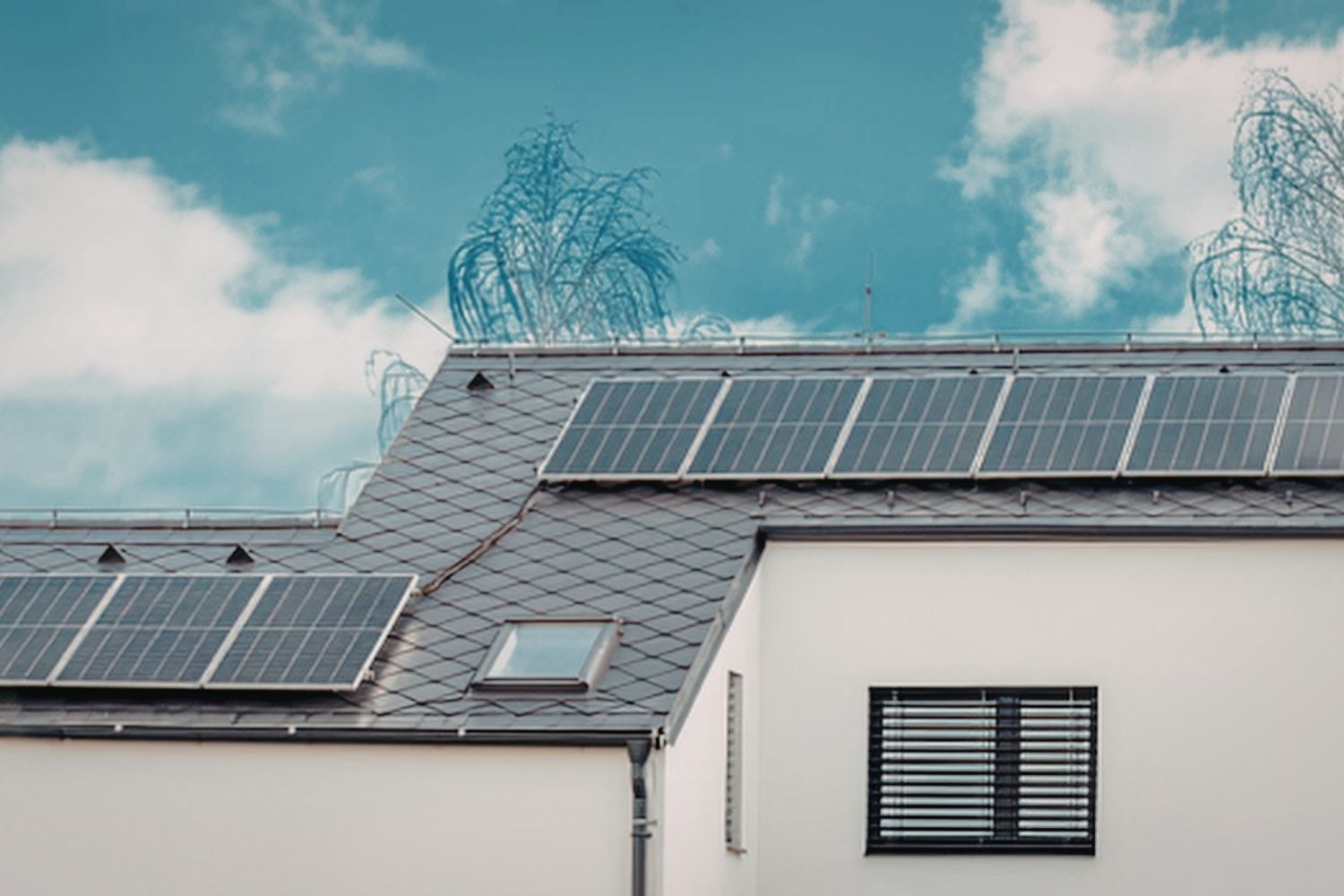
A solar roof uses photovoltaic (PV) panels or solar shingles to convert sunlight directly into electricity. The two common approaches are rack-mounted PV panels installed above a conventional roof, and Building Integrated Photovoltaics (BIPV), where the solar cells replace or integrate with the roofing material itself. Solar roofing draws value from the roof by generating on-site clean energy, reducing grid dependence, and, in many markets, earning credits through net metering. For a broader view of how renewable energy fits into current facade and envelope strategy, see this overview of sustainable facade design.💡 Pro Tip
When a client asks for a green roof on an existing building, the first question is never “which plants?” but “what is the structural reserve capacity of the deck?” A saturated extensive green roof adds roughly 70-170 kg/m², and many older concrete decks in mid-rise buildings simply cannot take it without reinforcement. Get a structural engineer on site before finalizing the spec, otherwise the project stalls three months in.
Benefits of Green Roofing in Urban Buildings
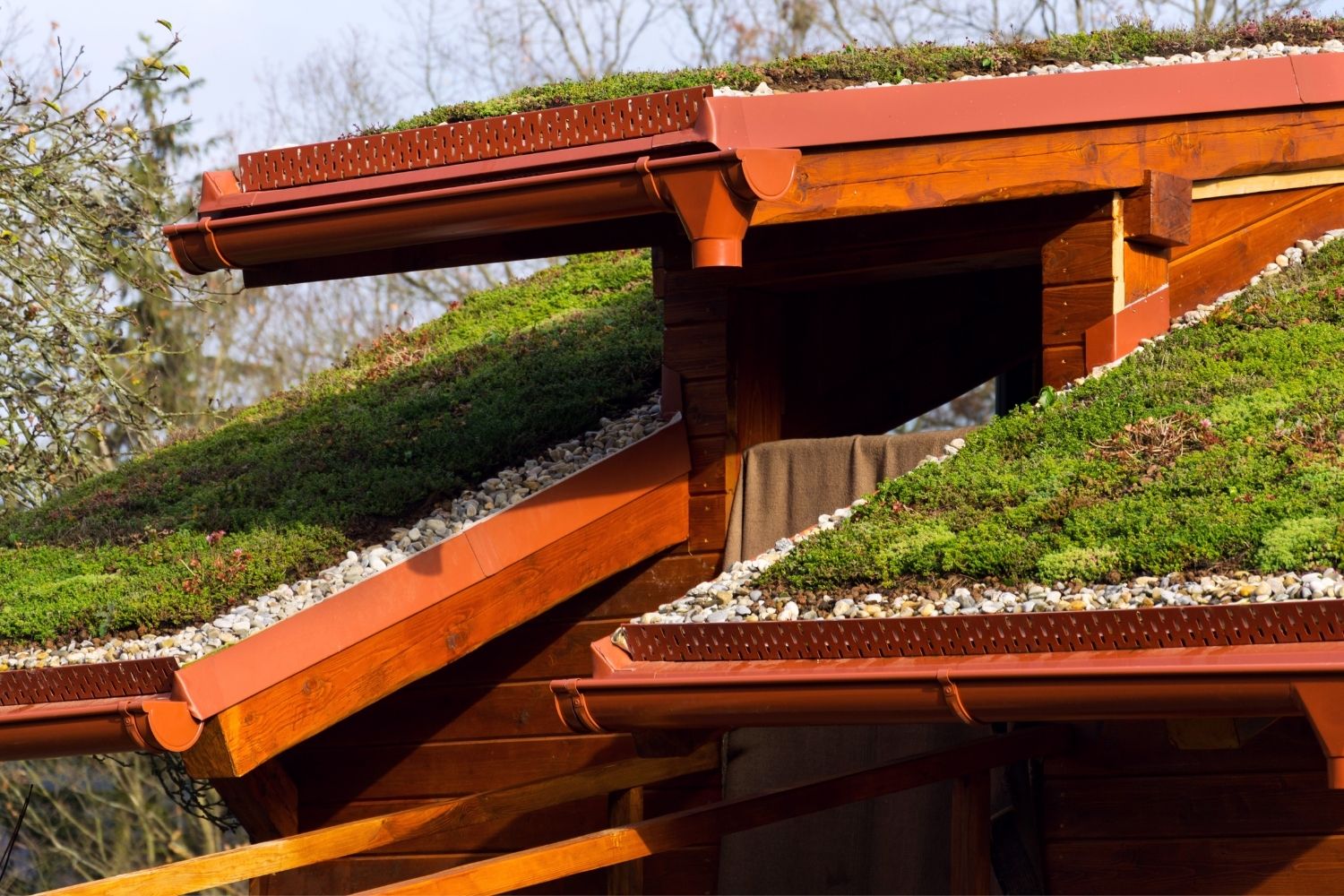 The benefits of green roofing go beyond looks. On a dense urban block, a vegetated roof changes how the building interacts with rain, heat, and air around it. Here are the main performance gains that make green roofing worth the spec.
Thermal Insulation and Energy Savings
A green roof acts as passive insulation. The growing medium and vegetation slow heat transfer in both directions, keeping buildings cooler in summer and warmer in winter. According to the United States Environmental Protection Agency, green roofs can reduce building energy use during summer months by lowering roof surface temperatures and cutting heat flux into the top floor. Vertical gardens and green roofs, as covered in our article on urban design innovations for sustainable cities, can decrease energy costs by up to 30% in relevant applications. This effect is strongest on top-floor units and in hot climates where air conditioning dominates annual energy use.Stormwater Management
One of the most undervalued benefits of green roofing is stormwater performance. In a typical storm event, an extensive green roof can retain a large share of rainfall in its substrate and release the rest slowly through evapotranspiration and delayed runoff. The United States General Services Administration (GSA) has documented annual rainfall retention of roughly 50% on vegetated roofs across a range of climates. For cities where combined sewer overflows are a regulatory and environmental headache, this is a serious advantage that a solar roof simply cannot offer.Urban Heat Island Reduction
Dense cities run hotter than their surrounding regions because dark roofs, asphalt, and concrete absorb and re-radiate solar heat. Green roofs reduce this effect through shading, evapotranspiration, and surface temperature reduction. A conventional black membrane can reach surface temperatures above 75°C on a summer afternoon, while a vegetated surface typically stays close to ambient air temperature. Scaled across a neighborhood, this lowers peak cooling demand for everyone, not just the owner of the roof.Biodiversity and Air Quality
Green roofs create small habitats in places that were previously dead surfaces. Pollinators, birds, and native plants can establish on even shallow substrates if the species mix is chosen well. The vegetation also captures particulate matter and absorbs CO₂, contributing modestly to local air quality. This is a softer benefit but one that resonates strongly with tenants, regulators, and certification schemes.🏗️ Real-World Example
ACROS Fukuoka Prefectural International Hall (Fukuoka, 1995): Designed by Emilio Ambasz, this government and cultural building replaced a city-center park with a stepped green roof hosting roughly 35,000 plants across 15 terraces. Surface temperature studies have recorded interior and rooftop temperatures up to 15°C cooler than adjacent hard-surface roofs on hot summer days, while the structure also returned usable green space to the city rather than taking it away.
Best color combination for green roof visibility
For intensive green roofs that are publicly visible or accessible, the best color combination for green roof design usually layers sedum reds and yellows against deeper green grasses and silvery herbs such as thyme and lavender. Architects working on hospitality, institutional, or mixed-use projects often treat the roof plane as a fifth facade and coordinate its color palette with the building’s cladding. Extensive green roofs hidden from view can rely on a simpler sedum mat where hardiness matters more than aesthetics.How Does Solar Roofing Perform in Cities?
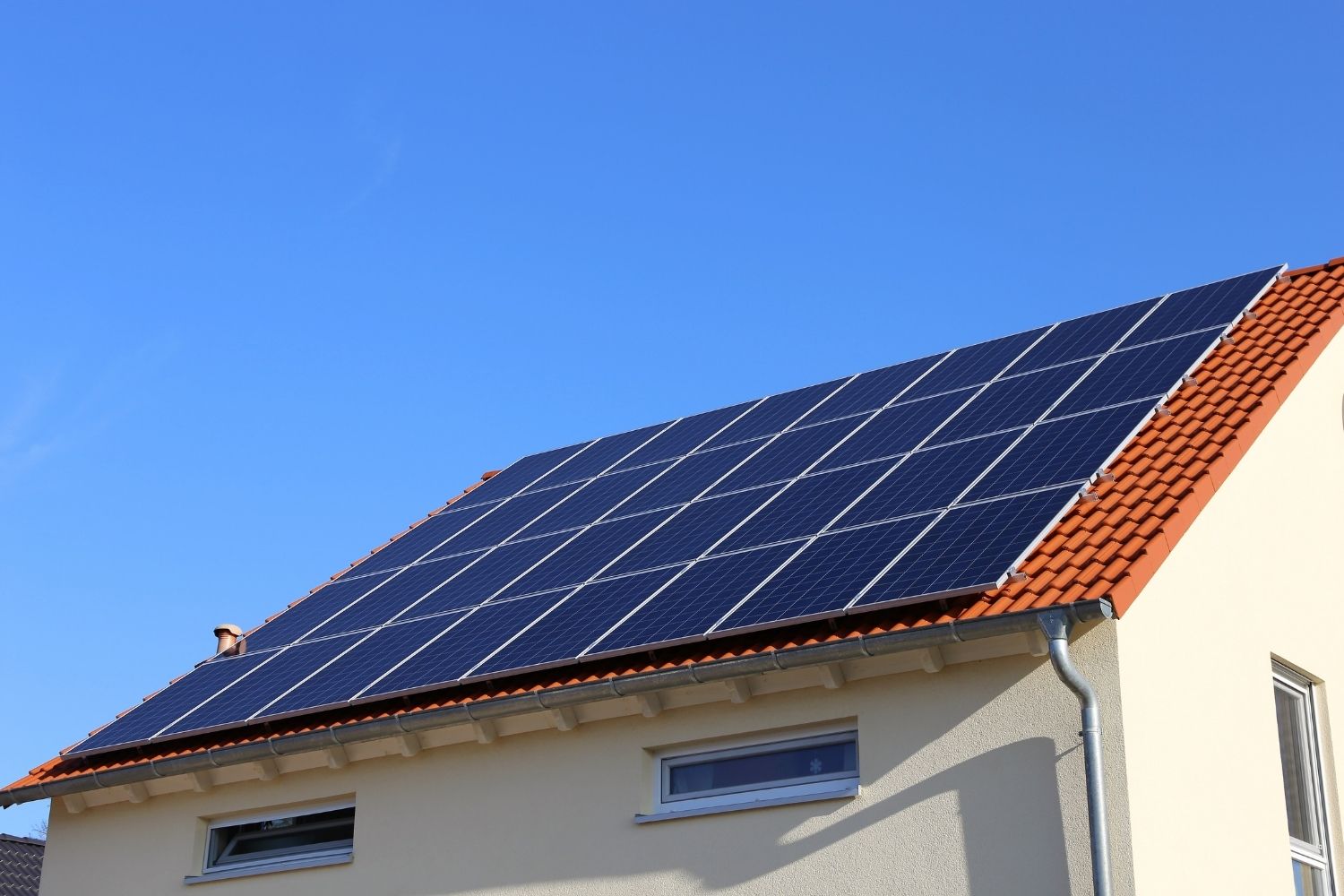 Solar roofing answers a different question: how do you pull useful energy out of a roof plane instead of just using it as thermal mass? In the right urban context, the numbers can be significant.
Electricity Generation and Payback
A south-facing rooftop solar array on a mid-rise residential building in a sunny European or North American city typically produces 900-1,500 kWh per installed kW per year, according to data compiled by the International Energy Agency. That output offsets grid electricity, reduces operational carbon, and in many markets earns revenue through net metering or feed-in tariffs. Payback periods have steadily shortened as PV module costs have fallen, with residential systems in mature markets now commonly reaching payback in 7-12 years depending on electricity prices, incentives, and installation costs.Grid Independence and Resilience
Paired with battery storage, solar roofing gives buildings partial independence from the grid. During outages, critical loads such as elevators, refrigeration, and communications can keep running. For tall urban buildings where elevator downtime is a serious operational risk, this resilience is increasingly part of the specification, not an afterthought. This pairs well with the broader shift toward smart technology and renewable integration in current sustainable practice.Aesthetics and Design Integration
Old-style rack-mounted PV is visible and industrial. BIPV products, including solar tiles and integrated roofing membranes, now allow designers to embed generation into the roof without breaking the architectural language. This matters in heritage districts and in design-sensitive residential projects where a traditional PV array would be rejected by planning boards.📌 Did You Know?
Solar panels tend to lose roughly 0.3-0.5% of efficiency for every degree Celsius above their rated temperature of 25°C, according to performance data from the National Renewable Energy Laboratory (NREL). On a scorching urban rooftop, panel temperatures can easily exceed 60°C, meaning the summer output may be noticeably lower than the lab rating suggests. This is one reason biosolar roofs, which pair PV with vegetation, can outperform a standalone solar roof on peak-heat days.
Green Roof vs Solar Roof: Direct Comparison
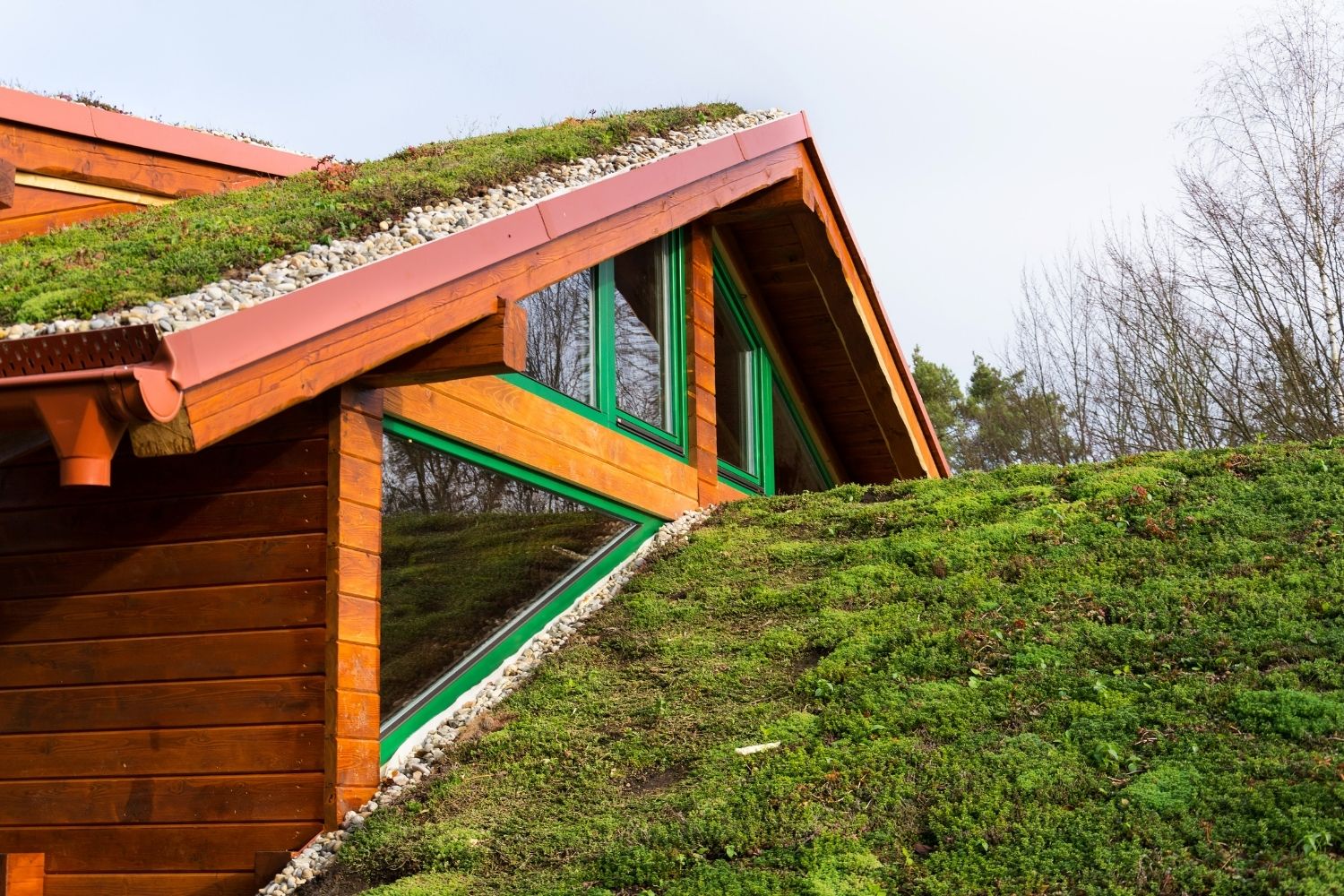 To compare the two systems on the criteria that matter most on urban buildings, the table below puts the benefits of green roofing side by side with solar roofing across seven performance areas. This is not about declaring a winner across the board, it is about matching the system to the project’s priorities.
| Performance Area | Green Roof | Solar Roof |
|---|---|---|
| Primary output | Thermal buffering, stormwater, cooling | On-site electricity generation |
| Energy impact | Reduces cooling load, marginal heating gain | Offsets grid electricity directly |
| Stormwater retention | High (40-60% annual retention typical) | Minimal |
| Urban heat island effect | Strong reduction | Mixed (dark panels absorb, but shade roof) |
| Structural load | Heavy (70-170+ kg/m² saturated) | Light (15-25 kg/m² typical) |
| Maintenance | Ongoing horticultural care, irrigation | Periodic cleaning, inverter replacement |
| Typical lifespan | 40-50 years (membrane protected) | 25-30 years (modules) |
Which Roof Wins on Energy and Cost?
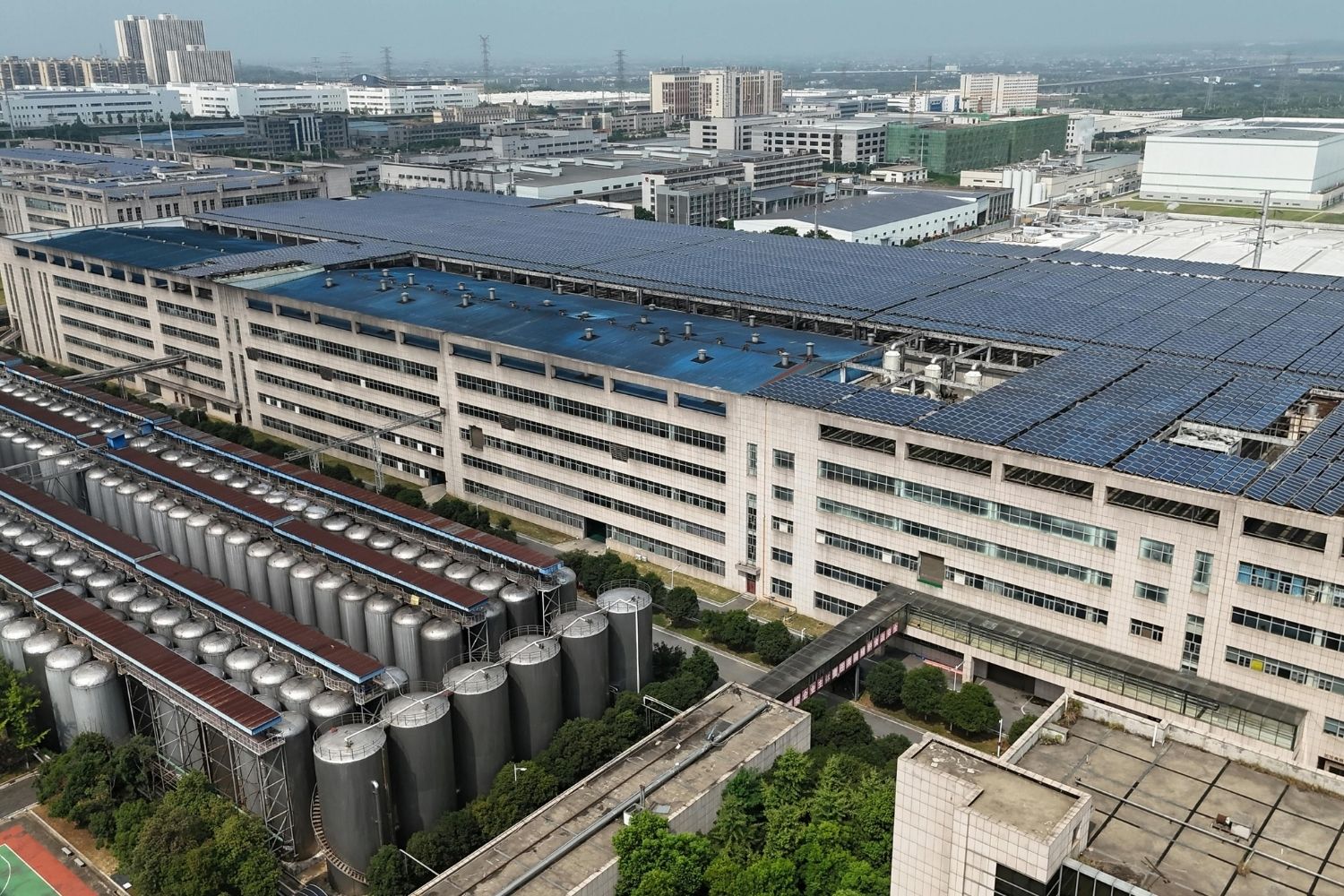 On raw energy output, a solar roof generates measurable kilowatt-hours that flow directly to the meter. A green roof reduces consumption rather than producing energy, so its “energy benefit” shows up only in HVAC bills and peak load reductions, not on the utility invoice. For a building owner who treats the roof as a financial asset, solar usually wins on pure ROI.
How much does installation cost?
Green roofs typically cost more per square meter than conventional roofs but less than intensive landscape installations. Extensive systems run in the range of $150-$250 per m², intensive systems considerably higher. Solar roofing costs depend heavily on module type and market, but rooftop PV in mature markets has dropped significantly over the last decade. The key financial point is that solar generates revenue or savings that can pay back the investment, while a green roof’s financial return comes indirectly through reduced energy, extended membrane life, and higher building value. Some jurisdictions also offer stormwater fee reductions for green roofs, which can tilt the math back in their favor.⚖️ Pros & Cons at a Glance
✔️ Green Roof Pros: Long membrane life, stormwater retention, UHI reduction, biodiversity
✖️ Green Roof Cons: Heavy structural load, higher maintenance, no direct energy output
✔️ Solar Roof Pros: Clear ROI, grid offset, resilience with storage, light load
✖️ Solar Roof Cons: No stormwater benefit, heat loss in summer, shorter lifespan
Can You Combine Green and Solar Roofing?
Yes, and in many forward-thinking projects this is now the default. A biosolar roof pairs photovoltaic panels with a vegetated base layer, so the same surface manages stormwater, cools the building, and generates electricity. The vegetation keeps the microclimate around the PV modules cooler, which slightly increases their output on hot summer days, while the panels provide partial shade that reduces evapotranspiration stress on the plants below.Buildings with Green Roofs and Solar Integration
Buildings with green roofs and integrated PV are becoming common in Northern European projects and on new commercial developments in cities with strong sustainability codes. Munich, Basel, and Copenhagen have pushed biosolar adoption through combined stormwater and energy regulations. In the United States, the GSA has piloted biosolar installations on federal buildings as part of its green roof research program.📐 Technical Note
For biosolar installations, European guidance (FLL Green Roof Guidelines, 2018) typically recommends a minimum substrate depth of 80-100 mm under PV arrays, a PV tilt of at least 10-15° to allow plant growth and rainwater access underneath, and spacing of 40-60 cm between PV row and vegetation surface. Ballasted PV mounting is preferred over penetrating fasteners to protect the waterproof membrane, and the substrate itself acts as part of the ballast load.
Which Should You Choose for Your Urban Building?
The decision comes down to the building’s structural reserve, the climate, and the owner’s priorities. For a lightweight steel-frame warehouse in a sunny region, solar roofing is almost always the right answer because the structural capacity for a green roof does not exist and the generation potential is high. For a heavy concrete mid-rise in a temperate city with stormwater regulations and high cooling loads, green roofing provides benefits that solar simply cannot match. For new construction where both loads can be designed in from the start, a biosolar roof gives you most of the benefits of both systems. Whichever direction the project goes, the roof should no longer be treated as an afterthought. In dense cities, it is the largest under-used surface on the block, and the choice between green, solar, or biosolar defines how the building performs for the next three to five decades. These decisions also connect to broader choices in sustainable architecture strategy, where the roof is increasingly treated as a core building system rather than a finishing detail.✅ Key Takeaways
- The benefits of green roofing include thermal insulation, stormwater retention, urban heat island reduction, and biodiversity support.
- Solar roofing wins on direct electricity generation, clearer payback economics, and a lighter structural load.
- Structural capacity is the first filter: a saturated green roof typically weighs 70-170 kg/m², which many retrofit projects cannot absorb.
- Green roofs reduce energy use indirectly, solar roofs reduce energy costs directly through kWh offsets.
- Biosolar roofs combine both systems and are now standard on leading projects in Germany, Switzerland, and Scandinavia.
- Regulations, climate, and ownership model should drive the final decision, not ideology about which is “greener.”






Anatomy of a Wet-Climate Roof: The Engineering Behind High-Performance Roofing
How high-performance roofing protects homes in wet climates: multi-layer systems, flashing, ventilation...
 Bahattin Duran3 Mins read
How to Select the Most Reliable Shelter Installation Team
Table of Contents Show Set Clear Specs And Site CriteriaVet Credentials And...
Bahattin Duran3 Mins read
How Smart Roof Design Reduces Maintenance Costs
Table of Contents Show Design for Drainage FirstPut The Anchor in The...
Bahattin Duran3 Mins read
Top Roof Architecture Trends: Climate Specific Roofing Designs
From classic gabled roofs to innovative cool roofs and green roofing systems,...
Bahattin Duran6 Mins read


Leave a comment