

Largest Shopping Mall in the World: Iran Mall, A Monument to Persian Architecture and Modern Retail
Explore Iran Mall, the world's largest shopping mall covering 1.95 million square meters in Tehran. This architectural marvel blends traditional Persian craftsmanship with modern retail, featuring a historic bazaar, mirror hall, and vast library.
 Bahattin Duran19 April 20268 Mins read322
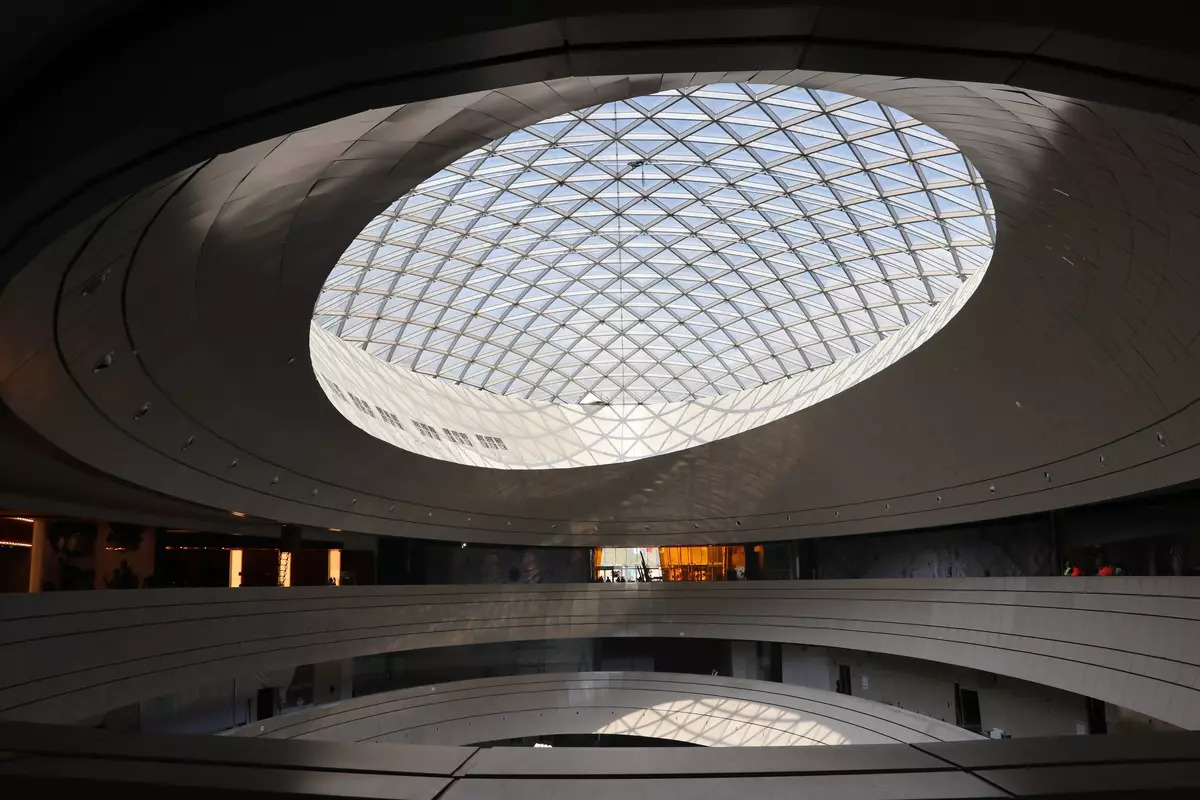
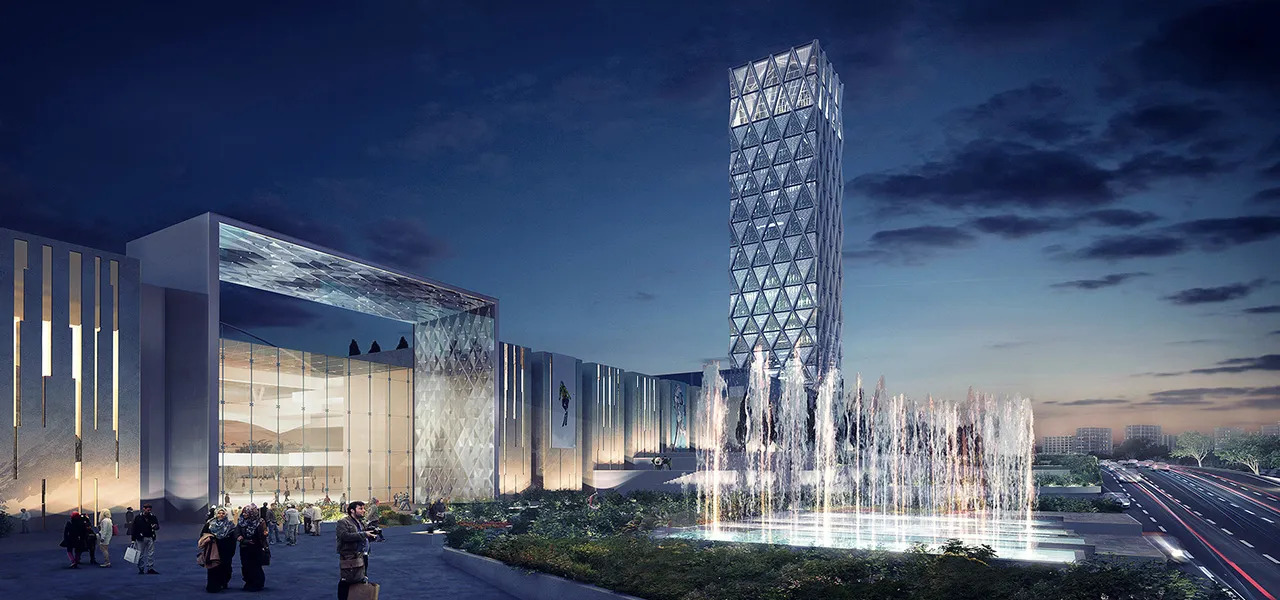
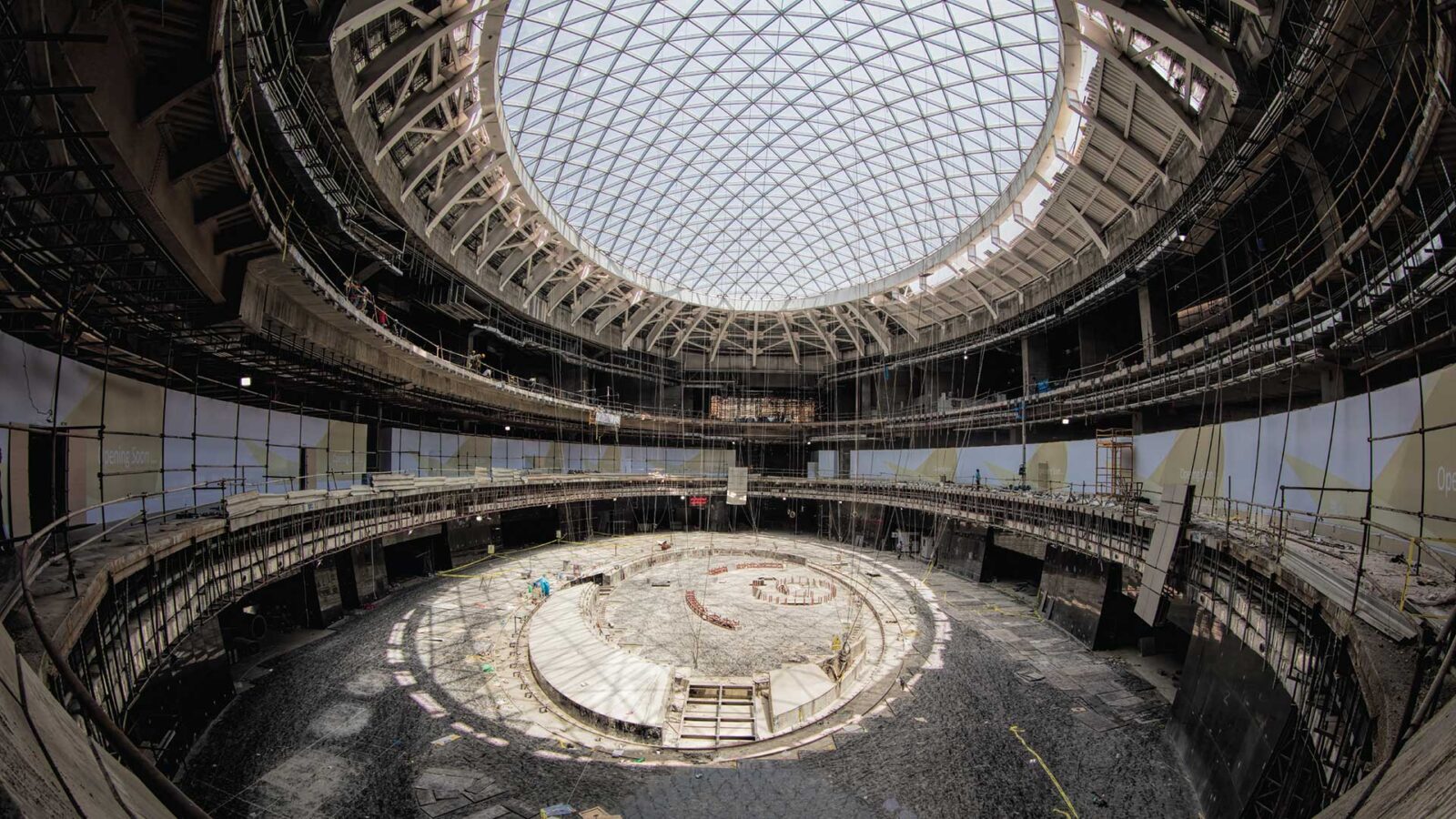
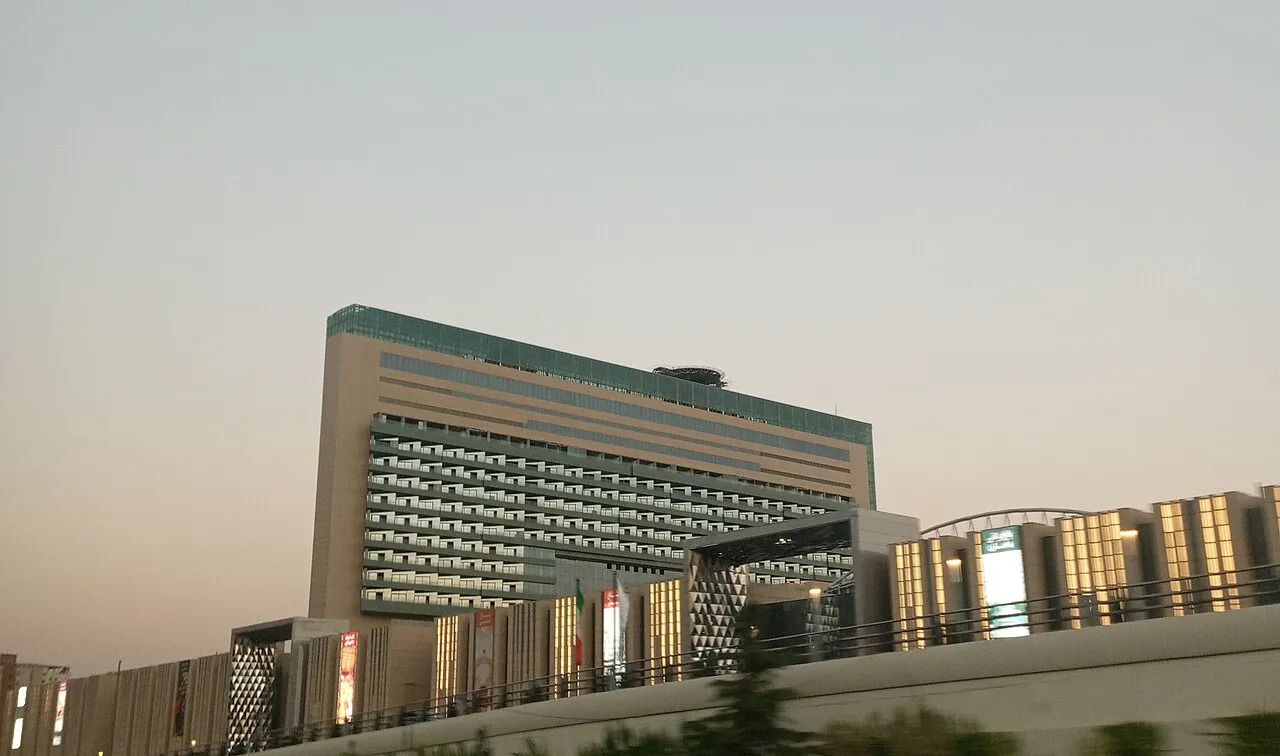
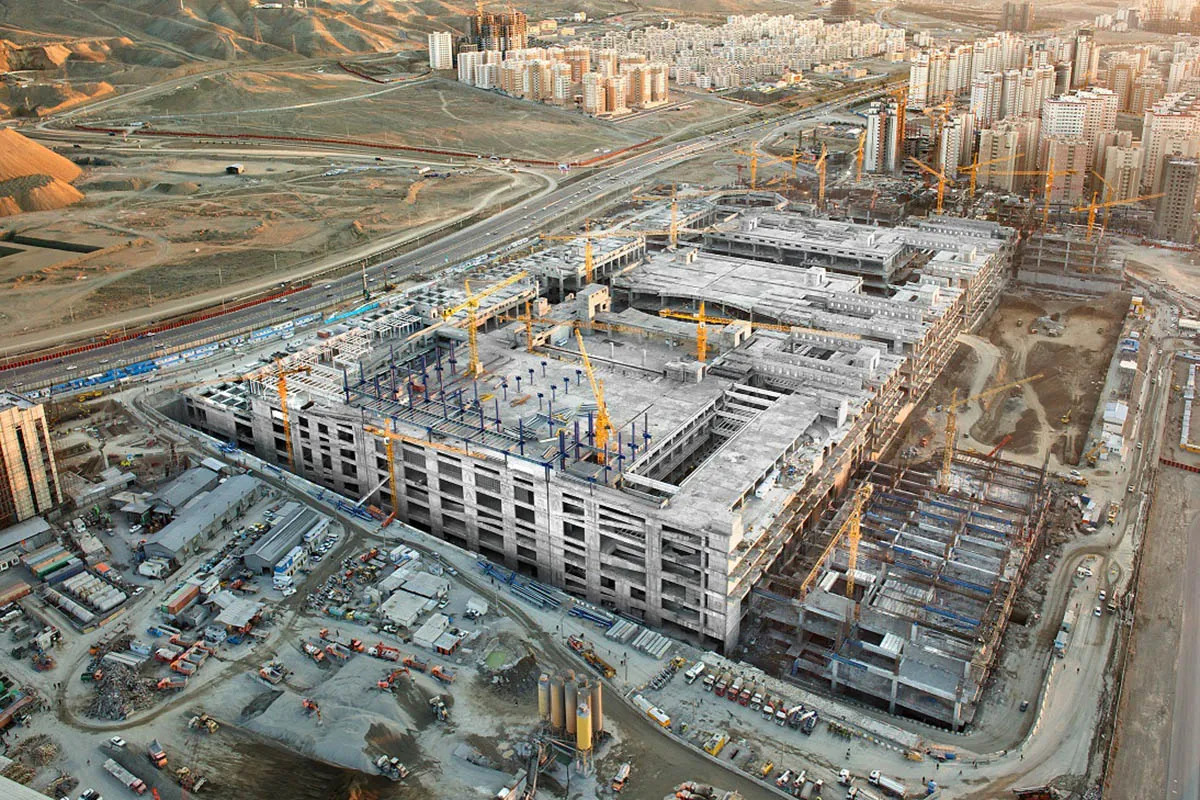
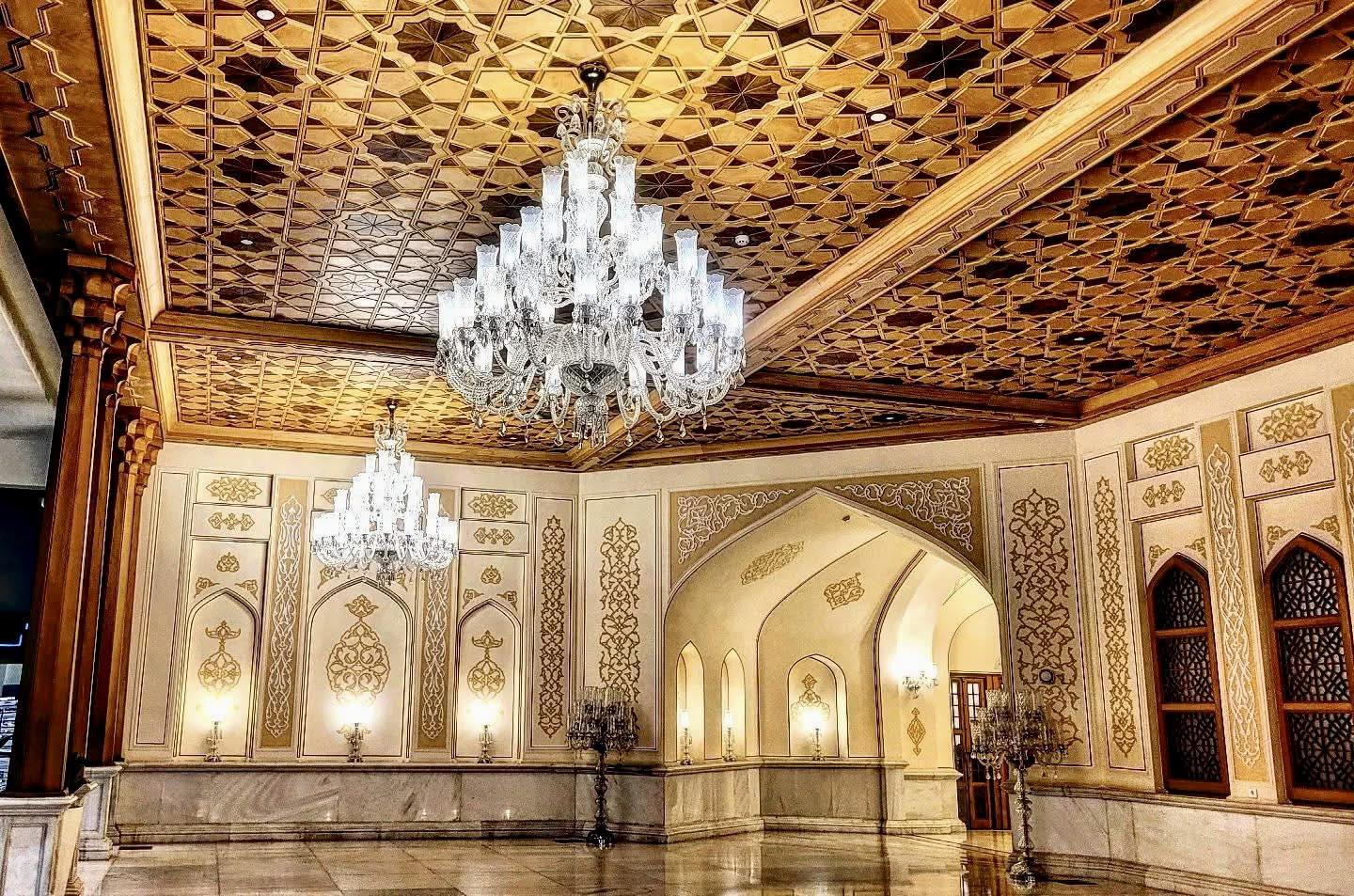
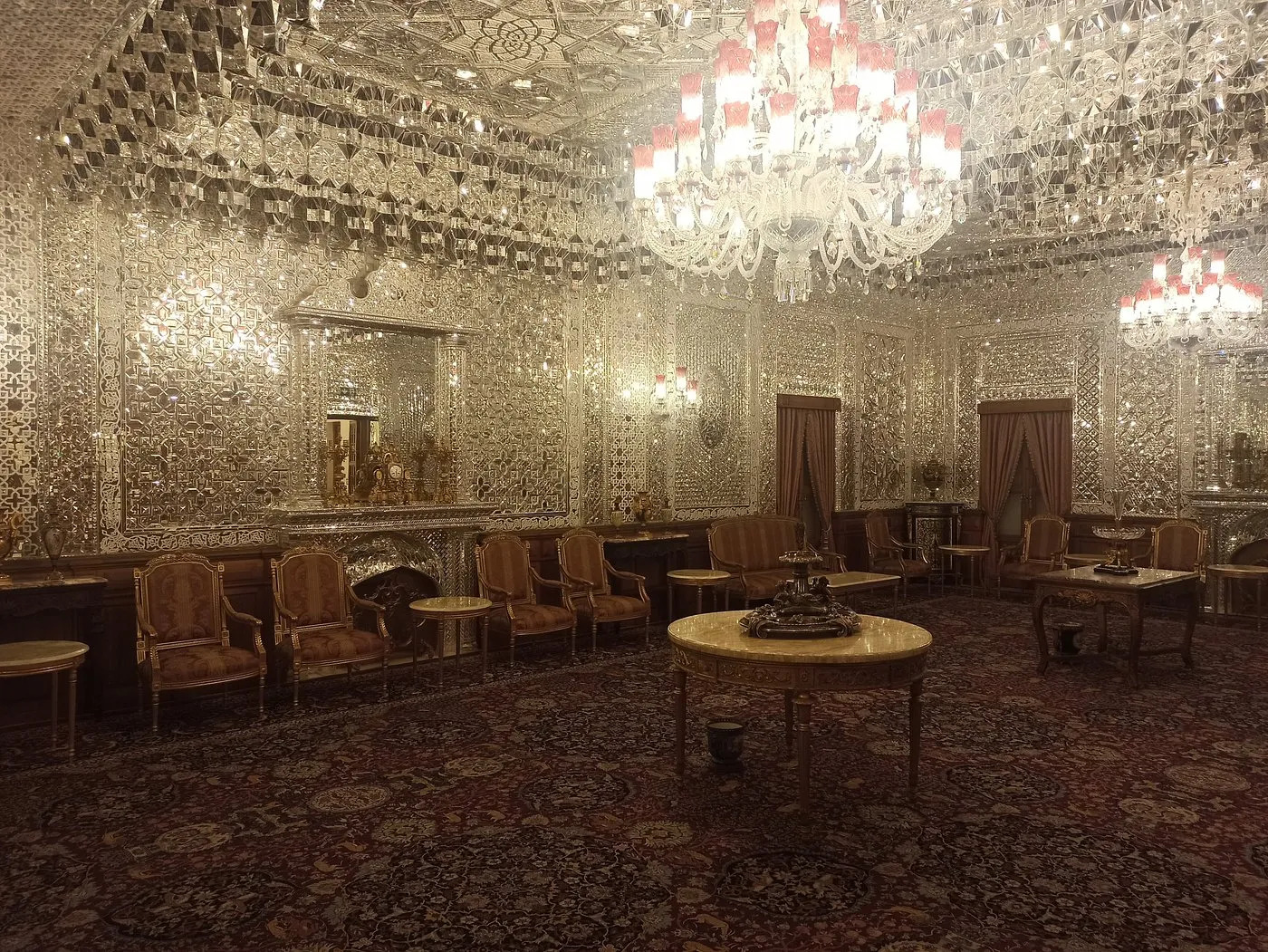
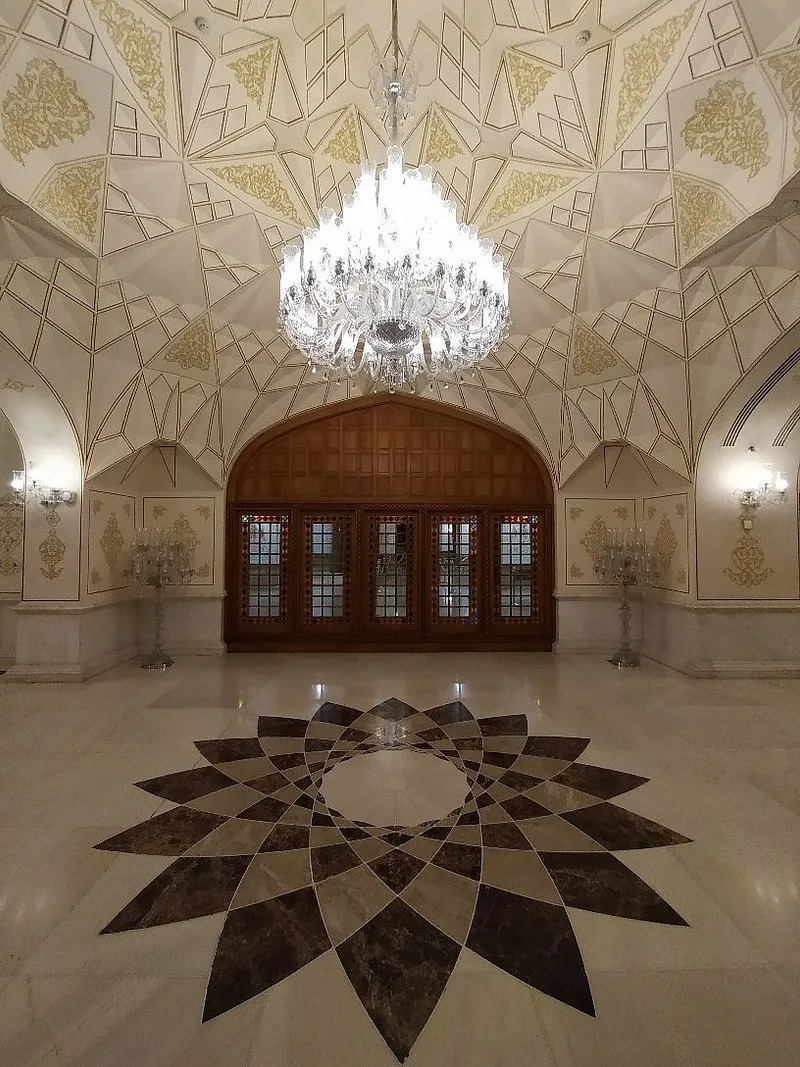
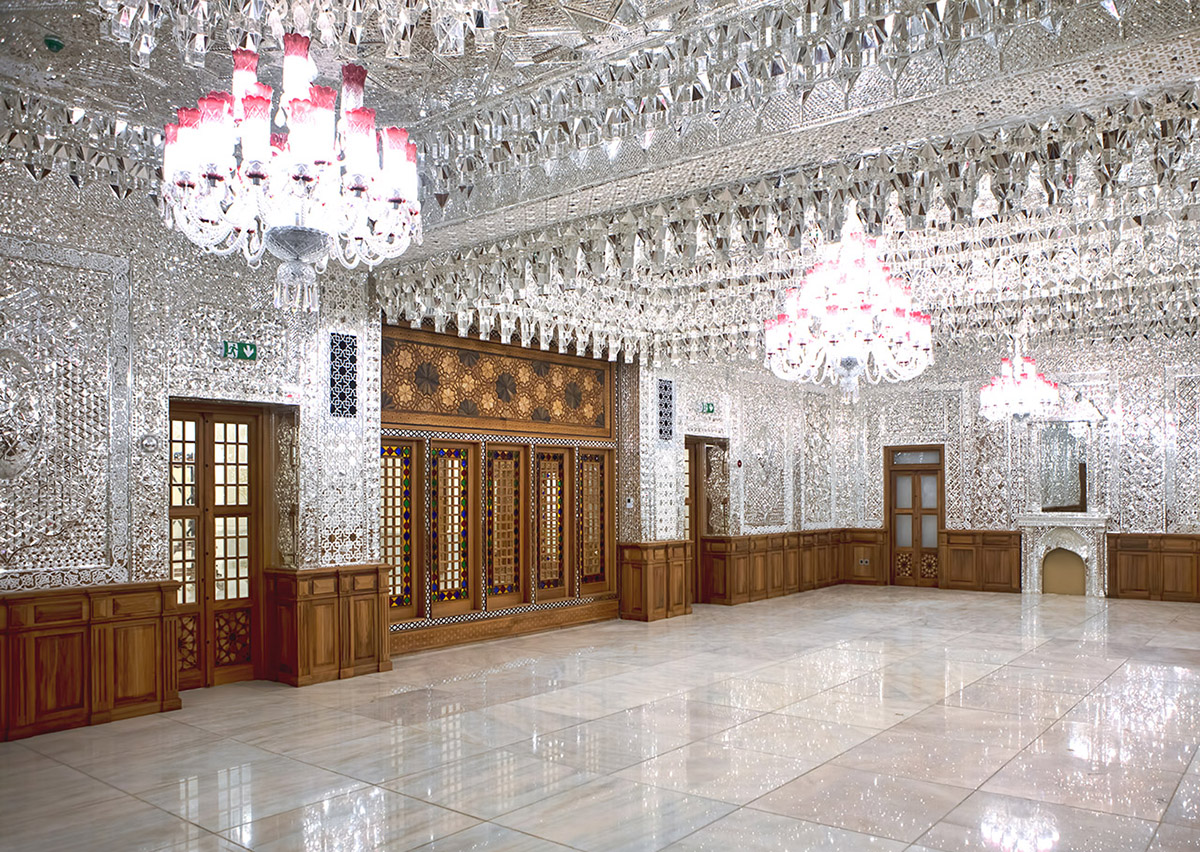
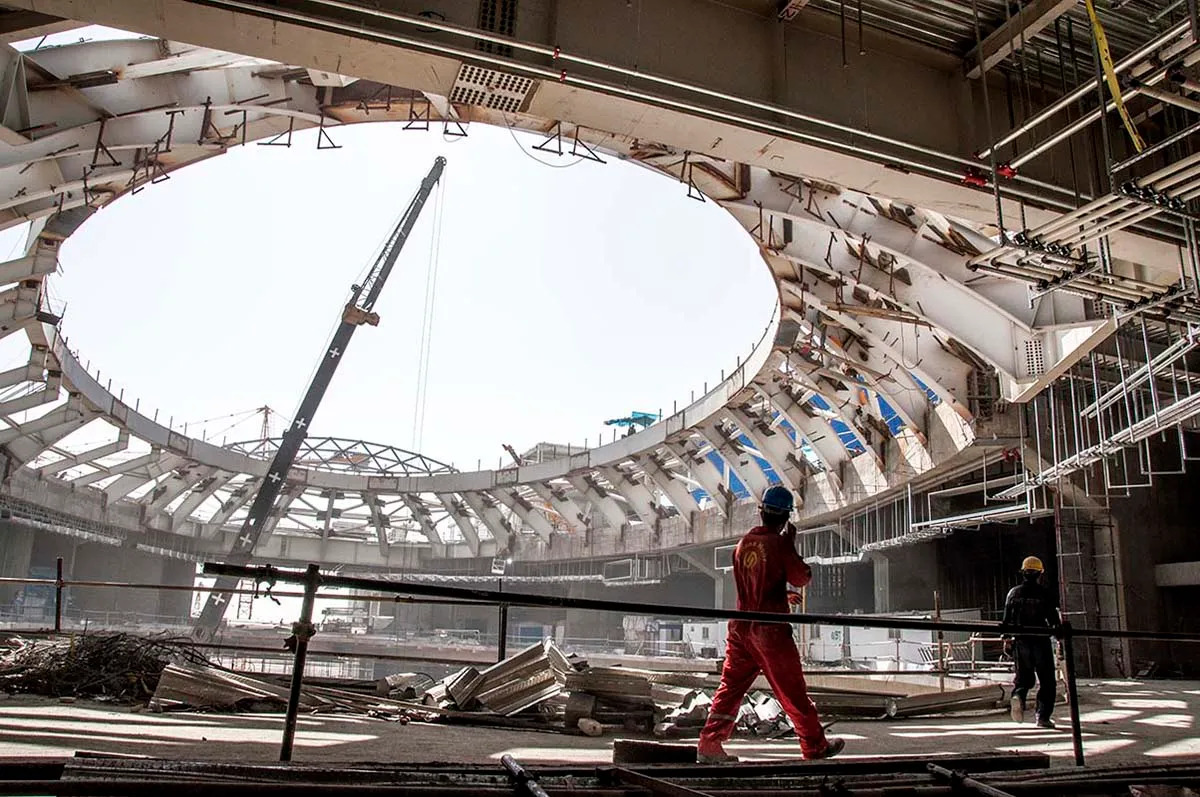
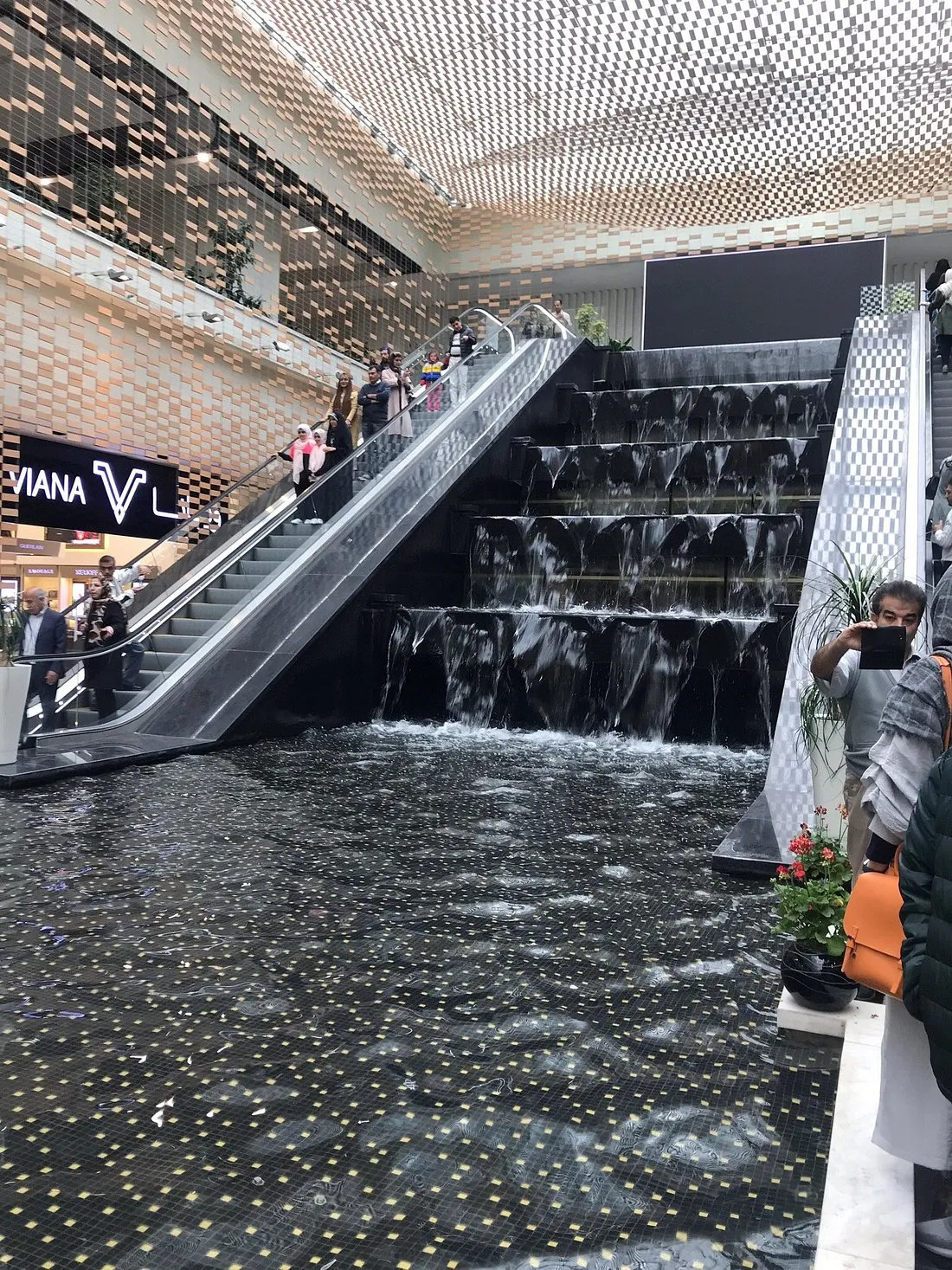
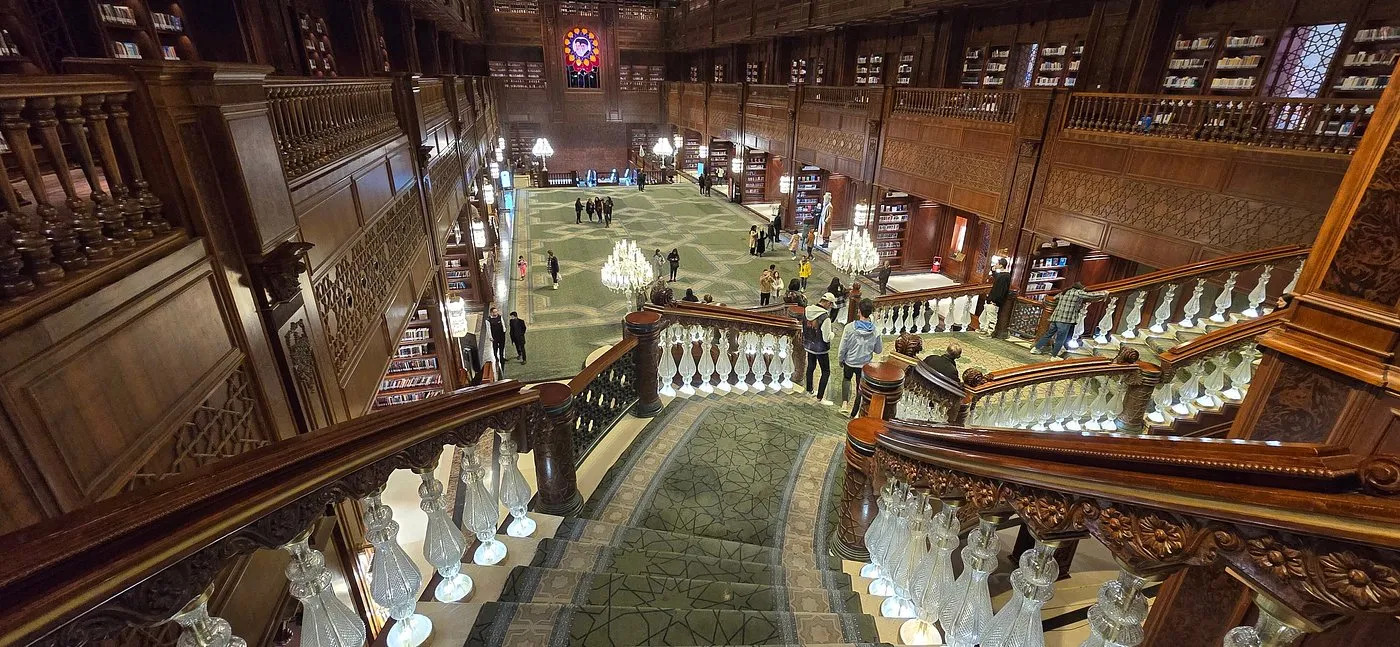
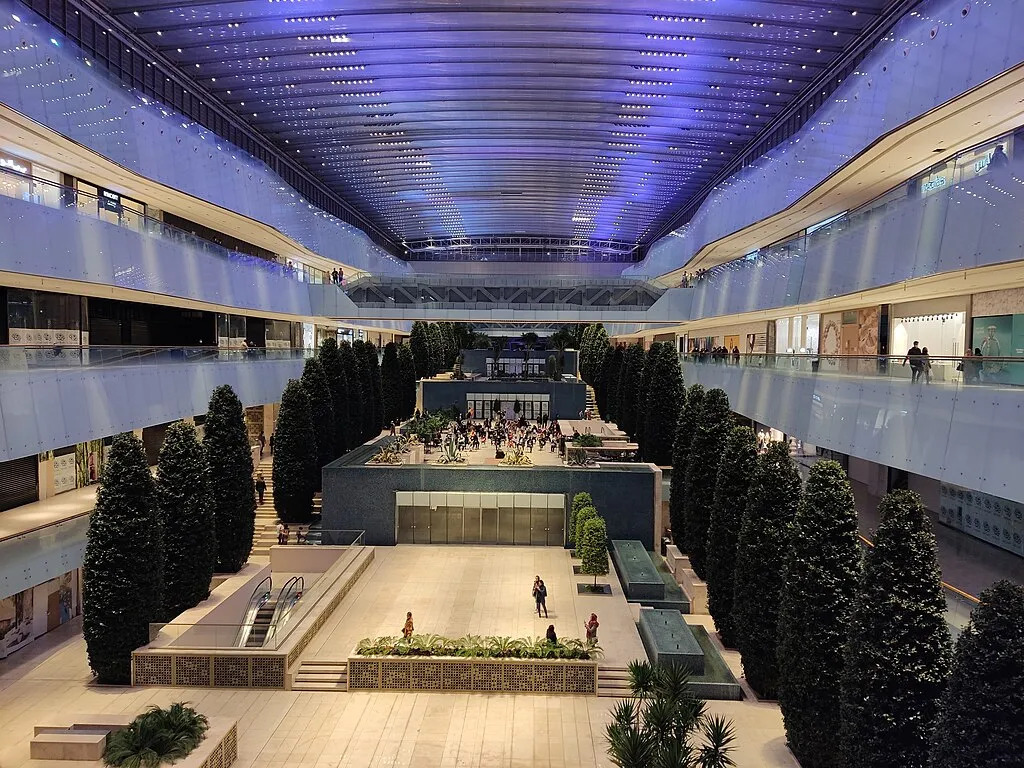
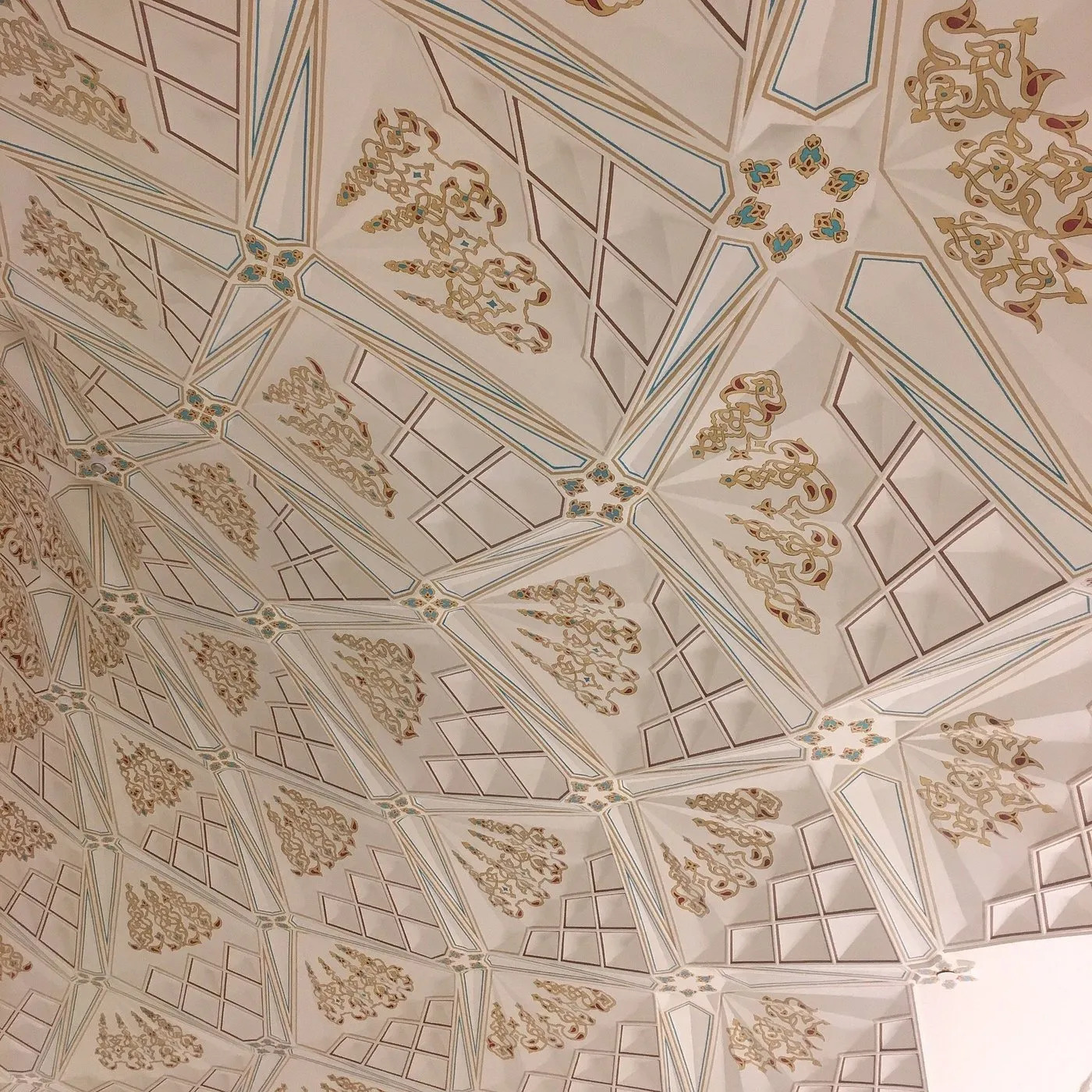
Table of Contents Show
When we think of the world’s largest shopping malls, Dubai and China often come to mind. However, the title of the biggest mall in the world now belongs to Iran Mall in Tehran, a sprawling complex that covers approximately 1.95 million square meters of total built area. This monumental structure represents far more than retail space, it stands as a cultural landmark that seamlessly blends traditional Persian architecture with contemporary design principles.
Situated in northwest Tehran near Chitgar Lake, Iran Mall opened its first phase on May 1, 2018, immediately claiming its position among the most ambitious mixed-use developments ever constructed. The complex was designed by Emarat Khorshid in collaboration with Canadian firm NORR, creating a space that honors Iran’s rich architectural heritage while meeting the demands of modern commercial development.
Iran Mall Size: Understanding the Scale of the World’s Biggest Mall
How big is Iran Mall? The numbers are staggering. The multi-purpose complex sits on a land area of 317,000 square meters and rises seven floors. Its infrastructure area in the first phase alone measures 1,350,000 square meters, with plans to expand to 1,600,000 square meters upon completion of all development phases. To put this in perspective, Iran Mall’s total area is equivalent to approximately 270 football fields, making it significantly larger than Dubai Mall’s 1.1 million square meters.
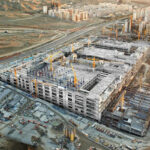
The construction of this massive complex involved over 1,200 contractors and 25,000 workers, resulting in a Guinness World Record for the longest continuous concrete pour. Between March 1 and 6, 2018, concrete was poured non-stop for six consecutive days, demonstrating the unprecedented scale of this architectural undertaking.
The gross leasable area spans approximately 267,000 square meters in the first phase, housing 708 retail units. When fully completed, the mall will accommodate over 1,000 stores, ranging from high-end fashion boutiques to electronics, sportswear, traditional handicrafts, and home décor. A 215,000-square-foot hypermarket anchors the retail experience, while specialized sections like the Fashion Avenue, Diamond Atrium, and Crystal Atrium cater to luxury shoppers.
Interior Iran Mall: Where Persian Heritage Meets Modern Design
The interior design of Iran Mall represents a masterful fusion of traditional Iranian craftsmanship and contemporary architecture. Unlike many modern shopping centers that prioritize efficiency over aesthetics, Iran Mall transforms every corridor into a celebration of Persian artistic traditions.
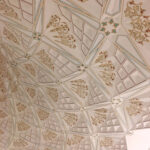
The architectural vision incorporates authentic Iranian elements using historical construction methods within a thoroughly modern structure. Visitors encounter intricate details throughout the complex, including specialized construction techniques such as Karbandi (geometric ceiling patterns), Yazdi-bandi (traditional tilework), Kaseh-sazi (dome construction), and decorative Eslimi and Khata-i paintings. These elements create an atmosphere that feels simultaneously ancient and contemporary.
The Traditional Bazaar: A Journey Through Persian Markets
Perhaps the most striking feature of Iran Mall’s interior is its Traditional Bazaar, known as Timcheh Haj Ali Akbar. This section draws direct inspiration from the historic covered markets of Isfahan, Kashan, Shiraz, Qazvin, and Qom. The bazaar was designed and built using historical patterns and construction methods that have defined Iranian marketplace architecture for centuries.
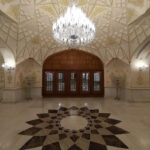
Walking through the Traditional Bazaar, visitors experience Muqarnas (honeycomb vaulting), intricate tilework, and detailed stucco decorations that transport them to another era. The space includes a main aisle, central dome, and Chahar Souq (four-way intersection), replicating the organizational principles of Iran’s most celebrated historical markets. This approach to retail design demonstrates how traditional architectural concepts can enhance modern commercial spaces.
The Mirror Hall: 38 Million Pieces of Reflected Light
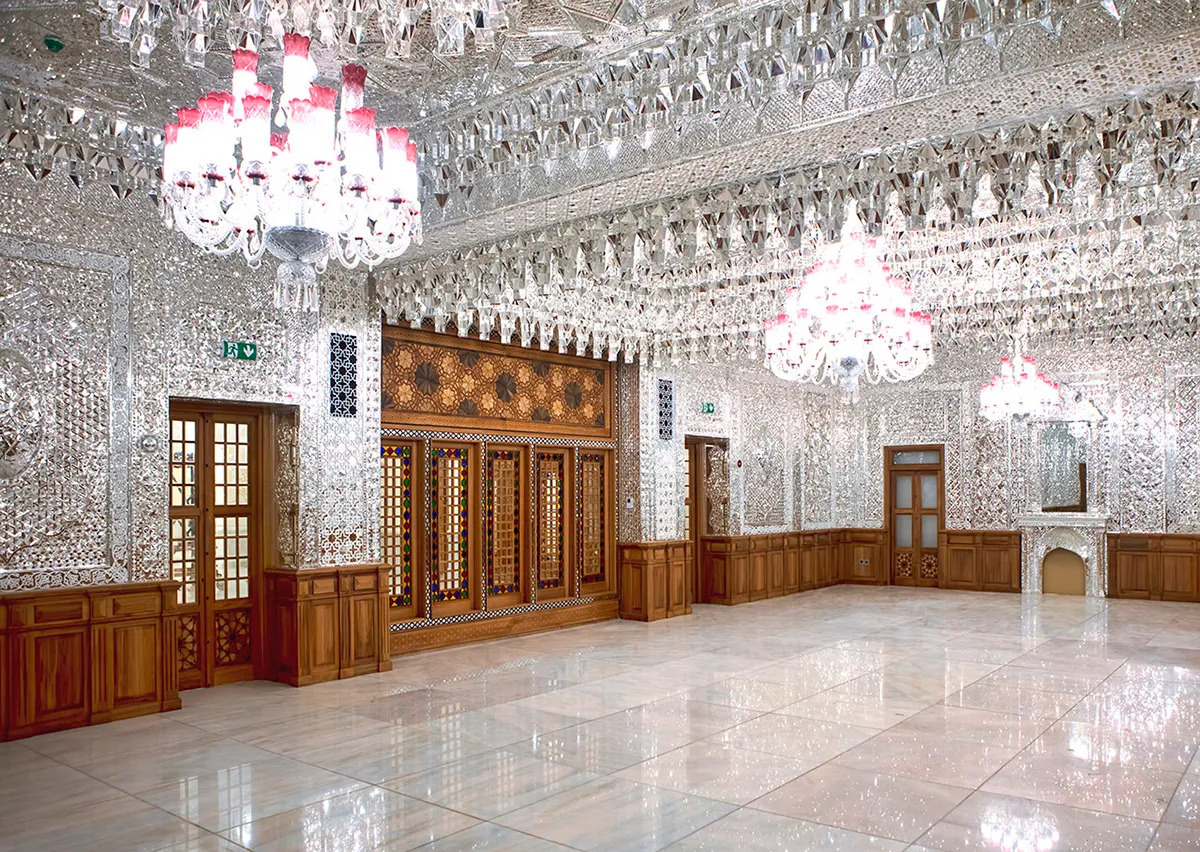
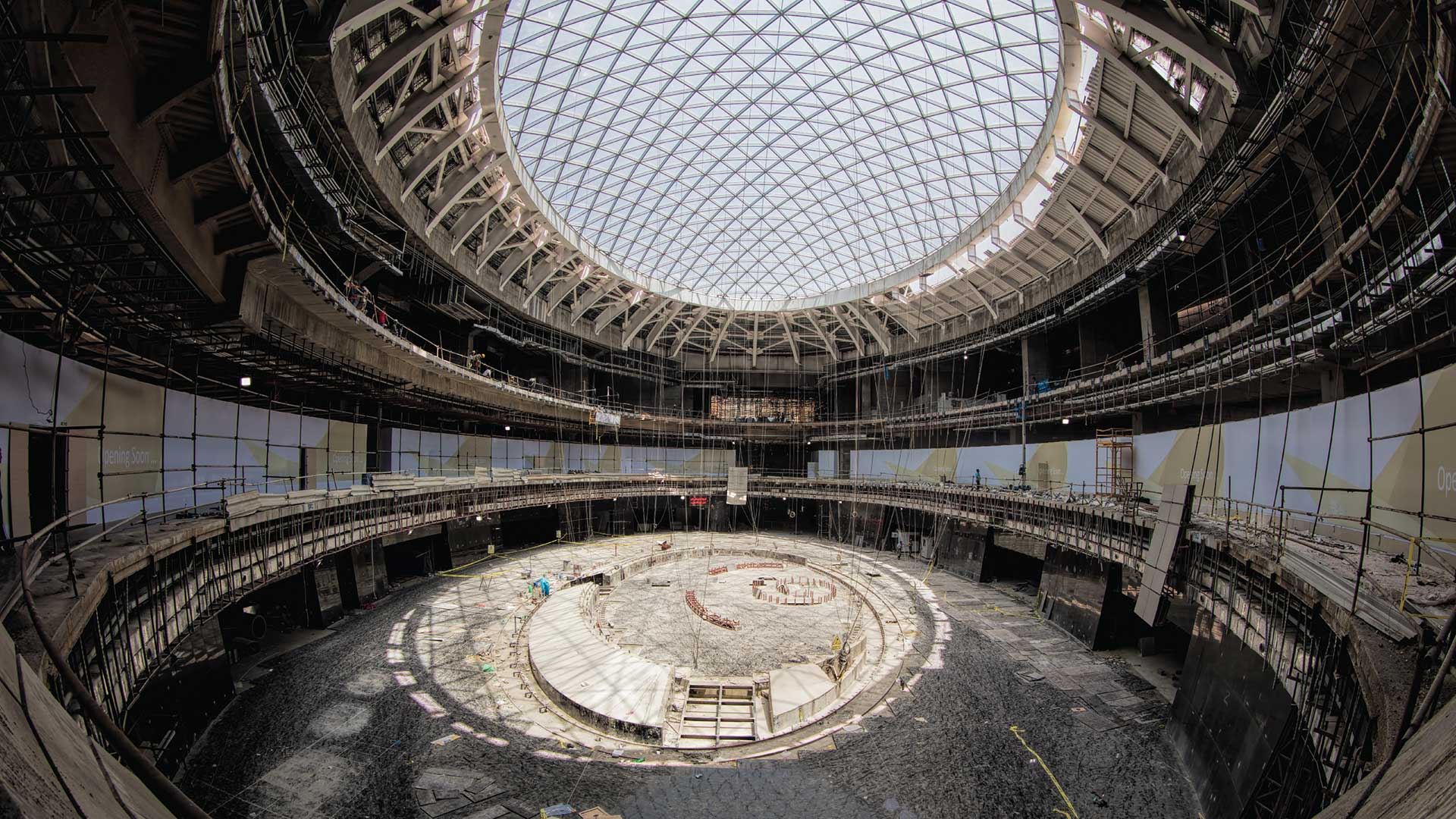
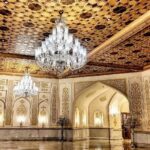
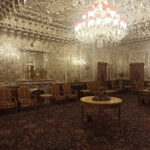
Iran Mall’s Mirror Hall stands as one of the most spectacular interior spaces in any shopping center worldwide. Inspired by the Mirror Hall in Golestan Palace, this stunning room features Ayeneh-kari (mirror work) decorations comprising over 38 million individual mirror pieces. Skilled Iranian craftsmen cut and arranged these tiny mirrors to create artistic symmetrical patterns that reflect light in mesmerizing ways.
The Mirror Hall represents centuries of Persian-Islamic decorative tradition, where mirrors have served as fundamental elements of architectural ornamentation. Combined with a 126-square-meter Persian carpet that echoes the ceiling motifs, the space creates breathtaking visual harmony between floor and ceiling.
Iran Mall Tehran: Cultural Attractions Beyond Shopping
What truly distinguishes Iran Mall from competitors like Dubai Mall is its commitment to cultural programming. The complex functions as much as a cultural destination as a retail center, housing numerous facilities dedicated to arts, education, and heritage preservation.
Jondishapour Library: A Monument to Persian Scholarship
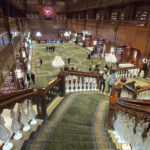
Named after the ancient Jondishapur University, one of the most significant centers of learning in the ancient world, the Jondishapour Library occupies three floors within Iran Mall. This magnificent space houses over 67,000 volumes of books, manuscripts, and historical documents, making it one of the largest libraries situated within a commercial complex globally.
The library’s architecture blends European classical design elements with Iranian naming conventions and decorative traditions. Fine wood paneling, elegant reading areas, and statues honoring three influential figures in Persian history create an atmosphere of scholarly contemplation. Opinion polls consistently rank the library among visitors’ favorite sections, attracting thousands of daily visitors who come not to shop but to immerse themselves in Iran’s intellectual heritage.
Persian Gardens: Didar and Mahan Gardens
The concept of the Persian Garden, a UNESCO-recognized heritage tradition, plays a central role in Iran Mall’s design philosophy. Two main garden areas, Didar Garden and Mahan Garden, bring natural elements into the commercial environment, creating spaces of tranquility amid the bustling retail activity.
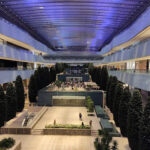
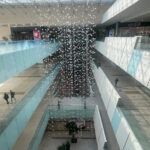
Didar Garden features a 14-meter glass roof decorated with fountains and palm trees, offering visitors a genuine connection to nature. Mahan Garden, measuring approximately 50 meters wide and 170 meters long, covers about 16,000 square meters across three floors. Based on the historical Mahan Garden in Kerman, this space incorporates traditional Persian garden principles: symmetry, flowing water, and carefully selected plantings that symbolize paradise on Earth.
Iran Mall vs Dubai Mall: Comparing the World’s Largest Shopping Centers
The comparison between Iran Mall and Dubai Mall reveals fundamental differences in approach to mega-mall development. While Dubai Mall, covering approximately 1.1 million square meters, held the title of world’s largest mall for years, Iran Mall has surpassed it by a significant margin.
Dubai Mall excels in attracting international tourists, welcoming over 80 million visitors annually. Its connection to the Burj Khalifa, world-famous aquarium, and Olympic-sized ice rink have made it a global destination. The mall features over 1,200 stores, 20+ cinema screens, and more than 100 restaurants.
Iran Mall, while receiving fewer international tourists due to geopolitical factors, compensates with unmatched cultural depth and architectural significance. The Tehran complex offers 12 IMAX cinemas, a 2,000-seat theater, multiple art galleries, an on-site museum, and the remarkable library. Its food courts, featuring over 200 restaurants and cafes across four distinct areas, celebrate both international cuisine and traditional Iranian gastronomy.
From an architectural perspective, Iran Mall’s integration of traditional Persian design elements creates a unique identity that Dubai Mall’s more generic international luxury aesthetic cannot match. The Traditional Bazaar alone represents an investment in cultural authenticity that has no equivalent in other major shopping centers worldwide.
Iran Mall Food Court and Entertainment Facilities
Entertainment options at Iran Mall extend far beyond typical mall offerings. The cinema complex on the west side comprises 12 halls, including nine public theaters and three special screening rooms. A dedicated cinema café allows visitors to enjoy refreshments before or after their films. The 2,000-seat theater hall hosts cultural performances, concerts, and special events throughout the year.
Sports and Recreation Complex
Iran Mall’s sports facilities rival dedicated athletic centers. The Ice Track, located on the east side, spans 3,600 square meters and hosts skiing activities and ice hockey matches. A modern squash complex features four advanced courts, while the rooftop multipurpose stadium accommodates various sports and non-sporting events.
The complex includes a 1.6-kilometer wellness road accessible 24 hours daily, a sports medicine clinic with aquatic therapy facilities, and a full-service fitness center with an organic restaurant. These amenities transform Iran Mall from a shopping destination into a comprehensive lifestyle center.
The Musical Fountain: Symphony of Water and Light
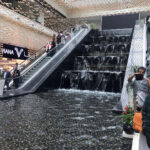
Stretching from the east to west wings, Iran Mall’s musical fountain creates a symphony of water, music, and motion. Covering 14,000 square meters, this spectacular installation features fountains choreographed to musical compositions, creating dancing water displays visible from all floors of the building. The fountain has become one of the mall’s most photographed features, attracting visitors who come specifically to witness the performances.
When Was Iran Mall Built? Timeline and Development
The vision for Iran Mall originated around 2000, conceived by Iranian banker and entrepreneur Ali Ansari. His goal was to create an iconic, practical, world-class commercial complex that would draw international attention to Iran’s capabilities in executing large-scale projects.
Construction began in early 2012, though the massive scale meant that the project required years of continuous work. The first phase opened on May 1, 2018, with 267,000 square meters of gross leasable area and 708 retail units immediately available. The mall earned recognition from RLI (Retail & Leisure International) as the best-anticipated shopping mall and participated in MAPIC, the international retail property market conference, from 2015 to 2017.
Ongoing Development and Future Plans
Development continues on several major components. The Iran Mall Hotel, an 18-floor structure with over 300 rooms, is nearing completion in the easternmost section of the complex. A World Trade Center tower on the west wing will accommodate national and international companies upon completion. The exhibition center, covering 45,000 square meters across five floors, already hosts major events and is positioned to become the largest exhibition venue in the region.
Who Owns Iran Mall? Ownership and Management
Iran Mall is owned by Ayandeh Bank, one of Iran’s financial institutions. The original concept and ongoing development leadership comes from Ali Ansari, who serves as chief executive of the construction project. His entrepreneurial vision has guided the project from conception through its current expansion phases.
The Iran Mall Commercial Company (IMCC) manages daily operations and serves as the preferred partner for foreign companies seeking to establish presence in the Iranian market. Despite international sanctions affecting some business relationships, the mall has successfully attracted domestic brands and adapted to market conditions by featuring many “Made in Iran” products.
Is Iran Mall the Biggest Mall in the World? Setting Records Straight
By total built area and gross floor space, Iran Mall holds the title of world’s largest shopping mall. Its approximately 1.95 million square meters of total area surpasses all competitors. However, shopping mall rankings can vary depending on measurement criteria.
When measured by gross leasable area (GLA), the space actually available for tenant use, New South China Mall in Dongguan, China claims the top position with 600,000 square meters. Iran Mall’s GLA of approximately 300,000 square meters ranks lower by this metric.
This distinction matters because Iran Mall dedicates enormous space to non-retail functions: libraries, gardens, cultural facilities, sports amenities, and public gathering areas. The mall’s designers intentionally sacrificed maximum retail density to create a more comprehensive, culturally rich environment. Whether this represents superior architectural vision or commercial inefficiency depends on one’s perspective on what shopping centers should achieve.
Visiting Iran Mall: Practical Information
Iran Mall Tehran operates from 10 AM to 11 PM during the first half of the year and 10 AM to 10 PM during the second half. The complex is located in District 22 of northwest Tehran, near Chitgar Park and easily accessible via the Hemmat West and Shahid Kharrazi highways.
Parking facilities accommodate over 20,000 vehicles, with multiple entrance points serving different sections of the complex. The mall’s location near Tehran’s West Airport and major expressways makes it accessible for visitors from across the greater Tehran metropolitan area and neighboring Karaj.
For architects, designers, and students interested in studying the intersection of traditional craftsmanship and modern commercial architecture, Iran Mall offers invaluable lessons. The complex demonstrates how cultural identity can be preserved and celebrated within contemporary development frameworks, a consideration increasingly relevant as global commercial architecture seeks greater authenticity and local connection.
Iran Mall Photos: Visual Documentation of Architectural Excellence
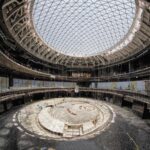
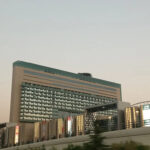
Photographs of Iran Mall consistently highlight its architectural distinctiveness. The contrast between gleaming modern retail spaces and traditional bazaar corridors creates visual narratives found nowhere else in commercial architecture. The Mirror Hall’s reflective geometry, the library’s classical proportions, and the gardens’ green tranquility offer endless subjects for architectural photography.
Social media has played a significant role in spreading awareness of Iran Mall internationally. Foreign tourists and influencers who visit frequently share content expressing amazement at the grandeur and design quality. These visual testimonials have helped establish Iran Mall as one of Iran’s new faces in the tourism sector, despite the country’s limited visibility in mainstream travel media.
Iran Mall represents a bold statement about what shopping centers can become when cultural ambition matches commercial investment. As retail environments worldwide struggle to compete with e-commerce, Iran Mall suggests that the answer may lie not in more efficient shopping but in creating destinations that offer irreplaceable experiences rooted in place, history, and architectural craft.





Famous Buildings in Los Angeles: Icons of LA Architecture
Nine of the most famous buildings in Los Angeles profiled: architect, year,...
 illustrarch Editoral Team9 Mins read
Futuro House Production Revived in Finland After Decades-Long Hiatus
A Facebook listing for abandoned moulds led to the first new Futuro...
illustrarch Editoral Team3 Mins read
Building Your Dream Home in NSW: What You Should Know About Montgomery Homes
Montgomery Homes has been building across Sydney, Newcastle, the Hunter, Wollongong and...
illustrarch Editoral Team4 Mins read
Designing a Home Theater: Where Drapery Fits Into the Plan
In a media room the curtains are a performance layer, not decoration....
illustrarch Editoral Team3 Mins read


Leave a comment