

Top Roof Architecture Trends: Climate Specific Roofing Designs
From classic gabled roofs to innovative cool roofs and green roofing systems, climate specific roofing designs are transforming how architects and homeowners approach building envelopes. This guide covers trending roof styles, sawtooth, vaulted, gambrel, single pitch, and flat, alongside regional climate strategies for Ohio, Alaska, Florida, and beyond.
 Bahattin Duran1 January 20266 Mins read583
Table of Contents Show
Roof architecture says a lot about a building, and when it comes to climate specific roofing designs, the stakes are even higher. There’s a reason why homes are typically drawn with the traditional gabled roof. Roofing makes a statement about a building’s design and plays a role in its function, cooling capabilities, and load bearing. Classic roof architecture continues to be popular due to tried and true durability, but some new, contemporary roofing designs are fighting for the top spots. Because the roof, siding, windows, flashing, and drainage systems all work together, homeowners often benefit from using one experienced contractor for their roofing and exterior restoration services. From energy-efficient cool roofs to hurricane-resistant hip designs, architects today are tailoring roof forms to regional weather patterns more than ever before. This guide analyzes some of the most popular trends in today’s roofs and explores how climate shapes every decision from pitch to material.
Sawtooth
Sawtooth roofs comprise jagged ridges that connect to form a ‘sawtooth’ shape. There are usually windows on the steeper ends of the ridges to allow more natural light into the building. This type of roofing is common with architecturally unique commercial or industrial buildings rather than residential homes. Sawtooth roofs make quite a statement, and while their lighting capabilities aren’t necessary anymore, they’re eco-friendly and perfect for modern buildings that wish to use more natural light. Metal is a great and standard material for sawtooth roofing. In temperate and mild climates, sawtooth designs also support natural ventilation, reducing dependency on mechanical cooling systems, a practical example of how roofing system innovations blend form with function.
Vaulted
A vaulted roof utilizes self-support to create an arch at the top. These arches can be pointed, curved, and more, allowing for a lot of unique versatility in their design. The most notable form of vaulted roofs, barrel vaults, form a curved, rounded arch and date back to Ancient Sumeria and Egypt. There are many types of vaults; depending on the type, they often create a majestic or rustic look.

Green Roofing
While green roofing isn’t a particular roof shape, it’s noteworthy for its increasing popularity. Green roofs allow vegetation to grow into a small rooftop garden, providing an eco-friendly contribution to home design. Vegetated or ‘living’ roofs also look quite pleasing in design. Typically, green roofing consists of a flat, ballasted roof with a waterproof membrane to protect the home it sits on. According to the U.S. Environmental Protection Agency, green roof surfaces can be up to 56°F cooler than conventional rooftops, making them an outstanding climate specific roofing design for urban areas battling the heat island effect. For a deeper look at how living roofs integrate with broader architectural roofing systems, sustainable layering and proper drainage design are essential considerations.
Free Online Roof Pitch Calculator
Use this free roof pitch calculator to determine the pitch, angle, rafter length, and slope of your roof. Simply enter your measurements below and get instant results with material recommendations suitable for your roof's pitch category. Perfect for architects, contractors, builders, and homeowners planning roofing projects. Framing Square Settings: Tongue (Rise): - Blade (Run): 12"Enter Rise and Run
Enter Pitch and Run
Enter Angle and Run
Enter Rafter Length and Run
Roof Type
Pitch Category
Recommended Roofing Materials
Rafter Cut Angles
Roof Area Calculator
Common Roof Pitches Reference
Pitch (X:12)
Angle
Percent
Multiplier
Category
Common Use
1:12
4.76°
8.33%
1.003
Flat Roof
Flat roofs with membrane
2:12
9.46°
16.67%
1.014
Flat Roof
Minimum for drainage
3:12
14.04°
25.00%
1.031
Low Slope
Low-slope shingles, metal
4:12
18.43°
33.33%
1.054
Conventional
Minimum for most shingles
5:12
22.62°
41.67%
1.083
Conventional
Common residential
6:12
26.57°
50.00%
1.118
Conventional
Very common residential
7:12
30.26°
58.33%
1.158
Conventional
Popular aesthetic choice
8:12
33.69°
66.67%
1.202
Conventional
Classic look, good drainage
9:12
36.87°
75.00%
1.250
Steep Slope
Excellent water shedding
10:12
39.81°
83.33%
1.302
Steep Slope
Steep, extra fastening needed
11:12
42.51°
91.67%
1.357
Steep Slope
High pitch, special materials
12:12
45.00°
100.00%
1.414
Steep Slope
45° angle, A-frame style
14:12
49.40°
116.67%
1.537
Very Steep
Victorian architecture
16:12
53.13°
133.33%
1.667
Very Steep
Gothic, Victorian styles
18:12
56.31°
150.00%
1.803
Very Steep
Decorative steep roofs
Gambrel
‘Barn’ roofing is what we usually picture when gambrel roofs are mentioned. Surely enough, gambrel roofs, also known as Dutch roofs, have two symmetrical sides that slope downward. They typically have three vertices at the top where the two sides meet, forming a pentagon top instead of a triangular top. The slopes are superb for snowy and rainy climates, as the design reduces accumulation. Gambrel is quite similar to mansard-type roofing, but gambrel allows more headspace for barns or attic spaces. This makes gambrel roofs a time-tested example of climate specific roofing designs developed for regions with heavy precipitation.
Single Pitch
If you’ve ever seen a roof with only one ‘pitch’ (angle), it’s likely a single-pitch roof. These roofs provide a unique asymmetrical look that is popular with modern homes lately. The roof peaks in one corner and slopes dramatically downward to the other side instead of peaking in the middle like most pitched roofs. They’re ideal for snow and rain to fall off, similar to gambrel roofing. They also look pretty cool! In hot, arid climates, a single-pitch roof can be oriented to maximize shade on south-facing walls, further reducing indoor temperatures and energy costs.
Gabled
Originating in Ancient Greece, there’s a reason gabled roofing is so standard, particularly in residential homes. Gabled roofs slope upward to form a single point at the top. Most people would refer to these as a ‘traditional’ roof for a European or North American home. The roof’s gable (side of the house that closes the roof shape) can face in any direction. Gable designs excel in cold and wet climates by encouraging snow and water runoff, though they may require reinforcement in hurricane-prone regions due to wind uplift vulnerability. Understanding the essential role of roofing in architecture helps homeowners choose the right pitch and material for their specific environment.
Flat Roofing
Flat roofs are only practical with specific roofing materials, as they can quickly gather water, snow, and debris. Rubber and metal roofing with steps can easily accommodate a flat roof shape, as they can handle and even repel water. Flat roofs are more common for industrial or commercial buildings, but they are growing popular in modern home designs, particularly modular or shipping container homes. In hot, dry climates, flat roofs serve double duty as platforms for solar panel arrays and rooftop garden installations, combining sustainability with practical climate adaptation.
Climate-Proof Roofing: Designing for Regional Weather
Roofing architecture is stepping up its game to meet buildings’ increasing need for climate resistance. From solar panel roofing to ‘cool’ roofs, many architects are implementing eco-friendly, cooling features in their roof designs. A roof design that can accommodate solar panels, metal, rubber, or cooling features is a huge bonus. Climate varies from state to state, so climate specific roofing designs may perform very differently depending on location. The U.S. Department of Energy notes that reflective cool roofs can stay more than 50°F cooler than conventional rooftops under the same conditions, significantly reducing cooling costs. Below are some varying climates to consider.
Ohio
Ohio has a versatile climate with sweltering summers, snowy winters, and intense storm seasons. It’s not unusual to see a decent amount of humidity and wind during certain parts of the year. Roofing contractors in Dayton, OH and other larger cities are seeing an increase in solar panels, metal, and rubber for their roofing projects. Metal is known for its versatility and durability in a wide variety of climate conditions, with properly installed metal roofing lasting 40 to 70 years even through harsh freeze-thaw cycles.

Alaska
Due to its location in the upper northwest, Alaska experiences little heat. Alternatively, this state sees mostly blistering cold, ice, wind, and snow. Due to its position on Earth’s axis, Alaska goes for long periods of time without sunlight. Solar panels are still popular here, but panels will require excess storage during sunless times. Rubber and metal roofing are highly durable against snow, and flatter roofing isn’t as popular to avoid snow accumulation. Steep-pitched roofs remain the standard climate specific roofing design in Alaska, encouraging snow to slide off rather than building up and risking structural damage from excessive snow loads.
Florida
Florida is incredibly humid and hot throughout most of the year, with mild winters that see no snow. Hurricanes are quite common here, as it is a peninsula right in the path of most Atlantic hurricanes. Due to Florida’s semitropical climate, roofing architecture should be able to withstand high heat, humidity, rain, and wind speeds. Hip roof designs, which slope on all four sides, are especially popular in Florida because their aerodynamic shape reduces wind uplift during storms. Combined with impact-resistant materials like concrete tiles or coated metal, these roofs represent some of the most effective climate specific roofing designs for hurricane-prone areas.
How Climate Shapes Roof Material Selection
Beyond architectural style, the materials chosen for a roof must align with local weather demands. In hot climates, reflective coatings and light-colored surfaces reduce heat absorption by reflecting solar radiation, a principle central to the growing cool roof movement. In cold regions, materials with strong insulation properties and resistance to freeze-thaw cycles, such as slate or architectural asphalt shingles, provide long-term protection. Humid and tropical environments call for moisture-resistant options like coated metal or clay tiles that resist mold growth and channel water efficiently. Understanding how climate influences roofing system selection ensures both durability and energy savings across the lifespan of the building.
The Future of Climate-Adaptive Roof Architecture
As extreme weather events become more frequent globally, the demand for climate-responsive roof design continues to grow. Innovations such as solar-integrated shingles, advanced waterproofing membranes like EPDM and TPO, and modular green roof systems are redefining what roofs can accomplish. Smart roofing technologies equipped with sensors can now monitor structural health and thermal performance in real time. For architects and homeowners alike, investing in climate specific roofing designs is no longer optional, it is essential for building resilience, reducing energy consumption, and protecting long-term property value. Whether you are building new or retrofitting an existing structure, matching your roof’s form and materials to your regional climate is the single most impactful decision you can make for your building envelope.


2 Comments


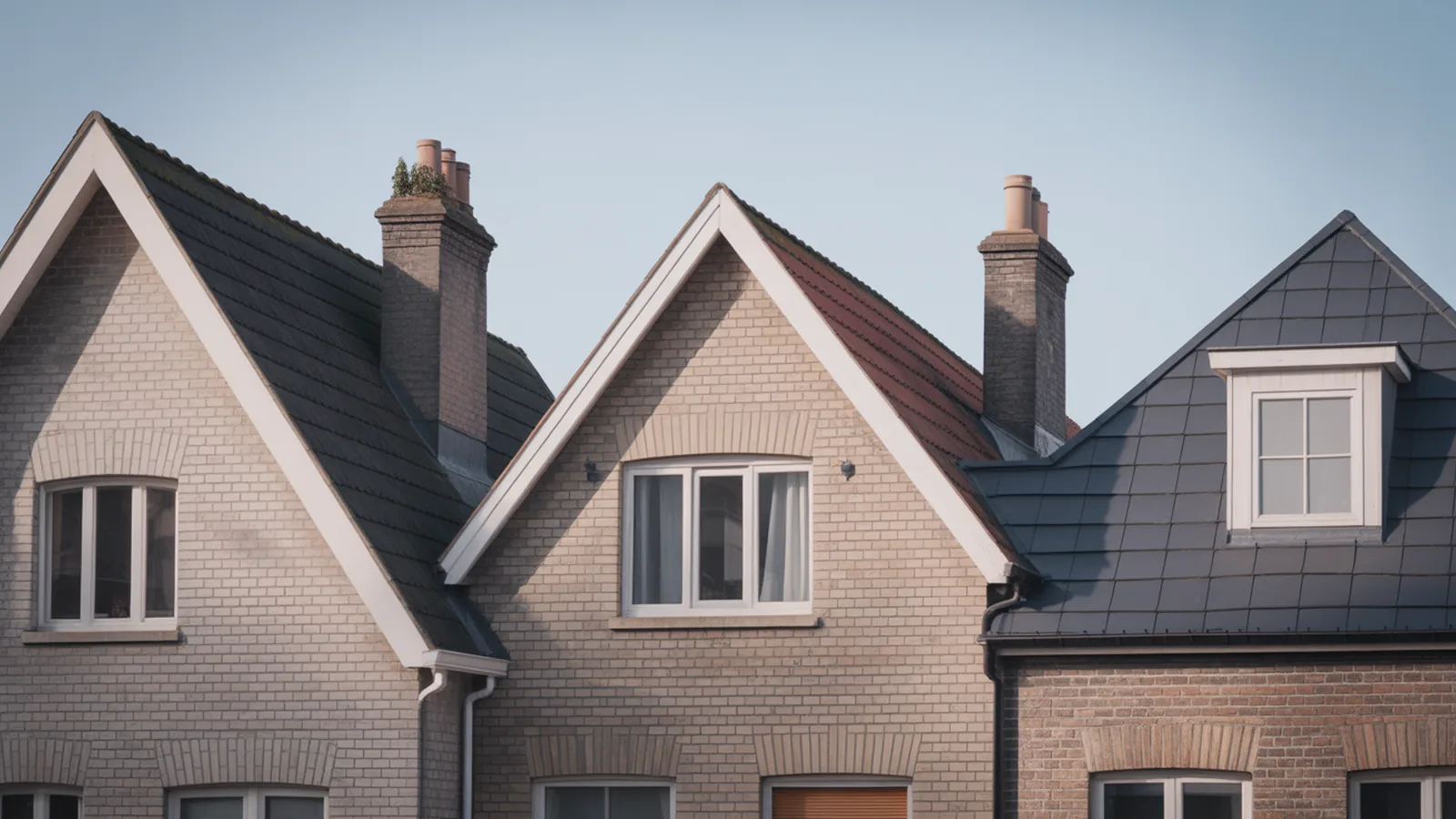
Types of Roofs: The Complete Guide to Shapes, Styles and Materials
An overview of the most common roof shapes (gable, hip, flat, mansard,...
 illustrarch Editoral Team12 Mins read
Anatomy of a Wet-Climate Roof: The Engineering Behind High-Performance Roofing
How high-performance roofing protects homes in wet climates: multi-layer systems, flashing, ventilation...
Bahattin Duran3 Mins read
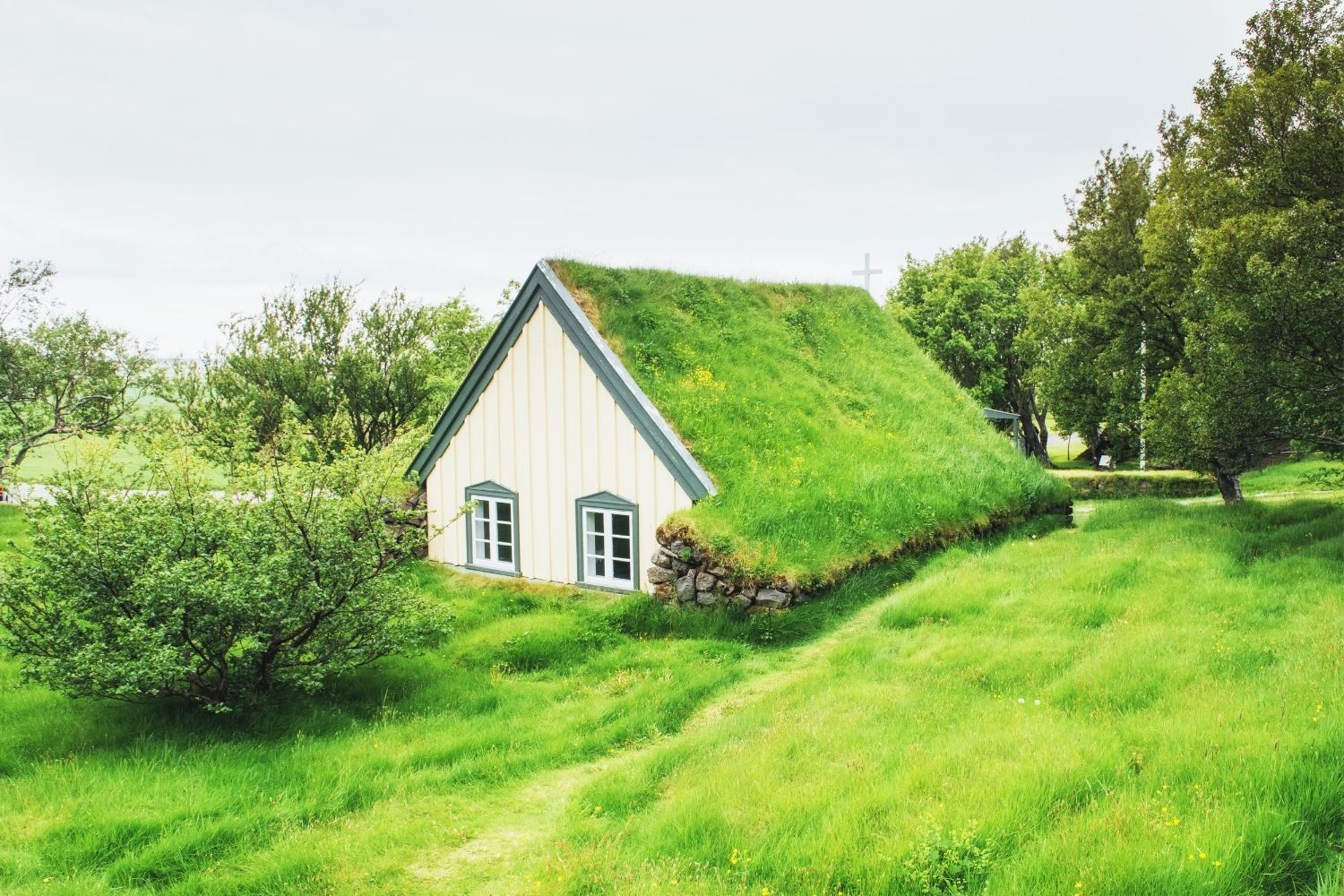
Benefits of Green Roofing vs Solar Roof: Which Performs Better in Urban Buildings?
Green roof or solar roof? In dense city buildings, the two systems...
 Furkan Sen8 Mins read
How to Select the Most Reliable Shelter Installation Team
Selecting a reliable shelter installation team involves defining project specifications, vetting credentials,...
Bahattin Duran3 Mins read


The article talks about different roof styles. Some roofs look nice and can help with cooling. I think it’s interesting.
I learned about sawtooth and gabled roofs from this post. It’s good to know how they can help with weather.