

Frank Gehry, Visionary Architect, Passes Away at Age 96, A Reflection on His Legacy
Frank Gehry died on December 5, 2025 at his home in Santa Monica, California, after a brief respiratory illness. He was 96 years old.His death marks the loss of one of the most imaginative and influential architects of the modern era, a designer whose work helped redefine what architecture could be: expressive, sculptural, and deeply evocative.
 Furkan Sen6 December 20253 Mins read266
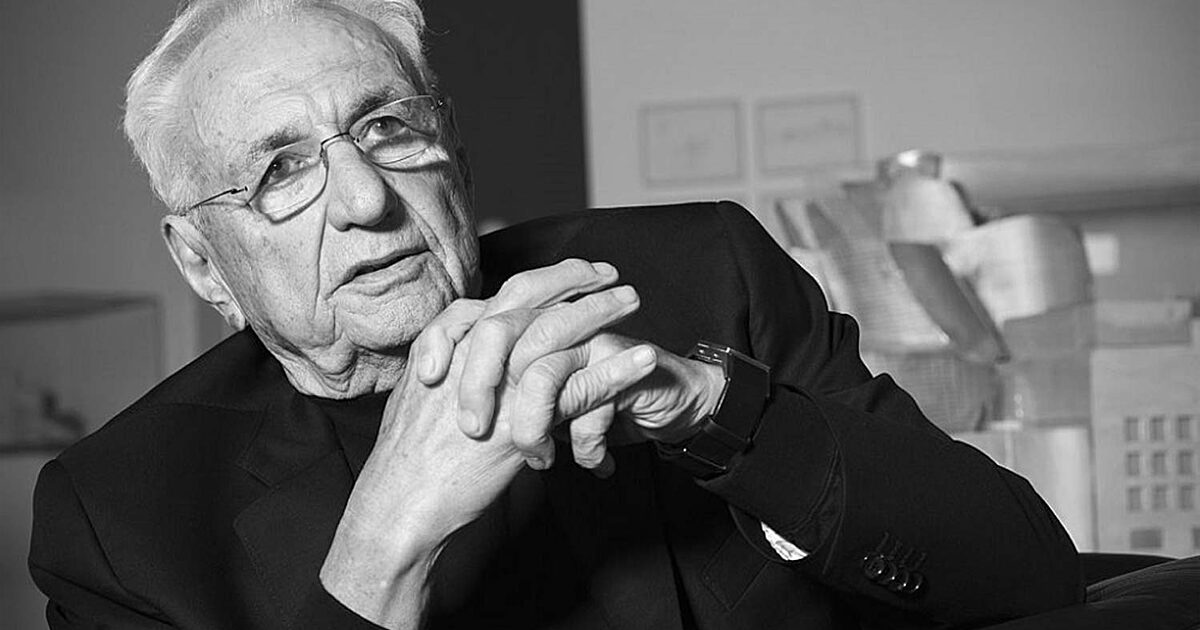
Table of Contents Show
Frank Gehry died on December 5, 2025 at his home in Santa Monica, California, after a brief respiratory illness. He was 96 years old.
His death marks the loss of one of the most imaginative and influential architects of the modern era, a designer whose work helped redefine what architecture could be: expressive, sculptural, and deeply evocative.
From Humble Beginnings to a Global Vision
Gehry was born in Toronto in 1929 under the name Frank Owen Goldberg. After emigrating to Los Angeles in 1947 with his family, he studied architecture at the University of Southern California, graduating in 1954. Early in his career he experimented freely, even designing furniture under his innovative cardboard-furniture line, forging an early connection between everyday materials and creative form.
From modest beginnings working with small firms to founding his own practice (later evolving into Gehry Partners LLP), he gradually developed a bold architectural language that rejected conventional minimalism and embraced expressive, unexpected forms.

A New Architectural Language: Form, Experimentation, Expression
Rather than conforming to standard architectural norms, Gehry saw buildings as more than structures, as sculptures, as statements, as experiential spaces. His style, often described as “deconstructivist,” though he resisted labels, favored irregular geometry, fluid lines, and inventive material use.
A key to his success was his willingness to experiment, not just in aesthetic form, but in method. In the 1990s, his firm began using advanced digital design tools (notably a software called CATIA) originally developed for aviation, enabling him to translate sweeping, complex shapes into buildable structures.
Through this approach, Gehry demonstrated that architecture doesn’t need to be restrained by rigid geometry or traditional materials. Instead, it can be playful, expressive, emotional, capable of surprising people, stirring feelings, reshaping expectations.

Landmark Projects: Buildings That Transformed Cities (and Minds)
Over his long career, Gehry produced a remarkable portfolio of buildings, from private homes to museums to concert halls, many of which are now considered icons. Some of the most significant:
-
The Guggenheim Museum Bilbao (Spain), inaugurated in 1997: its swirling titanium-clad exterior and daring, unconventional form didn’t just attract art lovers, it changed how cities think about architecture. The so-called “Bilbao Effect” became a phenomenon: showing that bold, landmark architecture can transform a city’s cultural and economic life.
-
The Walt Disney Concert Hall in Los Angeles, opened in 2003: a graceful, metallic building whose flowing curves and reflective surfaces make it look more like a sculpture than a hall. Inside, the design balances expressive exterior form with functional excellence, acoustics, audience experience, interior intimacy.
-
A wide array of other influential works: from cultural institutions and museums (e.g. avant-garde museums, design- or art-museums) to residential, educational and commercial buildings, each bearing his signature blend of innovation, boldness and respect for context.
Through these and many other projects, Gehry didn’t just build structures, he shaped skylines, reimagined public space, and expanded the possibilities of what architecture could communicate.
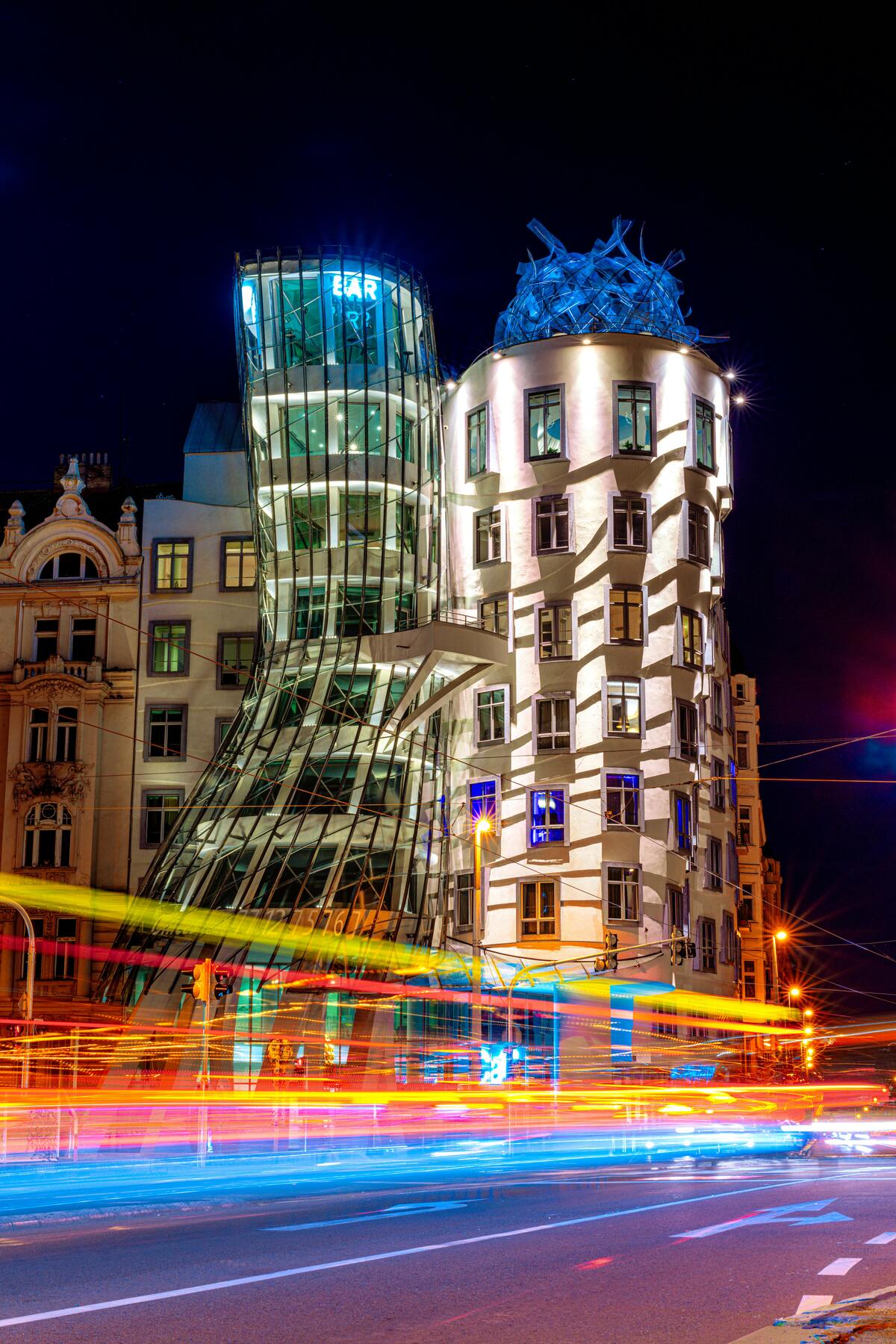
The Legacy: How Gehry Changed the Way We See Architecture
Frank Gehry’s influence goes far beyond individual buildings. He challenged the orthodoxies of modern architecture: minimalism, uniformity, predictable form. Instead he introduced a language of motion, surprise, sculptural elegance. His buildings are not just functional, they are experiences, emotions, visual and spatial statements.
By embracing new technology, new materials, and bold experimentation, he made architecture accessible to both the mind and the senses. Cities began commissioning architecture not just for utility or mass-housing, but to become landmarks, cultural beacons, tourist magnets. The “Bilbao Effect,” born with his Guggenheim, stands as a testament to that shift.
Moreover, Gehry inspired countless architects and designers, showing that you didn’t need to follow a single “style” or tradition. Instead, you could draw from art, from sculpture, from metaphor, from daring imagination. In doing so, he expanded the definition of architecture itself.

Reflection: What His Life’s Work Teaches Us
Frank Gehry’s journey, from a young immigrant child in Toronto to a globally celebrated pioneer of architectural design, is a testament to the power of vision, courage, and creativity. His work reminds us that buildings are more than containers for human activity: they shape how we live, how we feel, how we move through space.
In a world often dominated by standardization and cost-driven pragmatism, Gehry’s legacy encourages architects, and all of us, to imagine spaces with soul, with daring, with personality.
Though he is no longer with us, his creations will continue to stand: as landmarks, as inspirations, as reminders that architecture can, and should, challenge, delight, and transform.




MoMA’s Full Disclosure Exhibition Traces Information Design from Hand-Drawn Data to AI Memories
Full Disclosure: The Edge of Information Design, curated by Paola Antonelli, is...
 illustrarch Editoral Team2 Mins read
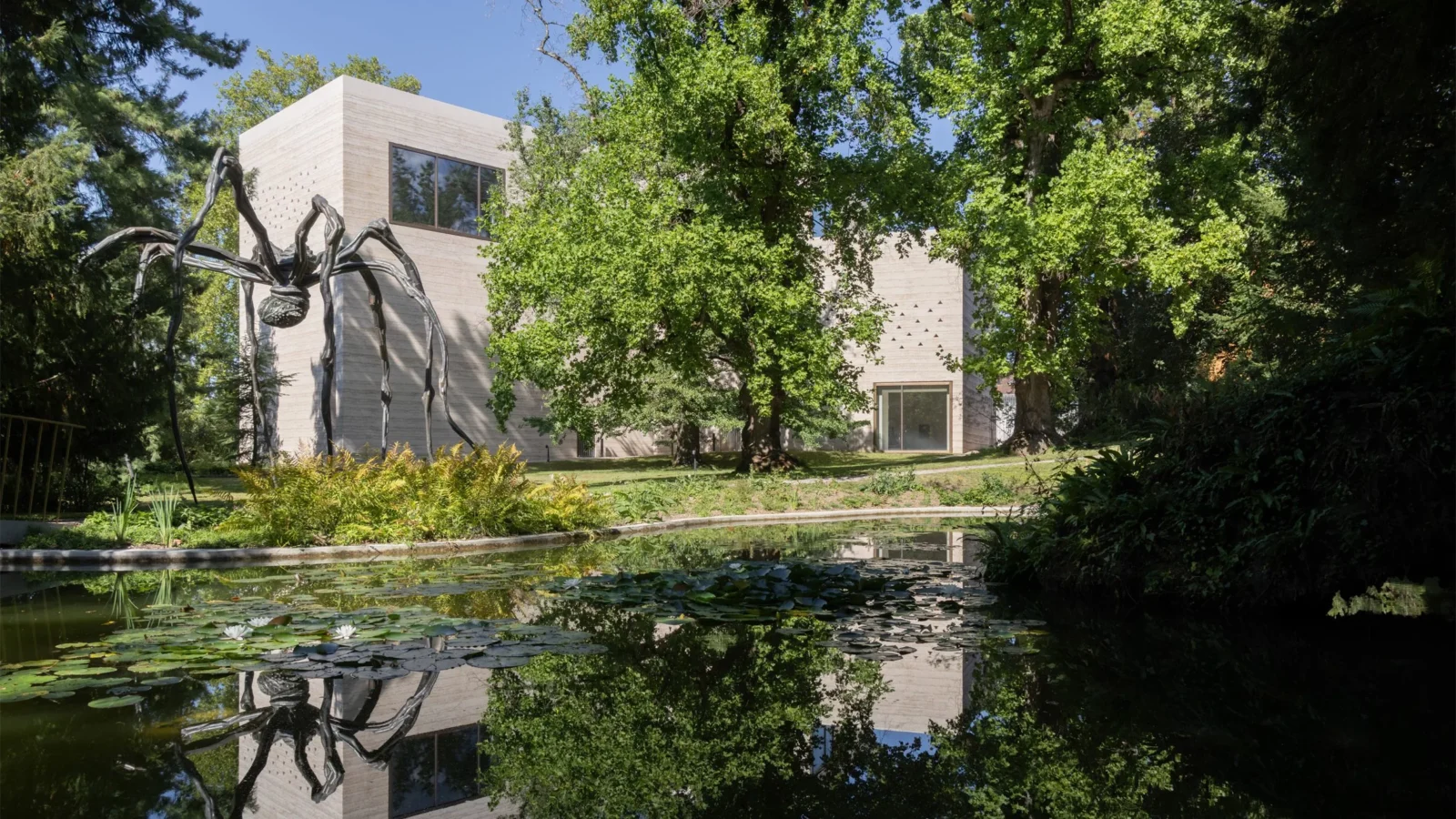
Zumthor’s Three New Buildings Open at Fondation Beyeler in Riehen
Peter Zumthor's Wyss Museum, Ammann Pavilion and Erlen Torhaus open at Fondation...
illustrarch Editoral Team4 Mins read

Benthem Crouwel Completes the Afsluitdijk Revamp with a Fish Passage and Domed Pumping Stations
The 32 km Afsluitdijk in the Netherlands has been raised, armoured and...
illustrarch Editoral Team2 Mins read
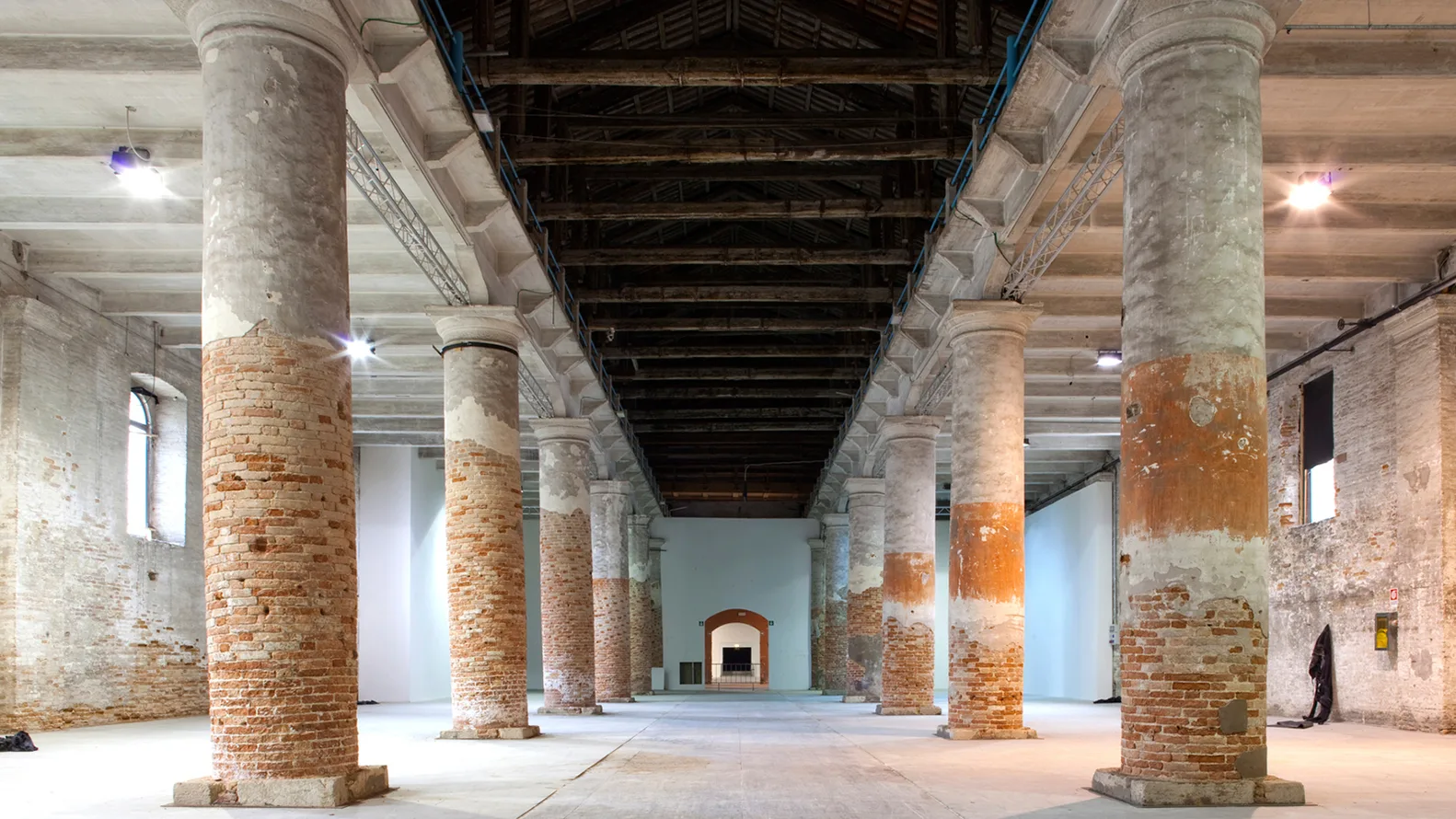
Luxembourg Pavilion Tackles the Overconsumption of Living Space at the 2027 Venice Biennale
Curated by Céline Zimmer and Exutoire, the Luxembourg Pavilion's Excess! will compare...
illustrarch Editoral Team2 Mins read


Leave a comment