

Top 10 Greek and Roman Architectural Innovations
Explore ten key Greek and Roman architectural innovations, from classical orders to domes and aqueducts, that shaped engineering, aesthetics, and urban design, forming the foundation of Western architecture.
 Begum Gumusel6 December 20256 Mins read273
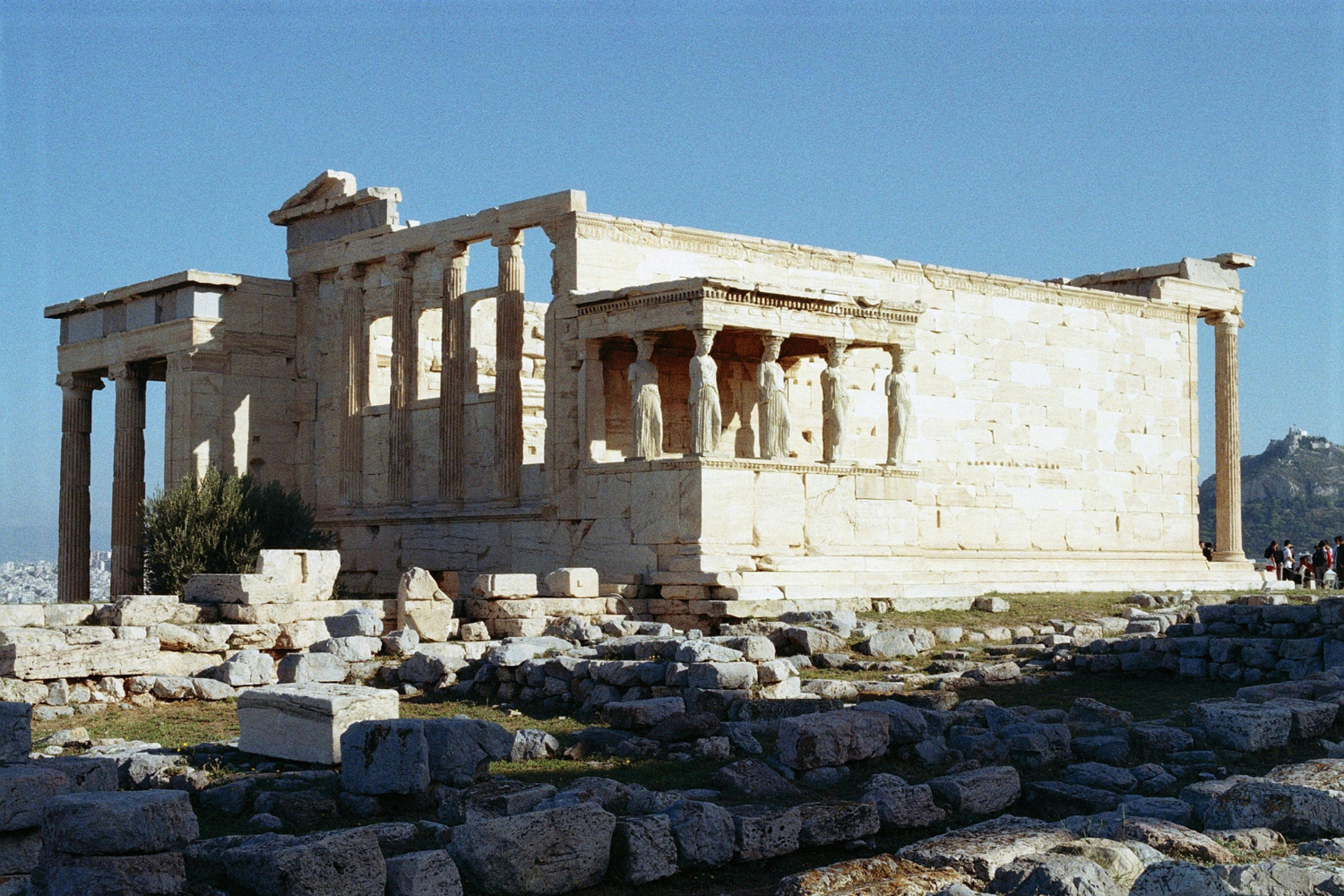
Table of Contents Show
Ancient Greek and Roman architecture introduced some of the most influential ideas in the history of the built environment. Their innovations shaped principles of proportion, material science, urban planning, and structural engineering, establishing a vocabulary that still informs contemporary design. From the precision of Greek temple architecture to the engineering mastery behind Roman concrete and domes, these advancements transformed architecture into a discipline that blended utility with cultural meaning.
The following ten innovations illustrate how Greek and Roman architects redefined what was possible, and why their legacy remains essential for anyone wishing to explore classical architecture, study ancient engineering, or understand the origins of Western design.
1. The Classical Orders (Doric, Ionic, Corinthian)
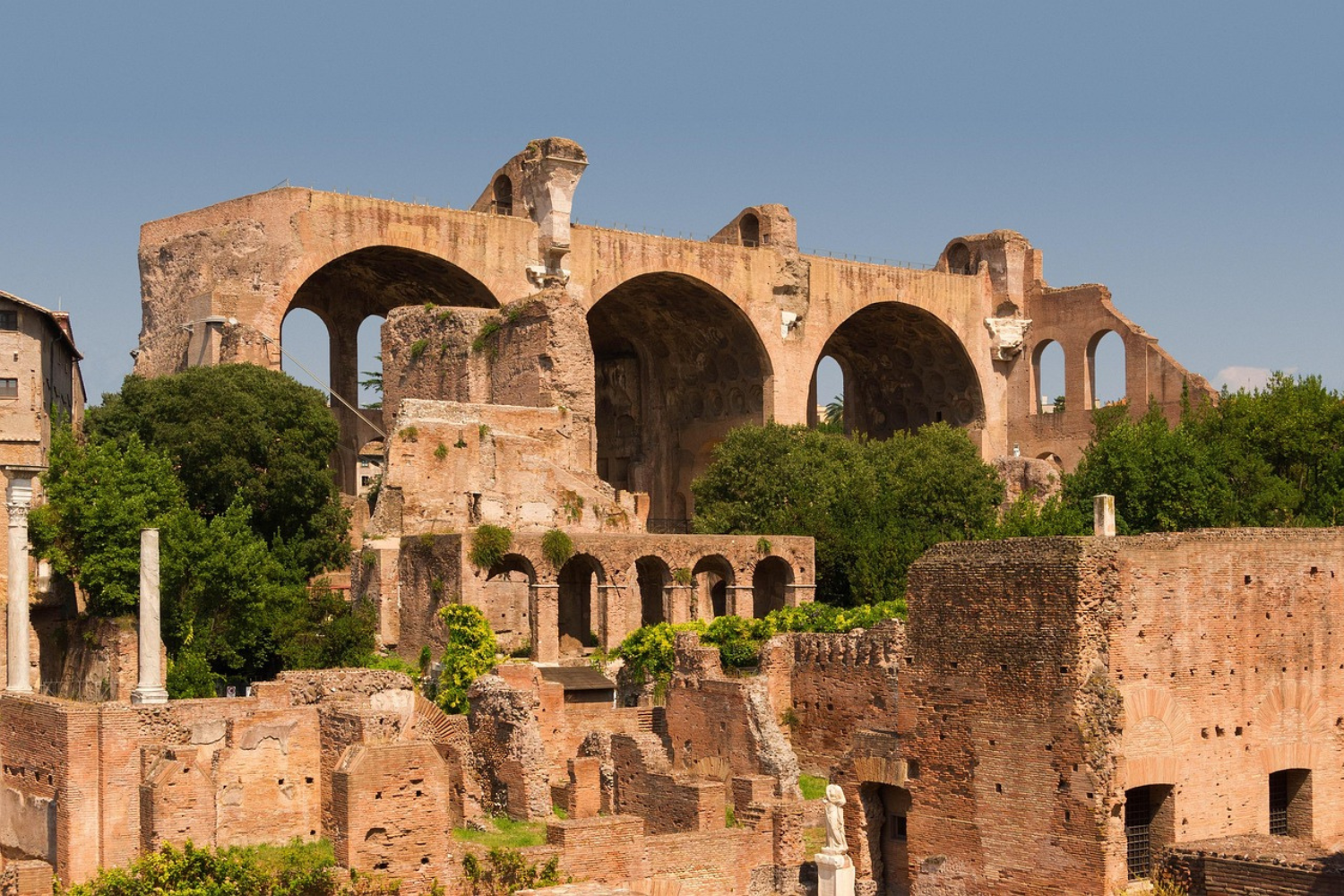
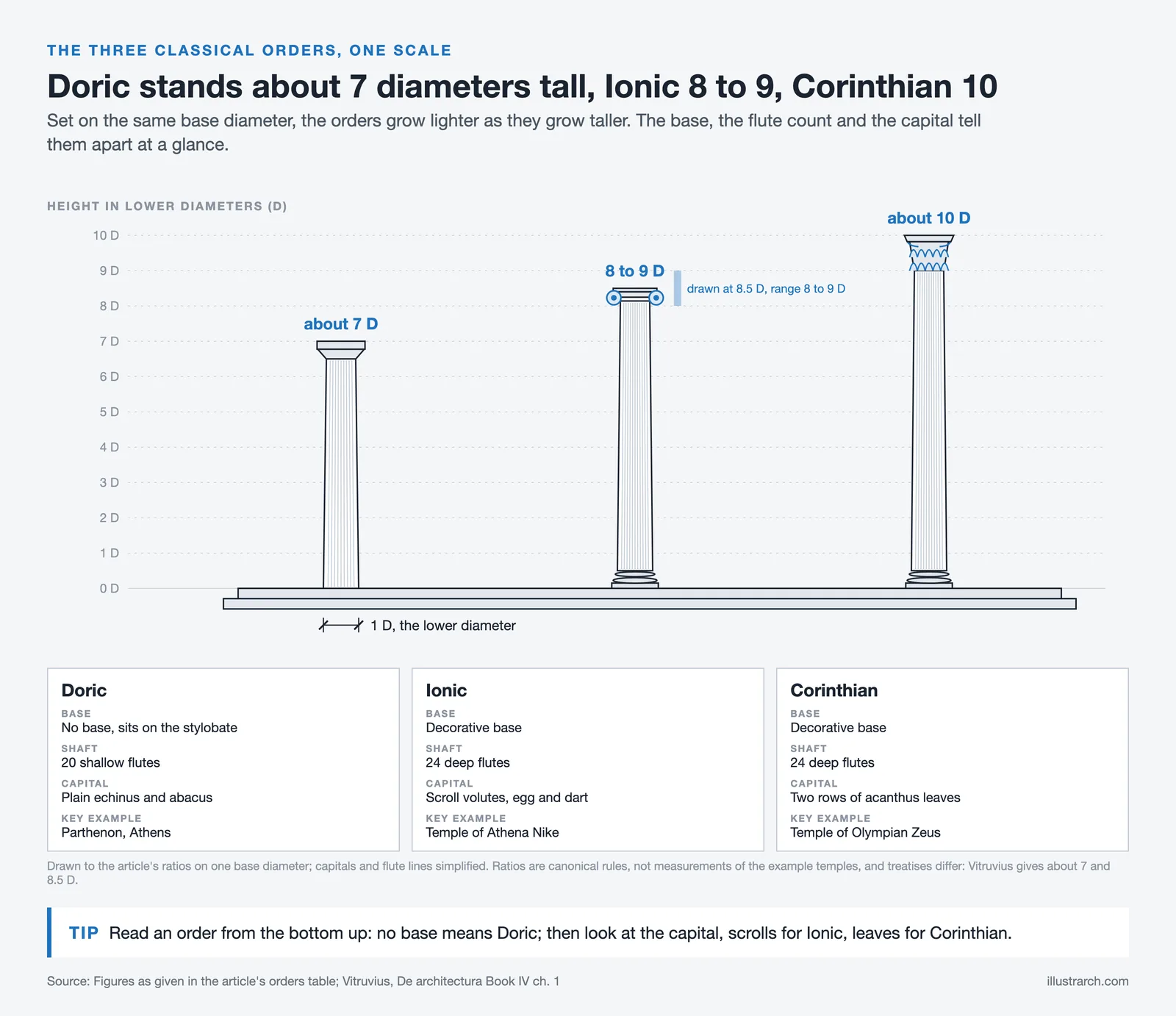
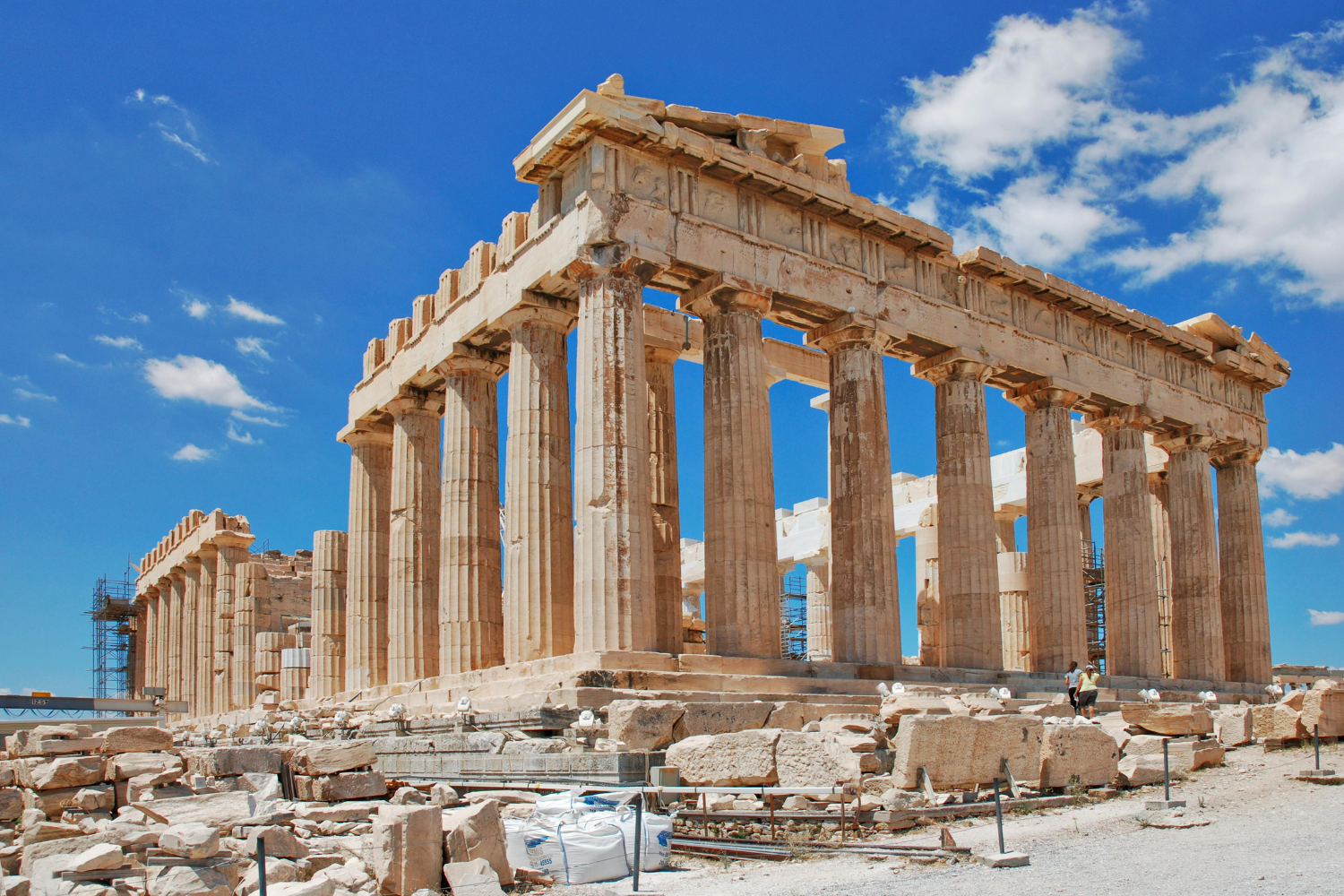
The Classical Orders created a standardized design language that shaped Western architecture for centuries. The robust Doric order appears prominently in the Temple of Hephaestus in Athens, showcasing strength and simplicity. The elegant Ionic style is best exemplified at the Temple of Athena Nike, where volutes emphasize refined proportion. The ornate Corinthian order reached full expression in the Temple of Olympian Zeus, with elaborate acanthus leaf capitals. These systems continue to influence Neoclassical architecture, civic buildings, and academic design studies.
| Feature | Doric | Ionic | Corinthian |
|---|---|---|---|
| Origin Period | ~7th century BC (earliest order) | ~mid-6th century BC | ~mid-5th century BC |
| Region of Origin | Mainland Greece (Peloponnese) | Ionia (coastal Anatolia / Turkey) | Corinth, Greece |
| Column Height Ratio | ~7 diameters high | ~8-9 diameters high | ~10 diameters high |
| Column Base | No base (sits directly on stylobate) | Has a decorative base | Has a decorative base |
| Shaft Fluting | 20 shallow flutes | 24 deep flutes with flat edges | 24 deep flutes with flat edges |
| Capital Design | Plain: echinus + abacus | Scroll-like volutes with egg-and-dart motif | Two rows of acanthus leaves with scrolls |
| Frieze | Triglyphs and metopes | Continuous sculptural relief | Continuous sculptural relief |
| Character | Strength, simplicity, stability | Elegance, balance, refinement | Opulence, grandeur, ornamentation |
| Key Example | Parthenon, Athens (447-432 BC) | Temple of Athena Nike, Athens (~420 BC) | Temple of Olympian Zeus, Athens (Corinthian phase begun 174 BC, completed under Hadrian) |
2. Greek Theatres & Acoustics
Greek theatres demonstrated a sophisticated understanding of acoustics and landscape integration. The Theatre of Epidauros remains the most famous example, where voices project flawlessly across 14,000 seats. The Theatre of Dionysus in Athens also illustrates early use of semi-circular seating carved into the hillside to enhance visibility and sound. These theatres shaped the design of contemporary amphitheaters and continue to inform studies in performance architecture and environmental acoustics.

3. Entasis (Optical Refinement)
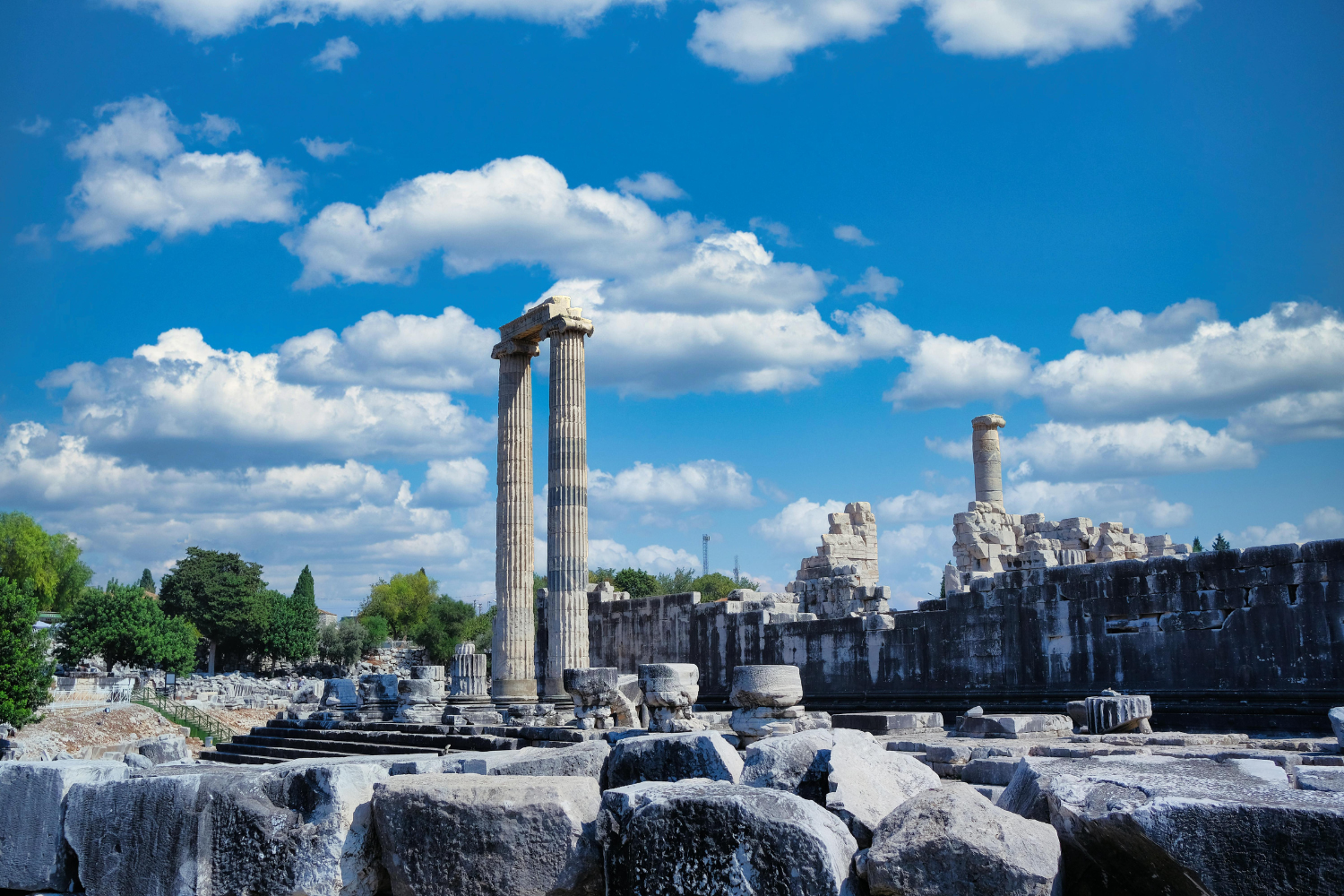
Entasis, the slight curvature applied to Greek columns, corrected visual distortions and created the appearance of perfect verticality. The Parthenon is the most studied example, where every column subtly swells to counteract optical illusions. The Temple of Apollo at Didyma also employs entasis to create elegant, visually balanced columns. This technique highlights how deeply Greek architects understood human perception and mathematical refinement, making it essential for those studying classical aesthetics.
4. Roman Concrete (Opus Caementicium)
Roman concrete revolutionized architecture by allowing larger, more durable structures than stone construction could support. The Pantheon is the most iconic example, its long-lasting dome made possible by lightweight concrete aggregates. The Portus Harbor near Rome also demonstrates concrete’s ability to withstand seawater thanks to volcanic ash (pozzolana). Roman concrete made possible the monumental scale of baths, basilicas, bridges, and countless other structures, influencing modern construction materials.

5. The Roman Arch
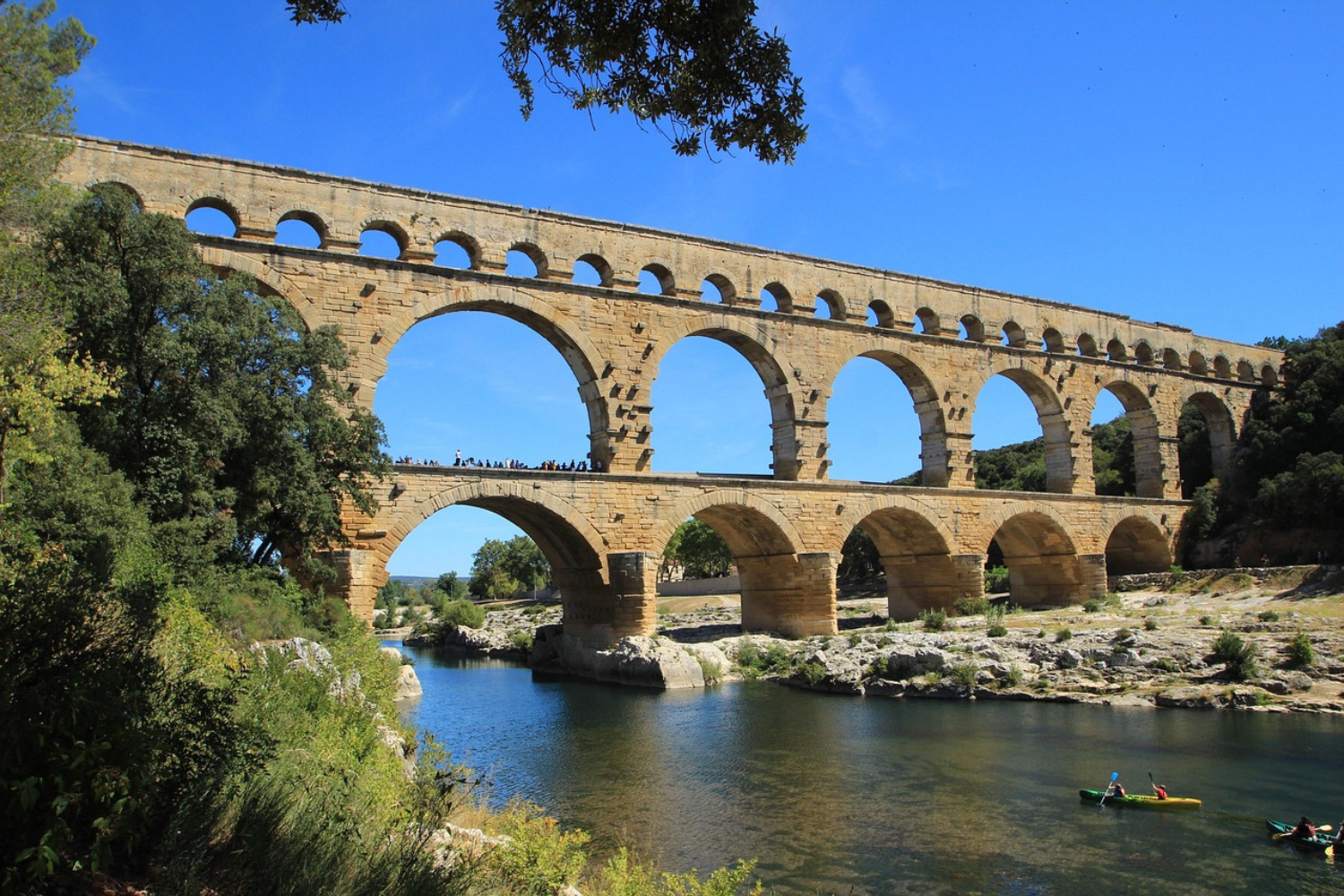
The Roman arch allowed architects to span wide openings and support heavy loads with remarkable efficiency. The Arch of Titus showcases its symbolic and monumental potential, while the Pont du Gard aqueduct demonstrates how arches facilitated massive infrastructure projects. In the Basilica of Maxentius, arches form the backbone of immense interior spaces. This innovation enabled the development of vaults, bridges, and amphitheaters, making it central to Roman engineering.
6. Vaulting Systems (Barrel, Groin, and Ribbed Vaults)
Roman vaulting systems expanded architectural possibilities by enabling vast interior spaces. The barrel vaults in the Baths of Caracalla demonstrate how continuous arches created monumental bathing halls. The groin vaults in the Basilica of Constantine allowed wider, taller interiors with efficient weight transfer. Early ribbed vaulting appears in structures like the Markets of Trajan, laying groundwork for later medieval advancements. These vaults drastically improved durability and fire resistance compared to timber roofs.
| Vault Type | Structure | Advantages | Key Example |
|---|---|---|---|
| Barrel Vault | Continuous semicircular arch forming a tunnel shape | Simple construction; covers long rectangular spaces; strong compressive structure | Baths of Caracalla, Rome (212-216 AD) |
| Groin Vault | Two barrel vaults intersecting at right angles | Wider, taller spaces; efficient weight transfer to four corner piers; allows window openings | Basilica of Constantine, Rome (~312 AD) |
| Ribbed Vault | Arched ribs support thinner vault panels between them | Lighter structure; greater flexibility in covering irregular plans; precursor to Gothic vaulting | Markets of Trajan, Rome (~110 AD) |

7. The Dome
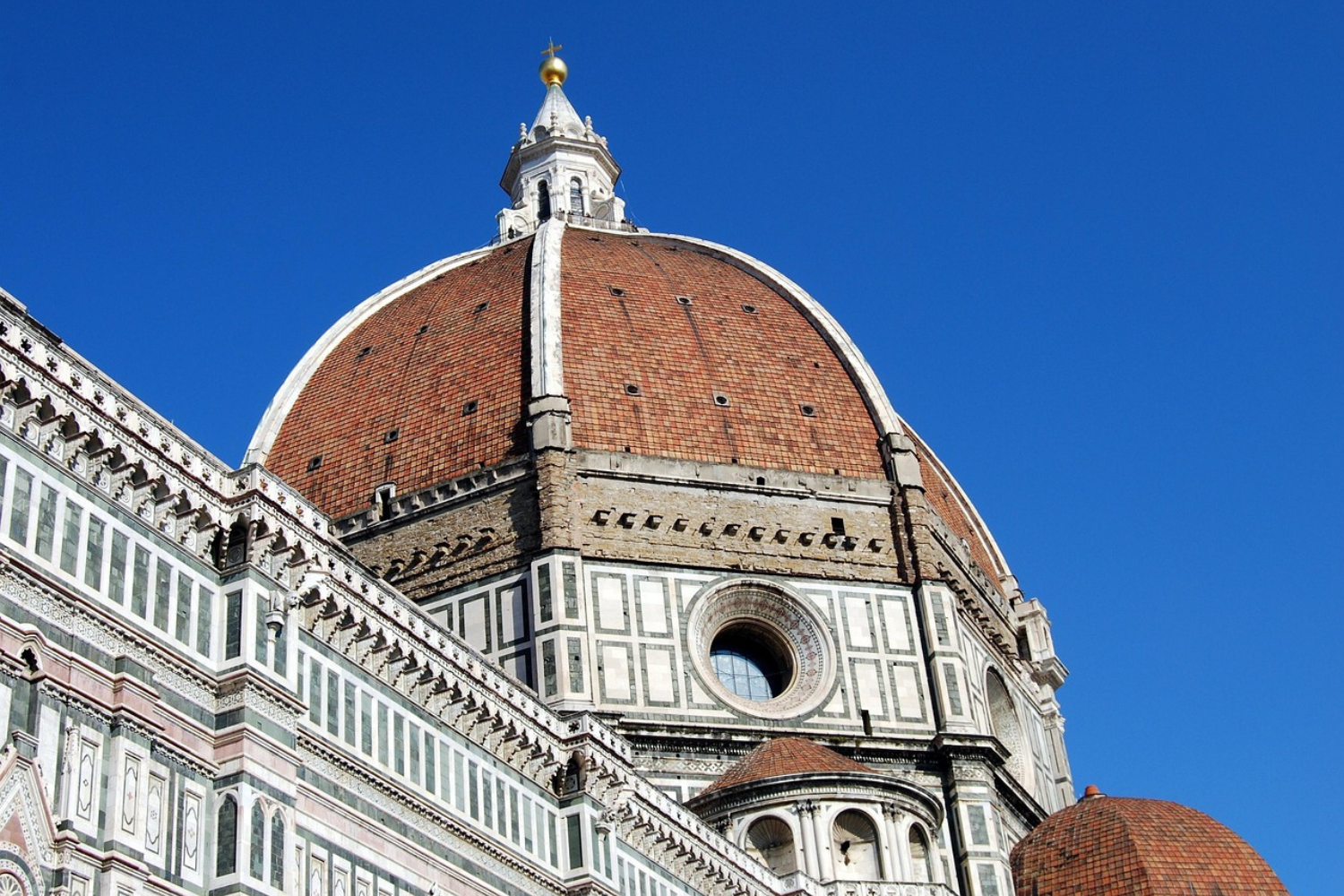
The Roman dome is one of the greatest engineering achievements of the ancient world. The Pantheon’s dome remains the largest unreinforced concrete dome in existence, featuring a central oculus that reduces weight and illuminates the interior. The Baths of Diocletian also employed large domed spaces that redefined civic architecture. These domes influenced Byzantine masterpieces like Hagia Sophia, Renaissance works like Brunelleschi’s Dome, and countless modern structures.
8. Aqueducts & Water Engineering
Roman aqueducts highlight the empire’s exceptional skill in hydraulics and infrastructure planning. The Aqua Claudia and Aqua Marcia supplied Rome with millions of gallons of fresh water daily, while the Pont du Gard in France showcases how aqueducts combined utility with elegant, layered arches. The Aqua Virgo, still functioning today, feeds Rome’s modern fountains, including the Trevi Fountain. These systems supported urban life, sanitation, and public health, setting the standard for water engineering worldwide.

| Aqueduct | Date Built | Length | Notable Feature | Still in Use? |
|---|---|---|---|---|
| Aqua Appia | 312 BC | ~16 km | Rome’s first aqueduct; almost entirely underground | No |
| Aqua Marcia | 144-140 BC | ~91 km | Rome’s longest; prized for excellent water quality | Restored (as Acqua Pia) |
| Aqua Virgo | 19 BC | ~21 km | Still feeds the Trevi Fountain today | Yes (as Acqua Vergine) |
| Aqua Claudia | 38-52 AD | ~69 km | Considered Rome’s most impressive; iconic arches over 30 m high | No |
| Nîmes Aqueduct (Pont du Gard) | ~60 AD | ~50 km | Tallest Roman aqueduct bridge (~49 m); gradient of just 1:3,000 | No (UNESCO site) |
| Aqua Traiana | 109 AD | ~57 km | Supplied Trastevere; sourced from Lake Bracciano area | Restored (as Acqua Paola) |

9. The Basilica Plan
The basilica plan began as a Roman civic hall and later became the foundation for church architecture. The Basilica Ulpia in Trajan’s Forum illustrates the original civic function, with a long nave, side aisles, and apses. Later, early Christian architects adapted the basilica form in structures such as Old St. Peter’s Basilica in Rome, transforming the layout into a spatial model for worship. This plan remains central to Western ecclesiastical architecture.
10. Amphitheaters (Colosseum Innovation)
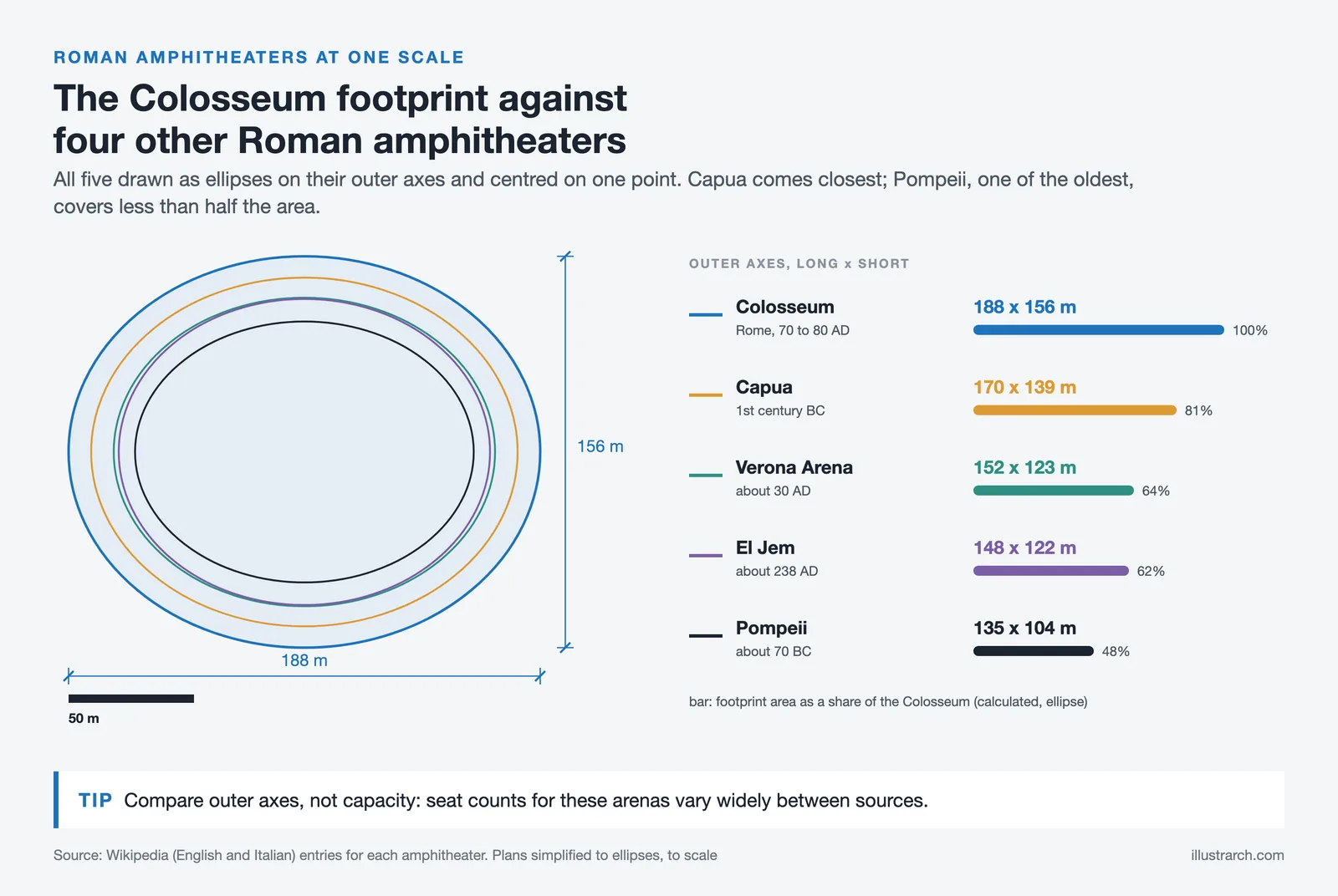
Roman amphitheaters combined engineering skill with mass entertainment on an unprecedented scale. The Colosseum is the ultimate example, using a combination of arches, vaults, and tiered seating to host more than 50,000 spectators. The Amphitheater of Pompeii, one of the earliest, demonstrates how these structures were integrated into city life. Efficient circulation systems, including vomitoria and staircases, made these venues models for modern stadium design.
| Amphitheater | Location | Date Built | Dimensions (L × W) | Capacity | Notable Feature |
|---|---|---|---|---|---|
| Colosseum (Flavian Amphitheatre) | Rome, Italy | 70-80 AD | 188 × 156 m | ~50,000 | Largest Roman amphitheater; 80 numbered entrances; elaborate underground hypogeum |
| Amphitheater of Pompeii | Pompeii, Italy | ~70 BC | 135 × 104 m | ~20,000 | Oldest surviving stone amphitheater; no underground hypogeum; arena partially below ground |
| Amphitheater of Capua | S. Maria Capua Vetere, Italy | 1st century BC | 170 × 139 m | ~60,000 | Second-largest; where Spartacus fought; underground passages with baths |
| Arena of Verona | Verona, Italy | ~30 AD | 152 × 123 m | ~25,000 | Among best-preserved; still hosts opera and concerts today |
| Amphitheater of El Jem | El Jem, Tunisia | ~238 AD | 148 × 122 m | ~35,000 | Largest in North Africa; freestanding; built entirely of stone blocks |

| # | Innovation | Origin | Primary Contribution | Iconic Example |
|---|---|---|---|---|
| 1 | Classical Orders | Greek | Standardized proportional design language for columns and entablatures | Parthenon, Temple of Olympian Zeus |
| 2 | Theatres & Acoustics | Greek | Acoustic engineering and hillside integration for performance venues | Theatre of Epidauros |
| 3 | Entasis | Greek | Optical refinement of columns to correct visual distortion | Parthenon, Temple of Apollo at Didyma |
| 4 | Roman Concrete | Roman | Durable, versatile building material enabling monumental scale | Pantheon, Portus Harbor |
| 5 | Roman Arch | Roman | Efficient load-bearing structure for wide spans and infrastructure | Arch of Titus, Pont du Gard |
| 6 | Vaulting Systems | Roman | Vast interior spaces with barrel, groin, and ribbed vaults | Baths of Caracalla, Markets of Trajan |
| 7 | The Dome | Roman | Unreinforced concrete dome covering massive circular spaces | Pantheon, Baths of Diocletian |
| 8 | Aqueducts | Roman | Gravity-fed water supply systems spanning hundreds of kilometers | Aqua Claudia, Pont du Gard |
| 9 | Basilica Plan | Roman | Longitudinal nave-and-aisle layout for civic and later religious use | Basilica Ulpia, Old St. Peter’s |
| 10 | Amphitheaters | Roman | Large-scale spectator venues with tiered seating and circulation systems | Colosseum, Amphitheater of Pompeii |
Greek and Roman architectural innovations created a foundation that continues to shape how we design, build, and experience space. Their advancements in column systems, acoustic design, concrete engineering, structural systems, and public building typologies revolutionized architecture and influenced civilizations for centuries.
By studying these ten innovations, and the real-world structures that exemplify them, we gain insight into the origins of architectural aesthetics, engineering breakthroughs, and the cultural values of the classical world. Their legacy remains visible in everything from contemporary civic buildings to stadiums, churches, and infrastructure, proving that ancient ideas continue to shape modern life.




Interior Design for Commercial Spaces: Enhancing Functionality and Brand Identity
Commercial interior design has to serve brand, function and regulation at once....
Begum Gumusel4 Mins read
Restorers Uncover 16th-Century Murals Hidden by Nuns in Villa Silvestri Rivaldi
Conservators in Rome are uncovering 16th-century murals hidden for 300 years inside...
 illustrarch Editoral Team3 Mins read

A 2,500-Year-Old Solar Observatory in Puebla Is the First Group E Complex Found Outside the Maya Area
Archaeologists working for Mexico's INAH have confirmed that two platforms at Teteles...
illustrarch Editoral Team2 Mins read

Donald Insall, the Conservation Architect Who Led Windsor Castle’s Restoration, Dies at 100
Donald Insall, the British architect who turned conservation into a planning discipline...
illustrarch Editoral Team2 Mins read


Leave a comment