

RSHP Architecture Wins Rives-Défense Competition in Paris
Rogers Stirk Harbour + Partners (RSHP) has won the international competition to redevelop the Rives-Défense site in Paris. The winning proposal envisions an 8-hectare low-carbon mixed-use neighborhood at the western edge of La Défense, reconnecting the district to the Seine River through new public spaces, housing, and bioclimatic design.
 Elif Ayse Sen24 March 20268 Mins read181

Table of Contents Show
RSHP architecture has won the international competition to redevelop the Rives-Défense site in La Défense, Paris’s primary business district. The winning proposal transforms an 8-hectare site at the district’s western edge into a low-carbon mixed-use neighborhood, reconnecting La Défense to the Seine River and reestablishing the area’s identity along one of Paris’s most significant urban axes.
What Is the Rives-Défense Project?
The Rives-Défense site occupies a strategic position at the entrance to La Défense, directly along the historic axis that extends westward from the Louvre through central Paris. Commissioned by Paris La Défense, the project brief called for a comprehensive urban transformation of the 8-hectare waterfront site, which currently suffers from poor connectivity, underused buildings, and road infrastructure that blocks views and access to the Seine River.
The competition attracted nearly 30 international submissions before a five-team shortlist was invited to present their visions. Paris La Défense ultimately selected the Franco-British consortium led by Rogers Stirk Harbour + Partners (RSHP), whose proposal was announced publicly during MIPIM 2026 in Cannes. The jury cited the team’s complementary expertise, the strength of its references, and the boldness of its regeneration vision as decisive factors.
📌 Did You Know?
This is the second major competition RSHP has won at La Défense in three years. In 2023, the firm won the Jean Moulin site competition, a 1.5-hectare low-carbon development on the district’s periphery that aimed to cut embodied and operational carbon by 50% through modular timber construction. The back-to-back wins position RSHP as a leading voice in the ongoing reinvention of Europe’s largest purpose-built business district.

The RSHP-Led Team: Who Is Behind the Proposal?
The winning consortium brings together a multidisciplinary group of specialists across architecture, urban planning, landscape, engineering, and environmental consultancy. RSHP architects serve as the lead design practice, responsible for the overarching architectural and urban vision. Working alongside them are:
- Atelier SOIL: co-architect and urban planner
- Altitude 35: landscape architect
- Arcadis: engineering consultant
- Atelier Franck Boutté: environmental consultant
- Urban Eco and Mobius: additional specialist consultants
Paris La Défense CEO Pierre-Yves Guice described the site as offering “one of the most significant development opportunities of the decade in the greater Paris region,” and praised the winning team’s vision for addressing both the site’s urban complexity and its environmental ambitions.
The Design Vision: A Metropolitan Clearing Along the Seine
The central concept driving the RSHP proposal is described by the design team as a “metropolitan clearing.” Rather than imposing a new skyline, the scheme works with the existing urban grain, stepping building heights down from the taller towers aligned along the historic La Défense axis toward the Seine, creating a graduated transition from the dense business district to the river’s edge.
RSHP director Stephen Barrett, who is serving as lead architect and urbanist on the project, described the core ambition plainly: the river should no longer read as a boundary, but as the living foundation of the district. The current situation, where road infrastructure and existing buildings effectively hide the Seine from view and cut off pedestrian access, is a central problem the design sets out to resolve. New access points and restored sightlines would reopen what Barrett called “long-lost views” of the river.
🎓 Expert Insight
“Rives-Défense must rediscover its original relationship with the Seine. The river is no longer an edge, but becomes the living foundation of the district, capable of restoring a strong identity open to the wider metropolis.”
Stephen Barrett, Director, RSHP
This framing reflects a broader shift in how European urban designers are approaching postwar business districts: not as isolated commercial zones, but as neighborhoods that need to earn their place within the city’s ecological and social fabric.
Senior associate and project architect Nicola Carnevali added that the team’s ambition is to “reveal the site’s uniqueness by transforming and amplifying what already exists,” preserving what distinguishes the site today while creating conditions for its future evolution. This philosophy of working with inherited urban fabric rather than against it is central to the RSHP office’s broader approach to urban regeneration.

Rehabilitation, Reuse, and New Construction
One of the proposal’s most significant commitments is its prioritization of rehabilitation and reuse over wholesale demolition. The design approach focuses on retaining existing structures that contribute to the site’s architectural and urban identity, extending and adapting them where needed, and introducing new construction only where it genuinely adds value to the mix.
This strategy has both environmental and urban planning benefits. Retaining and adapting buildings reduces embodied carbon compared to demolition and full reconstruction. It also helps maintain continuity of character in a neighborhood that, despite its challenges, has an established physical presence that can be built upon rather than erased.
💡 Pro Tip
When evaluating large-scale urban competition proposals, pay close attention to how schemes handle existing structures. A proposal that combines selective retention with targeted new construction typically delivers better long-term carbon outcomes than a full clearance strategy, and often results in more contextually sensitive urban form. The Rives-Défense approach reflects this growing consensus in European urban regeneration practice.
The programmatic mix proposed for the site reflects Paris La Défense’s broader ambition to transition La Défense from a single-purpose office district into a genuine urban neighborhood. The scheme incorporates housing, workplaces, public spaces, and a large-scale hotel hub. This diversity of uses is intended to activate the neighborhood across different times of day and different days of the week, reducing the dormancy that currently affects many parts of La Défense outside of office hours.

Bioclimatic Design and Public Space
The landscape strategy plays a central role in the RSHP proposal. New public squares and extensive planting are distributed throughout the site, designed not just as amenity space but as functional bioclimatic environments. In a dense urban context, these green areas are intended to improve microclimatic conditions, moderating urban heat, managing surface water, and creating shade and shelter that make outdoor space genuinely usable throughout the year.
This approach reflects a shift in how landscape architects are integrating environmental performance into urban regeneration schemes. Rather than treating greenery as decoration applied after the fact, the Rives-Défense proposal treats planted areas as structural components of the urban environment, carrying environmental loads alongside their social and aesthetic functions.
🏗️ Real-World Example
Jean Moulin Site, La Défense (Paris, 2023): RSHP’s earlier competition win at La Défense demonstrates the firm’s track record in the district. The Jean Moulin scheme proposed two modular timber-framed buildings, cutting embodied and operational carbon by 50%, alongside a green public promenade connecting the business district to the neighboring city of Puteaux. The project was part of Paris La Défense’s “Empreintes” initiative, a program to transform five peripheral urban sites into post-carbon neighborhoods.
Why This Architecture Competition Matters for Urban Design
The Rives-Défense urban design competition is significant beyond its immediate site. It is part of a broader ambition by Paris La Défense to position the district as a model for the sustainable transformation of postwar European business districts. Large office-dominated zones built during the mid-to-late 20th century are facing increasing pressure across Europe to adapt: their monoculture of use, poor public realm, and heavy infrastructure burdens make them difficult places to inhabit outside of working hours.
The competition process itself attracted close to 30 international submissions, a figure that Paris La Défense’s leadership described as a testament to the exceptional nature of the site and the scale of the opportunity. For the architecture and urban design profession, high-profile urban design competitions like Rives-Défense provide a rare opportunity to work at a scale where design decisions shape entire neighborhoods rather than individual buildings.
Understanding how architectural competitions drive innovation is useful context here: multidisciplinary teams like the RSHP consortium are specifically assembled to address the full complexity of such briefs, drawing on expertise across architecture, landscape, engineering, and environmental consultancy to develop proposals that can respond to technical, social, and ecological demands simultaneously. You can explore more on how architectural competitions drive innovation in urban design on illustrarch.
💡 Pro Tip
For architects preparing entries for large-scale urban regeneration competitions, developing a clear relationship between site history, ecological strategy, and programmatic mix is essential. Juries for schemes of this scale are typically evaluating not just a design proposal, but a methodology and a collaborative capacity. The RSHP team’s emphasis on a “step-by-step collaborative process” resonated with the Paris La Défense jury precisely because it demonstrated a realistic approach to long-term delivery. Read more on winning strategies of architectural competition projects for practical guidance.

RSHP’s Broader Portfolio and Urban Approach
Rogers Stirk Harbour + Partners (RSHP) is a London-based practice with a Paris office that has been working in France for decades. The firm’s track record in large-scale urban and infrastructure projects is extensive, spanning the Pompidou Centre, Terminal 5 at Heathrow, the Lloyd’s Building, and a series of major international airport and urban planning commissions. In recent years, RSHP has increasingly focused on urban regeneration and low-carbon design at district scale, with La Défense emerging as a key site for that work.
The rshp office’s approach to urban design is characterized by a commitment to what might be called legible urbanism: proposals that are structurally clear, spatially generous, and designed to evolve over time with changing needs. The Rives-Défense proposal fits this pattern, with its graduated height profile, mixed uses, and emphasis on adaptability and public realm as the foundations of a long-term urban vision.
For those interested in how the world’s largest architecture firms approach complex urban projects, illustrarch’s overview of the largest architectural firms in the world provides useful context on how firms like RSHP position themselves in the global market.
What Comes Next for Rives-Défense?
The competition win marks the beginning of a long design and delivery process. Urban projects of this scale typically move through multiple phases of planning, consultation, and phased construction over many years. Paris La Défense’s approach with the “Empreintes” initiative, which Rives-Défense is part of, has emphasized collaborative development with local stakeholders, ensuring that the transformation of each site reflects shared ambitions rather than top-down imposition.
The project will need to navigate the practical complexities of working with existing structures, coordinating multiple landowners and tenants, and delivering a coherent urban vision across a phased construction timeline. These are precisely the conditions in which multidisciplinary teams with experience in complex urban sites, like the RSHP consortium, are best placed to operate.
For those following architecture competitions and urban design in France, the Rives-Défense project will be one of the most closely watched urban regeneration schemes in Greater Paris over the coming decade. You can also explore best architecture concepts for urban design to understand the principles shaping projects like this one, and follow current architecture competitions for opportunities in similar urban design categories.
✅ Key Takeaways
- RSHP architects have won the international competition to redevelop the Rives-Défense site in La Défense, Paris, announced at MIPIM 2026.
- The winning proposal covers 8 hectares and proposes a low-carbon mixed-use neighborhood with housing, offices, public spaces, and a hotel hub.
- The design concept, a “metropolitan clearing”, prioritizes reconnecting La Défense to the Seine River through new access points and restored sightlines.
- The scheme emphasizes rehabilitation and reuse of existing structures alongside targeted new construction, reducing embodied carbon.
- This is RSHP’s second competition win at La Défense in three years, following the Jean Moulin site win in 2023.
- The project is part of Paris La Défense’s broader “Empreintes” initiative to transform the district’s periphery into post-carbon neighborhoods.
For more on RSHP’s official project information, visit the RSHP website. Full project coverage is available on ArchDaily, and the official Paris La Défense announcement can be found on the Paris La Défense website. Additional reporting is available from The Architects’ Journal.





A 2,500-Year-Old Solar Observatory in Puebla Is the First Group E Complex Found Outside the Maya Area
Archaeologists working for Mexico's INAH have confirmed that two platforms at Teteles...
 illustrarch Editoral Team2 Mins read

India Art, Architecture & Design Biennale 2026: Ministry of Culture Opens Delhi Monuments
Delhi's monuments, including Purana Quila and the Red Fort, will host the...
illustrarch Editoral Team2 Mins read
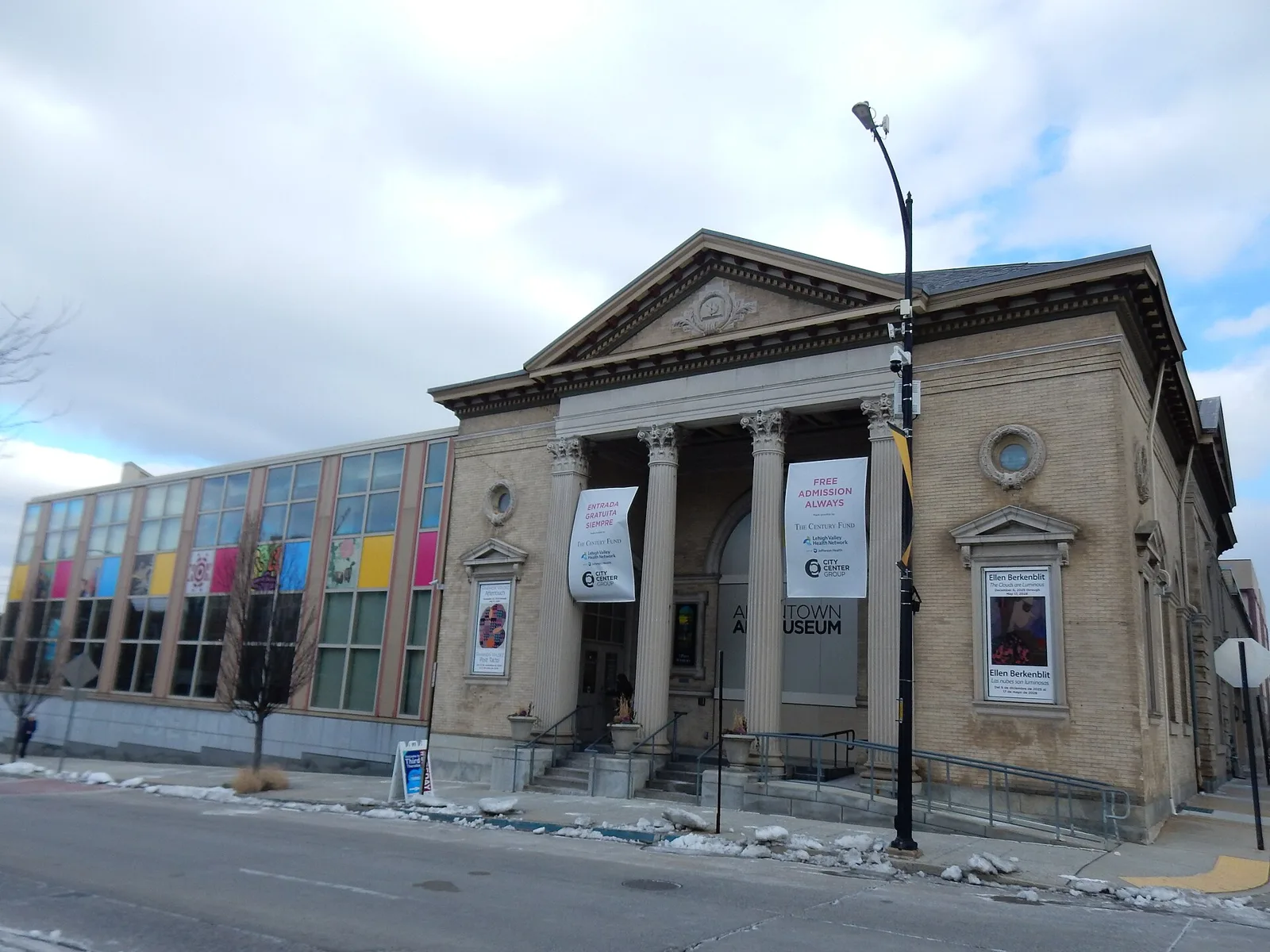
Allentown Art Museum Leaves Its Venturi, Scott Brown Addition for a New Studios Architecture Building
The Allentown Art Museum is moving to a new Studios Architecture building...
illustrarch Editoral Team2 Mins read
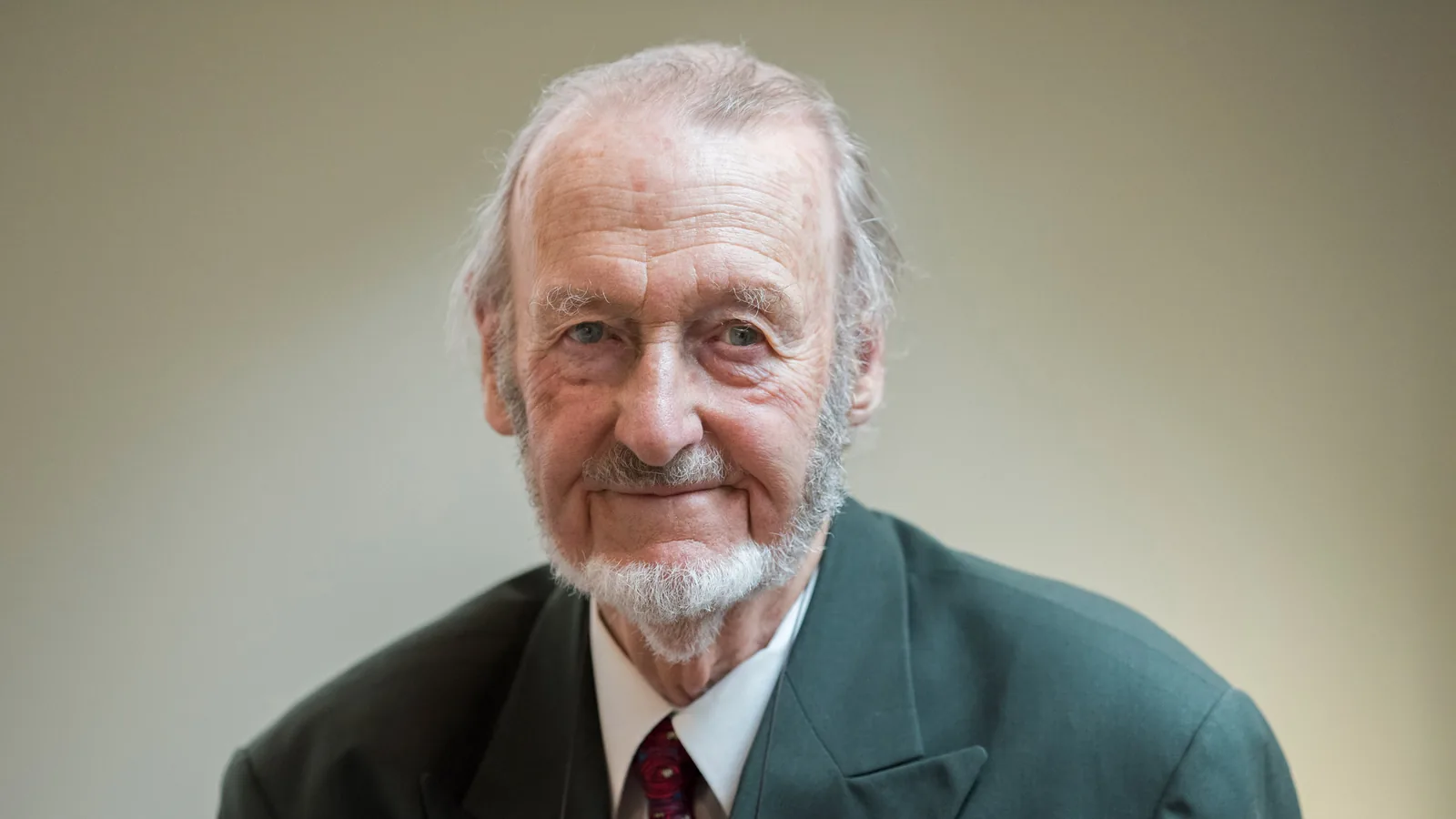
Donald Insall, the Conservation Architect Who Led Windsor Castle’s Restoration, Dies at 100
Donald Insall, the British architect who turned conservation into a planning discipline...
illustrarch Editoral Team2 Mins read


Leave a comment