

MVRDV and OODA’s Marvila Masterplan: Reconnecting Lisbon to the Tagus River
MVRDV and OODA's Marvila Masterplan transforms 28 hectares of fragmented industrial land on Lisbon's eastern riverfront into a connected urban district with 1,400 homes, a central park, and four distinct neighborhoods. This article covers the design strategy, landscape approach, mobility infrastructure, and phasing plan behind one of Lisbon's largest regeneration projects.
 Elif Ayse Sen22 May 202610 Mins read159
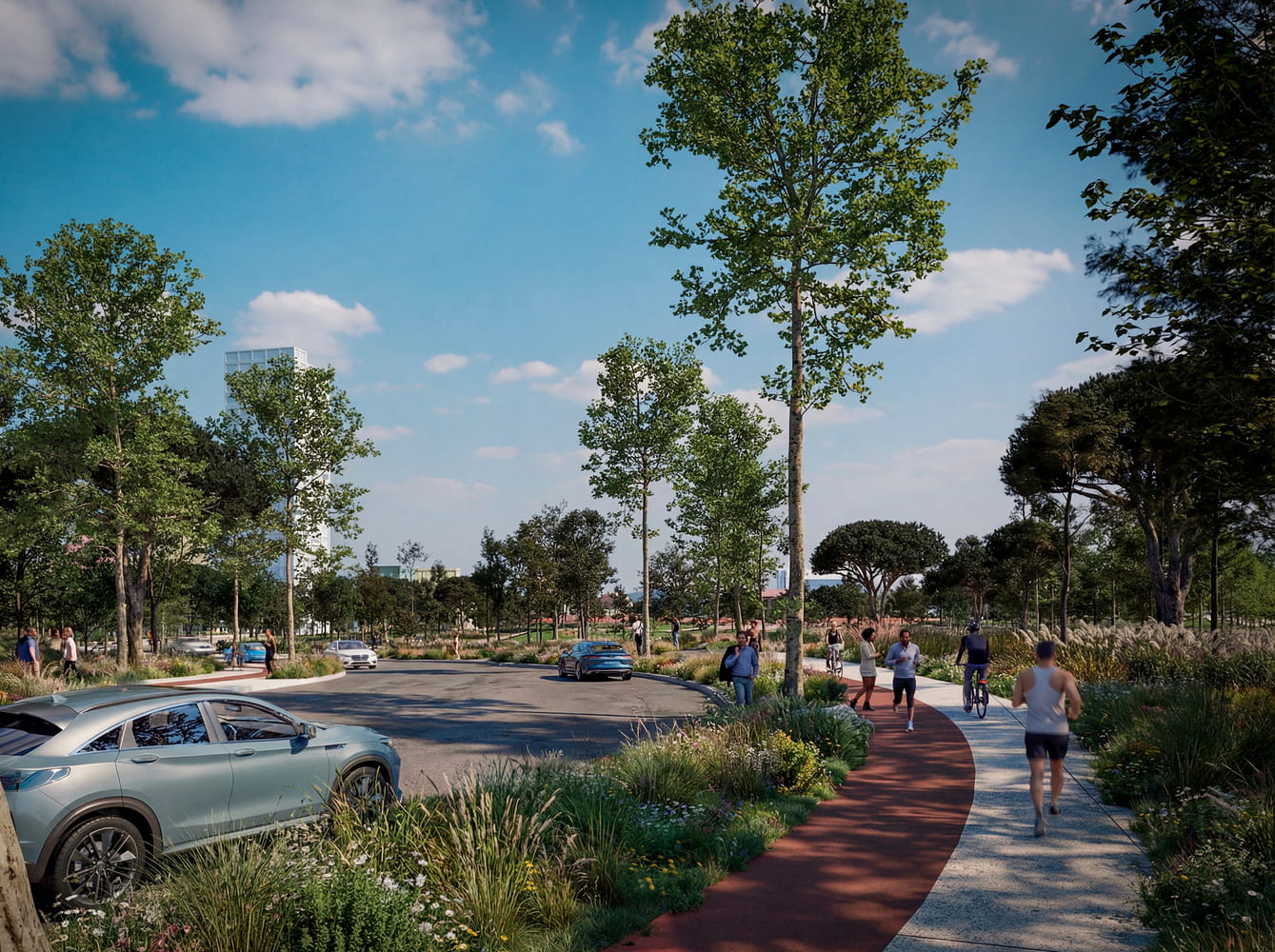
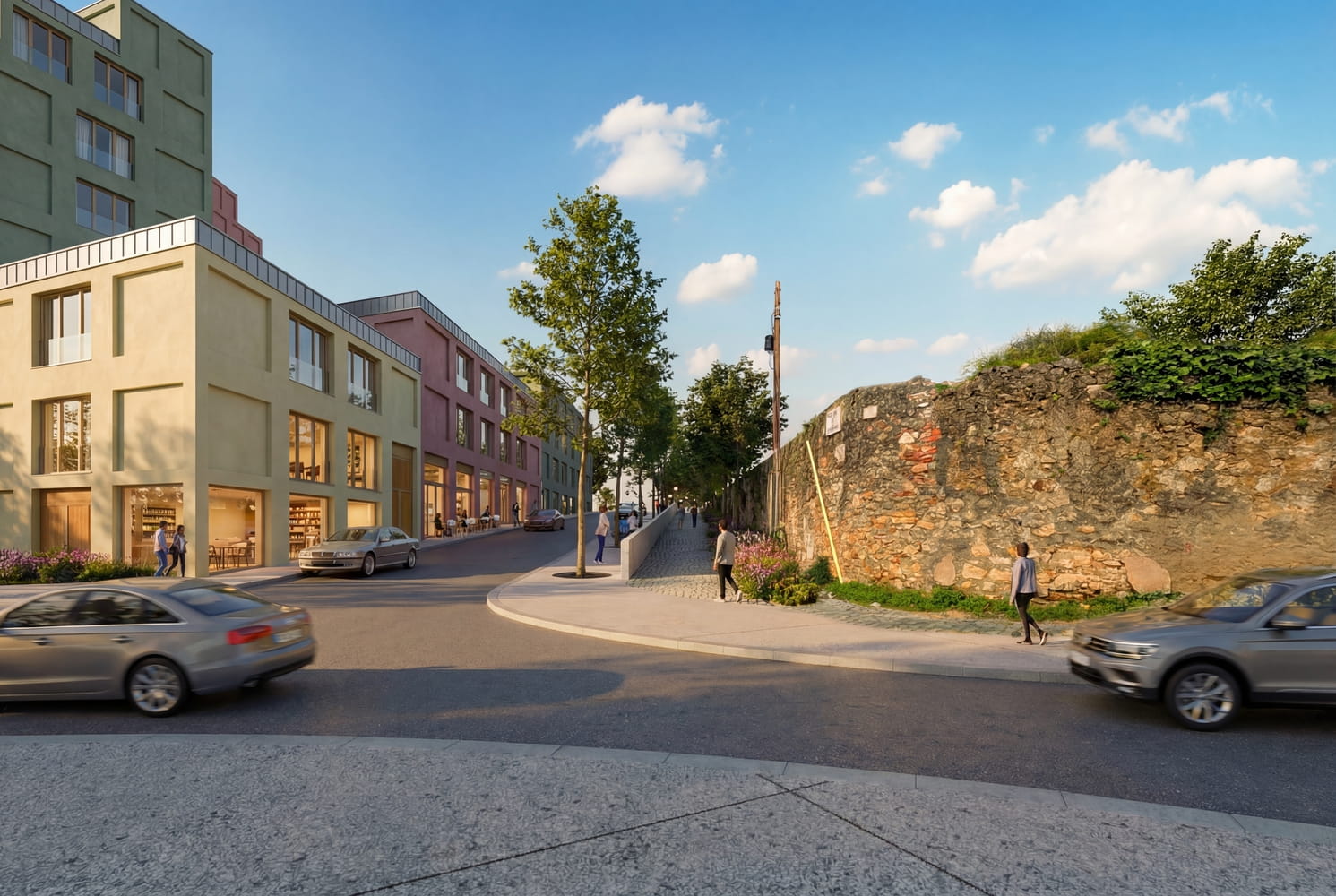
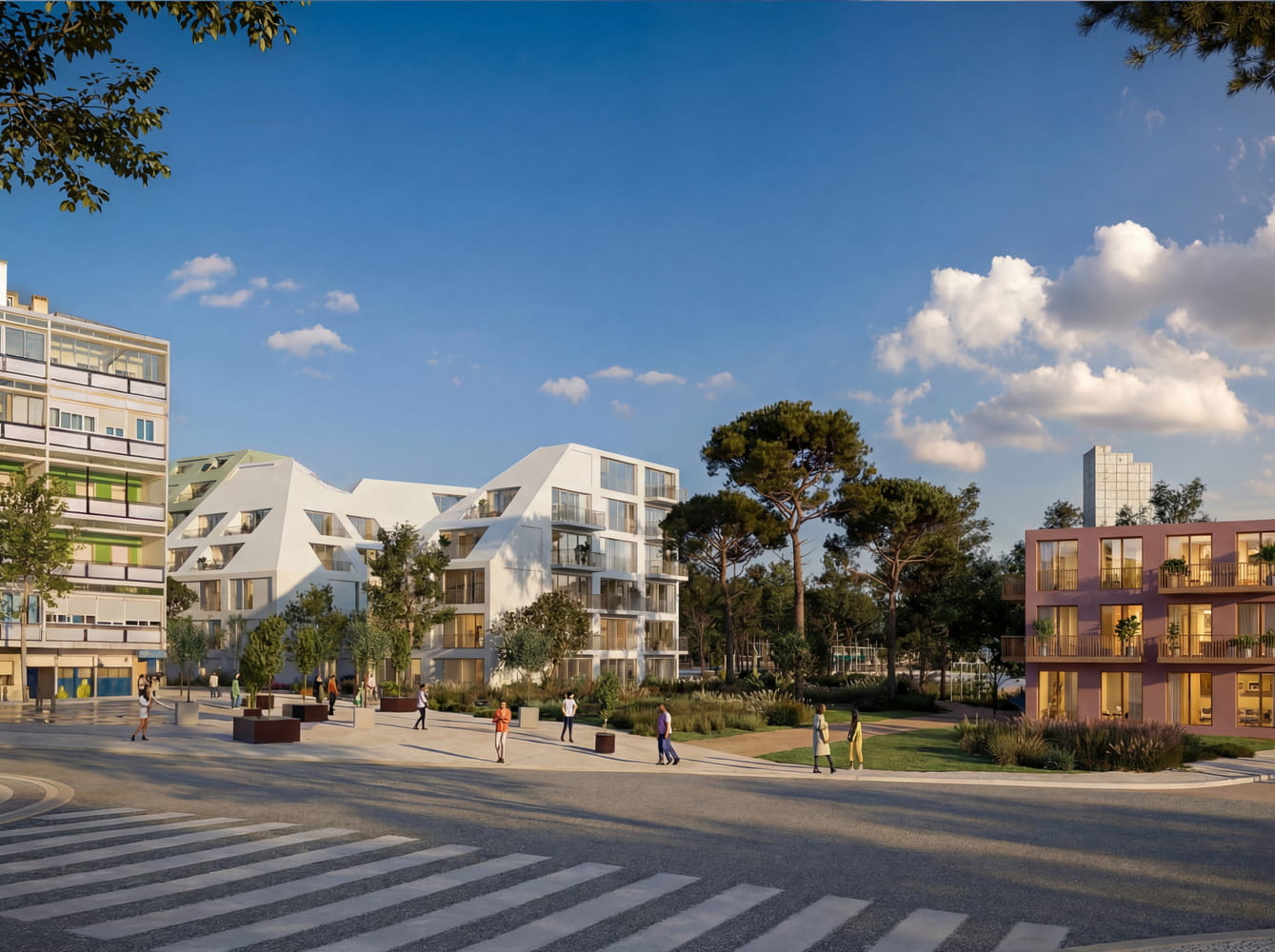
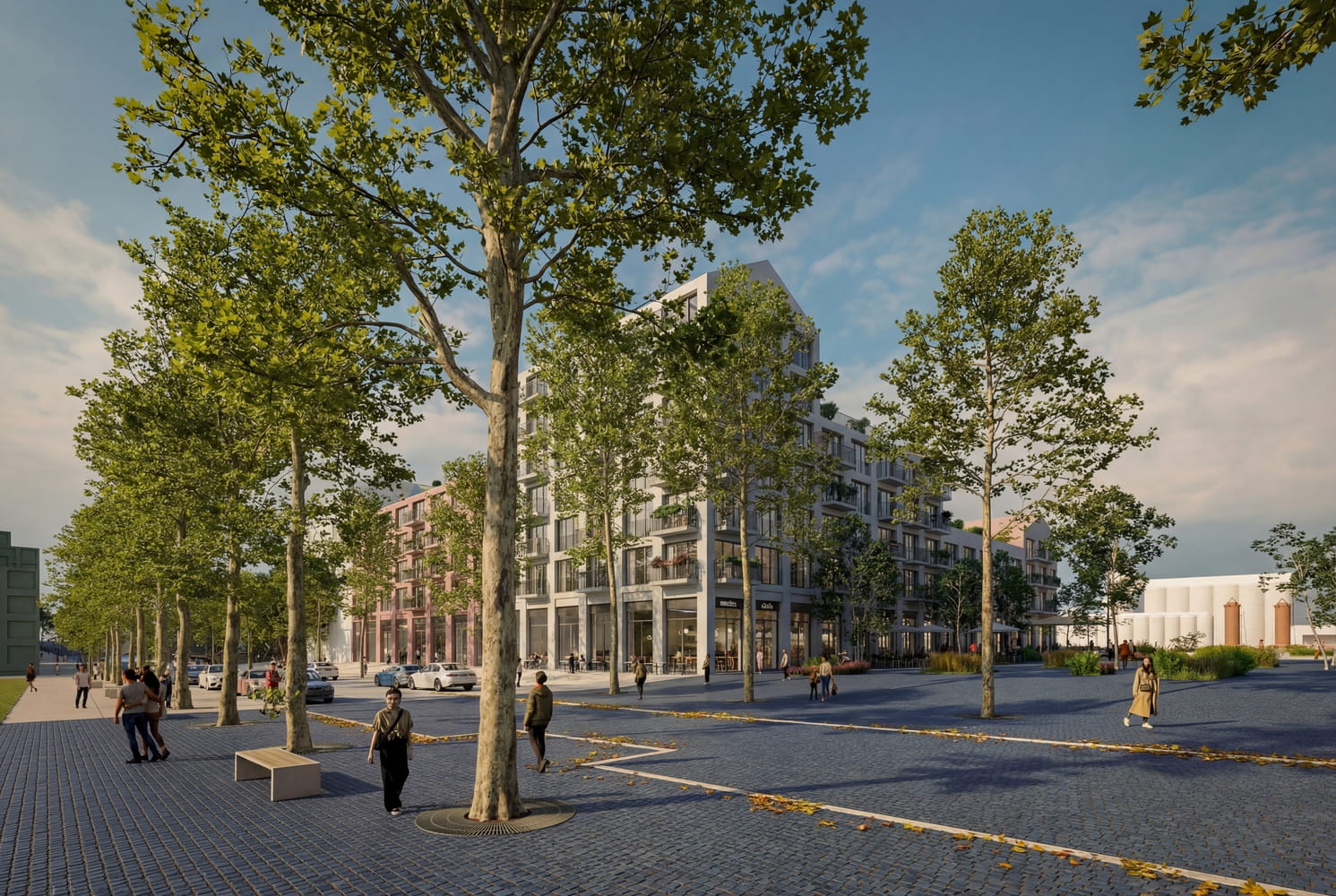
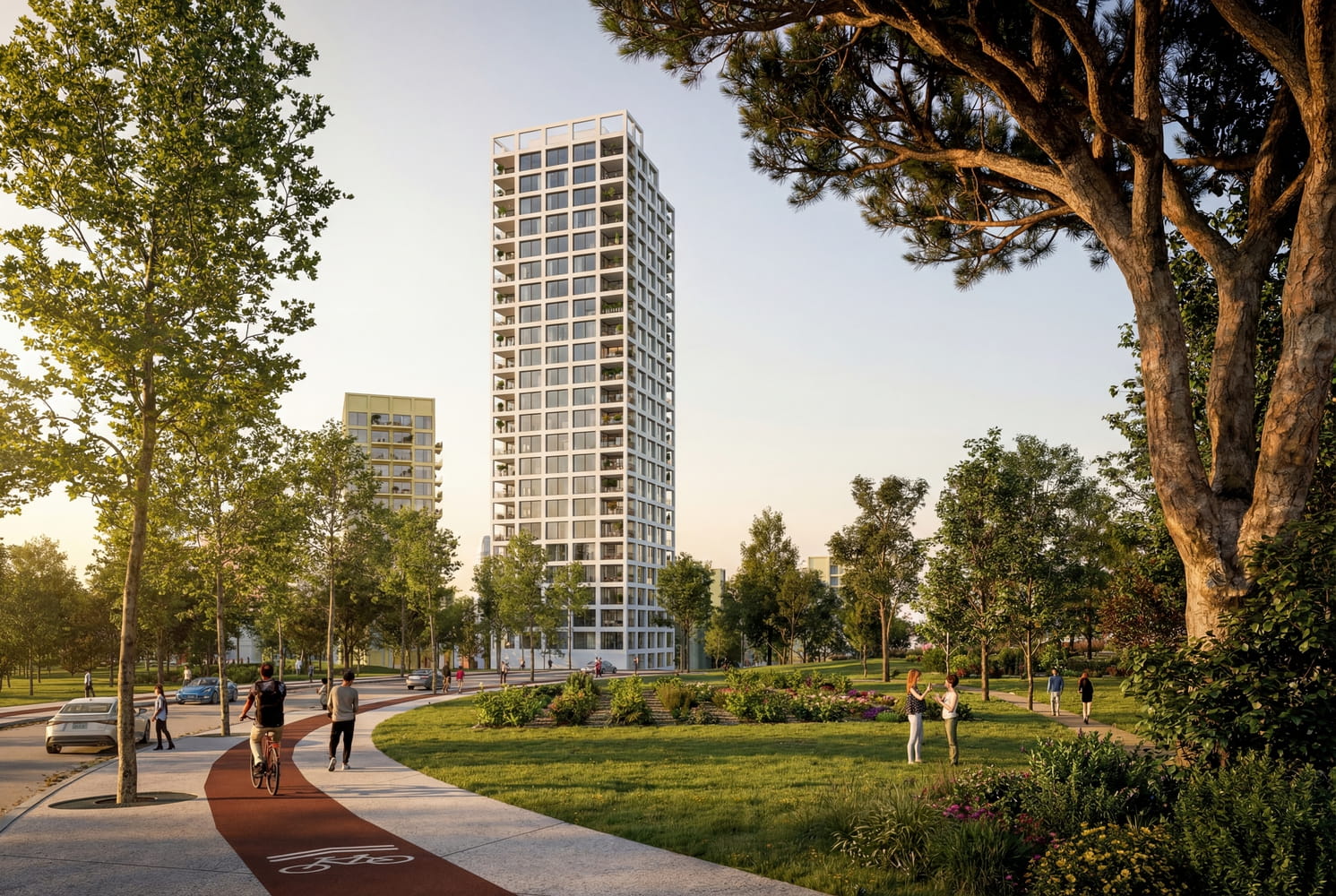
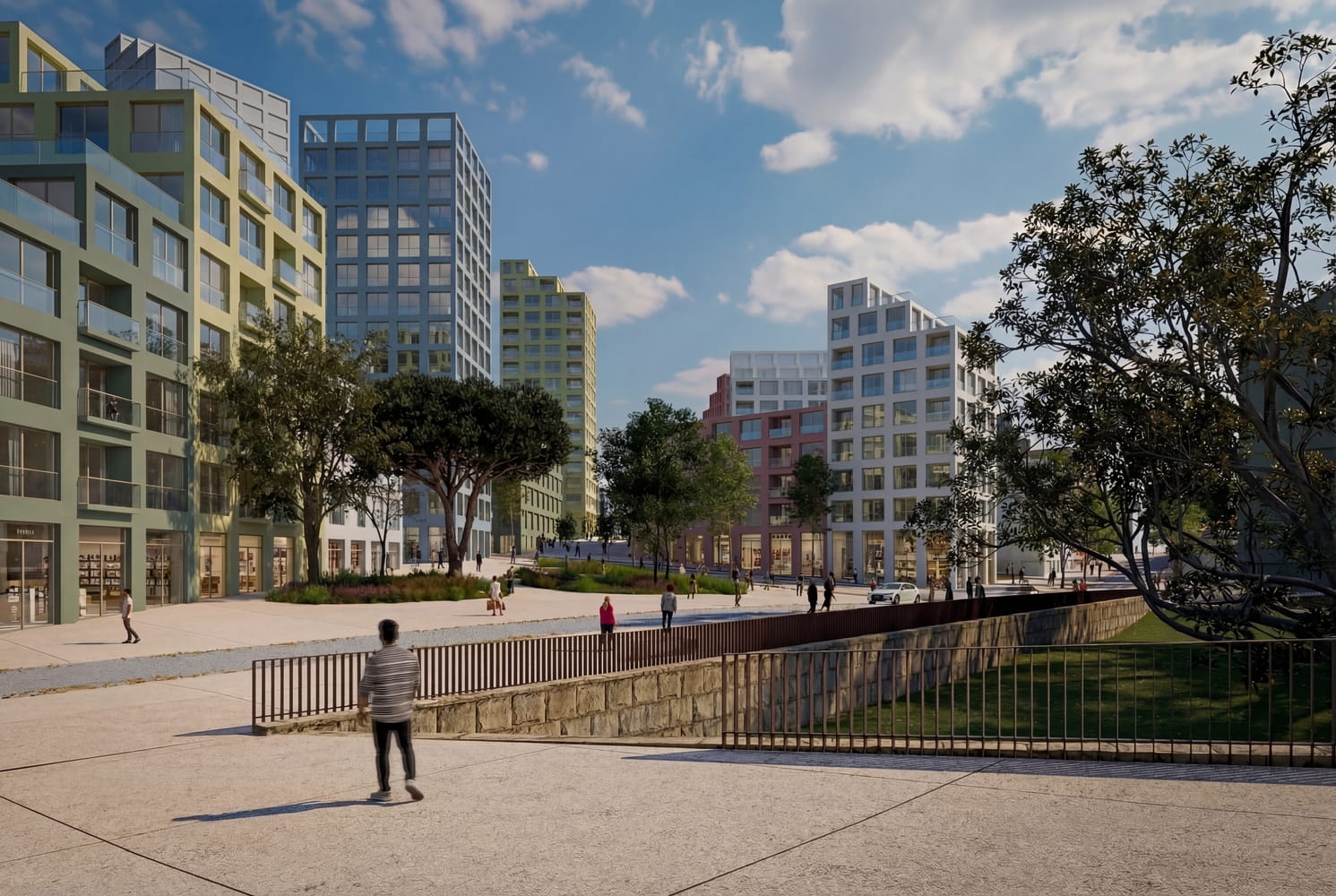
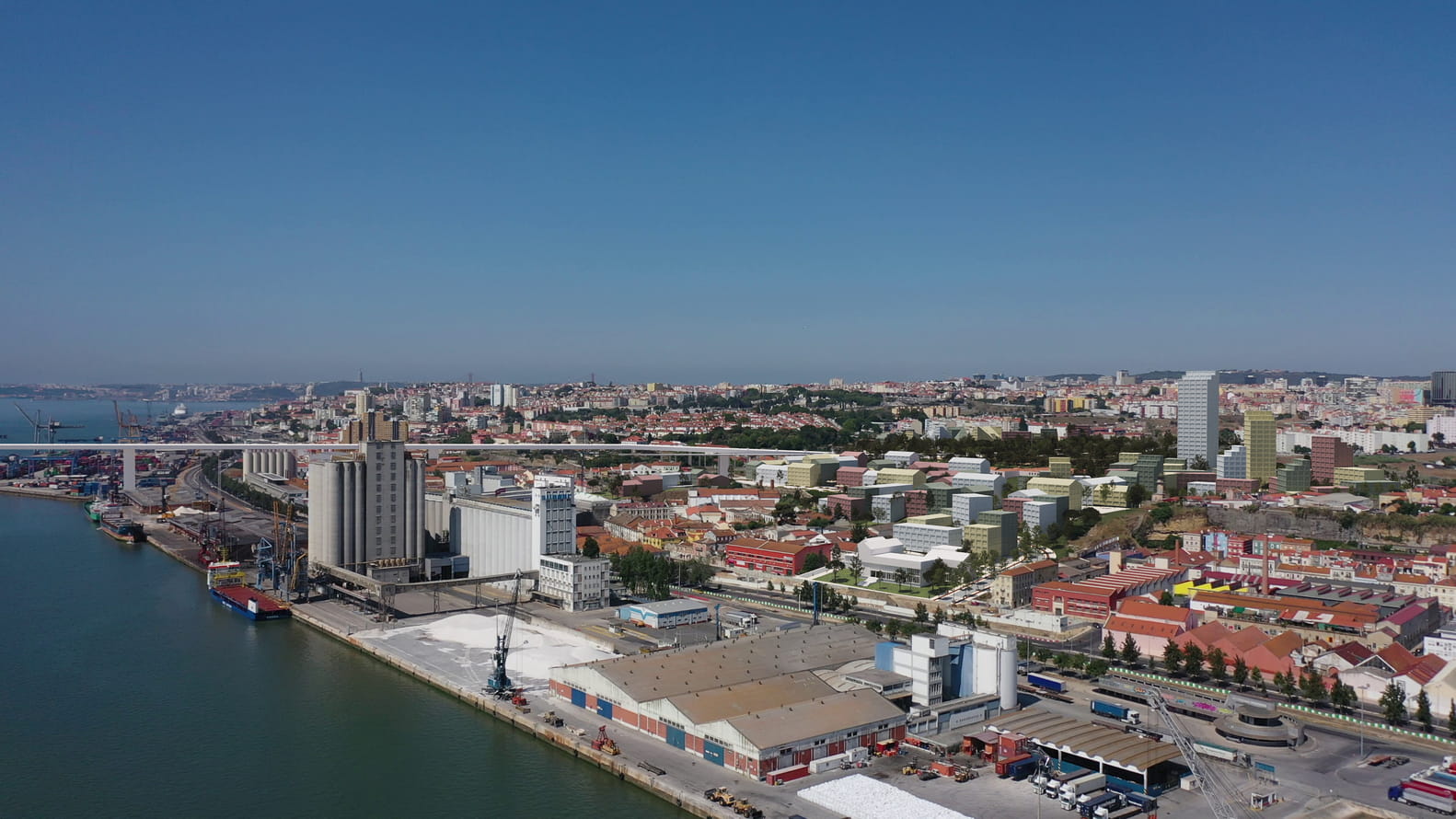
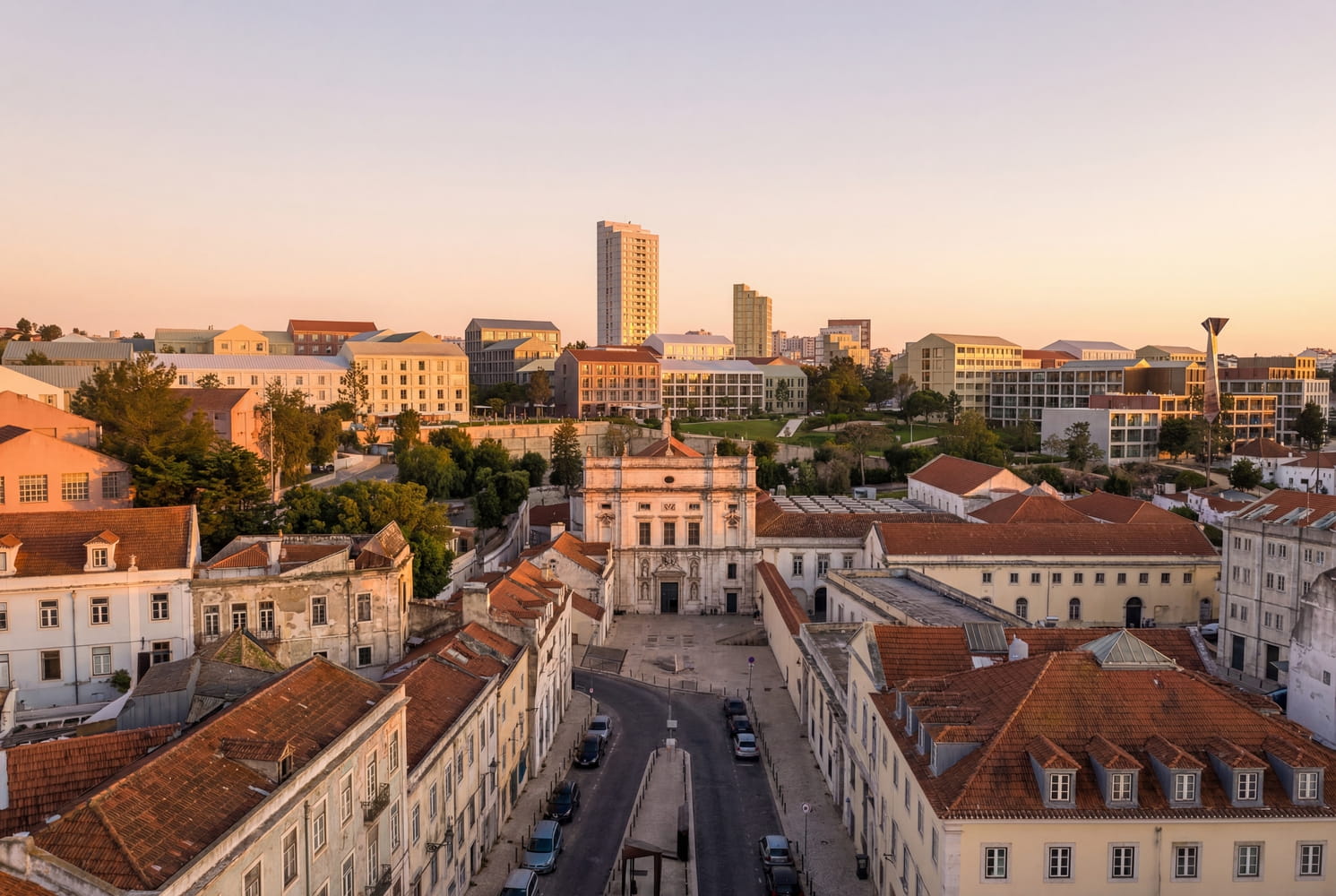
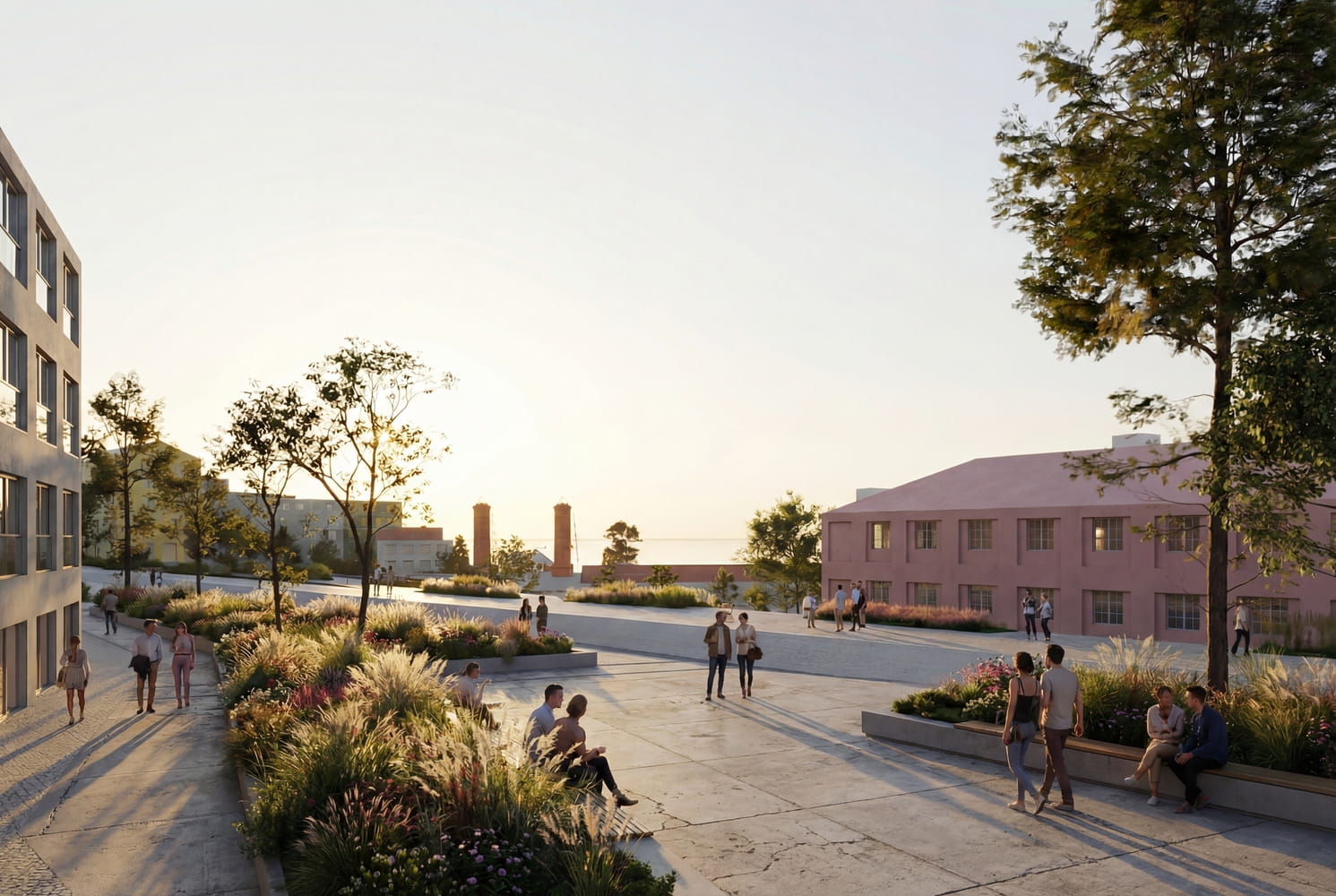
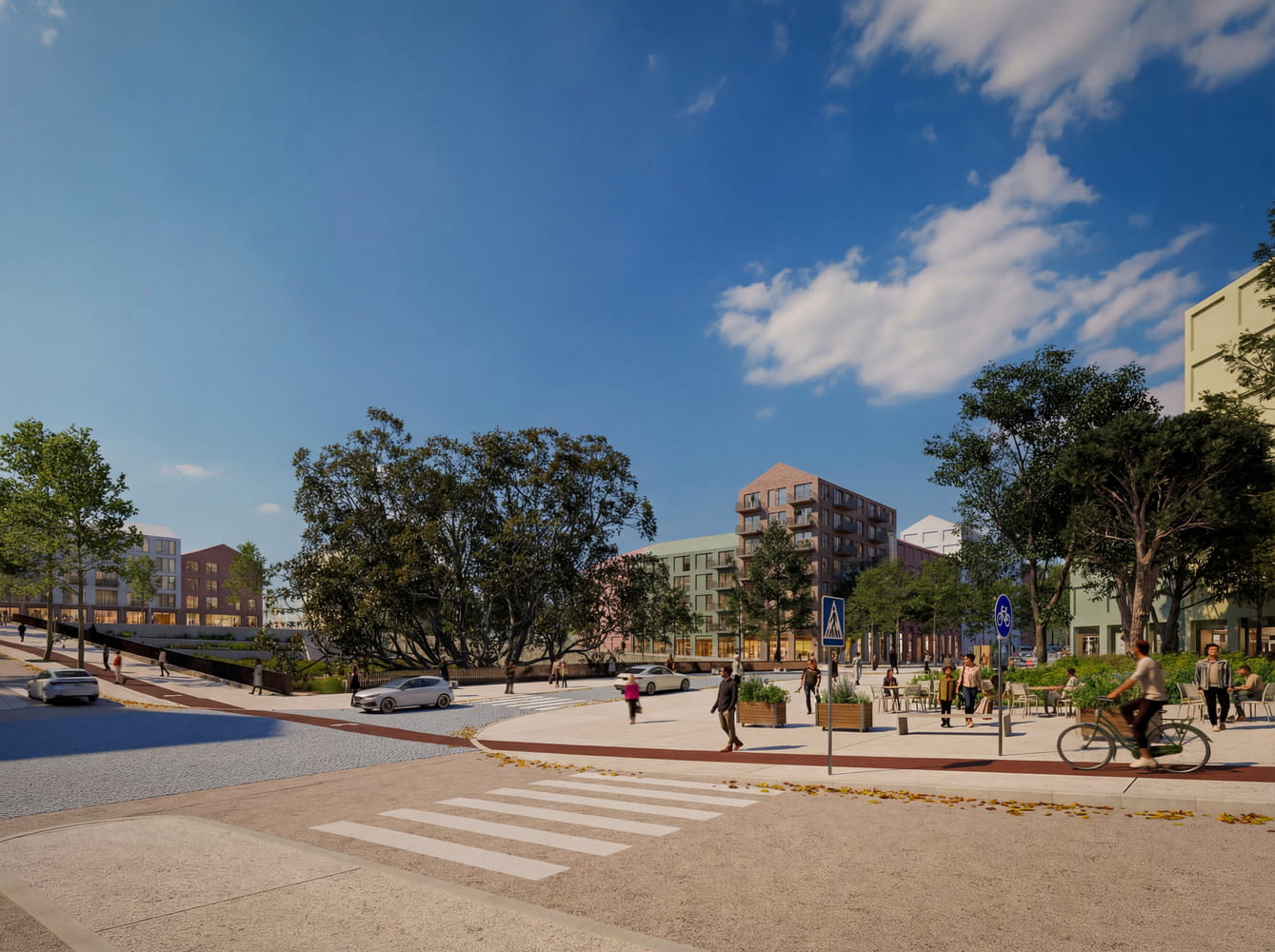
Table of Contents Show
MVRDV and OODA have unveiled the Marvila Masterplan, a 28-hectare urban regeneration project on Lisbon’s eastern riverfront that will deliver approximately 1,400 homes, public facilities, commercial spaces, and a continuous network of parks and green corridors. Approved by Lisbon City Council, the project turns a fragmented industrial zone between Marvila and Beato into a landscape-driven urban district structured around four distinct neighborhoods.
The Marvila Masterplan: Site History and Context
The Marvila site sits on Lisbon’s eastern riverfront, positioned between the city center and the Parque das Nações district. Before industrialization in the late eighteenth century, the land was agricultural territory owned by wealthy Lisbon families. Over the following two centuries, factories, warehouses, and railway infrastructure gradually transformed the area into an industrial zone. When those industries declined, the site was left with vacant plots, obsolete infrastructure, and limited public space.
Railway lines crossing the territory created physical barriers that cut the neighborhood off from its surroundings and from the River Tagus. Despite being located in a strategically valuable position between central Lisbon and one of its most modern districts, Marvila remained disconnected and largely underused. The masterplan by MVRDV and OODA architecture responds directly to this condition. Rather than treating the site as a blank slate, the design team read the existing layers of infrastructure, topography, and heritage as starting points for a new urban framework.
Jacob van Rijs, founding partner at the architectural firm MVRDV, described the core idea behind the project: the plan turns the infrastructure that once divided Marvila into connections, using landscape and public space to reconnect neighborhoods with each other, with the city, and with the river.
💡 Pro Tip
When studying large-scale masterplans, pay close attention to how designers handle existing infrastructure. The most effective regeneration projects treat railways, roads, and industrial remnants as design opportunities rather than obstacles. In Marvila’s case, the railway tracks become a platform for a new public deck rather than a barrier to be demolished.
How MVRDV Architecture Approaches Landscape-Led Urban Design
MVRDV architecture projects are often recognized for their bold formal gestures, from the bowl-shaped Depot Boijmans Van Beuningen in Rotterdam to the terraced Valley building in Amsterdam. The Marvila Masterplan, however, represents a different register of the firm’s work. Here, the design strategy is driven by landscape rather than by a single architectural object. The central organizing element is a continuous park system that links all four districts through a sequence of squares, gardens, courtyards, and green corridors.
This approach reflects a growing trend in sustainable urban design, where ecological infrastructure and public amenity operate as a single system. The park integrates walking and cycling paths, urban allotments, sports areas, and event spaces. It also functions as ecological infrastructure, incorporating water retention and infiltration zones alongside drought-resistant planting and habitats for local species.
The landscape strategy was developed in close collaboration with LOLA Landscape Architects, with Peter Veenstra serving as partner in charge. LOLA brought expertise in designing public landscapes that balance ecology, recreation, and urban connectivity. Their involvement ensured that the green infrastructure is not decorative but structural, forming the backbone of the entire plan.
Four Districts, Four Identities
The masterplan organizes its 278,896 square meters of development into four distinct clusters, each named after and related to an adjacent existing neighborhood. This structure allows the project to create recognizable local identities while maintaining a connected urban system across the full site.
Açúcar
Named after the area’s sugar refining heritage, this cluster occupies the southern portion of the site closest to the riverfront. It includes residential blocks paired with ground-floor commercial space and direct access to the waterfront park system.
POLU
This district focuses on mixed-use development with a higher proportion of public facilities. It sits at the geographic center of the masterplan, functioning as a civic anchor for the broader neighborhood.
Beato
Adjacent to the historic Convento do Beato, this cluster is designed with particular sensitivity to the existing heritage context. Building heights and massing respond to the scale of the convent and surrounding fabric.
Madre Deus
The northernmost cluster connects to the hillside neighborhood of Madre de Deus. Its buildings step up with the topography, creating a gradual transition between the lower riverfront area and the elevated city fabric above.
Building heights and densities vary across all four areas. Courtyards, open blocks, and pedestrian routes are designed to maintain permeability across the site, ensuring that no cluster becomes an isolated enclave. The approximately 1,400 homes include a range of typologies, with affordable and social housing integrated alongside market-rate units.
🎓 Expert Insight
“A project of this scale is always a long-term commitment to a place and its people. What we set out to define was not just a plan, but a structure resilient enough to evolve, one that will serve Lisbon well beyond the first phase of development.”
Rodrigo Vilas-Boas, Partner at OODA
Vilas-Boas’s emphasis on long-term resilience reflects a key principle in OODA architecture’s practice. The masterplan is designed as a flexible framework rather than a fixed blueprint, allowing individual buildings and public spaces to be refined as the project moves through its phased implementation.
How Does the Masterplan Reconnect Marvila to the River Tagus?
The most significant physical barrier on the site is the Northern Line railway, which runs through the area and has historically separated Marvila’s residents from the waterfront. The masterplan addresses this through two major infrastructure interventions.
First, a new deck will be placed over the Northern Line tracks. This deck removes the railway as a barrier while creating new public space and viewpoints over the Tagus. Pedestrian continuity between Chelas station and the waterfront will be restored, a connection that has been severed for decades. Second, a new public transport building for Marvila station is planned, strengthening integration with Lisbon’s rail network and making the area more accessible from other parts of the city.
The road network across the site will also be reorganized. New connections at different topographic levels will prioritize pedestrian and cycling routes between Marvila and surrounding neighborhoods. This approach echoes the principles seen in other recent public space design projects where infrastructure serves pedestrians first and vehicles second.
Heritage Preservation Within the MVRDV and OODA Masterplan
The Marvila site is not an empty lot. Several existing cultural and natural elements carry significant value, and the masterplan incorporates them as active components of the new urban fabric rather than isolated monuments.
The Convento do Beato, a historic convent that has been repurposed over the years for various uses, sits adjacent to the Beato cluster. The masterplan’s massing and height strategy around this area responds to the convent’s scale, ensuring that new development frames rather than overwhelms the heritage structure.
A centuries-old rubber tree on the site will become the focal point of a new public square. Preserving mature trees within development sites is a practice that is gaining wider adoption in waterfront park design, where existing vegetation serves as both an ecological anchor and a symbol of continuity.
📌 Did You Know?
The Marvila district was historically one of Lisbon’s primary industrial zones, home to sugar refineries, textile factories, and military warehouses. Before that, the area served as farmland for wealthy Lisbon families during the medieval period. The new masterplan is, in a sense, the site’s fourth major identity shift: agricultural land, industrial zone, abandoned territory, and now a mixed-use urban district.
Climate Resilience and the Landscape Strategy
The landscape approach developed by LOLA Landscape Architects addresses climate resilience at multiple scales. Water retention and infiltration zones are distributed across the site, managing stormwater locally rather than relying entirely on the city’s drainage network. Drought-resistant planting has been selected to reduce irrigation demand and to create habitats that support local species.
The masterplan also anticipates the construction of the Third Tagus Crossing bridge (TTT), a major piece of infrastructure that will pass through the site. Rather than ignoring this future condition, the plan incorporates green buffers and covers portions of the bridge infrastructure to reduce noise and visual impact on the neighborhoods below. This kind of forward planning for infrastructure that does not yet exist is unusual in masterplan design and reflects the project team’s long-term perspective.
Each phase of construction includes the simultaneous implementation of public spaces and green infrastructure. This phasing strategy means the site will not spend years as an active construction zone without usable public space. Residents and visitors will be able to access parks, gardens, and pedestrian routes even while later phases of construction continue.
💡 Pro Tip
When evaluating urban masterplans, check whether the phasing plan includes early delivery of public space. Projects that delay parks and pedestrian infrastructure until the final phase often create years of hostile construction environments for early residents. The Marvila approach, delivering green infrastructure alongside each building phase, sets a strong precedent.
The Project Team Behind the Landscape-Led Masterplan for Lisbon
The Marvila Masterplan is the product of a consortium led by MVRDV and OODA. The MVRDV firm architecture team was led by founding partner Jacob van Rijs and partner Fokke Moerel, with Stephan Boon, Maria Stamati, Thiago Maso, and Enno Zuidema among the design team members. OODA’s contribution was led by partner Rodrigo Vilas-Boas, with designers including Diogo Brito, Francisco Lencastre, and Julião Pinto Leite.
LOLA Landscape Architects handled the landscape design under partner Peter Veenstra, while Thornton Tomasetti provided structural engineering and climate resilience consulting. The structural engineering team, led by Daniel Bosia, brought experience from large-scale regeneration projects including Hudson Yards in New York. Project coordination was managed by PFXCO.
The client is 1875 FINANCE, the principal landowner and private initiator of the project. Development has been coordinated with Lisbon City Council and Infraestruturas de Portugal, the national infrastructure authority. This collaborative model between private initiative and public oversight is characteristic of large-scale European regeneration projects, where municipal planning frameworks guide privately funded development.
What Are the Next Steps for the Marvila Masterplan?
The masterplan has already passed through two rounds of public consultation, allowing community input to shape both the program and design. Following anticipated approval during the Execution Unit phase by Lisbon City Council, several procedural steps remain before construction can begin.
The next milestones include an Environmental Impact Assessment, urbanization works to prepare the site, and land subdivision that will establish the legal framework for individual building plots. These steps establish the conditions for the area’s long-term transformation but also mean that the project timeline extends well beyond a single construction cycle.
This is consistent with MVRDV and OODA’s other collaborative work in Portugal. The two firms were previously selected together to design an eco-city within the city of Matosinhos, transforming the former Galp Energia refinery into a green innovation district. That project, also developed with LOLA and Thornton Tomasetti, shares a similar emphasis on landscape infrastructure, phased development, and heritage integration.
How Does the Marvila Project Compare to Other European Riverfront Regenerations?
The Marvila Masterplan joins a growing list of European riverfront regeneration projects that prioritize landscape and public space over pure real estate density. Several recent proposals share similar principles, though each responds to its own local conditions.
MVRDV’s own Tour & Taxis Towers project in Brussels, which recently received its construction permit, applies low-carbon construction methods to a mixed-use development on a former industrial site. In Budapest, a consortium led by Coldefy and CITYFÖRSTER won the competition for Rákosrendező, a masterplan that transforms a brownfield rail yard into a rewilded urban district. Both projects reflect the same shift toward treating urban regeneration as an ecological project first and a real estate project second.
The Ion Riva Master Plan in Istanbul, where MVRDV is one of three international firms designing district-level interventions, applies a landscape-led strategy to a coastal site on the Black Sea. That project shares the Marvila plan’s emphasis on delivering green infrastructure alongside residential development rather than treating parkland as an afterthought.
🏗️ Real-World Example
HafenCity (Hamburg, 2001-ongoing): Europe’s largest inner-city development project transformed 157 hectares of former port and industrial land into a mixed-use urban district with 7,500 residential units. Like the Marvila plan, HafenCity uses a phased approach with public space delivery alongside each construction phase, and addresses flood resilience through elevated ground levels. After more than two decades of development, it is approximately 60% complete.
MVRDV and OODA’s Broader Architectural Portfolio
The Marvila Masterplan sits at the intersection of both firms’ core interests. MVRDV, founded in 1993 by Winy Maas, Jacob van Rijs, and Nathalie de Vries in Rotterdam, has built a portfolio spanning residential, cultural, and commercial buildings alongside large-scale urban plans. Projects like the Markthal in Rotterdam, Depot Boijmans Van Beuningen, and Valley in Amsterdam demonstrate the firm’s consistent interest in combining density, public life, and landscape within a single building or district. For a broader look at MVRDV architecture projects, see our overview of MVRDV’s top projects and their work in heritage building restoration.
OODA, a Porto-based practice led by Rodrigo Vilas-Boas, has built its reputation on projects including the Douro Hotel, Matadouro, and Miramar Tower. The firm operates from offices in Porto, Lisbon, and Tirana, working across housing, culture, hospitality, and masterplanning. OODA architecture brings local Portuguese context to the collaboration, ensuring that the Marvila plan responds to Lisbon’s specific regulatory, cultural, and climatic conditions rather than importing a generic European template.
The partnership between MVRDV and OODA is not a one-off arrangement. Their repeated collaboration across multiple Portuguese projects (Marvila, Matosinhos) suggests a working relationship built on complementary strengths: MVRDV’s global design reputation and research-driven methodology paired with OODA’s local knowledge and regulatory navigation.
Marvila Masterplan Project Details at a Glance
| Category | Details |
|---|---|
| Project Name | Marvila Masterplan |
| Location | Lisbon, Portugal |
| Site Area | Approximately 28 hectares |
| Total Program | 278,896 m² (housing, retail, landscape, public infrastructure) |
| Residential Units | Approximately 1,400 homes |
| Architects | MVRDV and OODA (consortium) |
| Landscape Architect | LOLA Landscape Architects |
| Structural Engineer | Thornton Tomasetti |
| Client | 1875 FINANCE |
| Status | Approved by Lisbon City Council; Environmental Impact Assessment pending |
✅ Key Takeaways
- MVRDV and OODA’s Marvila Masterplan covers 28 hectares on Lisbon’s eastern riverfront, delivering approximately 1,400 homes and nearly 279,000 m² of mixed-use development.
- The project is organized into four distinct districts (Açúcar, POLU, Beato, and Madre Deus), each with its own character but connected through a continuous park system.
- A new deck over the Northern Line railway tracks and a redesigned Marvila station will restore pedestrian connections between the hilltop neighborhoods and the waterfront.
- Climate resilience measures include water retention zones, drought-resistant planting, and green buffers around future bridge infrastructure.
- Each construction phase includes the simultaneous delivery of public spaces and green infrastructure, preventing the site from becoming an inaccessible construction zone during development.
Final Thoughts
The Marvila Masterplan by MVRDV and OODA is significant not because it proposes something radical, but because it applies proven principles at a scale and level of detail that few European regeneration projects achieve. The landscape-led masterplan for Lisbon puts park infrastructure, pedestrian connectivity, and phased public space delivery at the center of the design strategy. By treating the site’s fragmented industrial heritage as a design resource rather than an obstacle, the project offers a blueprint for how cities can reclaim abandoned riverfront territory without erasing the character of surrounding neighborhoods.
As the project moves through its Environmental Impact Assessment and into construction, it will join a growing body of evidence that the most successful urban regeneration projects are those that build their public realm first and let the architecture follow.






Brussels’s €230m Kanal Museum Nears Opening as Questions Grow over Its Future Funding
Housed in a converted Citroën garage, Brussels's Kanal museum opens on 28...
 illustrarch Editoral Team1 Mins read
MoMA’s Full Disclosure Exhibition Traces Information Design from Hand-Drawn Data to AI Memories
Full Disclosure: The Edge of Information Design, curated by Paola Antonelli, is...
illustrarch Editoral Team2 Mins read
Zumthor’s Three New Buildings Open at Fondation Beyeler in Riehen
Peter Zumthor's Wyss Museum, Ammann Pavilion and Erlen Torhaus open at Fondation...
illustrarch Editoral Team4 Mins read

Benthem Crouwel Completes the Afsluitdijk Revamp with a Fish Passage and Domed Pumping Stations
The 32 km Afsluitdijk in the Netherlands has been raised, armoured and...
illustrarch Editoral Team2 Mins read


Leave a comment