

Best Architecture Competition Websites to Enter in 2026
A practical rundown of the best architecture competition websites, including Bustler, Buildner, UNI, YAC, and ArchDaily, with a comparison table and tips on picking the right platform for your goals and budget.
 Elif Ayse Sen22 October 20225 Mins read652

Table of Contents Show
Architecture competition websites are online platforms that publish, host, and promote design contests for students and professionals. The best options, such as Bustler, Buildner, UNI, and ArchDaily Competitions, list open calls, deadlines, prize details, and submission rules, helping you find briefs that match your skill level, budget, and design interests.
Entering design contests is one of the quickest ways to build a portfolio, test ideas, and gain visibility early in a career. Architectural competitions reward original thinking rather than years on the job, which is why students and young practices take them so seriously. The hard part is knowing where to look. The sites below consistently post credible open calls across different regions, budgets, and formats.
The Best Architecture Competition Websites to Follow
Each platform has its own personality. Some act as global news feeds that gather calls from everywhere, while others run their own themed contests with defined juries and prizes. Knowing the difference saves you time and points your energy toward the briefs that actually fit your work.
Bustler
Bustler is the leading listing site for competitions and events in the architecture and design fields. As the sister site of Archinect, it keeps the design community engaged with a steady stream of open calls, results, and event announcements from around the world. Its News section follows notable contests as they happen, and you can track fresh briefs through its social channels.
The strength of Bustler is breadth. You will find student ideas competitions sitting alongside major professional calls, which makes it a reliable first stop when you want to see everything that is currently open without hunting across a dozen tabs.
📌 Did You Know?
Bustler is the sister platform of Archinect, one of the oldest architecture communities on the web, founded back in 1997. That long-standing connection is a big reason its competition listings reach such a large and established professional audience worldwide.
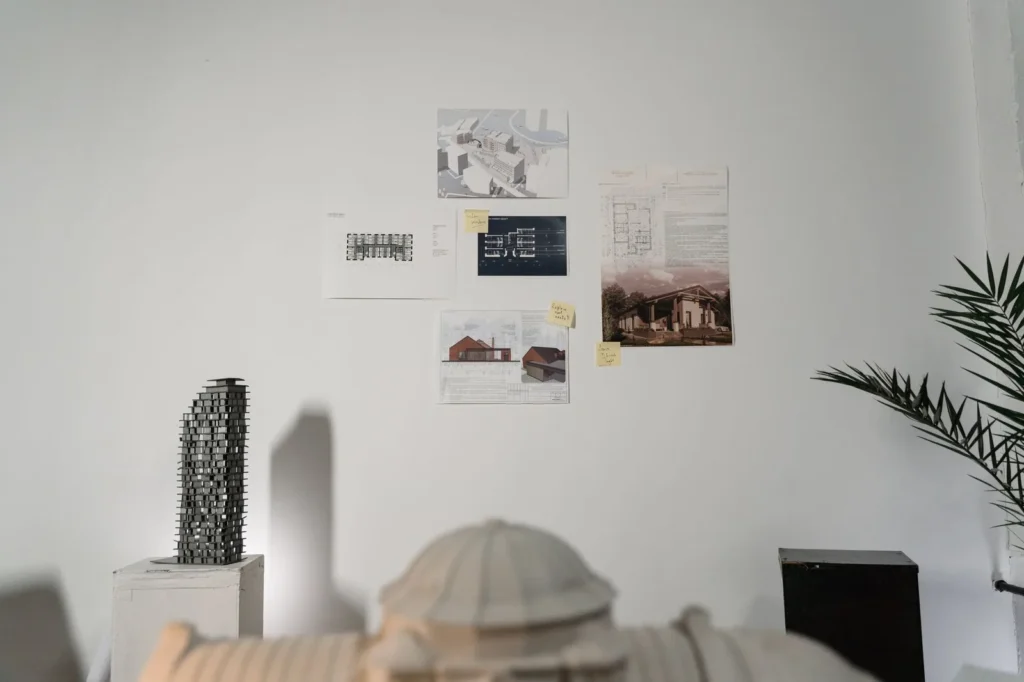
ArchDaily Competitions
ArchDaily runs a dedicated competitions section on the most-read architecture website in the world. Because ArchDaily vets what it publishes, the calls listed there tend to be credible and well organized, and any project you submit gains exposure to an audience of millions of readers and practitioners.
This platform suits entrants who care about reach. A shortlist or win featured on ArchDaily travels fast through the profession, which can matter more than the cash prize itself.
Buildner (Formerly Bee Breeders)
Buildner, known for years as Bee Breeders, runs a busy calendar of concept and ideas competitions. Its briefs range from small cabins and micro homes to museums and memorials, and the site is popular with students and young offices precisely because you can enter without a built track record.
Buildner also publishes results, winning boards, and jury feedback, so even if you do not place, you can study what strong entries looked like and apply that to your next submission.
💡 Pro Tip
Before you pay any registration fee, read the full brief and check who sits on the jury. Experienced entrants judge a contest by its panel and its past winners, not by the prize money. A strong jury means your work reaches people who can open real doors later in your career.
UNI
UNI hosts one of the largest collections of architecture and design challenges online. For students and the wider public, taking part in a UNI competition is a genuine chance to engage with the built environment through a range of scenarios, from small interventions to full urban design concepts.
UNI leans toward accessibility. Its briefs are structured for designers at every level, from newcomers to seasoned professionals, and the platform actively supports collaboration on projects that influence design thinking across regions.
YAC | Young Architects Competitions
YAC is an association built to support competitions for young designers, whether graduates or undergraduates. It advances design research by posing concrete questions about architecture and city planning, then rewards the strongest answers with prizes and real visibility in print and online.
Many YAC briefs center on cultural buildings and adaptive reuse, asking entrants to rethink abandoned or historic sites. That focus makes it a favorite for designers who enjoy giving forgotten places a new purpose.

Arquitectum
Arquitectum organizes international competitions tied to real, specific sites in major cities around the world. Instead of abstract themes, its briefs ask you to respond to an actual location and its context, which is excellent practice for the kind of site analysis that professional work demands. Because the plots are real, the constraints feel closer to a live commission than a purely theoretical exercise, and that realism is exactly why many entrants use Arquitectum to sharpen skills they can carry straight into the office.
Competitions.org
Competitions.org tracks professional and public-realm competitions, including many that lead to real commissions rather than concept prizes. It is a strong resource for licensed architects and established practices looking for calls with tangible outcomes and public clients. The listings often include civic buildings, memorials, and master plans, so the stakes and the deliverables tend to sit at the serious end of the scale rather than the student ideas competitions you find elsewhere.
World Architecture Community
World Architecture Community has run the respected WA Awards since 2006, across more than thirty cycles. The awards recognize architecture and interior design work in three categories, Designed, Realized, and Student, and give entrants a peer-reviewed way to have their projects noticed.
A useful feature is its reach into regions that receive less coverage from mainstream media, giving designers there a real channel to promote work that might otherwise go unseen.
Comparing the Top Platforms
How These Architecture Competition Websites Compare
The table below sums up what each platform does best so you can match a site to your goals at a glance:
| Website | Focus | Best For |
|---|---|---|
| Bustler | Global listings and design news | Tracking every open call in one place |
| ArchDaily Competitions | Vetted calls on a major media site | High-visibility, credible contests |
| Buildner | Concept and ideas competitions | Students and young offices building a portfolio |
| UNI | Community-driven design challenges | Beginners who want structured briefs |
| YAC | Themed contests for young designers | Cultural and adaptive-reuse concepts |
| Arquitectum | Site-specific international briefs | Real locations in major world cities |
| Competitions.org | Professional and public-realm calls | Licensed practices seeking commissions |
| World Architecture Community | Awards and peer recognition | Getting built and unbuilt work noticed |
How to Choose the Right Competition for You
With so many open calls at once, the smart move is to filter hard rather than enter everything. Start with your goal. If you want portfolio pieces, concept-driven sites like Buildner and YAC give you room to experiment. If you want commissions, Competitions.org and the site-specific briefs from Arquitectum sit closer to real practice.
Next, look at the budget. Concept contests often charge a small entry fee that funds the prize pool, while some professional calls are free but expect far more developed submissions. Match the effort to the reward, and be realistic about how many hours a polished board really takes on top of your studies or day job. Weigh these trade-offs honestly before you register, because entering costs both money and time.
⚖️ Pros & Cons at a Glance
✔️ Pros: Portfolio-ready projects, international exposure, freedom to test bold ideas, and direct contact with respected juries.
✖️ Cons: Registration fees add up, briefs demand real time, and win rates are low because the fields are crowded.
It also helps to learn from people who have already placed. Studying the winning strategies of architectural competition projects shows you how juries read boards, where entrants lose points, and why a clear narrative beats a busy one. Pair that with a habit of checking the latest architecture news so you never miss a deadline that suits your strengths.

Where to Go From Here
Your Next Step: Pick two of these architecture competition websites that match your current goal, subscribe to their newsletters, and add the next deadline to your calendar today. Committing to one realistic entry beats bookmarking ten you never start.





Futuro House Production Revived in Finland After Decades-Long Hiatus
A Facebook listing for abandoned moulds led to the first new Futuro...
 illustrarch Editoral Team3 Mins read

Building Your Dream Home in NSW: What You Should Know About Montgomery Homes
Montgomery Homes has been building across Sydney, Newcastle, the Hunter, Wollongong and...
illustrarch Editoral Team4 Mins read

Designing a Home Theater: Where Drapery Fits Into the Plan
In a media room the curtains are a performance layer, not decoration....
illustrarch Editoral Team3 Mins read

Oscar Niemeyer’s Cathedral of Brasília: The Hyperboloid Concrete Hymn
The Cathedral of Brasília reads as a single gesture, yet it stood...
 Furkan Sen7 Mins read


Leave a comment