

5 TV Series for Architects to Watch and Learn From
A rundown of five easy-to-stream TV series for architects, covering ambitious self-builds, pure design thinking, and clever small-space living, with notes on where to watch each show and the lessons practitioners can take away.
 Elif Ayse Sen20 October 20225 Mins read751

Table of Contents Show
The best TV series for architects turn downtime into design study, showing how buildings move from a rough sketch to a finished home. This guide covers five easy-to-stream shows that mix real construction, honest budgets, and creative problem solving, so you can relax and sharpen your eye at the same time.
Good design shows do more than fill an evening. They let you watch clients change their minds, budgets slip, and site problems appear long before the render ever hinted at them. For anyone who spends the working day drawing details, a well-made program about homes and design is both a break and a quiet lesson.
The five picks below are all available on mainstream streaming platforms or broadcaster catch-up services, and each one earns its place for a different reason. Some focus on ambitious self-builds, others on pure design thinking or clever small-space living.
Why should architects watch TV series about design?
Watching design unfold on screen shows the parts of practice that drawings hide: client psychology, phasing, cost control, and the gap between an idea and what actually gets built. A strong series for architects follows a project long enough to reveal those decisions, which makes it a useful reference as well as entertainment.
There is also value in seeing work outside your own specialism. A residential architect can learn from a documentary on graphic or product design, while a commercial designer can pick up ideas from a tiny home built on a trailer. The habit of borrowing across disciplines is one of the things that keeps a design practice fresh, and it often surfaces during client meetings when you can reference a real project everyone has seen. Shared cultural touchpoints make abstract design talk far easier to land.
💡 Pro Tip
Keep a notes app open while you watch. When a show reveals a budget overrun or a detail that fails on site, jot down the cause. Over a season you build a short list of real risks that is far more memorable than any checklist, and it feeds straight back into how you brief your own clients.
The 5 TV series for architects worth streaming
The lineup below moves from large self-build projects to pure design thinking and then to clever small-space living. Each entry notes the platform and the single reason it belongs on an architect’s watchlist.
At a glance: platform and why to watch
| Series | Platform | Why watch |
|---|---|---|
| Grand Designs | Channel 4 / streaming catch-up | Full self-build journeys with real budgets and setbacks |
| Abstract: The Art of Design | Netflix | Inside the minds of leading designers and architects |
| The World’s Most Extraordinary Homes | BBC / Netflix | An architect explains bold homes in extreme settings |
| Amazing Interiors | Netflix | Ordinary exteriors hiding surprising interior design |
| Tiny House Nation | FYI / Netflix | Space planning and storage in under 500 square feet |
Grand Designs
Kevin McCloud’s Grand Designs has been a fixture of British television since 1999, and it remains the clearest window into what a self-build really demands. Each episode follows one family or couple from the first sketch through planning, construction, and the emotional finish, often across a year or more of filming.
For architects the value is in the honesty. McCloud returns again and again to the same themes: overreaching budgets, weather delays, and clients who fall in love with a material they cannot afford. Watching those patterns repeat across seasons is a gentle reminder of how much of good practice is expectation management. You can check the show’s full run and episode history on its IMDb page.
🏗️ Real-World Example
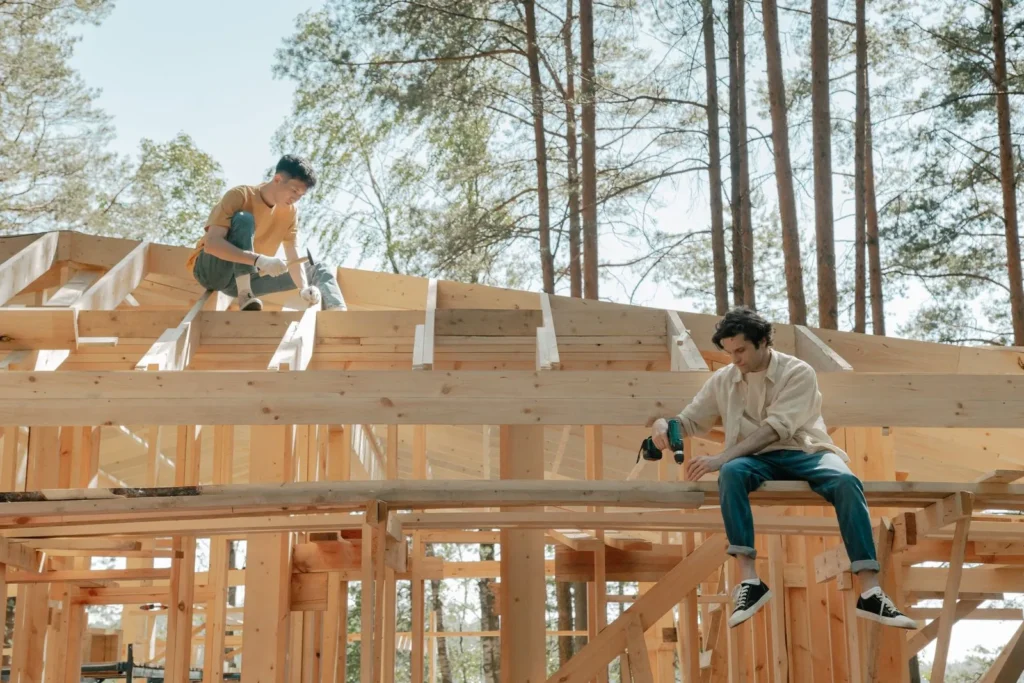
Chesil Cliff House (North Devon, 2019): Edward Short’s lighthouse-inspired home became one of the most talked about Grand Designs builds ever, running far over budget and taking years longer than planned. The episode is a case study in how ambition, coastal groundworks, and financing can collide on a single site.
Abstract: The Art of Design
Created by former Wired editor Scott Dadich, Abstract: The Art of Design arrived on Netflix in 2017 and treats designers as artists worth a full profile each. The series moves across graphic design, illustration, stage design, footwear, and architecture, giving each figure room to explain how they think rather than just what they made.
The architecture episode on Bjarke Ingels is the obvious draw for practitioners, but the value runs wider. Seeing how a shoe designer or a photographer frames a problem can loosen your own approach to a plan. The show pairs well with a broader watchlist, and our roundup of the best Netflix documentaries for architects is a good next step.
📌 Did You Know?
Abstract was Netflix’s first original documentary series devoted entirely to design, and its debut season included a full episode on Danish architect Bjarke Ingels, founder of BIG. It gave a mainstream streaming audience a rare look at how an architectural concept is argued and defended.
The World’s Most Extraordinary Homes
This BBC series, also carried on Netflix, pairs practising architect Piers Taylor with actor and property enthusiast Caroline Quentin as they tour remarkable houses grouped by setting: mountains, forests, coastlines, and underground. Taylor’s running commentary is what sets it apart, because he reads each building the way an architect would.
Where a standard property show admires the finishes, Taylor asks how the structure meets the ground, how it handles a steep slope, and why a cantilever was worth the cost. That technical lens makes it one of the more instructive shows for architects who want to see structural ideas in real settings. The full episode guide is listed on IMDb.
Amazing Interiors
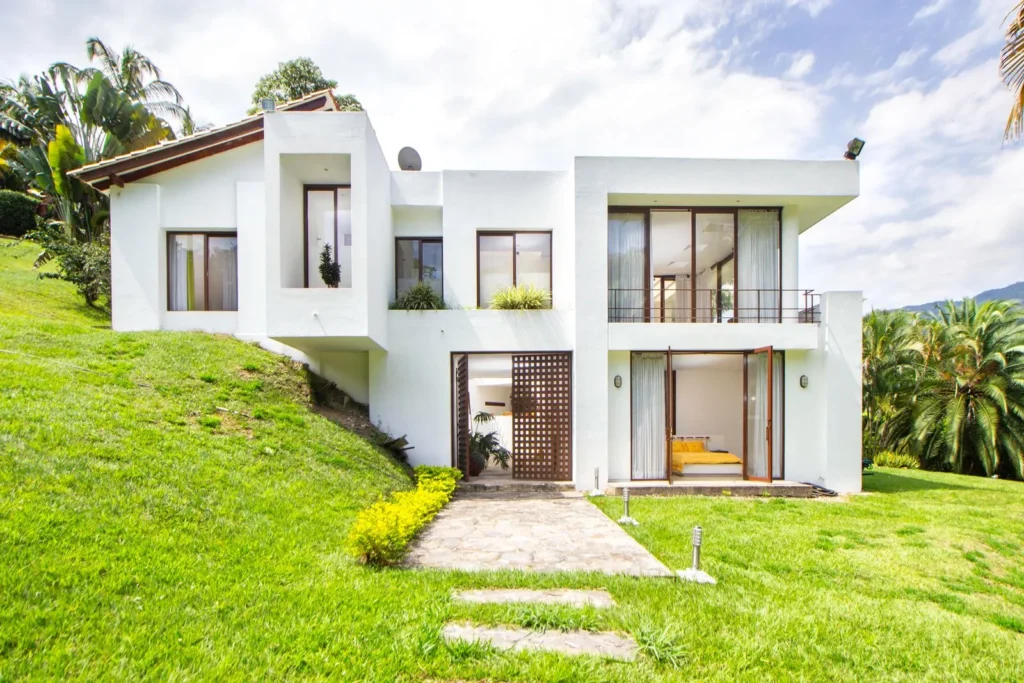
Amazing Interiors, a Netflix reality series from 2018, works on a simple twist: every home looks unremarkable from the street, then reveals something startling inside, from a full basement water park to a garage packed with restored cars. The first season runs twelve episodes, each covering three separate properties.
The lesson here is about the gap between facade and interior. For architects it is a reminder that a modest envelope can hold an ambitious plan, and that clients often care far more about the experience of a space than its street presence. It is light viewing, but it sparks ideas about how much personality can hide behind a plain elevation. The show also reflects how many owners now treat renovation as self-expression rather than resale strategy, which is a useful signal when you are reading a new client’s brief and trying to separate genuine priorities from passing wishlist items.
Tiny House Nation
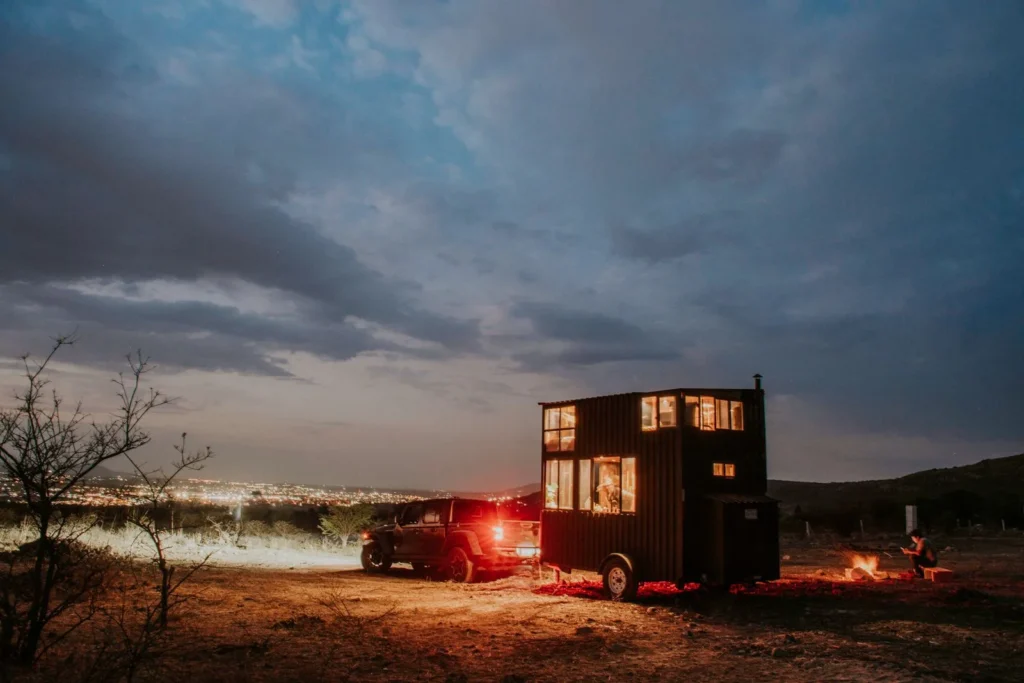
Hosts John Weisbarth and Zack Giffin travel across the United States helping people build homes of under 500 square feet in Tiny House Nation, which began on FYI in 2014 and later reached a wider audience on Netflix. Every build is a tight exercise in space planning, storage, and priorities.
Few formats show the discipline of small-space design as clearly. When every inch counts, decisions about circulation, dual-use furniture, and daylight become unavoidable. Architects working on micro-apartments, studios, or accessory dwelling units will find plenty of transferable detail, and the same instincts carry into any project where floor area is tight.
💡 Pro Tip
Treat small-space shows as storage catalogs. Pause on the built-in stairs, fold-down desks, and under-floor voids, then screenshot the ones that solve a problem you keep meeting. A short reference folder of tested space-saving details is worth more than a dozen mood boards when a client hands you a genuinely tight brief.
If you want to widen the list further, our guide to the best movies for architects covers feature films that treat buildings as characters, and ArchDaily keeps a running collection of architecture documentaries worth bookmarking.
Where to Start
Your Next Step: Pick the show that matches the project on your desk right now. If you are wrestling with a difficult self-build, start with Grand Designs; if you need a creative reset, open Abstract. Watching with a current problem in mind turns an evening off into research you can use the next morning.





Interior Design for Commercial Spaces: Enhancing Functionality and Brand Identity
Commercial interior design has to serve brand, function and regulation at once....
 Begum Gumusel4 Mins read

India Art, Architecture & Design Biennale 2026: Ministry of Culture Opens Delhi Monuments
Delhi's monuments, including Purana Quila and the Red Fort, will host the...
 illustrarch Editoral Team2 Mins read
Vitra Museum Stages First Major Geoffrey Bawa Retrospective in Decades
Vitra Design Museum opens the first major Geoffrey Bawa retrospective in 20...
illustrarch Editoral Team2 Mins read
Ai Weiwei Installs 500 Cast-Iron Helmets Outside Sydney Museum
Ai Weiwei's 500 cast-iron helmets opened outside Sydney's MCA on 25 September,...
illustrarch Editoral Team2 Mins read


Leave a comment