

What to Do in Summer as an Architecture Student
Architecture students can enhance their skills during summer by participating in workshops, internships, travel, reading, competitions, and learning new software.
 Elif Ayse Sen6 August 20236 Mins read544

Table of Contents Show
Summer break gives architecture students two things the semester never does: time to rest and time to explore architecture beyond the classroom. Used well, it is also a bridge to the next step, whether that is a first internship, a competition entry for your portfolio or a new skill your next studio will need. This guide groups the best things to do in summer as an architecture student into five areas (experience, competitions, courses, travel and sketching, and rest) and ends with a simple plan for splitting the break between them.



Gain Experience: Internships and Volunteering
Architecture Internships
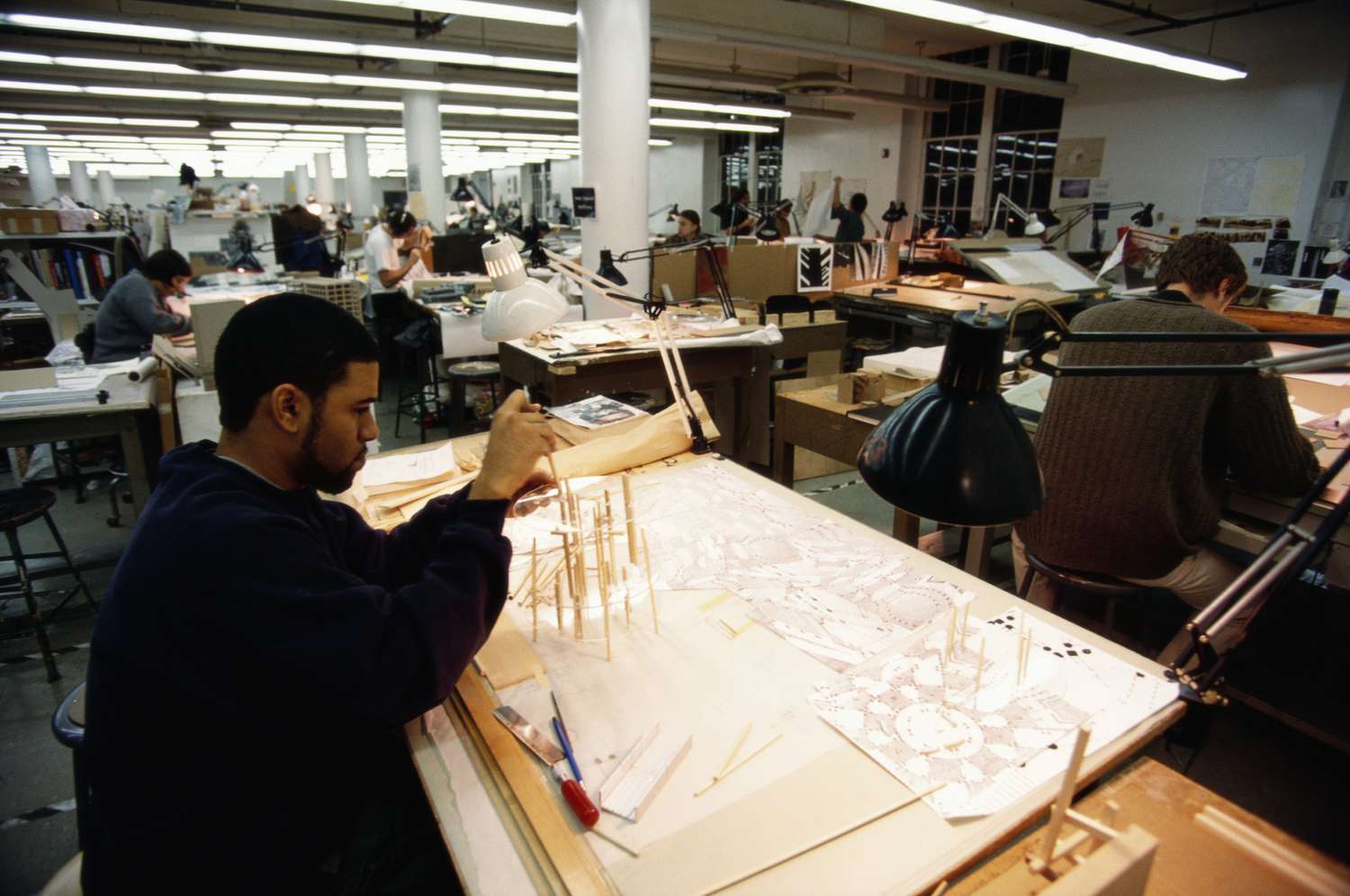
Summer is the perfect time to gain real-world experience. Many architectural firms offer internships during this time. Not only will this add to your CV, but it will also give you practical experience that is invaluable in your future career. You can gain a feel for the profession, discover your specific interests within the field, and even establish industry connections that could serve you well in the future.
Summer internships fill up early, so start looking well before the semester ends. Prepare a short portfolio of your best two or three projects and a one-page CV, and send them to firms whose work you know. Our guide to architecture student internships covers how to find, apply and succeed, and the internship portfolio guide shows what to include.
If you plan to become a licensed architect in the United States, summer work can count toward more than your CV. NCARB’s Start the AXP page states that you can start earning Architectural Experience Program experience after you graduate from high school or the established equivalent, so ask whether your supervisor can sign off your hours and record them as you go.
Volunteer for a Community Project
Many non-profit organizations seek volunteers to help with community projects. This could involve designing and constructing small buildings, public spaces, or even playgrounds. Not only does this offer valuable practical experience, but it also lets you make a tangible difference in communities.

Test Your Ideas: Architecture Competitions
Participate in Architectural Competitions
Architectural competitions are a great way to challenge yourself creatively. They offer the opportunity to design without many of the constraints of real-world projects, allowing you to experiment and innovate. Besides, winning or even just participating can be a good addition to your portfolio.
Choose one competition with a deadline that fits inside your break, read the brief and the submission rules before you register, and plan backwards from the deadline as you would for a studio project. Student and ideas competitions are the most realistic choice for a first entry. Our article on whether architecture competitions for students are worth your time helps you pick one.
Learn Something New: Short Courses, Summer Schools and Reading
Architectural Workshops and Summer Schools
Many universities and institutes around the world run summer workshops and summer schools. They often focus on specific architectural disciplines, trends, or software. These programs can offer a valuable chance to learn from experienced professionals, work on hands-on projects, and interact with international students sharing the same passion.
Before you apply, check what a program actually delivers: the length, the language, whether you work in teams, the final output and whether it gives a certificate or credit. A short, focused course that ends with a piece of work you can put in your portfolio is usually worth more than a long list of lectures.
Learn New Software
Architecture relies heavily on digital tools. Summer is an excellent time to learn a new software or get better at the ones you already know. Knowing how to use architectural software well is an essential skill for architects. These tools not only aid in the creation and visualization of designs but also help architects to communicate their ideas effectively to clients and fellow professionals.
Summer is a good time to pick up new software or improve the skills you already have. Whether you’re a novice or a seasoned user, there’s always room for growth. Tools worth learning include AutoCAD, Revit, Rhino, SketchUp and 3D Studio Max; becoming confident in the ones your school and local firms use will make you a more versatile designer.

As each software has its learning curve, start with the one most relevant to your interests and needs. Remember, the goal is not to learn all software, but to become proficient in the ones that will be most beneficial to your career. Various online platforms offer courses, tutorials, and certificates for these software tools.
Learning these tools will not only make you a more efficient designer but also a more attractive candidate for future employers in the architecture industry. It is an investment of time that will pay dividends throughout your career.
Reading Architectural Books and Journals
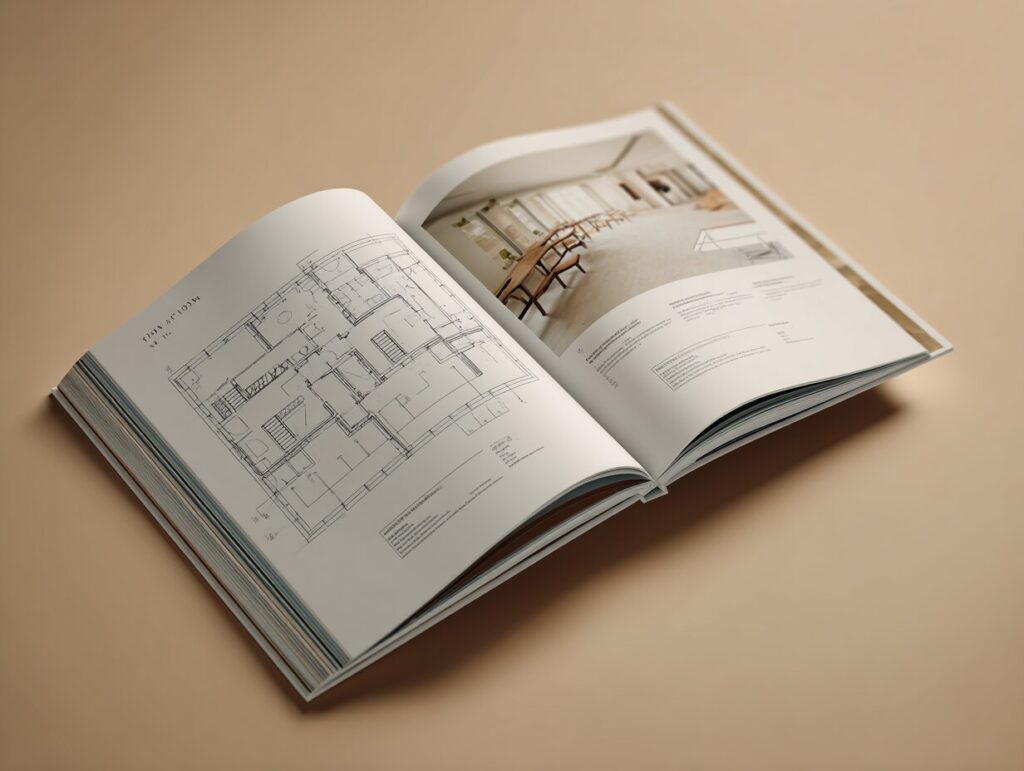
Learning doesn’t stop when school is out. Reading is one of the most effective ways to gain knowledge about architecture. Plenty of architectural books and journals, both classic and contemporary, are available to keep you inspired and informed about the latest architectural concepts, trends, and technologies.
Look and Draw: Travel, Sketching and Exhibitions
Travel and Architectural Tourism
There is no substitute for seeing great buildings and spaces in person. Traveling allows you to explore the architectural diversity of the world. Whether it’s the traditional temples of Japan, the high-tech skyscrapers of Dubai, or the historic charm of Rome, each place will offer its unique architectural story.

Sketching and Photography
Sketching and photography are powerful tools for an architect. They improve your observation skills and enable you to capture and communicate spatial qualities. Take your sketchbook or camera and explore your surroundings. You will start to see your environment from a new perspective.
Travel sketching is the easiest habit to start. Urban Sketchers defines an urban sketch as a drawing created on location, indoors or out, capturing what the sketcher sees from direct observation, and its manifesto encourages people to draw together. Joining a local sketch walk is a simple way to keep drawing all summer. Carry a small sketchbook, set yourself one quick sketch a day, and add notes on materials, light and how people use the space; those pages often become the best material in a portfolio.
Attend Architectural Exhibitions and Conferences
These events are usually packed with insights into the latest architectural developments. You’ll have the chance to see innovative design work, hear from leading architects and theorists, and perhaps even present your own work.
Show Your Work: Portfolio and Website
Start a Blog or Portfolio Website
Use your spare time in summer to create a personal blog or portfolio website. This digital platform can present your academic projects, competition entries, sketches, photography, and reflections on architecture. It’s an excellent way to document your growth as an architecture student and will be useful when applying for internships, jobs, or further study.
A summer portfolio update pays off quickly, because internship and job applications often open at the start of the new academic year. Our step-by-step guide to an architecture portfolio website walks through the setup.
Rest and Recharge
Rest is not wasted time. After a year of studio deadlines, a real break lets you come back with fresh ideas and more energy for the next project. Plan at least one stretch with no deadlines, screens or portfolio tasks, and protect it as firmly as you would an internship start date. Spending time outdoors, seeing friends and family and sleeping well are part of preparing for the next year, not a distraction from it.
A Simple Summer Plan
You do not need to do everything on this list. A balanced break usually combines one main commitment with one or two smaller ones and a block of real rest. For example:
- Internship summer: internship as the main commitment, a sketchbook for weekends, one week fully off before term.
- Competition summer: one student competition with a clear deadline, a short software course to support it, a trip or a week off.
- Skills summer: a summer school or online course, a reading list, travel sketching and a portfolio update at the end.
Summer is a time to relax, recharge and also grow. Any of the activities above can deepen your understanding of architecture, improve your skills and prepare you for the next academic year. Pick what fits your situation, plan it loosely, and enjoy the break.
See also our guide to what subjects you need to study architecture.
Architecture Students Hub
This guide is part of School Life and Learning, stage 6 of our student roadmap from the first diagram to the first internship. Next stage: Concept and Diagrams, or browse every free tool and guide in the Architecture Students Hub.





Interior Design for Commercial Spaces: Enhancing Functionality and Brand Identity
Commercial interior design has to serve brand, function and regulation at once....
 Begum Gumusel4 Mins read

What Architecture Students Should Know About Structural Glass and Guardrail Code
Glass guards look minimal, but structural behavior, safety glazing, connections and guardrail...
 illustrarch Editorial Team6 Mins read

Futuro House Production Revived in Finland After Decades-Long Hiatus
A Facebook listing for abandoned moulds led to the first new Futuro...
illustrarch Editorial Team3 Mins read

Building Your Dream Home in NSW: What You Should Know About Montgomery Homes
Montgomery Homes has been building across Sydney, Newcastle, the Hunter, Wollongong and...
illustrarch Editorial Team4 Mins read





Leave a comment