

How To Be A Successful Architecture Student
A practical set of tips for architecture students covering the mindset, drawing and software skills, sustainability knowledge, critique habits, time management, and networking that help you thrive through architecture school.
 Elif Ayse Sen5 August 20236 Mins read622
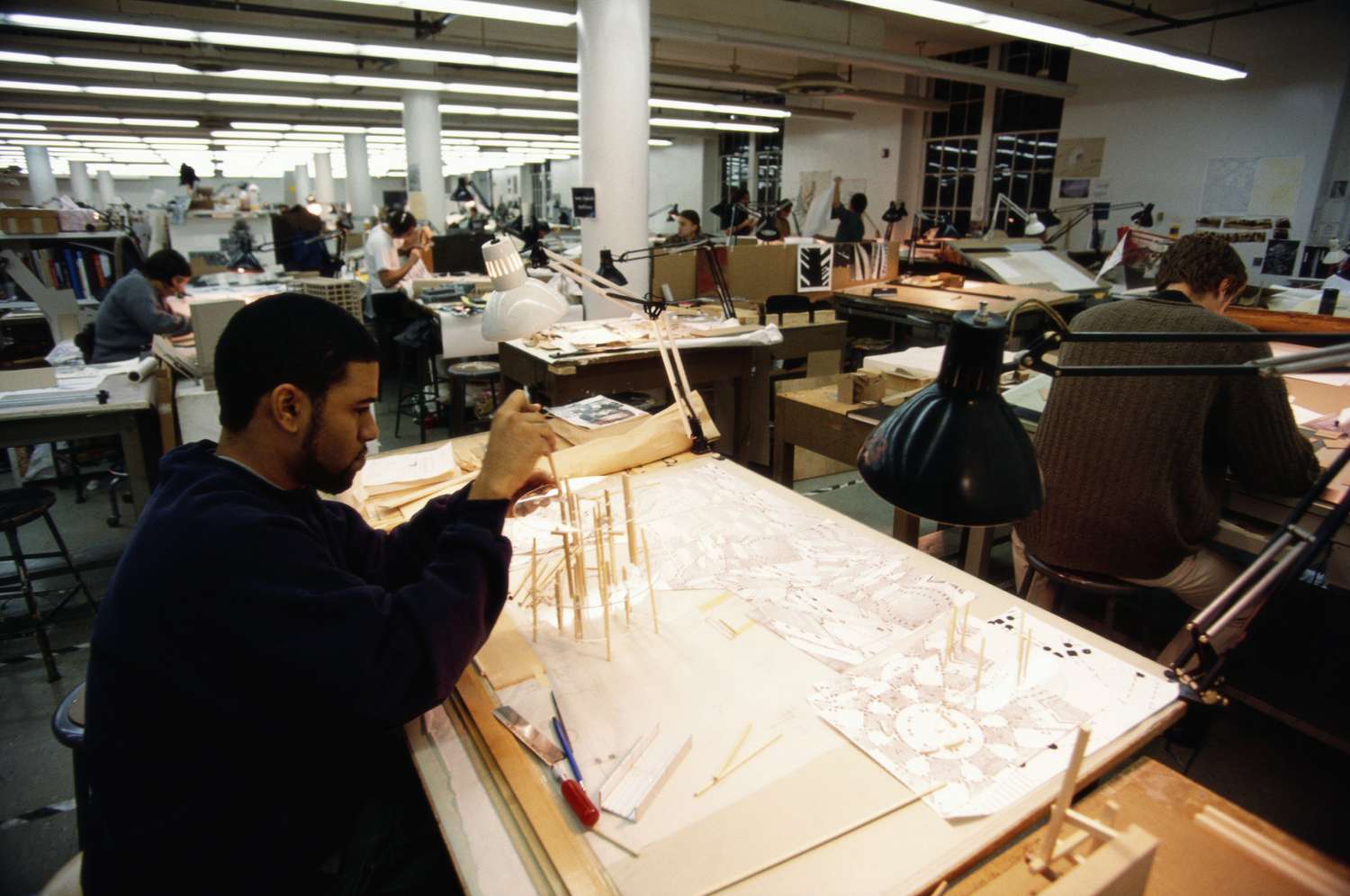
Table of Contents Show
Learning how to be a successful architecture student means balancing creative studio work with disciplined study habits, strong drawing and software skills, and the resilience to grow through critique. Success comes from steady effort across design, history, technology, and time management rather than raw talent alone.
Architecture school rewards students who treat every studio project, lecture, and review as a chance to improve. The workload is heavy, deadlines pile up, and design feedback can feel personal. The students who thrive are not always the most naturally gifted sketchers. They are the ones who build reliable habits, stay curious about the built world, and keep refining their process year after year. The architecture student tips below cover the mindset, skills, and daily routines that make the biggest difference.
What Does It Take to Be a Successful Architecture Student?
Being a successful architecture student comes down to consistency across a handful of areas: an inquisitive mindset, solid representation skills, comfort with design software, a grasp of architectural history, and the ability to manage time under pressure. None of these develop overnight. They grow through repetition, honest self-review, and exposure to good work from peers and practicing architects.
Curiosity is the foundation. Ask why buildings look and function the way they do, and how they might work better. Extend that questioning to everyday objects, streets, and public spaces. When you start reading the design decisions behind the environment around you, studio briefs stop feeling abstract and begin connecting to real problems you already understand.
💡 Pro Tip
Keep a running visual journal that mixes site sketches, material samples, and photos of details you like. Reviewing it before a new project starts gives you a personal reference library, and tutors quickly notice when your concepts are grounded in real observation rather than image searches.
Skills and Habits That Set Successful Students Apart
The difference between struggling and thriving usually shows up in daily habits, not in single bursts of talent. The table below maps the core areas that shape a strong architecture student, why each one matters, and one practical way to build it.
Core Habits for Architecture Students
| Habit or Skill | Why It Matters | Practical Tip |
|---|---|---|
| Time management | Prevents all-nighters and burnout before reviews | Block studio, research, and rest hours on a weekly calendar |
| Studio and design work | This is where concepts become tested proposals | Test three quick massing options before committing to one |
| Software fluency | Speeds up iteration and clear communication | Learn one modeling tool deeply before adding more |
| Critique response | Turns feedback into faster design growth | Take notes during reviews instead of defending your work |
| Portfolio building | Opens doors to internships and jobs | Photograph and archive every model and drawing as you go |
Sharpen Your Drawing and Software Skills
Modern practice runs on tools like CAD, Rhino, and SketchUp, yet freehand drawing still matters. Sketching is not about artistic polish. It is the fastest way to think through an idea, test a proportion, and share a rough concept before you commit hours to a digital model. Carry a sketchbook and use it often, even for five minute studies between classes.
On the software side, depth beats breadth early on. Pick one modeling program and get genuinely comfortable with it before spreading yourself across five. Once you can move quickly in one tool, adding the next becomes far easier. Publications such as ArchDaily’s coverage for architecture students and the community discussions on Archinect are useful for seeing how students and firms present work with these tools.

📐 Technical Note
Get fluent in architectural scales early. Common working scales include 1:100 and 1:50 for plans and sections, and 1:20 or larger for details, following ISO 5455 conventions for technical drawings. Labeling every drawing with its scale and a north arrow avoids confusion during reviews and prevents costly reading errors later in practice.
Learn From History and Design for Sustainability
Architecture is rooted in history and context. Study different periods, styles, and movements so you understand where design ideas come from and why they endured or faded. That background gives your own proposals depth and helps you defend design decisions with more than personal taste.
Sustainability now sits at the center of the discipline. Getting comfortable with passive strategies, material choices, and site analysis early puts you ahead. Consider how to bring in daylight and natural ventilation, how to use resources efficiently, and how a building sits on its land. Resources on understanding site topography and its role in sustainable design and broader looks at sustainable architecture across cities are good starting points for weaving these ideas into studio work.

📌 Did You Know?
According to the United Nations Environment Programme 2022 Global Status Report for Buildings and Construction, the buildings and construction sector accounts for roughly 37 percent of global energy related carbon emissions. That single figure is why sustainability literacy has become a core expectation for architecture graduates, not an optional specialty.
Make the Most of Studio Critiques
Feedback, even when it stings, is one of the strongest tools for growth. Studio critiques can feel overwhelming at first, especially in front of a panel. Reframe them: a review is free expert attention on your work. Listen more than you speak, write down every comment, and separate the feedback from your ego. The goal is a better project, not a perfect defense.

⚠️ Common Mistake to Avoid
Many students spend critique time arguing with reviewers instead of absorbing what they say. Defending every choice signals you are not open to growth and wastes valuable expert input. Note the comments, ask clarifying questions, and decide later which points to act on once the pressure of the review has passed.
Manage Your Time and Build a Network
Architecture involves constant juggling: designing, researching, model making, and meeting deadlines. Strong time management prevents the burnout that comes from repeated all-nighters. Prioritize tasks, break big projects into stages, and protect some hours for rest. Sustainable work habits produce better design than exhaustion ever will.
Relationships matter just as much as skills. Attend lectures and seminars, join student organizations, and volunteer for community design efforts. These connections lead to mentors, internships, and real-world experience. Professional bodies such as the Royal Institute of British Architects and the American Institute of Architects run student programs, events, and resources worth following as you build your path in the profession.
💡 Pro Tip
When you meet a practicing architect at an event, follow up within 48 hours with a short, specific message about something you discussed. A vague “nice to meet you” fades fast, while a focused note about their project or advice is what turns a handshake into a mentor or an internship lead.
Treat Every Project and Your Portfolio as a Learning Tool
Not every project will be a masterpiece, and that is fine. Each one teaches something, whether it is a sharper sense of space or a clear lesson in what to avoid next time. Carry those lessons forward instead of dwelling on the weaker outcomes. Progress in architecture is cumulative.
Document as you go. Photograph models, scan drawings, and save process work while it is fresh, not the week before an internship application is due. A portfolio built steadily across the year tells a stronger story of your growth than a rushed collection assembled from memory.

Above all, protect your passion. There will be stretches when designs stall and the workload feels crushing. In those moments, reconnect with why you chose architecture. That drive is what carries strong students through the hardest reviews and the longest studio nights, and it is ultimately what learning how to be a successful architecture student is built on.
Frequently Asked Questions
How many hours do architecture students study each week?
Workloads vary by school and year, but many architecture students spend well beyond a standard full-time schedule once studio, lectures, and independent design work are combined. The key is not raw hours but how you use them. Focused, planned sessions with real rest built in beat scattered all-nighters almost every time.
Do I need to be good at drawing to succeed in architecture school?
No. You do not need fine-art talent to be a successful architecture student. Drawing is a tool for thinking and communicating ideas, and freehand sketching improves quickly with daily practice. Clear diagrams and confident concept sketches matter far more than polished, gallery-ready illustrations.
What software should architecture students learn first?
Start with one modeling and drafting tool you can go deep on, such as AutoCAD, Rhino, Revit, or SketchUp, then add rendering and layout programs later. Depth in one program builds confidence and speed, which makes picking up additional software much easier as your projects grow more complex.
How do I handle harsh studio critiques?
Treat critiques as free expert feedback rather than personal judgment. Listen carefully, take written notes, and resist the urge to argue in the moment. Afterward, sort the comments into changes worth making and points you can set aside, then apply the useful feedback to your next iteration.
Where to Go From Here
Your Next Step: Open your calendar and block out fixed weekly hours for studio work, research, and genuine rest before the next project brief lands. Building that routine now is the single habit that supports every other skill on this list.







What Architecture Students Should Know About Structural Glass and Guardrail Code
Glass guards look minimal, but structural behavior, safety glazing, connections and guardrail...
 illustrarch Editoral Team6 Mins read

Futuro House Production Revived in Finland After Decades-Long Hiatus
A Facebook listing for abandoned moulds led to the first new Futuro...
illustrarch Editoral Team3 Mins read

Building Your Dream Home in NSW: What You Should Know About Montgomery Homes
Montgomery Homes has been building across Sydney, Newcastle, the Hunter, Wollongong and...
illustrarch Editoral Team4 Mins read

Designing a Home Theater: Where Drapery Fits Into the Plan
In a media room the curtains are a performance layer, not decoration....
illustrarch Editoral Team3 Mins read


Leave a comment